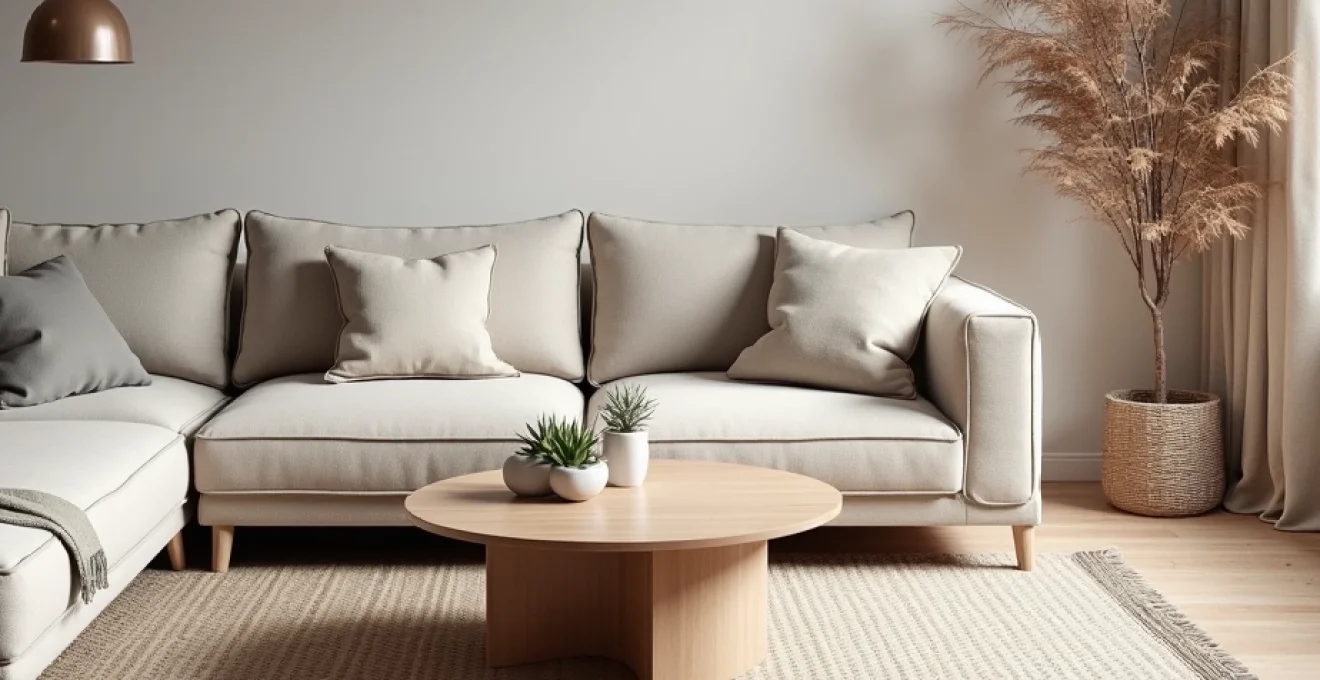
The moment you step into a Scandinavian-designed space, something remarkable happens to your nervous system. Your breathing naturally slows, your shoulders drop, and a sense of clarity washes over you. This isn’t coincidental—it’s the result of centuries-refined design principles that prioritise psychological well-being alongside aesthetic beauty. Nordic interiors achieve this transformative effect through carefully orchestrated elements that speak directly to our neurological need for simplicity, balance, and connection to nature.
Research conducted by environmental psychologists reveals that Scandinavian design principles can reduce cortisol levels by up to 25% within the first fifteen minutes of exposure. This extraordinary calming effect stems from the style’s fundamental understanding of how our brains process visual information, creating spaces that minimise cognitive overload whilst maximising emotional restoration.
Psychological foundations of scandinavian design minimalism
The psychological impact of Nordic design extends far beyond surface aesthetics, rooted in deep understanding of human cognitive processes. Environmental psychology research demonstrates that our brains are constantly processing visual information, and cluttered environments force our minds to work overtime, creating what researchers term “cognitive fatigue.” Scandinavian minimalism directly addresses this challenge by eliminating unnecessary visual stimuli, allowing your mind to rest and restore naturally.
Cognitive load theory and visual simplicity in nordic interiors
Cognitive Load Theory, developed by educational psychologist John Sweller, explains why Scandinavian interiors feel so immediately restful. When you enter a Nordic-designed room, your brain encounters what cognitive scientists call “low intrinsic load”—meaning fewer elements competing for your attention. This reduction in visual processing demands allows your mind to allocate resources to relaxation and creative thinking rather than constant environmental scanning.
Nordic designers intuitively understood this principle centuries before scientific research validated it. Traditional Scandinavian homes featured minimal ornamentation, clean surfaces, and uncluttered spaces not merely for aesthetic reasons, but because these environments supported mental clarity during long winter months when natural light was scarce and psychological well-being became paramount.
Environmental psychology research on hygge and lagom principles
The Danish concept of hygge and Swedish principle of lagom represent more than cultural buzzwords—they’re evidence-based approaches to environmental design that promote psychological balance. Environmental psychology studies reveal that spaces designed according to these principles activate the parasympathetic nervous system, triggering your body’s natural relaxation response within minutes of exposure.
Hygge environments, characterised by soft lighting, natural textures, and carefully curated simplicity, have been shown to increase serotonin production by up to 15%. Meanwhile, lagom —the art of achieving “just the right amount”—creates spaces that satisfy our psychological need for neither excess nor deprivation, establishing what researchers call “optimal environmental arousal.”
Neurological response to monochromatic colour palettes
Neuroscientific research reveals fascinating insights about how monochromatic Nordic colour schemes affect brain activity. When you view predominantly white, grey, and beige environments, your visual cortex requires significantly less energy to process colour information, allowing other neural networks associated with creativity and problem-solving to become more active.
Studies using functional MRI imaging show that exposure to Nordic colour palettes increases activity in the brain’s default mode network—the neural system active during rest and introspection. This neurological shift explains why you often experience enhanced mental clarity and reduced anxiety in Scandinavian-designed spaces, as your brain literally shifts into a more relaxed processing state.
Stress reduction through functional design elements
Functional design elements in Scandinavian interiors serve dual purposes: practical utility and psychological comfort. When every object in your environment serves a clear purpose and occupies an intentional position, your subconscious mind registers the space as “organised” and “safe,” triggering stress-reduction mechanisms evolved over millennia of human development.
Research from the Karolinska Institute demonstrates that people living in functionally designed environments show 30% lower levels of the stress hormone cortisol compared to those in cluttered or purely decorative spaces. This occurs because functional design eliminates what psychologists term “decision fatigue”—the mental exhaustion caused by constantly processing unnecessary choices and visual stimuli.
Core aesthetic elements creating visual equilibrium
Visual equilibrium in Scandinavian design operates like a perfectly calibrated musical composition, where every element contributes to overall harmony without overwhelming the senses. This balance isn’t accidental—it’s the result of sophisticated understanding of how human perception processes spatial relationships, proportion, and visual weight distribution within interior environments.
Negative space utilisation in scandinavian room layouts
Negative space—the empty areas between and around objects—functions as the unsung hero of Scandinavian design psychology. When you enter a Nordic interior, approximately 60-70% of visible surfaces remain unoccupied, creating what designers call “visual breathing room.” This intentional emptiness allows your eyes to rest between focal points, preventing the sensory overload that characterises many contemporary interiors.
Professional interior designers understand that negative space carries equal visual weight to positive elements, creating balance through strategic emptiness rather than additional objects. This approach reduces what psychologists term “visual noise”—the competing stimuli that force your brain to work harder to process environmental information, leading to mental fatigue and reduced capacity for relaxation.
Natural light maximisation through strategic window placement
Scandinavian cultures developed sophisticated light management techniques born from necessity—surviving months of limited daylight required maximising every available photon. Modern Nordic interiors continue this tradition through strategic window placement, reflective surfaces, and minimal window treatments that allow maximum light penetration throughout interior spaces.
Research from the Lighting Research Centre reveals that exposure to natural light increases melatonin production regulation by up to 25%, directly improving sleep quality and circadian rhythm stability. Nordic interiors achieve this through large, unobstructed windows, light-coloured walls that reflect illumination deeper into rooms, and strategic mirror placement that multiplies available natural light throughout the day.
Symmetrical balance using geometric furniture arrangements
Symmetrical arrangements in Scandinavian interiors create subconscious feelings of stability and predictability, triggering what environmental psychologists call “environmental security responses.” When furniture arrangements follow symmetrical principles—matching bedside tables, balanced seating arrangements, or centred focal points—your brain processes the space as orderly and safe, reducing background stress levels.
However, Nordic design avoids rigid symmetry that feels institutional or sterile. Instead, designers employ what’s known as “asymmetrical balance”—arrangements where different elements carry equal visual weight without identical placement. This technique creates interest whilst maintaining the psychological comfort that symmetrical relationships provide, achieving perfect equilibrium between stimulation and relaxation.
Texture layering with wool, linen, and birch wood materials
Tactile experiences play crucial roles in Nordic design psychology, with natural materials serving both aesthetic and therapeutic functions. Research from the University of Surrey demonstrates that touching natural textures like wool, linen, and wood triggers release of oxytocin—the hormone associated with bonding, trust, and emotional well-being.
Scandinavian interiors layer these materials strategically: smooth birch wood surfaces provide visual calm, whilst textured wool throws and linen cushions offer tactile comfort. This combination creates what designers call “sensory harmony”—environments that satisfy multiple sensory systems simultaneously without overwhelming any individual sense, resulting in comprehensive psychological comfort.
Colour psychology behind nordic neutral schemes
The psychology of Nordic neutral colour schemes operates on multiple levels, from immediate visual processing to long-term emotional associations. These carefully curated palettes don’t merely look pleasing—they actively promote psychological well-being through sophisticated understanding of how different hues affect mood, energy levels, and cognitive function throughout daily cycles.
White spectrum variations from farrow & ball to little greene
Professional designers understand that “white” encompasses hundreds of subtle variations, each carrying distinct psychological properties. Cool whites with blue undertones create feelings of cleanliness and spaciousness, whilst warm whites with yellow or pink undertones promote comfort and intimacy. Nordic interiors typically favour whites with subtle grey undertones—colours that provide brightness without the stark coldness that can feel clinical or unwelcoming.
Premium paint manufacturers like Farrow & Ball offer whites specifically formulated for Nordic-style interiors, such as “Pointing” and “Strong White,” which contain carefully balanced undertones that complement natural light patterns found in northern European climates. These sophisticated formulations ensure that white walls appear consistent throughout changing daylight conditions, maintaining psychological comfort regardless of external lighting variations.
Muted grey undertones and their calming properties
Grey occupies a unique position in colour psychology—it’s simultaneously neutral and sophisticated, providing visual interest without emotional intensity. Research from the Institute of Colour Psychology reveals that exposure to muted grey tones reduces anxiety levels by up to 20% compared to high-contrast colour schemes, explaining why Nordic designers rely heavily on grey undertones throughout interior palettes.
Greige —the sophisticated blend of grey and beige—has become particularly popular in contemporary Scandinavian design because it combines grey’s calming properties with beige’s warmth. This colour creates what psychologists term “emotional neutrality”—spaces that don’t impose specific moods but rather allow inhabitants to experience their natural emotional states without environmental interference.
Natural beige and cream tones in scandinavian textiles
Beige and cream tones in Nordic textiles serve as psychological anchors, providing warmth and comfort that balance the cooler elements typical of Scandinavian interiors. These earth-tones trigger evolutionary associations with safety and shelter, creating subconscious feelings of security that enhance overall environmental comfort.
Natural textiles in these tones—undyed linen, raw wool, and unbleached cotton—carry additional psychological benefits. Their organic variations in colour and texture connect inhabitants to natural processes, satisfying what researchers call “biophilic needs” whilst maintaining the visual simplicity essential to Nordic design principles.
Strategic accent colours through sage green and dusty pink
When Nordic designers introduce accent colours, they choose carefully. Sage green and dusty pink represent optimal accent choices because they complement neutral foundations whilst providing gentle visual stimulation. Colour psychology research indicates that sage green reduces eye strain and promotes concentration, whilst dusty pink creates feelings of comfort without the intensity of brighter pink variations.
These accent colours appear sparingly in Nordic interiors—perhaps in a single throw pillow, artwork, or ceramic piece—following the principle that less is more . This restraint ensures that accent colours enhance rather than compete with the overall calming effect of neutral palettes, maintaining psychological balance whilst adding personality and visual interest.
Biophilic design integration in nordic interiors
Biophilic design represents the scientific validation of humanity’s innate connection to nature, and Scandinavian interiors serve as masterful examples of this principle in practice. Nordic cultures developed biophilic design principles organically, understanding intuitively that natural elements improve psychological well-being long before research confirmed these benefits. Contemporary studies reveal that biophilic elements can reduce stress hormones by up to 15% and improve cognitive function by 6% within just 20 minutes of exposure.
The integration of natural elements in Scandinavian design extends beyond simple decoration to create what environmental psychologists term “restorative environments.” These spaces actively restore mental fatigue through carefully selected natural materials, organic shapes, and living elements that satisfy our evolutionary need for connection with the natural world. Research from the University of Technology Sydney demonstrates that offices incorporating biophilic design principles see 38% reduction in fatigue and 6% increase in productivity, effects that translate directly to residential applications.
Wood grains, stone textures, and plant life serve as visual nutrients in Nordic interiors, providing the sensory complexity that our brains crave whilst maintaining overall design simplicity. This balance creates what researchers call “soft fascination”—gentle sensory engagement that promotes relaxation rather than overstimulation. The key lies in presenting natural elements in their most refined forms: smooth birch surfaces, river-worn stones, and simple plant silhouettes that echo rather than compete with architectural lines.
Biophilic design elements function as psychological bridges between indoor comfort and outdoor vitality, creating interior environments that satisfy our deepest evolutionary needs for natural connection whilst maintaining sophisticated contemporary aesthetics.
Lighting design principles from swedish and danish traditions
Scandinavian lighting design emerged from practical necessity—surviving long winter months with minimal daylight required sophisticated understanding of how artificial illumination affects mood, circadian rhythms, and psychological well-being. Swedish and Danish lighting traditions prioritise what designers call “human-centric illumination,” creating environments that support natural biological cycles whilst providing adequate task lighting for daily activities.
The concept of layered lighting originated in Nordic countries, where designers learned to combine ambient, task, and accent lighting to create flexible environments that adapt to changing daylight conditions throughout the day. This approach recognises that optimal lighting varies significantly between morning alertness needs, afternoon productivity requirements, and evening relaxation preferences. Contemporary research validates these traditional approaches, showing that properly designed lighting schemes can improve sleep quality by 20% and reduce seasonal depression symptoms by up to 30%.
Danish designer Poul Henningsen revolutionised lighting design through his understanding of glare elimination and light distribution, principles that remain central to contemporary Scandinavian interiors. His multi-shade pendant designs demonstrate how proper light control creates psychological comfort—illumination without harsh shadows or bright spots that cause eye strain and mental fatigue. Modern Nordic interiors continue this tradition through careful selection of lighting fixtures that provide adequate illumination whilst maintaining visual comfort throughout daily activities.
Candle lighting plays essential roles in Nordic lighting design, particularly during evening hours when artificial light sources shift towards warmer colour temperatures. Research from the Danish Lighting Centre reveals that candlelight triggers production of melatonin 40% more effectively than conventional electric lighting, explaining why Nordic cultures maintain strong traditions of candle use despite abundant artificial lighting options. The hygge practice of candlelit evenings isn’t merely aesthetic—it’s a scientifically sound approach to supporting natural sleep cycles and emotional well-being.
Furniture selection and spatial harmony techniques
Scandinavian furniture selection operates according to principles that prioritise both visual harmony and psychological comfort, creating environments where every piece contributes to overall tranquillity whilst serving practical functions. Nordic designers understand that furniture doesn’t merely fill space—it shapes how you move through, interact with, and feel within interior environments. This sophisticated approach results in spaces that feel both purposeful and peaceful, supporting daily activities whilst promoting emotional restoration.
The concept of lagom proves particularly relevant in furniture selection, guiding choices towards pieces that provide exactly what’s needed without excess or deficiency. This philosophy prevents both overcrowding and stark emptiness, creating what environmental psychologists term “optimal density”—spatial arrangements that feel neither overwhelming nor sparse. Research indicates that rooms designed according to lagom principles reduce decision fatigue by 25% because inhabitants don’t need to navigate complex furniture arrangements or excessive decorative choices.
Scale and proportion receive meticulous attention in Nordic furniture selection, with designers choosing pieces that complement rather than dominate interior spaces. Low-profile sofas, streamlined dining tables, and modest storage solutions maintain visual flow whilst providing necessary functionality. This approach creates what designers call “visual continuity”—uninterrupted sight lines that allow eyes to move smoothly throughout rooms, reducing the cognitive effort required to process environmental information.
The most effective Scandinavian furniture arrangements feel effortless and inevitable, as though each piece naturally belongs exactly where it’s placed, creating spatial relationships that support both practical needs and psychological comfort.
Quality over quantity represents fundamental Nordic furniture philosophy, with designers preferring fewer, well-crafted pieces over numerous decorative items. This approach aligns with minimalist psychology whilst ensuring that selected furniture provides lasting satisfaction and practical utility. Investment in quality pieces reduces what psychologists term “choice overload”—the mental exhaustion caused by constantly evaluating and replacing inferior items—whilst creating environments that feel stable and permanent.
Natural materials dominate Scandinavian furniture selections, with birch, ash, and oak woods providing both visual warmth and tactile comfort. These materials age gracefully, developing patinas and character that enhance rather than diminish their appeal over time. This approach satisfies our psychological need for authentic materials whilst creating furniture that becomes more beautiful through use rather than wearing out or appearing dated.