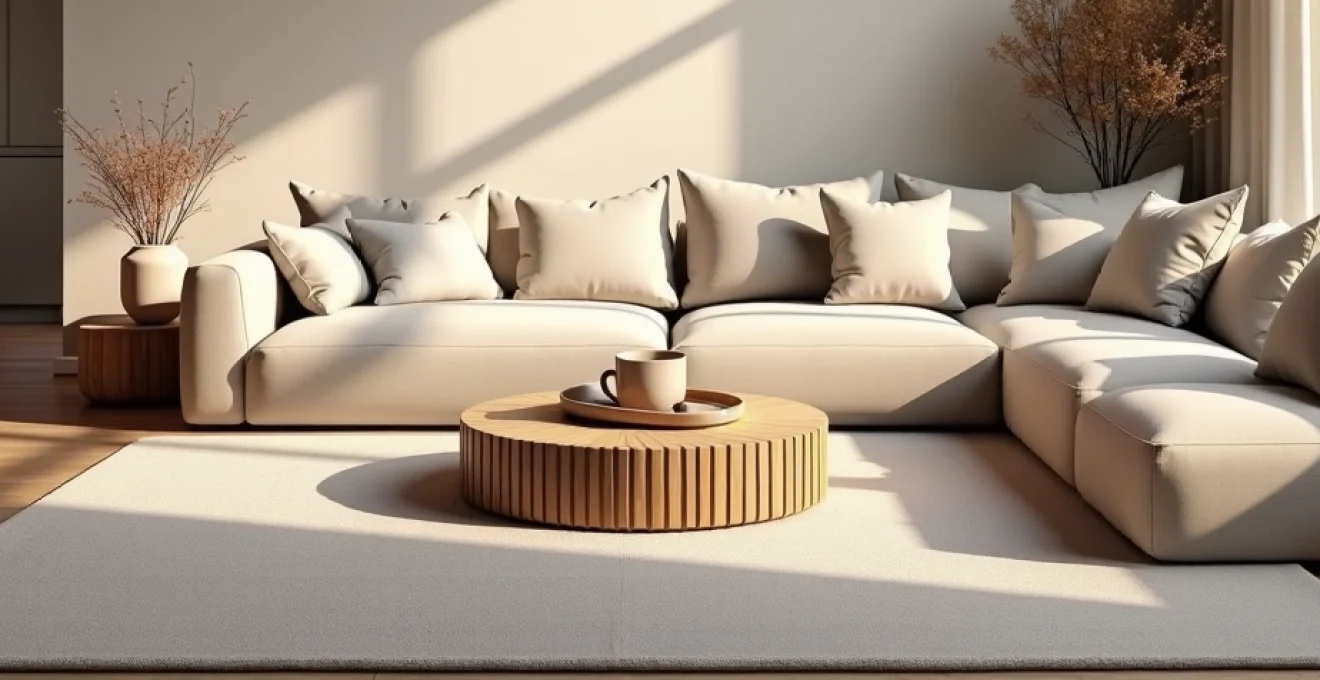
In an era of digital overwhelm and constant connectivity, many individuals find themselves feeling disconnected from their immediate physical environment. The spaces where you spend most of your time—your home—can either nurture your wellbeing or contribute to feelings of stress and disconnection. Home décor rituals offer a powerful pathway to reestablishing meaningful relationships with your living spaces, transforming them from mere functional areas into sanctuaries that support your emotional and psychological needs. These intentional practices go far beyond simple interior design choices, creating profound connections between your inner state and external environment through deliberate, mindful approaches to spatial arrangement and care.
Psychological foundations of spatial connection through intentional home styling
The relationship between humans and their domestic environments operates on multiple psychological levels, creating complex patterns of attachment and emotional regulation. Understanding these foundational principles provides insight into why intentional décor rituals prove so effective at fostering deeper connections with living spaces.
Environmental psychology and place attachment theory in residential spaces
Environmental psychology demonstrates that individuals develop profound emotional bonds with physical spaces through repeated positive interactions and meaningful experiences. Place attachment theory reveals how residential environments become extensions of personal identity, serving as repositories of memory, comfort, and self-expression. When you engage in deliberate décor rituals , you activate these attachment mechanisms, creating stronger psychological connections to your home environment. Research indicates that individuals with stronger place attachment experience reduced stress levels and improved emotional regulation, making intentional home styling practices particularly valuable for mental health maintenance.
The process of attachment formation relies heavily on sensory experiences and emotional associations. Each time you thoughtfully arrange objects, select textiles, or create visual compositions in your living space, you’re essentially laying down neural pathways that connect positive emotions with specific environmental cues. This neurological process explains why certain home environments immediately evoke feelings of comfort and belonging, while others feel sterile or uncomfortable despite their aesthetic appeal.
Neurological response patterns to familiar domestic environments
Neuroscience research reveals that familiar, well-arranged home environments trigger specific brainwave patterns associated with relaxation and emotional stability. The default mode network in your brain responds positively to predictable, harmonious spatial arrangements, reducing cortisol production and activating parasympathetic nervous system responses. When you establish consistent décor rituals , you create environmental cues that signal safety and comfort to your nervous system, promoting deeper states of relaxation and mental clarity.
Mirror neurons, which fire both when performing actions and observing them, play a crucial role in how you experience your decorated spaces. The visual harmony created through intentional styling practices activates these neural mechanisms, creating embodied responses to environmental beauty. This explains why aesthetically pleasing spaces don’t just look good—they actually make you feel physically and emotionally better through direct neurological pathways.
Cognitive load reduction through systematic décor arrangements
Cluttered, disorganised environments place significant demands on cognitive processing systems, leading to mental fatigue and decreased focus. Systematic décor arrangements reduce this cognitive load by creating clear visual hierarchies and predictable spatial patterns. When you implement organised styling rituals , you’re essentially reducing the amount of mental energy required to navigate and process your living environment, freeing cognitive resources for more important tasks and creative endeavours.
The concept of cognitive offloading becomes particularly relevant in home décor contexts. Well-organised, thoughtfully arranged spaces serve as external memory systems, reducing the mental effort required to locate items, maintain routines, and feel oriented within your home. This cognitive efficiency contributes to overall wellbeing and productivity, making décor rituals valuable investments in mental performance and emotional stability.
Biophilic design principles and stress hormone regulation
Biophilic design principles recognise the innate human affinity for natural elements and patterns, demonstrating measurable impacts on stress hormone regulation and psychological wellbeing. Incorporating natural materials, organic shapes, and living elements into your décor rituals activates evolutionary responses that promote relaxation and healing. Studies show that exposure to natural elements in home environments can reduce cortisol levels by up to 15% and improve cognitive function significantly.
The integration of biophilic elements through nature-inspired décor practices creates multi-sensory experiences that engage primitive brain systems associated with safety and restoration. Natural textures, organic colour palettes, and botanical elements trigger deep-seated psychological responses that promote emotional balance and physical wellbeing. These effects compound over time, making consistent biophilic décor rituals increasingly powerful tools for environmental wellness.
Ritual-based interior design methodologies for enhanced spatial awareness
Traditional design philosophies from various cultures offer time-tested approaches to creating harmonious living environments through ritualistic practices. These methodologies provide structured frameworks for developing meaningful connections with domestic spaces while addressing both aesthetic and energetic considerations.
Feng shui energy flow mapping and chi circulation techniques
Feng shui principles offer systematic approaches to optimising energy flow within residential spaces through careful attention to spatial arrangement and object placement. The practice involves mapping chi circulation patterns throughout your home, identifying areas where energy becomes stagnant or overly active, then implementing specific décor adjustments to restore balance. Regular feng shui assessments and adjustments serve as powerful rituals for maintaining environmental harmony and personal wellbeing.
The five elements theory within feng shui provides practical guidance for selecting colours, materials, and decorative objects that support specific life areas and personal goals. By incorporating wood, fire, earth, metal, and water elements through thoughtful décor choices, you create balanced environments that support various aspects of life, from career advancement to relationship harmony. These elemental balancing practices become meaningful rituals that connect your living space with your personal aspirations and values.
Danish hygge implementation strategies for cosy atmosphere creation
Danish hygge philosophy emphasises creating cosy, comfortable environments that promote wellbeing and social connection through simple, intentional décor practices. Hygge rituals focus on incorporating soft textures, warm lighting, and meaningful objects that evoke feelings of contentment and belonging. The practice involves regular seasonal adjustments to lighting, textile selections, and atmospheric elements that align with natural rhythms and promote emotional comfort.
Candle-lighting rituals represent a cornerstone of hygge practice, creating intimate atmospheres that signal transitions from active daytime energy to restful evening states. The deliberate selection and placement of candles, combined with cosy textile arrangements , transforms ordinary living spaces into nurturing sanctuaries that support relaxation and meaningful social interactions. These simple yet powerful rituals demonstrate how small, consistent décor practices can significantly impact daily wellbeing and spatial connection.
Japanese Wabi-Sabi aesthetic integration in contemporary homes
Wabi-sabi philosophy celebrates imperfection, impermanence, and incompleteness as sources of beauty and wisdom, offering alternative approaches to home décor that emphasise authenticity over perfection. Implementing wabi-sabi principles involves selecting objects with visible wear, natural aging, or handmade irregularities that tell stories and evoke emotional connections. These imperfection-embracing practices create more authentic, personally meaningful living environments that reflect genuine life experiences rather than aspirational ideals.
The wabi-sabi approach to spatial arrangement emphasises asymmetry, natural materials, and subtle colour palettes that change gradually over time. Regular rituals of appreciating and caring for aging objects, rearranging spaces to accommodate natural wear patterns, and selecting new items based on authenticity rather than pristine appearance create deeper connections with material possessions and living environments. This philosophy transforms maintenance activities into mindful practices that strengthen spatial bonds.
Seasonal décor rotation systems using circadian rhythm alignment
Seasonal décor rotation rituals align living environments with natural rhythms and circadian patterns, supporting biological processes that regulate mood, energy, and sleep quality. These practices involve systematically adjusting colour palettes, lighting intensity, textile weights, and natural elements to match seasonal changes and optimise psychological wellbeing throughout the year. Research demonstrates that environments aligned with seasonal patterns can improve sleep quality by up to 20% and reduce seasonal affective symptoms significantly.
The practice of seasonal transition ceremonies creates meaningful markers for temporal passage while maintaining fresh, evolving connections with living spaces. Implementing quarterly décor refresh rituals prevents environmental stagnation and provides regular opportunities for reassessing spatial needs and preferences. These cyclical practices transform home maintenance into celebratory rituals that strengthen emotional bonds with domestic environments while supporting natural biological rhythms.
Sacred geometry applications in furniture positioning and room layout
Sacred geometry principles provide mathematical frameworks for creating harmonious spatial arrangements that resonate with fundamental patterns found throughout nature. Implementing golden ratio proportions, fibonacci sequences, and geometric patterns in furniture placement and room layout creates subconsciously pleasing environments that promote psychological balance and aesthetic satisfaction. These geometry-based arrangement rituals offer structured approaches to spatial design that transcend personal preference and cultural conditioning.
The practice of geometric spatial analysis involves measuring existing room dimensions and furniture pieces, then applying mathematical principles to optimise positioning and proportions. Regular geometric assessments and adjustments create ongoing rituals for maintaining environmental harmony while developing deeper appreciation for the mathematical principles underlying aesthetic beauty. These practices transform routine furniture arrangement into meaningful ceremonies that connect living spaces with universal patterns and principles.
Sensory engagement protocols through tactile and visual home elements
Creating meaningful connections with living spaces requires engaging multiple sensory systems through carefully selected and arranged decorative elements. Sensory engagement protocols transform passive environments into active partners in wellbeing and emotional regulation, using texture, colour, sound, and scent to create immersive experiences that support various psychological states and practical needs.
Tactile engagement strategies involve incorporating diverse textures and materials that invite physical interaction and provide sensory feedback. Natural fibres, varied surface treatments, and temperature-responsive materials create opportunities for meaningful physical contact with your environment throughout daily routines. The ritual of selecting and arranging texture-rich elements becomes a mindful practice that strengthens embodied connections with living spaces while providing therapeutic sensory experiences.
Visual rhythm creation through strategic colour placement, pattern repetition, and focal point development guides attention and emotional response throughout domestic spaces. Implementing systematic approaches to visual composition ensures that each room provides appropriate stimulation levels for its intended functions while maintaining overall environmental coherence. These visual orchestration practices require regular assessment and adjustment, creating ongoing rituals that maintain optimal aesthetic and psychological conditions.
Acoustic considerations play crucial roles in spatial experience, influencing stress levels, concentration ability, and emotional states through both intentional and ambient sound elements. Sound-absorbing materials, wind chimes, water features, and strategic speaker placement create acoustic environments that support various activities and moods. Regular acoustic assessment and adjustment rituals ensure that your living spaces provide appropriate auditory experiences for different times of day and seasonal conditions.
Olfactory elements provide direct pathways to emotional and memory centres, making scent selection and distribution powerful tools for creating meaningful spatial connections. Natural aromatics, seasonal plant selections, and strategic ventilation practices create signature scent profiles that become associated with comfort, relaxation, and belonging. The ritual development of seasonal scent rotation systems provides regular opportunities for refreshing environmental associations while supporting circadian rhythm regulation and emotional wellbeing.
Mindful curation practices for meaningful object selection and placement
The objects you choose to display and use in your living spaces serve as tangible representations of values, memories, and aspirations, making mindful curation practices essential for creating authentic connections with domestic environments. These practices extend beyond aesthetic considerations to encompass emotional significance, practical functionality, and energetic impact on daily wellbeing.
Marie kondo KonMari method adaptation for emotional spatial bonding
The KonMari method provides systematic approaches to object evaluation that prioritise emotional resonance over practical utility, creating opportunities for deeper understanding of personal values and preferences. Adapting these principles for ongoing décor rituals involves regular assessment sessions where you physically handle objects while evaluating their emotional impact and spatial contribution. This joy-sparking evaluation process creates intimate connections between personal wellbeing and material possessions while maintaining clutter-free environments that support mental clarity.
The practice of gratitude expression toward departing objects creates meaningful closure rituals that honour the role various items have played in your life journey. These ceremonies transform decluttering activities into spiritual practices that strengthen appreciation for remaining possessions while creating space for new experiences and relationships. Regular gratitude-based curation rituals maintain fresh, evolving connections with living environments while preventing material accumulation from overwhelming spatial harmony.
Ancestral object integration and generational memory preservation
Incorporating inherited objects and family heirlooms into contemporary décor schemes creates powerful connections between past, present, and future while honouring ancestral wisdom and experiences. These integration practices require thoughtful consideration of historical context, cultural significance, and personal meaning to ensure respectful and authentic display methods. Ancestral object rituals involve regular cleaning, repositioning, and storytelling practices that maintain active relationships with family history while creating educational opportunities for younger generations.
The development of memory preservation rituals around ancestral objects creates structured approaches to maintaining family traditions and cultural connections within modern living contexts. These practices might involve seasonal display rotations, annual cleaning ceremonies, or regular storytelling sessions that keep ancestral memories alive and relevant to contemporary family life. Such rituals transform inherited objects from static displays into dynamic participants in ongoing family narratives and identity formation.
Handcrafted textile selection for enhanced tactile connection
Handmade textiles provide unique opportunities for creating meaningful connections with craftspeople, cultural traditions, and natural materials through direct sensory engagement. The irregular textures, subtle colour variations, and visible construction methods of handcrafted items create rich tactile experiences that machine-made products cannot replicate. Regular textile selection and care rituals develop appreciation for traditional craft methods while supporting artisan communities and sustainable production practices.
The practice of seasonal textile rotation based on natural fibre properties and cultural traditions creates ongoing opportunities for engaging with different textures, weights, and visual qualities throughout the year. These textile transition ceremonies mark temporal passages while providing regular refreshment of sensory experiences and visual compositions. Such practices transform routine seasonal maintenance into meaningful cultural and aesthetic rituals that strengthen connections with both living spaces and broader human traditions.
Artisanal pottery and ceramics as grounding elements
Handmade pottery and ceramics provide unique combinations of functional utility and artistic expression while connecting users with ancient craft traditions and earth-based materials. The weight, texture, and thermal properties of ceramic objects create distinctive sensory experiences that plastic and metal alternatives cannot provide. Regular use and care of ceramic pieces develops appreciation for traditional craft skills while creating daily rituals around meal preparation, beverage consumption, and object maintenance.
The selection process for artisanal ceramics involves developing relationships with local craftspeople and understanding traditional production methods, creating connections that extend beyond individual objects to encompass broader cultural and economic systems. These maker relationship rituals transform shopping activities into cultural education and community support practices while ensuring that purchased objects carry meaningful stories and authentic cultural connections. Regular engagement with ceramic artists through studio visits, workshops, and commissioned pieces creates ongoing relationships that enrich both living spaces and personal understanding of traditional craft practices.
Chromotherapy and lighting design systems for emotional spatial calibration
Colour and lighting significantly influence psychological states, energy levels, and emotional wellbeing through direct impacts on hormonal systems and neural responses. Understanding these relationships enables strategic use of chromotherapy principles and lighting design systems to create environments that support specific moods, activities, and therapeutic goals. The implementation of systematic colour and lighting rituals transforms passive environmental elements into active tools for emotional regulation and spatial connection.
Seasonal colour rotation practices align living environments with natural light cycles and biological rhythms while providing regular opportunities for environmental refreshment and personal expression. These rotations involve systematic assessment of existing colour palettes, identification of seasonal emotional needs, and strategic integration of new colour elements through textiles, artwork, and decorative objects. The ritual process of seasonal colour transition creates meaningful markers for temporal passage while maintaining dynamic, evolving connections with living spaces that prevent environmental stagnation and support psychological adaptation to changing conditions.
Circadian lighting systems utilise programmable LED technology to replicate natural sunlight patterns throughout interior spaces, supporting healthy sleep-wake cycles and seasonal mood regulation. These systems can be programmed to provide bright, blue-rich light during morning hours to promote alertness, warm, dim lighting during evening hours to support melatonin production, and seasonal variations that compensate for reduced natural light exposure during winter months. The daily ritual of interacting with these automated systems creates regular awareness of natural rhythms while providing personalised environmental control that supports optimal biological functioning.
Therapeutic colour selection involves understanding the psychological and physiological impacts of specific hues and implementing strategic colour placement to support various life areas and personal goals. Red tones stimulate energy and passion, blue shades promote calm and focus, green hues support balance and renewal, while yellow colours encourage optimism and creativity. The practice of intentional colour meditation involves spending focused time in different coloured environments while observ
ing your emotional responses and identifying which environments support different aspects of your wellbeing and productivity.
Mood-responsive lighting design involves creating multiple lighting scenarios within each room that can be adjusted according to current emotional needs and daily activities. These systems might include bright task lighting for focused work, soft ambient lighting for relaxation, coloured accent lighting for creative pursuits, and candlelit arrangements for contemplative practices. The ritual of lighting adjustment ceremonies throughout the day creates regular opportunities for assessing internal states while actively engaging with environmental controls that support optimal psychological functioning.
Light therapy protocols utilise specific wavelengths and intensities to address seasonal affective symptoms, sleep disorders, and energy regulation challenges through systematic exposure schedules. These therapeutic approaches require dedicated time and attention, creating structured rituals around wellbeing maintenance that strengthen connections between personal health and environmental conditions. The consistent practice of light therapy rituals demonstrates how scientific understanding of biological processes can be integrated with traditional home décor practices to create living spaces that actively support physical and mental health.
Maintenance rituals and cleaning ceremonies as reconnection mechanisms
The process of maintaining and caring for living spaces provides powerful opportunities for developing intimate knowledge of environmental details while creating regular practices that strengthen emotional bonds with domestic settings. These maintenance activities, when approached with intention and mindfulness, transform routine household tasks into meaningful ceremonies that support both practical cleanliness and spiritual connection with your surroundings.
Weekly cleaning rituals offer structured opportunities for thorough environmental assessment while engaging in meditative, repetitive activities that promote mental clarity and emotional processing. The systematic approach to cleaning different areas creates regular contact with all aspects of your living space, ensuring that no corners remain neglected or forgotten. These comprehensive care ceremonies provide natural rhythms for maintaining both physical cleanliness and energetic freshness while creating predictable weekly rituals that anchor temporal awareness and environmental stewardship.
Seasonal deep cleaning practices extend routine maintenance into transformative ceremonies that mark temporal transitions while providing opportunities for comprehensive spatial assessment and renewal. These intensive cleaning sessions involve moving furniture, accessing hidden areas, and thoroughly evaluating all possessions and arrangements. The physical demands and time investment of seasonal cleaning create profound experiences of environmental intimacy while providing regular opportunities for major spatial reorganisation and refreshment.
Sacred cleaning protocols integrate spiritual practices with practical maintenance activities, transforming mundane tasks into meaningful ceremonies that honour both material possessions and living spaces. These approaches might involve blessing rituals before beginning cleaning sessions, gratitude expressions while caring for objects, and intention-setting practices during repetitive cleaning activities. The integration of spiritual elements with practical maintenance creates sacred stewardship practices that elevate routine household tasks into meaningful expressions of environmental reverence and personal growth.
Mindful cleaning meditations involve bringing complete attention to sensory experiences during maintenance activities, using cleaning tasks as opportunities for present-moment awareness and embodied engagement with physical environments. These practices might focus on the texture of surfaces being cleaned, the sounds of various cleaning activities, the visual transformation of spaces during cleaning processes, or the physical sensations of movement and effort. Regular mindful cleaning sessions create structured opportunities for meditation practice while maintaining living environments that support ongoing wellbeing and spatial connection.
Collaborative cleaning ceremonies with family members or housemates create shared experiences of environmental care while strengthening social bonds and collective investment in living spaces. These group activities require coordination, communication, and mutual support while providing opportunities for teaching, learning, and skill-sharing around household management. The social dimension of collaborative cleaning transforms individual maintenance tasks into community-building activities that strengthen both relationships and collective connection to shared living environments.
Preventive maintenance rituals focus on identifying and addressing minor issues before they develop into major problems, creating proactive approaches to environmental stewardship that prevent deterioration and preserve the long-term integrity of living spaces. These practices involve regular inspection schedules, seasonal preparation activities, and systematic monitoring of various household systems and components. The consistent attention required for preventive maintenance creates ongoing relationships with the practical aspects of home ownership while demonstrating care and investment in long-term environmental sustainability.
The psychological impact of maintenance rituals extends beyond practical cleanliness to encompass feelings of accomplishment, environmental control, and purposeful engagement with material possessions. Research indicates that individuals who maintain regular cleaning and maintenance schedules experience reduced anxiety levels and improved self-efficacy while developing stronger attachments to their living environments. These benefits compound over time, making consistent maintenance rituals valuable investments in both environmental condition and personal wellbeing that create positive feedback cycles supporting long-term spatial connection and life satisfaction.