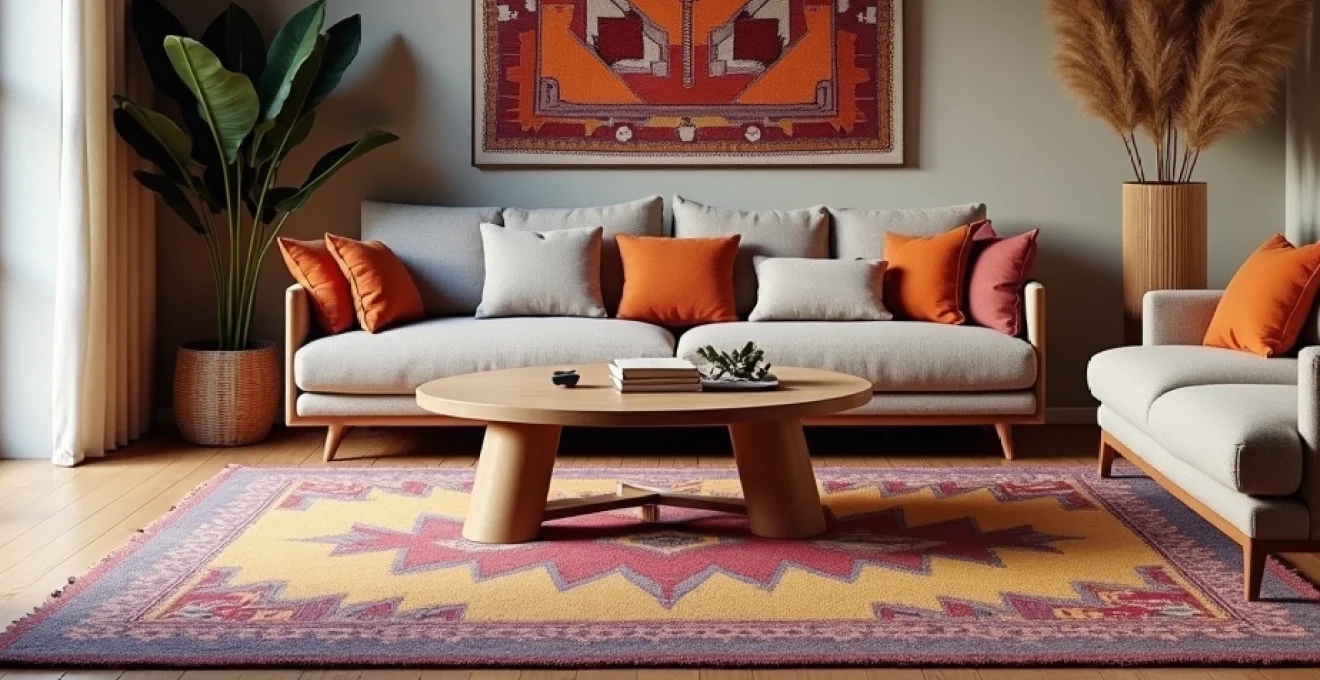
The moment you step onto a handmade wool rug, something remarkable happens. The space transforms from merely functional to deeply personal, as if the room suddenly remembers its purpose as a sanctuary rather than just shelter. This transformation occurs because handmade wool rugs possess an almost magical ability to infuse character into any environment, bridging the gap between craftsmanship and contemporary living with unparalleled sophistication.
Unlike their machine-manufactured counterparts, artisanal wool rugs carry within their fibres the stories of their makers – the patient hands that knotted each thread, the cultural traditions passed down through generations, and the natural materials that connect your home to the earth itself. These pieces don’t simply cover floors; they anchor spaces with authenticity and warmth that synthetic alternatives cannot replicate.
Artisanal wool rug construction techniques and their visual impact
The construction method of a handmade wool rug fundamentally determines its visual presence and longevity within your living space. Each technique creates distinct textural qualities that interact differently with light, shadow, and surrounding décor elements. Understanding these construction methods helps explain why certain rugs seem to ‘breathe life’ into a room whilst others merely occupy floor space.
The density and structure of handwoven wool rugs create micro-variations in height and texture that catch and reflect light in ways that machine-made alternatives cannot achieve. This natural irregularity, far from being a flaw, represents the hallmark of authentic craftsmanship that adds visual depth and character to any interior setting.
Hand-knotted persian weaving methods: tabriz and isfahan traditions
Persian weaving traditions, particularly those from Tabriz and Isfahan, represent the pinnacle of rug-making artistry. The Tabriz technique employs a Turkish knot system that creates exceptional durability whilst maintaining intricate pattern definition. Weavers in this tradition can achieve knot counts exceeding 500 per square inch, resulting in rugs with photographic clarity in their designs.
Isfahan rugs showcase an even finer approach, often incorporating silk highlights that create luminous accents within the wool foundation. The combination of these materials produces a surface that shifts subtly as viewing angles change, adding dynamic visual interest to static room arrangements. These variations in light reflection mean your rug will appear different throughout the day as natural light conditions evolve.
Tibetan highland wool processing: lanolin retention and natural lustre
Tibetan wool processing methods preserve more of the natural lanolin than conventional industrial techniques, resulting in fibres with exceptional lustre and water resistance. This retained lanolin creates a subtle sheen that enhances colour saturation whilst providing practical benefits for household use. The high-altitude environment where these sheep graze produces wool with longer, stronger fibres that contribute to both durability and visual appeal.
The natural processing methods used in Tibetan rug production create subtle colour variations even within single-coloured sections. These micro-variations prevent the flat, uniform appearance common in machine-dyed materials, instead producing surfaces with organic depth that complement natural interior lighting beautifully.
Turkish kilim Flat-Weave architecture: geometric pattern integration
Turkish kilim construction employs a flat-weave technique that creates bold geometric patterns through the strategic interlacing of coloured wools. This method produces rugs with crisp, defined edges and patterns that appear almost architectural in their precision. The absence of pile means these rugs display patterns with mathematical clarity that can anchor minimalist design schemes effectively.
The flat-weave structure of kilims creates interesting shadow play effects when placed over textured flooring. Light passes differently through the varied densities of the weave, creating subtle depth variations that add visual interest without overwhelming space with excessive texture or pattern competition.
Tufted wool density variations: pile height effects on light reflection
Tufted wool rugs achieve their visual impact through carefully controlled pile height variations that create sculptural surface textures. Higher pile areas catch and hold light differently than lower sections, producing natural highlighting effects that emphasise pattern elements without requiring artificial illumination enhancement.
The density variations in quality tufted rugs create what designers call ‘surface architecture’ – three-dimensional effects that transform flat floor spaces into textured landscape elements. This tactile quality invites interaction whilst providing visual anchor points that help define seating arrangements and traffic patterns within rooms.
Chromatic psychology of natural wool dye applications in interior spaces
Natural dyes create colour relationships that synthetic alternatives struggle to replicate, producing harmonious palettes that seem to enhance rather than compete with existing interior elements. The complex molecular structures of plant-based colorants interact with wool fibres in ways that create depth and richness unavailable through chemical processes. These colours age gracefully, developing patina and character that adds to rather than detracts from their visual appeal over time.
Research in colour psychology demonstrates that naturally-dyed textiles create more restful interior environments than their synthetically-coloured counterparts. The subtle variations inherent in natural dyeing processes produce colours that feel ‘alive’ rather than static, contributing to the personality-enhancing effects that make handmade wool rugs such powerful interior design elements.
Madder root and cochineal: historical red pigmentation techniques
Madder root produces red tones ranging from deep burgundy to bright scarlet, depending on soil conditions where the plant grew and processing methods employed. These reds possess warmth and depth that synthetic alternatives cannot match, creating focal points that energise spaces without overwhelming them. The natural variations within madder-dyed wool create subtle striations that add visual texture even in solid-coloured areas.
Cochineal-derived reds offer different qualities entirely, producing crimsons with purple undertones that complement both warm and cool colour schemes. The lightfastness of cochineal dyes means these colours maintain their vibrancy for decades, making them excellent investments for rooms where colour consistency matters over extended periods.
Indigo fermentation processes: achieving deep blue saturation levels
The fermentation process required for indigo dyeing creates blues with unparalleled depth and complexity. Multiple dipping cycles build colour intensity gradually, creating subtle variations that range from pale sky tones to deep navy shades within single rug sections. This graduated colour development produces visual effects impossible to achieve through single-application synthetic dyeing.
Indigo’s unique molecular structure means it sits on wool fibres rather than penetrating completely, creating colours that shift subtly under different lighting conditions. This quality makes indigo-dyed rugs particularly effective in rooms with varying natural light exposure throughout the day, as they seem to adapt to changing illumination conditions.
Pomegranate rind and turmeric: golden hue development methods
Pomegranate rind processing yields golden yellows with remarkable stability and brilliance. Unlike synthetic yellow dyes that often appear harsh or artificial, pomegranate-derived colours possess warmth that complements both traditional and contemporary interior schemes. The natural tannins in pomegranate rinds also contribute antimicrobial properties that help preserve wool fibres.
Turmeric applications create different golden effects entirely, producing colours with orange undertones that work particularly well in rooms with warm lighting schemes. The natural variations in turmeric intensity create organic colour gradations that add visual movement to static rug surfaces, contributing to the dynamic quality that makes handmade pieces feel ‘alive’ in interior settings.
Walnut hull extraction: Earth-Tone palette creation for modern interiors
Walnut hull extraction produces rich brown tones that serve as perfect neutrals for contemporary interior design schemes. These earth tones possess complexity unavailable in synthetic alternatives, with subtle green and grey undertones that complement both warm and cool colour palettes effectively. The natural variations in walnut hull dyeing create depth that prevents the flat appearance common in machine-dyed materials.
The compatibility of walnut-derived browns with modern interior elements makes these colours particularly valuable for bridging traditional rug-making techniques with contemporary design aesthetics. These colours age beautifully, developing richer tones over time that enhance rather than diminish their visual appeal.
Wool fibre characteristics: micron count impact on tactile experience
The micron count of wool fibres directly influences both the tactile experience and visual appearance of handmade rugs. Finer fibres, typically measuring 18-24 microns, create surfaces with silk-like smoothness that feel luxurious underfoot whilst displaying colours with exceptional clarity and vibrancy. These fine fibres also reflect light more effectively, creating surfaces that appear almost luminous in appropriate lighting conditions.
Coarser wool fibres, ranging from 26-32 microns, provide different benefits entirely. They create more textured surfaces that add tactile interest whilst offering superior durability for high-traffic areas. The interplay between fibre diameter and visual texture means that understanding micron counts helps predict how a rug will perform both functionally and aesthetically in specific interior applications.
The natural crimp present in wool fibres creates resilience that synthetic materials cannot replicate. This crimp allows wool rugs to maintain their appearance even under heavy use, as individual fibres spring back to their original positions rather than remaining compressed. This characteristic contributes significantly to the longevity that makes handmade wool rugs excellent long-term investments for interior design projects.
Premium wool varieties often combine fibres of different micron counts to achieve specific performance characteristics. Merino wool, with its exceptionally fine 18-20 micron diameter, provides softness whilst stronger Leicester Longwool fibres add structural integrity. These blended approaches create rugs that excel in both comfort and durability whilst maintaining the visual appeal that makes handmade pieces so effective at enhancing interior personality.
Handmade rug sizing proportions: golden ratio applications in room design
The application of golden ratio principles to rug sizing creates harmonious relationships between floor coverings and room proportions that feel intuitively ‘correct’ even to untrained eyes. A rug sized according to golden ratio principles – approximately 1.618:1 in length-to-width ratio – naturally complements rectangular room shapes whilst creating visual balance that enhances rather than disrupts interior flow patterns.
Room size considerations extend beyond simple floor coverage calculations. The most effective rug placements leave approximately 18-24 inches of exposed flooring around room perimeters, creating visual ‘frames’ that define spaces without overwhelming them. This proportion works particularly well with handmade wool rugs, whose natural irregularities benefit from breathing space that allows their character to emerge fully.
The golden ratio appears throughout nature and art because it creates proportions that feel harmonious to human perception – applying these principles to rug selection creates interiors that feel naturally balanced and welcoming.
Furniture relationships with rug dimensions follow specific proportional rules that maximise visual impact. Seating arrangements work best when front furniture legs rest on rug surfaces whilst back legs remain on surrounding flooring. This creates visual connection between furniture groupings and floor treatments whilst maintaining the definition that prevents rooms from feeling cluttered or confused.
Layering multiple rugs requires careful attention to proportional relationships. The most successful layered arrangements use rugs sized according to mathematical progressions – typically with smaller rugs measuring approximately 60-70% of larger base pieces. This creates depth and visual interest whilst maintaining the proportional harmony that makes handmade wool rugs such effective interior design elements.
Cultural motif interpretation: regional design languages in contemporary settings
Traditional rug motifs carry cultural significance that transcends mere decoration, bringing historical depth and meaning to contemporary interior spaces. Understanding these design languages allows homeowners to select pieces that resonate with personal values whilst contributing authentic character to modern living environments. The symbolic content embedded within traditional patterns creates conversation pieces that connect occupants with broader cultural narratives.
Contemporary interpretation of traditional motifs requires sensitivity to cultural origins whilst allowing for personal expression through placement and combination with modern furnishings. The most successful integrations respect traditional meanings whilst creating fresh visual relationships that feel relevant to current lifestyle needs and aesthetic preferences.
Caucasian dragon and eagle symbolism in modern living spaces
Caucasian dragon motifs represent protection and power, making them particularly effective in entrance halls and main living areas where their symbolic strength can welcome guests whilst providing psychological comfort to inhabitants. These designs typically feature bold, angular interpretations that complement contemporary architectural elements whilst maintaining their traditional protective significance.
Eagle symbolism in Caucasian rugs connects to themes of freedom and vision, making these patterns particularly appropriate for home offices or studies where their inspirational qualities can enhance productivity and creativity. The geometric interpretation of eagle forms in traditional Caucasian weaving creates patterns that feel both ancient and thoroughly modern.
Moroccan berber tribal patterns: geometric storytelling elements
Berber patterns function as visual narratives, with specific geometric combinations representing family histories, territorial boundaries, and spiritual beliefs. These storytelling elements add layers of meaning to interior spaces, creating focal points that invite contemplation whilst providing genuine cultural connection for occupants interested in broader human experiences.
The mathematical precision of Berber geometric patterns complements minimalist interior design approaches whilst providing the warmth and humanity that purely modern elements sometimes lack. These patterns work particularly well in contemporary settings where their structural clarity can serve as bridge elements between architectural and decorative components.
Afghan war rug evolution: contemporary conflict narrative integration
Afghan war rugs represent unique documentation of contemporary history, incorporating imagery from recent conflicts into traditional weaving patterns. These pieces create powerful statement elements in modern interiors, particularly in spaces dedicated to contemplation or cultural discussion. Their integration of current events with ancient techniques demonstrates the ongoing vitality of traditional rug-making practices.
The evolution of war rug imagery reflects changing geopolitical situations, making these pieces valuable historical documents as well as functional interior elements. Their presence in contemporary homes creates opportunities for meaningful conversations about history, conflict, and resilience whilst providing authentic cultural connection.
Scandinavian rya technique: minimalist nordic design philosophy
Scandinavian rya rugs embody Nordic design principles through their emphasis on natural materials, functional beauty, and restrained colour palettes. These pieces integrate seamlessly with contemporary minimalist interiors whilst providing the textural warmth that makes stark modern spaces feel welcoming and liveable.
The long pile characteristic of rya construction creates luxurious tactile experiences that complement the visual simplicity of Scandinavian design aesthetics. These rugs prove that minimalism need not sacrifice comfort or sensory appeal, instead demonstrating how thoughtful material choices can enhance both function and beauty simultaneously.
Investment value assessment: handmade wool rug appreciation metrics
Handmade wool rugs represent one of the few home furnishing categories that consistently appreciate in value over time, particularly pieces created using traditional techniques with high-quality materials. Market data from auction houses and specialty dealers indicates that well-maintained handmade wool rugs appreciate at rates of 3-7% annually, often outperforming many traditional investment vehicles whilst providing daily functional and aesthetic benefits.
Authentication factors significantly influence investment potential. Rugs with documented provenance, traditional natural dye processes, and construction by recognised regional artisans command premium prices that continue growing as authentic handmade pieces become increasingly rare in global markets. The combination of functional utility and investment appreciation makes quality handmade wool rugs unique among luxury home furnishings.
Condition maintenance directly impacts long-term value retention. Professional cleaning every 3-5 years, appropriate rotation to ensure even wear patterns, and protection from direct sunlight preserve both appearance and market value. Unlike most home furnishings that depreciate immediately upon purchase, properly maintained handmade wool rugs often sell for more than their original purchase prices after decades of use.
The scarcity of authentic handmade techniques, combined with increasing global appreciation for traditional craftsmanship, continues driving appreciation rates for quality wool rugs across all major collecting categories.
Size considerations influence investment potential significantly. Larger rugs, particularly those exceeding 8×10 feet, appreciate faster than smaller pieces due to their versatility in various interior applications and their impressive visual impact. Room-size rugs from recognised weaving regions consistently outperform smaller decorative pieces in auction environments, making size an important consideration for investment-minded purchasers.
Regional origin affects appreciation potential through both rarity and market recognition factors. Persian rugs from traditional weaving centres command consistent premium prices, whilst pieces from emerging regions like contemporary Afghan or Pakistani workshops often represent excellent value opportunities for collectors willing to research quality indicators beyond simple geographic origin. The key lies in understanding construction quality and authentic technique application regardless of specific geographic source.