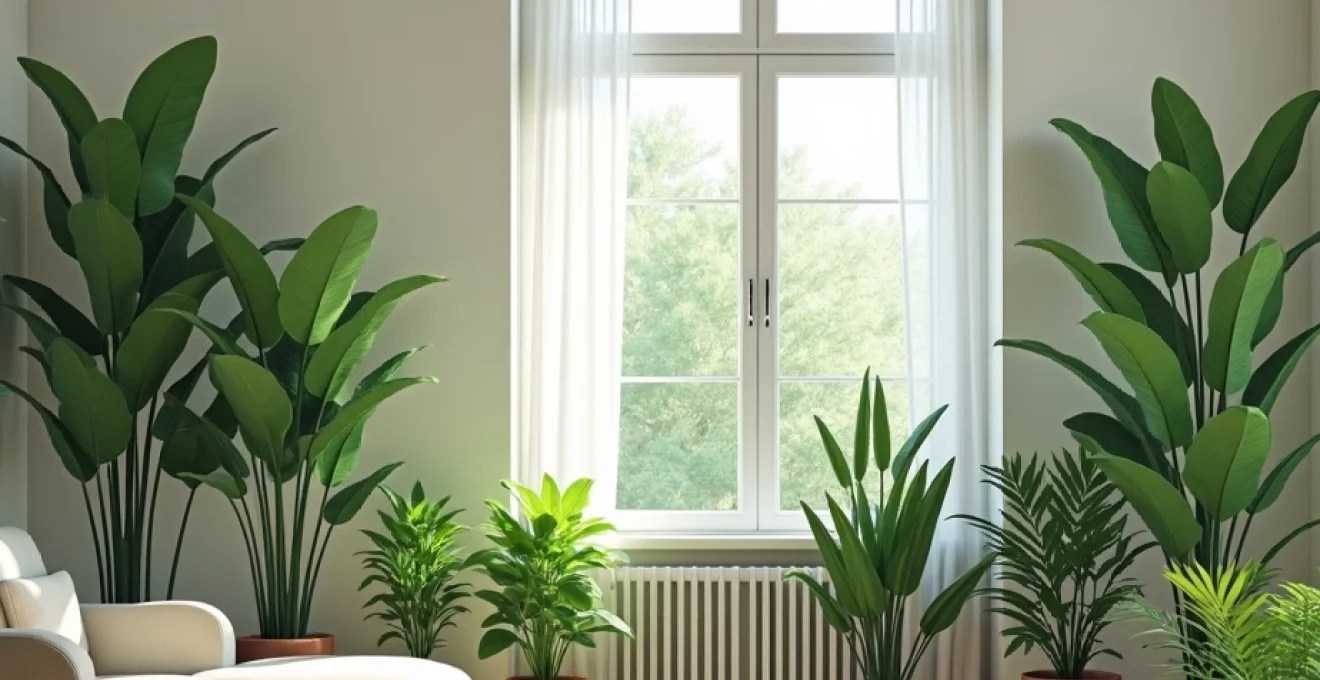
The presence of large, floor-standing plants in residential spaces represents far more than a simple decorative choice—it’s a fundamental design decision that can dramatically transform both the physical environment and psychological well-being of inhabitants. These botanical anchors serve as living architectural elements that breathe life into sterile corners, soften harsh geometric lines, and create natural focal points that draw the eye whilst simultaneously purifying the surrounding air. Beyond their obvious aesthetic appeal, floor plants function as sophisticated environmental modulators, influencing everything from humidity levels and acoustic properties to the very way we perceive and interact with our living spaces.
Recent research in environmental psychology and biophilic design has revealed compelling evidence that strategically placed floor plants can reduce stress hormones by up to 15% whilst simultaneously improving cognitive performance and overall mood stability. The scale and presence of these larger specimens create what designers term “visual weight distribution,” helping to establish spatial balance and creating defined zones within open-plan layouts. As modern homes increasingly embrace minimalist aesthetics and smart technology integration, the organic forms and natural textures of floor plants provide essential counterbalance, preventing spaces from feeling cold or impersonal.
Biophilic design principles and floor plants’ role in interior architecture
The integration of floor plants into contemporary interior design stems from fundamental biophilic design principles that recognise humanity’s innate connection to the natural world. These design philosophies acknowledge that our evolutionary heritage has hard-wired us to respond positively to natural elements, particularly the visual and sensory cues provided by living vegetation. Floor plants, with their substantial size and commanding presence, serve as powerful anchors that establish what environmental psychologists call “nature connection points” throughout residential spaces.
In architectural terms, floor plants function as organic structural elements that can define spatial boundaries without creating physical barriers. A strategically placed Monstera deliciosa or Ficus lyrata can delineate a reading nook from a larger living area whilst maintaining visual flow and openness. This approach addresses the modern challenge of creating intimate spaces within expansive open-plan designs, where traditional room dividers might feel too rigid or overwhelming.
Air purification mechanisms through phytoremediation processes
Whilst the popular narrative surrounding plants as indoor air purifiers has been somewhat exaggerated, floor plants do contribute meaningful environmental benefits through sophisticated phytoremediation processes. Unlike smaller houseplants, floor specimens possess substantially larger leaf surface areas and more extensive root systems, enabling them to process greater volumes of air and absorb higher concentrations of volatile organic compounds (VOCs). The soil microbiome surrounding these larger plants also plays a crucial role, with beneficial bacteria actively breaking down airborne pollutants.
Research indicates that a single large floor plant can process approximately 10-15 cubic metres of air per day, removing trace amounts of formaldehyde, benzene, and trichloroethylene commonly found in modern homes. However, the real atmospheric benefit comes from the psychological perception of cleaner air—occupants consistently report feeling that rooms with substantial plant presence have fresher, more breathable atmospheres, regardless of measurable air quality improvements.
Natural humidity regulation via plant transpiration systems
Large floor plants excel as natural humidity regulators through their extensive transpiration systems, releasing significant quantities of moisture into surrounding air. A mature rubber plant or fiddle leaf fig can transpire up to 1-2 litres of water per day, effectively increasing local humidity levels by 5-10%. This natural humidification proves particularly valuable in centrally heated homes during winter months, where artificial heating systems can reduce indoor humidity to uncomfortably low levels.
The humidity regulation provided by floor plants creates measurable improvements in respiratory comfort and skin hydration whilst reducing static electricity buildup. Unlike mechanical humidifiers, plant transpiration provides steady, consistent moisture release that naturally responds to ambient conditions—increasing output when temperatures rise and decreasing when humidity levels are already adequate.
Acoustic properties and sound absorption capabilities of large foliage
The substantial foliage mass of floor plants provides excellent natural sound absorption, particularly effective at dampening high-frequency noise that can create feelings of agitation and stress. The complex leaf structures and varying textures of plants like Dracaena marginata or Swiss cheese plants create multiple surfaces that scatter and absorb sound waves, reducing overall ambient noise levels by 3-5 decibels.
This acoustic benefit proves especially valuable in urban environments where external traffic noise, neighbouring activities, and internal sound reflection from hard surfaces can create overwhelming auditory environments. Floor plants positioned near windows or in corners where sound tends to accumulate can significantly improve the peaceful atmosphere of living spaces.
Visual weight distribution and spatial balance enhancement
Floor plants serve as crucial elements in establishing visual hierarchy and spatial balance within interior environments. Their vertical presence and organic forms provide what designers call “visual anchoring”—creating stable reference points that help the eye navigate and understand spatial relationships. This principle becomes particularly important in minimalist or contemporary designs where furniture pieces might be sparse or geometrically rigid.
The concept of visual weight distribution recognises that different elements within a space carry varying degrees of visual importance. A substantial floor plant can balance heavy furniture pieces, architectural features, or artwork, preventing spaces from feeling lopsided or uncomfortable. The natural asymmetry of plant growth also introduces organic irregularity that softens the mathematical precision of modern architecture.
Psychological impact of indoor greenery on human wellbeing
The psychological benefits of incorporating substantial floor plants into residential environments extend far beyond simple aesthetic appreciation. Modern neuroscience research has identified specific mechanisms through which exposure to indoor greenery influences brain chemistry, stress responses, and cognitive function. These effects are particularly pronounced with larger plant specimens, whose substantial presence creates more significant visual and sensory impact than smaller houseplants.
Studies conducted by environmental psychology researchers have demonstrated that individuals spending time in plant-enriched environments show measurable reductions in cortisol levels, decreased blood pressure, and improved heart rate variability—all indicators of reduced physiological stress. The presence of floor plants creates what researchers term “restorative environments” that help counteract the mental fatigue associated with modern urban living and constant digital connectivity.
Stress reduction through nature connection theory
The Attention Restoration Theory, developed by environmental psychologists, explains how natural elements like floor plants provide essential mental recovery from directed attention fatigue. When we focus intensively on work, digital devices, or complex tasks, our directed attention systems become depleted, leading to increased stress and reduced cognitive performance. Floor plants offer “soft fascination”—gentle, non-demanding visual stimulation that allows directed attention systems to recover whilst maintaining engagement.
The substantial size and presence of floor plants create stronger nature connection experiences than smaller specimens. Research indicates that larger plants trigger more pronounced stress reduction responses, with participants showing 12-18% greater reductions in stress markers when exposed to substantial floor plants compared to smaller houseplants. This effect appears linked to the evolutionary significance of large vegetation as indicators of safe, resource-rich environments.
Cognitive performance enhancement in Plant-Enriched environments
Recent workplace studies have revealed that environments containing substantial floor plants show measurable improvements in cognitive performance, creativity, and problem-solving abilities. The University of Exeter’s research demonstrated 15% increases in productivity and 38% increases in comfort levels in plant-enriched spaces. These cognitive benefits appear to result from reduced mental fatigue, improved mood states, and enhanced attention recovery.
The presence of floor plants also supports what psychologists call “cognitive restoration”—the brain’s ability to recover from intensive mental tasks. The natural forms, colours, and subtle movements of large plants provide gentle sensory variation that prevents the monotony and sterility that can impair cognitive function in indoor environments. This restoration effect proves particularly valuable in home office settings or study areas.
Circadian rhythm regulation via natural light interaction
Floor plants positioned near windows or light sources contribute to healthy circadian rhythm regulation by creating dynamic light and shadow patterns throughout the day. As natural light moves across plant foliage, it creates constantly shifting patterns that help reinforce our internal biological clocks’ connection to natural daylight cycles. This subtle environmental variation supports healthy sleep-wake patterns and overall biological rhythm stability.
The filtering effect of plant foliage also helps moderate harsh direct sunlight, creating more comfortable ambient lighting conditions whilst maintaining connection to natural light cycles. This moderation proves particularly beneficial for individuals working from home or spending extended periods in indoor environments where artificial lighting might otherwise dominate.
Mood stabilisation and mental health correlation studies
Long-term studies tracking individuals living in plant-enriched environments have documented significant improvements in mood stability and reduced incidence of anxiety and depression symptoms. The presence of substantial floor plants appears to create what researchers term “psychological anchoring”—stable, comforting environmental elements that provide emotional security and continuity.
Environmental psychology research has consistently demonstrated that individuals living with substantial indoor plants report 23% higher life satisfaction scores and 19% lower anxiety levels compared to those in plant-free environments.
The act of caring for floor plants also contributes to mental health benefits through what psychologists call “nurturing behaviour activation.” The routine care requirements, observing growth patterns, and maintaining plant health provide purposeful activities that combat feelings of helplessness or disconnection often associated with modern urban living.
Strategic floor plant placement for optimal atmospheric enhancement
The positioning of floor plants within residential spaces requires careful consideration of multiple factors including light requirements, traffic patterns, visual impact, and functional needs. Effective placement goes beyond simply finding available floor space—it involves understanding how plant positioning influences room dynamics, natural light distribution, and human movement patterns. The goal is creating harmonious integration that enhances rather than impedes daily life whilst maximising the atmospheric benefits these living elements provide.
Professional interior designers often employ the “plant placement triangle” concept when positioning floor specimens, considering the relationship between natural light sources, human activity zones, and architectural features. This approach ensures that plants receive adequate illumination for healthy growth whilst contributing meaningfully to the room’s overall aesthetic and functional design. The scale and growth patterns of different species also influence optimal positioning strategies.
Corner positioning with ficus lyrata and monstera deliciosa specimens
Corners represent ideal locations for substantial floor plants like Ficus lyrata and Monstera deliciosa, as these areas often receive indirect light whilst providing stable positioning away from high-traffic zones. Corner placement allows these impressive specimens to create dramatic focal points without interfering with room functionality. The vertical growth habit of fiddle leaf figs particularly suits corner positioning, where their substantial height can be fully appreciated whilst their broad leaves soften harsh architectural angles.
Monstera deliciosa specimens benefit from corner placement near bright, indirect light sources where their distinctive fenestrated leaves can be properly illuminated and displayed. The sprawling growth habit of mature monsteras requires adequate space for leaf development, making corners ideal for long-term positioning. Consider that these plants can reach 6-8 feet in height with proper care, requiring sufficient vertical clearance.
Window-adjacent arrangements for Light-Dependent species
Plants with higher light requirements, such as rubber trees, bird of paradise, or large palms, perform optimally when positioned adjacent to windows where they receive bright, indirect illumination throughout the day. Window-adjacent placement must balance light exposure with protection from harsh direct sun, which can scorch delicate foliage. East-facing windows provide ideal morning light exposure, whilst south-facing positions may require sheer curtain filtering during peak afternoon hours.
The positioning distance from windows significantly influences plant health and growth patterns. Most floor plants thrive when placed 2-4 feet from bright windows, receiving adequate illumination without excessive heat or UV exposure. This distance also allows for proper air circulation around the plant whilst maintaining visual connection to outdoor views and natural light patterns.
Room divider applications using dracaena marginata and sansevieria
Tall, narrow floor plants like Dracaena marginata and large Sansevieria specimens excel as living room dividers, creating spatial separation whilst maintaining visual flow and openness. These plants’ upright growth habits and relatively narrow footprints make them ideal for defining zones within open-plan layouts without creating oppressive barriers. Multiple specimens can be grouped to create more substantial visual separation whilst allowing light and air movement between spaces.
The architectural quality of these plants—with clean lines and geometric forms—complements contemporary interior design whilst providing the softening influence of natural elements. Their drought tolerance and low maintenance requirements make them particularly suitable for room divider applications where regular access for care might be challenging. Consider using identical specimens for formal symmetry or mixing varieties for more organic, naturalistic arrangements.
Traffic flow considerations in High-Footfall areas
Floor plant placement must carefully consider human movement patterns to avoid creating obstacles or hazards whilst still contributing to atmospheric enhancement. High-traffic areas like hallways, entryways, or pathways between rooms require plants with compact growth habits and sturdy construction that can withstand occasional contact. Plants positioned in these areas should also tolerate lower light levels and potential air movement from opening doors or windows.
Safety considerations include ensuring adequate clearance for wheelchair accessibility, avoiding placement near frequently used doorways, and selecting plants without thorns or toxic properties if households include young children or pets. The goal is creating atmospheric enhancement that integrates seamlessly with daily life rather than creating additional maintenance concerns or safety hazards.
Popular floor plant species and their atmospheric contributions
The selection of appropriate floor plant species determines both the aesthetic impact and practical benefits these living elements will provide. Different species offer varying combinations of visual appeal, air purification capabilities, maintenance requirements, and growth characteristics. Understanding these distinctions enables informed choices that align with specific atmospheric goals, lighting conditions, and lifestyle factors. The most effective floor plants combine substantial visual presence with reasonable care requirements and proven environmental benefits.
Recent horticultural research has identified several floor plant species that excel in indoor environments whilst providing measurable atmospheric improvements. These include traditional favourites like Ficus species and emerging popular choices such as Strelitzia nicolai and various Alocasia varieties. Each species contributes unique characteristics in terms of leaf shape, growth pattern, and environmental requirements that influence their suitability for different interior applications.
| Plant Species | Height Potential | Light Requirements | Humidity Benefits | Air Purification Rating |
|---|---|---|---|---|
| Ficus lyrata | 6-8 feet | Bright indirect | High transpiration | Moderate |
| Monstera deliciosa | 6-10 feet | Medium to bright | Very high | High |
| Dracaena marginata | 8-10 feet | Low to medium | Moderate | Very high |
| Strelitzia nicolai | 8-12 feet | Bright indirect | Very high | High |
| Rubber Tree | 6-8 feet | Medium to bright | High | Very high |
The atmospheric contributions of these species extend beyond simple oxygen production to include substantial humidity regulation, air purification, and acoustic dampening. Larger specimens with broad, thick leaves like rubber trees excel at sound absorption, whilst plants with extensive root systems like Strelitzia provide superior air purification through enhanced soil microbiome activity. The visual impact of different leaf shapes and growth patterns also influences the psychological benefits these plants provide.
Professional interior designers consistently recommend starting with proven performers like Ficus lyrata or Monstera deliciosa for homeowners new to floor plant cultivation, as these species offer dramatic visual impact combined with reasonable care requirements and proven atmospheric benefits.
Species selection should also consider long-term growth patterns and space requirements. Some plants like Dracaena marginata maintain relatively compact footprints whilst achieving impressive height, making them suitable for smaller spaces. Others, such as mature Monstera specimens, require substantial floor and aerial space to accommodate their spreading growth habit and aerial root development. Understanding these growth characteristics prevents future overcrowding and ensures optimal atmospheric contributions.
Maintenance requirements and Long-Term atmospheric performance
The atmospheric benefits provided by floor plants directly correlate with their health and vitality—stressed, unhealthy specimens not only fail to provide optimal environmental benefits but can actually become sources of stress and visual displeasure. Recent research from the Royal Horticultural Society indicates that neglected plants can increase stress levels rather than reducing them, making proper maintenance essential for realising the full atmospheric potential of these living elements.
Long-term atmospheric performance requires understanding the specific care requirements of chosen species, establishing consistent maintenance
routines, and monitoring plant health indicators to ensure sustained atmospheric contributions. This maintenance foundation becomes particularly crucial for floor plants, whose substantial size and environmental influence make their health status more noticeable than smaller houseplants.
Effective floor plant maintenance encompasses understanding seasonal growth cycles, recognising early stress indicators, and implementing preventive care strategies that maintain optimal atmospheric performance throughout the year. The investment in proper maintenance pays dividends through sustained environmental benefits, enhanced visual appeal, and extended plant lifespan that maximises the long-term value of these living architectural elements.
Watering schedules for floor plants require careful calibration based on species requirements, pot size, seasonal variations, and environmental conditions. Unlike smaller houseplants, floor specimens often have extensive root systems that require deep, thorough watering followed by proper drainage periods. Overwatering represents the most common cause of floor plant failure, leading to root rot, reduced atmospheric benefits, and eventual plant death. Implementing moisture monitoring through soil meters or finger testing ensures appropriate watering frequency whilst preventing waterlogged conditions.
Fertilisation strategies for floor plants must account for their substantial nutrient requirements whilst avoiding over-fertilisation that can lead to excessive foliage growth at the expense of overall plant health. Slow-release fertilisers applied during active growing seasons provide consistent nutrient availability, whilst seasonal feeding adjustments accommodate natural growth cycles. The enhanced atmospheric performance of well-nourished plants justifies the additional care investment through improved air purification, humidity regulation, and visual impact.
Regular pruning and maintenance activities not only preserve plant health but also enhance atmospheric benefits by encouraging dense, healthy foliage growth that maximises surface area for transpiration and air purification. Removing dead or damaged leaves prevents energy waste and potential pest harbourage whilst maintaining the visual appeal that contributes to psychological benefits. Strategic pruning can also control growth patterns to prevent overcrowding and ensure optimal light penetration throughout the plant canopy.
Professional horticulturists recommend implementing weekly plant health assessments for floor specimens, checking for pest presence, leaf condition, soil moisture levels, and overall vigour to maintain optimal atmospheric performance and prevent minor issues from developing into major problems.
Seasonal care adjustments acknowledge that indoor environmental conditions vary significantly throughout the year, influencing plant growth rates, water requirements, and atmospheric contributions. Winter months typically require reduced watering frequency and supplemental humidity, whilst summer periods may necessitate more frequent irrigation and protection from excessive heat. Understanding these seasonal variations enables proactive care adjustments that maintain consistent atmospheric benefits regardless of external conditions.
Integration with contemporary interior design trends and smart home technology
The integration of floor plants with contemporary interior design trends reflects the growing sophistication of modern residential aesthetics, where natural elements serve both functional and artistic purposes. Current design movements emphasise the concept of “living architecture,” where plants function as integral structural elements rather than mere decorative additions. This philosophy aligns with minimalist principles that value quality over quantity, featuring fewer but more impactful plant specimens that create dramatic focal points whilst serving multiple atmospheric functions.
Contemporary interior design trends increasingly embrace the concept of “biophilic luxury,” where substantial floor plants represent investment pieces comparable to high-quality furniture or artwork. This approach recognises that well-chosen, properly maintained floor plants appreciate in value over time whilst providing ongoing atmospheric benefits that mechanical systems cannot replicate. The visual impact of mature specimens like aged Ficus lyrata or substantial Monstera deliciosa creates sophisticated aesthetic statements that complement expensive furnishings and architectural features.
Smart home technology integration offers revolutionary opportunities for optimising floor plant care and atmospheric performance through automated monitoring and care systems. Advanced sensor networks can continuously track soil moisture, ambient humidity, light levels, and air quality parameters, providing real-time data that enables precise care adjustments. These systems can automatically adjust irrigation schedules, activate supplemental lighting during low-light periods, and monitor plant health indicators to prevent stress conditions before they impact atmospheric performance.
Internet-of-Things (IoT) plant monitoring systems provide smartphone notifications about care requirements, environmental conditions, and potential issues, enabling proactive maintenance that ensures sustained atmospheric benefits. Some advanced systems integrate with home automation platforms to coordinate plant care with HVAC systems, automatically adjusting humidity levels or air circulation based on plant transpiration rates and seasonal requirements. This technological integration maximises the atmospheric contributions of floor plants whilst minimising the care burden on homeowners.
The aesthetic integration of smart plant care technology follows contemporary design principles that emphasise hidden functionality and seamless operation. Wireless sensor systems eliminate unsightly cables, whilst app-controlled irrigation systems can be concealed within decorative plant containers. LED grow lights designed as architectural elements provide supplemental illumination that enhances both plant health and interior ambiance, serving dual functional and aesthetic purposes.
Sustainable design trends increasingly influence floor plant selection and care practices, with emphasis on drought-tolerant species, water-efficient irrigation systems, and organic care products that align with environmental consciousness. The atmospheric benefits of floor plants complement other sustainable home features like energy-efficient HVAC systems, natural ventilation strategies, and renewable energy sources. This holistic approach to sustainable living recognises floor plants as essential components of comprehensive environmental management systems.
Future developments in smart home integration include predictive plant care systems that anticipate seasonal changes, growth phases, and environmental variations to optimise atmospheric performance. Machine learning algorithms can analyse historical data to predict optimal care schedules, identify potential problems before they manifest, and suggest plant placement adjustments that maximise environmental benefits. These technological advances promise to enhance the reliability and effectiveness of floor plants as atmospheric enhancement tools whilst reducing the expertise required for successful cultivation.
The integration of floor plants with smart home technology also enables quantification of their atmospheric contributions through continuous air quality monitoring, humidity tracking, and acoustic measurement systems. This data provides concrete evidence of the environmental benefits these plants provide, supporting informed decisions about species selection, placement strategies, and care investments. The ability to measure and document atmospheric improvements validates the substantial investment that quality floor plants represent whilst demonstrating their ongoing value to household environmental quality.