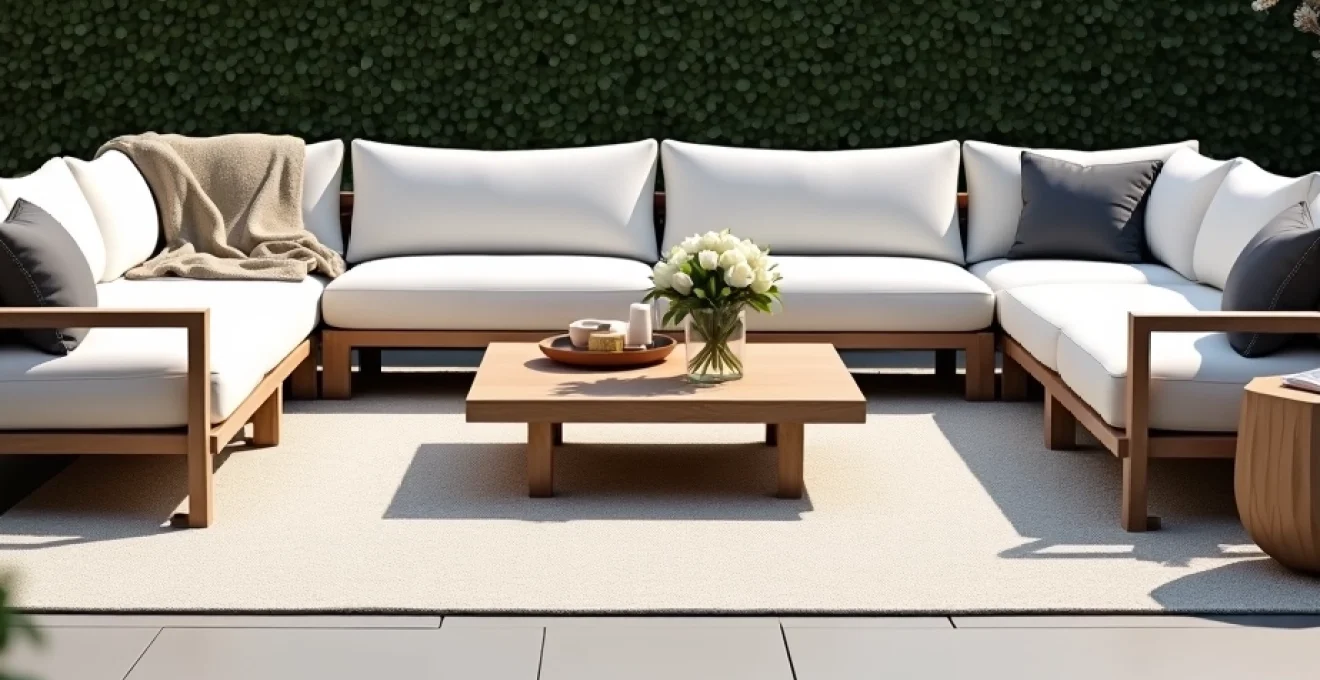
Garden lounges have evolved far beyond simple patio furniture arrangements, transforming into sophisticated outdoor living spaces that rival interior design standards. Modern homeowners increasingly view their outdoor areas as extensions of their homes, demanding the same level of comfort, style, and functionality found indoors. The perfect garden lounge seamlessly blends weather-resistant materials with thoughtful design principles, creating inviting spaces that encourage relaxation and social interaction throughout the seasons.
Creating an exceptional outdoor lounge requires understanding the delicate balance between durability and aesthetics, functionality and style. From selecting appropriate furniture materials to optimising spatial flow, every decision contributes to the overall success of your outdoor sanctuary. The integration of lighting, colour palettes, and maintenance considerations further enhances the longevity and appeal of your garden lounge investment.
Essential furniture components for garden lounge design
The foundation of any exceptional garden lounge lies in carefully selected furniture components that deliver both comfort and durability. Understanding the various elements and their specific requirements ensures your outdoor space functions optimally while maintaining visual appeal across multiple seasons.
Weatherproof seating solutions: rattan, teak, and aluminium framework
Synthetic rattan furniture has emerged as the dominant choice for contemporary garden lounges, offering exceptional weather resistance without sacrificing aesthetic appeal. High-quality polyethylene rattan withstands UV radiation, temperature fluctuations, and moisture exposure while maintaining its appearance for decades. The weaving density and strand thickness significantly impact durability, with 8-12mm round strands providing optimal balance between flexibility and strength.
Teak remains the gold standard for hardwood outdoor furniture, particularly for those seeking natural beauty with minimal maintenance requirements. Grade A teak contains natural oils that repel moisture and resist insect damage, developing an attractive silver patina over time. Properly sourced teak from sustainably managed plantations ensures environmental responsibility while delivering furniture that can last generations with basic care.
Aluminium framework construction offers unmatched durability for those prioritising longevity and low maintenance. Marine-grade aluminium alloys resist corrosion in coastal environments while remaining lightweight enough for easy reconfiguration. The powder-coating process creates a protective barrier that maintains colour integrity and surface smoothness despite exposure to harsh weather conditions.
Modular configuration systems for L-Shaped and corner arrangements
Modular seating systems provide unprecedented flexibility in garden lounge design, allowing homeowners to adapt their furniture arrangements based on entertaining needs or spatial constraints. L-shaped configurations maximise seating capacity while creating intimate conversation areas, particularly effective in corner installations where space optimisation is paramount.
Corner arrangements benefit from asymmetrical designs that accommodate different user preferences within the same seating group. Right-hand and left-hand chaise modules can be combined with central armless sections to create custom configurations that fit specific garden dimensions. The ability to separate modules also facilitates storage during extreme weather conditions or seasonal transitions.
Professional designers recommend maintaining consistent material quality across all modular components to ensure uniform weathering and colour retention throughout the furniture system’s lifespan.
Coffee table proportions and height standards for outdoor entertaining
Coffee table dimensions significantly impact the functionality and visual balance of garden lounge arrangements. Standard outdoor coffee tables measure 16-18 inches in height, positioning them 2-4 inches below typical sofa seat cushions for optimal accessibility. This height differential ensures comfortable reach while maintaining proper sight lines for conversation.
Length considerations depend on seating arrangements, with tables typically measuring 60-75% of the accompanying sofa length. Rectangular tables suit linear seating arrangements, while round or square options work better with curved or corner configurations. Storage functionality adds practical value, with lift-top designs providing weatherproof compartments for cushions, throws, and entertaining accessories.
Cushion fabric technology: sunbrella and Solution-Dyed acrylic performance
Advanced fabric technologies have revolutionised outdoor cushioning, with solution-dyed acrylic fibres leading the market in performance and longevity. Solution-dyed processes integrate colour throughout the fibre structure rather than applying surface treatments, resulting in superior fade resistance and colour retention even under intense UV exposure.
Sunbrella fabrics undergo rigorous testing protocols, including 2,000-hour xenon arc lamp exposure tests that simulate years of natural sunlight. The fabric’s inherent mould and mildew resistance stems from synthetic fibre construction that doesn’t provide nutrients for biological growth. Water repellency treatments further enhance performance by allowing spills and rain to bead on the surface rather than penetrating the fabric structure.
Storage integration through ottoman designs and Built-In compartments
Integrated storage solutions maximise functionality while maintaining clean design lines in garden lounge arrangements. Ottoman designs with lift-top mechanisms provide dual-purpose functionality as both seating and storage, accommodating seasonal cushions, outdoor games, or entertaining supplies. Hydraulic lifting mechanisms ensure smooth operation and prevent moisture infiltration through precise sealing systems.
Built-in compartments within sofa frames offer discrete storage without compromising seating comfort or visual aesthetics. Drainage systems within storage areas prevent water accumulation during heavy rainfall, while ventilation features promote air circulation to prevent mould development in stored items.
Spatial planning and layout optimisation techniques
Effective spatial planning transforms available outdoor areas into functional, inviting environments that encourage regular use and social interaction. Understanding traffic patterns, clearance requirements, and zoning strategies ensures your garden lounge operates efficiently while maximising comfort and accessibility.
Traffic flow patterns and clearance requirements for garden lounges
Traffic flow analysis begins with identifying primary access points and natural movement patterns throughout your outdoor space. Maintain minimum 36-inch clearances between furniture groupings to accommodate wheelchair accessibility and comfortable passage for guests carrying drinks or food items. Wider 48-inch clearances prove beneficial for high-traffic areas or spaces frequently used for entertaining.
Consider sight lines from interior spaces when positioning major furniture pieces, ensuring the garden lounge enhances rather than blocks views from key windows or glass doors. Diagonal furniture arrangements often provide better traffic flow than perpendicular layouts, creating more natural movement patterns while maximising seating capacity within available space.
Zoning strategies: conversation areas versus relaxation zones
Successful garden lounges incorporate distinct zones that serve different functions while maintaining overall design cohesion. Conversation areas benefit from circular or U-shaped arrangements that encourage face-to-face interaction, with seating positioned 6-8 feet apart to facilitate comfortable discussion without shouting. Lower coffee tables and side tables within easy reach support beverages and snacks during social gatherings.
Relaxation zones prioritise individual comfort and tranquillity, featuring reclined seating options, side tables for personal items, and strategic positioning to capture optimal views or natural shade. These areas often incorporate single chairs or chaise lounges positioned to avoid high-traffic pathways while maintaining connection to the broader lounge arrangement.
Design professionals emphasise the importance of creating zones that can serve multiple functions depending on the time of day and specific entertaining requirements.
Scale relationships between furniture and garden boundaries
Proper scale relationships prevent furniture from overwhelming smaller spaces or appearing lost in expansive gardens. Large sectional arrangements require proportional surroundings to maintain visual balance, while compact furniture groupings suit intimate garden corners or balcony installations. The golden ratio of 1:1.618 provides guidance for balancing furniture dimensions with surrounding landscape elements.
Vertical elements such as pergolas, umbrellas, or tall planters help anchor furniture arrangements within their spatial context. These features create visual boundaries that define the lounge area while providing practical benefits such as shade, wind protection, or privacy screening. Layered height variations add visual interest and prevent monotonous horizontal lines that can make spaces feel flat or unengaging.
Microclimate considerations for wind protection and sun exposure
Understanding your garden’s microclimate patterns ensures optimal furniture placement and enhanced user comfort throughout varying weather conditions. Morning sun exposure differs significantly from afternoon patterns, with western exposures typically requiring more robust shade solutions to remain comfortable during peak heat periods. Wind patterns can dramatically affect seating comfort, particularly in elevated or exposed locations.
Natural windbreaks such as established trees, hedging, or architectural features provide effective protection while enhancing the garden’s aesthetic appeal. Artificial screens, pergolas with side panels, or strategically positioned planters offer flexibility in wind management while serving additional functional purposes. Observing seasonal variations in sun angles and wind patterns throughout a full year provides valuable insights for permanent furniture positioning.
Material selection and durability standards
Material selection forms the cornerstone of garden lounge longevity, directly impacting maintenance requirements, aesthetic appeal, and long-term investment value. Understanding the technical specifications and performance characteristics of different materials enables informed decisions that align with your specific climate conditions and usage patterns.
Uv-resistant polymer weaving technologies in synthetic rattan
Advanced polymer formulations in synthetic rattan incorporate UV stabilisers directly into the material structure during manufacturing, providing comprehensive protection against photodegradation. Carbon black additives and hindered amine light stabilisers (HALS) work synergistically to absorb harmful UV radiation while maintaining material flexibility and colour integrity over extended exposure periods.
High-density polyethylene (HDPE) and polypropylene resins form the base materials for premium synthetic rattan, offering superior chemical resistance and dimensional stability compared to lower-grade alternatives. The extrusion process creates consistent wall thickness and strand diameter, ensuring uniform weathering characteristics across the entire furniture piece. Quality manufacturers typically provide 10-15 year warranties on UV stability, indicating confidence in their material formulations.
Grade A teak certification and FSC-Approved hardwood sources
Grade A teak designation requires specific criteria including heartwood-only construction, tight grain patterns, and minimal knot presence. The heartwood contains the highest concentrations of natural preservative oils, providing optimal weather resistance and insect deterrence. Kiln-drying processes reduce moisture content to 12-15%, minimising dimensional changes and preventing splitting or warping during seasonal transitions.
Forest Stewardship Council (FSC) certification ensures teak sourcing from responsibly managed plantations that maintain ecological integrity while supporting local communities. FSC-certified suppliers undergo regular audits to verify compliance with environmental and social standards, providing assurance that your furniture investment supports sustainable forestry practices.
Powder-coated aluminium alloy specifications for frame construction
Marine-grade aluminium alloys, particularly 5000 and 6000 series compositions, provide exceptional corrosion resistance through magnesium and silicon additions that enhance strength while maintaining workability. The powder-coating process begins with electrostatic spray application followed by high-temperature curing that creates a durable, uniform finish resistant to chipping, scratching, and colour degradation.
Wall thickness specifications for outdoor furniture frames typically range from 1.2-2.0mm, balancing structural integrity with weight considerations. Thicker walls provide enhanced durability but increase overall furniture weight, potentially affecting portability and ease of rearrangement. Welded joint construction offers superior strength compared to mechanical fasteners, eliminating potential failure points that could develop over time.
Stainless steel hardware and Marine-Grade fastening systems
Stainless steel hardware selection requires understanding the different grades and their specific applications in outdoor environments. Grade 316 stainless steel provides optimal corrosion resistance through molybdenum additions that enhance performance in chloride-rich environments, making it particularly suitable for coastal installations.
Marine-grade fastening systems incorporate specialised thread designs and protective coatings that maintain integrity despite constant moisture exposure and temperature cycling. Self-draining washer designs prevent water accumulation that could lead to galvanic corrosion when dissimilar metals come into contact. Regular inspection and maintenance of hardware components ensures continued structural integrity and safety.
Industry standards recommend using hardware that exceeds the expected lifespan of the furniture itself, preventing premature failure due to fastener degradation.
Colour palette development and visual cohesion
Colour selection significantly influences the perceived size, temperature, and overall atmosphere of your garden lounge while affecting maintenance requirements and long-term satisfaction with your investment. Understanding colour theory principles and their practical applications in outdoor environments enables confident decision-making that enhances both immediate impact and enduring appeal.
Neutral colour palettes provide timeless appeal and maximum flexibility for seasonal accessory changes, with shades of grey, beige, and cream offering sophisticated foundations that complement natural surroundings. These colours typically exhibit superior fade resistance due to their lower chromatic intensity, maintaining appearance longer than bold or saturated alternatives. Monochromatic schemes using varying tones of the same colour family create cohesive, calming environments that emphasise texture and form over colour contrast.
Earth-tone combinations draw inspiration from natural landscape elements, incorporating warm browns, deep greens, and terracotta shades that harmonise with garden plantings and hardscape materials. These colour choices often age gracefully, developing subtle patinas that enhance rather than detract from overall appearance. The psychological effects of earth tones promote relaxation and connection with nature, supporting the garden lounge’s primary purpose as a peaceful retreat.
Accent colours provide opportunities for personalisation and seasonal variation without requiring major furniture replacement. Cushions, throws, and accessories in complementary or contrasting hues allow experimentation with current colour trends while maintaining investment in core furniture pieces. Consider the 60-30-10 design rule, using neutral tones for 60% of the colour palette, a secondary colour for 30%, and bold accents for the remaining 10% to achieve balanced, visually appealing compositions.
Climate considerations affect colour selection, with lighter shades reflecting heat and maintaining cooler surface temperatures in sunny locations. Darker colours absorb solar radiation, potentially becoming uncomfortably hot during peak summer conditions but providing welcomed warmth during cooler periods. Regional architectural styles and neighbourhood aesthetics may also influence appropriate colour choices, ensuring your garden lounge complements rather than clashes with surrounding environments.
Lighting design integration for evening ambience
Strategic lighting design extends the usability of your garden lounge well beyond daylight hours, creating magical evening atmospheres that transform outdoor spaces into intimate entertainment venues. Layered lighting approaches combine ambient, task, and accent illumination to achieve both functional requirements and aesthetic goals that enhance the overall outdoor living experience.
Ambient lighting establishes the general illumination level and overall mood of your garden lounge, typically achieved through overhead installations such as string lights, lanterns, or recessed fixtures integrated into pergola structures. LED technology offers energy efficiency and longevity while providing consistent light output and colour temperature control. Warm white LEDs (2700-3000K) create cosy, inviting atmospheres that complement evening relaxation, while avoiding the harsh, clinical appearance of cooler colour temperatures.
Task lighting addresses specific functional requirements such as reading, dining, or food preparation areas within your outdoor space. Adjustable table lamps, floor lamps designed for outdoor use, or focused spotlights provide adequate illumination for activities while maintaining comfortable ambient levels in surrounding areas. Battery-powered options offer installation flexibility without requiring electrical infrastructure, though solar charging capabilities ensure sustainable operation.
Accent lighting highlights architectural features, landscape elements, or furniture pieces to create visual interest and depth during evening hours. Up-lighting trees or large planters, illuminating water features, or backlighting translucent screens adds dramatic effects that transform familiar daytime views into spectacular nighttime scenes. Path lighting ensures safe navigation while contributing to the overall lighting composition through careful fixture selection and placement strategies.
Smart lighting systems provide unprecedented control over outdoor illumination, allowing customisation of brightness levels, colour temperatures, and activation schedules through smartphone applications. These systems often include dimming capabilities, colour-changing options, and integration with home automation platforms for seamless operation. Motion sensors and daylight sensors can automate lighting operation while conserving energy and extending fixture lifespans.
Safety considerations require adequate illumination of steps, level changes, and potential obstacles without creating glare that impairs night vision. Shielded fixtures direct light downward while minimising light pollution that affects neighbours or wildlife. Regular maintenance of lighting systems ensures consistent performance and prevents safety hazards from failed bulbs or damaged fixtures.
Maintenance protocols and seasonal care requirements
Comprehensive maintenance strategies preserve the beauty and functionality of your garden lounge investment while preventing costly repairs or premature replacement. Understanding specific care requirements for different materials enables proactive maintenance scheduling that addresses seasonal challenges before they compromise furniture performance or appearance.
Synthetic rattan furniture requires minimal maintenance beyond regular cleaning with mild soap solutions and thorough rinsing to remove accumulated dirt and environmental pollutants. Annual deep
cleaning involves using soft-bristled brushes to access woven crevices where debris accumulates, followed by protective spray applications that maintain UV resistance and water repellency. Avoid pressure washing, which can force water into joints and potentially damage weave patterns or underlying frame structures.
Teak furniture maintenance follows a simple approach that respects the wood’s natural characteristics while preserving its structural integrity. Monthly cleaning with teak-specific cleaners removes surface stains and mildew without stripping natural oils. Annual oiling applications using high-quality teak oil penetrate the wood grain, maintaining moisture balance and enhancing natural colour retention. Alternatively, allowing teak to weather naturally develops an attractive silver-grey patina that requires minimal intervention beyond basic cleaning.
Aluminium framework maintenance focuses on preventing corrosion initiation and maintaining powder-coat integrity through regular inspection and prompt attention to any surface damage. Quarterly washing with pH-neutral cleaners removes salt deposits and environmental pollutants that could compromise protective coatings. Touch-up paint applications address minor scratches or chips before underlying metal exposure leads to corrosion propagation.
Cushion and fabric care requires different approaches based on material composition and construction methods. Solution-dyed acrylic fabrics benefit from monthly cleaning with mild detergent solutions, thorough rinsing, and complete air-drying before storage. Machine washing capabilities vary by manufacturer, with some fabrics requiring professional cleaning to maintain warranty coverage. Regular rotation of cushions ensures even wear patterns and prevents permanent indentations from developing in high-use areas.
Seasonal storage protocols protect furniture investments during extreme weather conditions or extended periods of non-use. Cushions and fabric accessories require dry, ventilated storage areas that prevent mould development while maintaining fabric properties. Furniture covers provide protection for pieces that remain outdoors year-round, with breathable materials preventing moisture accumulation beneath covers that could promote corrosion or fabric deterioration.
Professional maintenance services offer deep cleaning, refinishing, and repair capabilities that extend furniture lifespans significantly beyond typical DIY care approaches, particularly for premium hardwood and complex modular systems.
Winter preparation involves comprehensive cleaning, lubrication of moving parts, and application of protective treatments that safeguard against freeze-thaw cycles and moisture infiltration. Drainage considerations become critical, ensuring water cannot accumulate in framework joints or storage compartments where freezing could cause structural damage. Covering or storing lightweight pieces prevents wind damage during severe weather events.
Spring activation protocols reverse winter preparations through systematic inspection, cleaning, and functionality testing of all components. Hardware tightening addresses any loosening that may have occurred during temperature cycling, while joint lubrication ensures smooth operation of adjustable features. This seasonal transition provides opportunities for minor repairs or replacements before peak usage periods begin.
Regular maintenance scheduling prevents small issues from developing into costly problems while maintaining optimal appearance and functionality throughout your garden lounge’s service life. Weekly visual inspections identify developing problems early, while monthly cleaning prevents accumulation of damaging substances. Annual professional assessments provide expert evaluation of structural integrity and performance characteristics, ensuring continued safety and satisfaction with your outdoor investment.