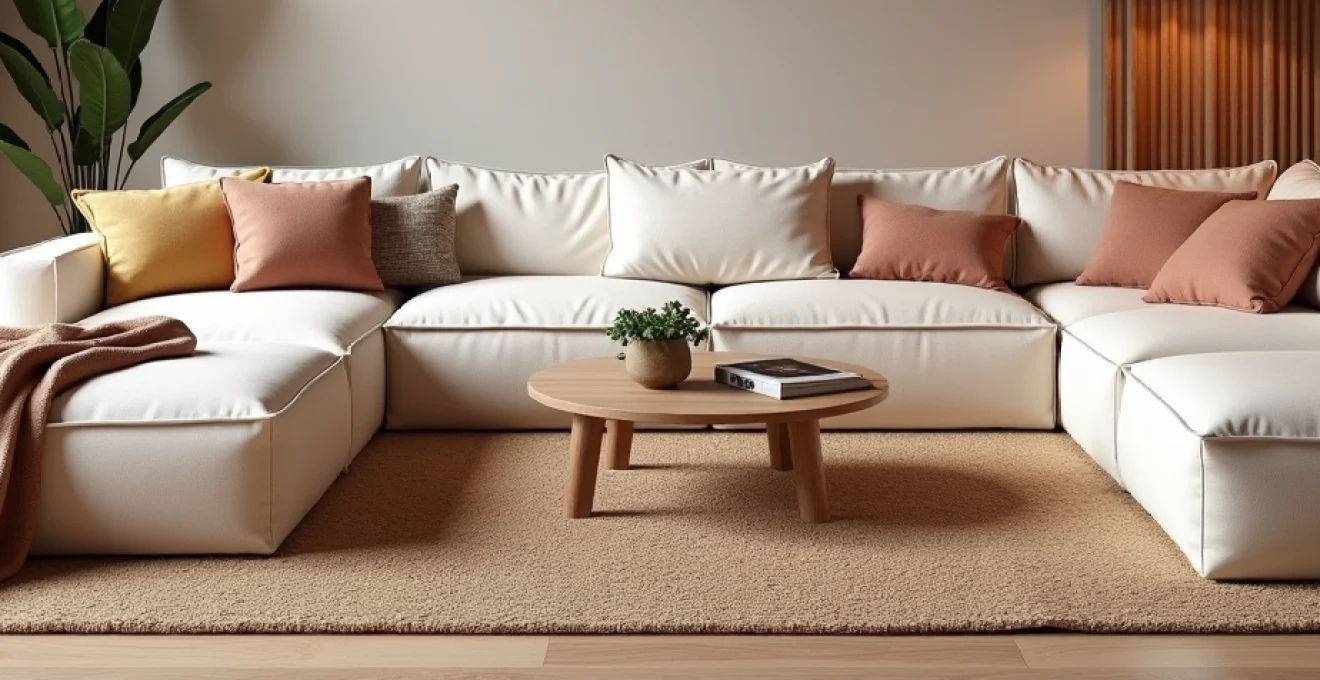
The versatile fouta has transcended its traditional role as a hammam towel to become one of the most innovative decorative elements in contemporary interior design. This Mediterranean textile, with its distinctive honeycomb weave and elegant tasseled edges, offers homeowners an affordable yet sophisticated approach to room transformation. Beyond their practical absorbent qualities, these handwoven cotton fabrics bring authentic artisanal character to any space whilst maintaining the flexibility to adapt to changing seasonal aesthetics.
What makes foutas particularly compelling for home decoration is their unique combination of functionality and visual appeal . Unlike conventional decorative textiles that serve purely aesthetic purposes, foutas maintain their practical utility whilst enhancing interior design schemes. Their lightweight construction and quick-drying properties make them ideal for year-round use, whilst their diverse patterns—from classic stripes to intricate herringbone weaves—complement both minimalist and maximalist design approaches.
Transforming living room aesthetics with strategic fouta placement techniques
The living room presents numerous opportunities for creative fouta integration, with each application offering distinct visual and functional benefits. Strategic placement of these textiles can dramatically alter room dynamics, creating focal points whilst maintaining practical accessibility. Professional interior designers increasingly recognise foutas as cost-effective alternatives to expensive throws and wall hangings, particularly when seeking to achieve Mediterranean or bohemian aesthetics without substantial budget commitments.
Sofa draping methods using Large-Format tunisian cotton foutas
Large-format foutas excel as sophisticated sofa throws, offering superior draping qualities compared to conventional blankets. Their generous dimensions—typically measuring 100cm by 200cm—provide complete coverage for standard three-seater sofas whilst creating elegant cascading effects. The key lies in asymmetrical draping techniques that highlight the fouta’s natural texture and fringe detailing. Position the fouta diagonally across the sofa, allowing one corner to puddle naturally on the floor whilst securing the opposite corner behind cushions.
Layering multiple foutas creates depth and visual interest, particularly when combining complementary colour palettes or contrasting weave patterns. A herringbone fouta paired with a classic striped design generates sophisticated texture interplay without overwhelming smaller living spaces. This approach proves especially effective in rental properties where permanent decorative changes aren’t permitted, as foutas can be easily repositioned or removed without leaving marks or damage.
Coffee table styling with folded fouta layers and texture contrasts
Coffee table styling benefits enormously from fouta incorporation, with folded textiles serving as dynamic tablecloth alternatives. Rather than traditional flat placement, accordion-style folding creates dimensional interest whilst protecting furniture surfaces from scratches and water rings. The technique involves folding the fouta lengthwise into thirds, then positioning it diagonally across the table surface to create natural corner drapes.
Texture contrast becomes paramount when selecting foutas for coffee table applications. Smooth glass or metal surfaces benefit from the organic irregularity of handwoven cotton, whilst wooden tables require more subtle integration to avoid competing textures. Consider seasonal rotations: lightweight linen-cotton blends for summer styling, transitioning to heavier cotton weaves during autumn and winter months. This approach maintains visual freshness whilst demonstrating sophisticated understanding of seasonal interior design principles.
Wall-mounted fouta display systems for vertical interior design
Wall-mounted fouta displays transform empty vertical surfaces into captivating focal points, particularly effective in spaces lacking architectural features. Professional mounting systems utilise discrete wooden battens or contemporary metal rods to create gallery-style presentations. The key advantage lies in foutas’ ability to soften harsh wall angles whilst introducing colour and pattern without permanent structural modifications.
Grouping multiple foutas creates impressive statement walls, with careful consideration required for scale and proportion relationships. Three medium-sized foutas arranged in ascending height order generates dynamic visual flow, whilst maintaining colour harmony through shared tonal elements. This technique proves particularly valuable in open-plan living spaces where room definition becomes challenging, as mounted foutas can effectively delineate different functional zones without obstructing sight lines or natural light flow.
Floor cushion arrangements using Multi-Coloured fouta collections
Floor seating arrangements benefit significantly from fouta integration, with these textiles serving multiple functional roles simultaneously. Large foutas function as comfortable floor rugs, providing cushioning for meditation corners or casual seating areas, whilst smaller versions create individual cushion covers or throw pillow alternatives. The versatility allows for dynamic rearrangement based on social requirements or seasonal preferences.
Colour coordination becomes crucial when developing multi-fouta floor arrangements. Professional designers recommend establishing a primary colour anchor—such as deep navy or warm terracotta—then introducing complementary shades through secondary and accent foutas. This approach ensures visual cohesion whilst maintaining sufficient variety to prevent monotony. Natural fibre textures harmonise particularly well with wooden flooring, creating organic aesthetic connections that enhance overall room atmosphere.
Bedroom transformation through innovative fouta textile applications
Bedroom environments benefit from foutas’ inherent softness and natural breathability, qualities that align perfectly with restful atmosphere requirements. These textiles excel in creating layered bedding compositions whilst maintaining temperature regulation throughout seasonal transitions. The bedroom context allows for more intimate fouta applications, where tactile qualities become as important as visual appeal. Professional sleep consultants increasingly recognise natural cotton textiles’ contribution to improved sleep quality, making foutas both aesthetic and wellness investments.
Headboard alternative solutions using suspended fouta panels
Suspended fouta panels offer elegant headboard alternatives, particularly valuable in rental accommodation where permanent fixture installation isn’t permitted. The technique involves mounting ceiling-fixed rails or discrete wall brackets to support large-format foutas, creating dramatic backdrop effects without structural modifications. This approach proves especially effective with geometric pattern foutas , where repetitive motifs generate visual rhythm and focal point definition.
Installation considerations include ceiling height relationships and natural light interactions. Higher ceilings accommodate longer fouta panels that can extend from ceiling to floor, creating impressive vertical emphasis. Lower ceilings require careful proportion management, with fouta panels typically extending 60-80cm behind bed positioning. Colour selection impacts spatial perception significantly: lighter shades expand apparent room dimensions, whilst deeper tones create intimate, cocoon-like atmospheres ideal for restful sleep environments.
Window treatment systems with lightweight turkish cotton foutas
Window treatments utilising foutas provide excellent privacy solutions whilst maintaining natural light penetration. Their semi-transparent weave structure filters harsh sunlight effectively, creating soft, diffused illumination throughout the day. Standard curtain rod systems accommodate foutas easily, with simple hem modifications or clip-ring attachments providing secure hanging solutions that preserve textile integrity.
Seasonal adaptability represents a significant advantage of fouta window treatments. Summer installations can utilise single-layer applications for maximum light transmission and airflow, whilst winter arrangements benefit from double-layer configurations that enhance insulation properties. The lightweight nature ensures minimal stress on existing curtain hardware, making this approach suitable for older properties with potentially fragile fixture systems. Striped fouta patterns work particularly well for window applications, as vertical orientation emphasises ceiling height whilst horizontal patterns can visually expand narrow window proportions.
Bedding layering techniques incorporating striped hamman textiles
Bedding layering with foutas creates sophisticated sleep environments that adapt easily to temperature fluctuations. These textiles function excellently as intermediate layers between sheets and heavier blankets, providing breathable warmth without the weight associated with traditional wool or synthetic alternatives. The technique involves positioning foutas over bottom sheets but beneath top sheets, creating accessible temperature regulation that doesn’t require complete bedding rearrangement.
Pattern mixing becomes an art form when incorporating striped hammam textiles into existing bedding schemes. Professional stylists recommend maintaining consistent colour families whilst varying stripe widths and orientations to prevent visual confusion. A fine-striped fouta paired with solid-colour sheets and a broader-striped duvet cover creates layered interest without overwhelming the sleep space. This approach proves particularly effective in guest bedrooms, where adaptability to different temperature preferences becomes essential for visitor comfort.
Wardrobe organisation methods using fouta compartment dividers
Wardrobe organisation benefits from fouta applications as soft compartment dividers and seasonal storage solutions. Their natural cotton composition protects clothing fibres from dust accumulation whilst allowing adequate air circulation to prevent mustiness. Folded foutas create excellent shelf dividers for seasonal clothing rotation, with their lightweight nature facilitating easy rearrangement as storage requirements evolve throughout the year.
Colour-coding systems utilise different fouta colours to identify specific clothing categories or seasonal collections. This approach proves particularly valuable for extensive wardrobes where quick identification becomes important for daily routine efficiency. Natural cotton’s moth-repelling properties provide additional protection for delicate garments, making foutas excellent alternatives to synthetic storage solutions that may transfer chemical odours to clothing items.
Kitchen and dining space enhancement with functional fouta integration
Kitchen and dining environments present unique opportunities for fouta integration, where functionality must balance with aesthetic appeal. These spaces demand textiles that can withstand frequent washing whilst maintaining visual attractiveness throughout daily use cycles. Foutas excel in these requirements, offering superior absorbency for practical applications whilst bringing Mediterranean warmth to potentially sterile kitchen environments. Their quick-drying properties prove invaluable in humid kitchen conditions, preventing bacterial growth associated with prolonged dampness in conventional terry towels.
Dining space applications range from elegant table runners to chair back accents that soften formal furniture lines. The versatility allows for rapid transformation between casual family meals and formal entertaining situations. Professional chefs appreciate foutas’ lint-free properties, which prevent fabric particles from contaminating food preparation surfaces—a significant advantage over conventional kitchen textiles.
The natural cotton fibres possess inherent antibacterial properties that contribute to kitchen hygiene whilst maintaining the aesthetic appeal essential for open-plan living spaces.
Seasonal dining themes become easily achievable through strategic fouta selection and placement. Spring settings benefit from fresh pastel combinations, whilst autumn arrangements can incorporate deeper earth tones that complement seasonal produce displays. The cost-effectiveness allows for extensive colour collections without significant financial investment, enabling dynamic seasonal rotations that maintain visual interest throughout the year. Storage requirements remain minimal due to foutas’ compact folding capabilities, making them ideal for smaller kitchens with limited storage space.
Bathroom spa aesthetics through mediterranean fouta styling
Bathroom environments benefit enormously from fouta integration, particularly when pursuing spa-like atmospheres that promote relaxation and wellness. These textiles bring authentic Mediterranean character to modern bathroom designs whilst providing superior functional performance compared to conventional terry toweling. The natural cotton composition ensures excellent moisture absorption without the bulk associated with traditional bath towels, creating cleaner aesthetic lines whilst maintaining practical effectiveness.
Spa aesthetics rely heavily on texture layering and natural material integration, areas where foutas excel due to their handwoven construction and organic cotton composition. Professional spa designers utilise foutas to create visual warmth that counterbalances potentially cold tile and ceramic surfaces common in bathroom environments. The technique involves strategic placement on heated towel rails, bathroom benches, and wall-mounted hooks to create accessible luxury throughout the space.
Colour psychology plays crucial roles in bathroom fouta selection, with specific hues promoting different emotional responses essential for wellness environments. Soft blues and greens encourage relaxation and stress reduction, whilst warm earth tones create grounding sensations that enhance meditation and mindfulness practices. The ability to coordinate multiple foutas within cohesive colour schemes allows for sophisticated design development without requiring extensive renovation or expensive fixture replacements.
Maintenance considerations become paramount in bathroom applications, where frequent washing and high humidity exposure test textile durability. Foutas’ natural cotton construction withstands repeated wash cycles without significant deterioration, whilst their quick-drying properties prevent mildew formation common with heavier bath textiles. This durability makes them excellent long-term investments for bathroom styling, maintaining appearance and functionality throughout extended use periods whilst requiring minimal special care or professional cleaning services.
Outdoor living area decoration using Weather-Resistant fouta materials
Outdoor living spaces present exciting opportunities for fouta integration, where weather resistance and visual appeal must coexist successfully. Modern foutas utilise specially treated cotton fibres that resist fading and moisture damage whilst maintaining their characteristic softness and draping qualities. These advances make them excellent alternatives to synthetic outdoor textiles that often lack the aesthetic sophistication required for premium outdoor entertaining areas.
The lightweight nature proves particularly valuable for outdoor applications where textiles require frequent repositioning or storage during adverse weather conditions. Unlike heavy outdoor cushions or blankets that require assistance for movement, foutas can be easily relocated by single individuals, making them practical choices for dynamic outdoor living arrangements. Their compact folding capabilities ensure efficient storage in garden sheds or garages between seasonal use periods.
Patio furniture protection with Quick-Dry cotton fouta covers
Patio furniture protection utilising foutas offers elegant alternatives to conventional plastic covers that detract from outdoor aesthetic appeal. The breathable cotton construction prevents condensation buildup that can damage furniture finishes, whilst providing adequate protection from light precipitation and UV exposure. This approach proves particularly effective for teak or other natural wood furnishings where ventilation becomes crucial for preventing rot and discoloration.
Custom fitting techniques involve measuring furniture dimensions carefully to ensure adequate coverage whilst maintaining secure positioning during windy conditions. Professional outdoor designers recommend adding weights or clips to fouta corners for enhanced stability, though these additions should complement rather than detract from overall aesthetic appeal. Neutral colour selections tend to work best for furniture protection applications, as they coordinate with diverse outdoor décor schemes whilst showing minimal soiling during extended use periods.
Garden pergola styling using Moroccan-Inspired hanging textiles
Garden pergolas benefit significantly from fouta integration, where hanging textiles create intimate outdoor rooms whilst maintaining connection with natural surroundings. Moroccan-inspired patterns and colours complement garden plantings beautifully, creating cohesive design schemes that feel intentional rather than afterthought additions. The technique involves strategic suspension points that allow for natural movement whilst preventing excessive flapping during windy conditions.
Installation considerations include weight distribution and weather exposure factors that affect longevity and safety. Professional installation typically involves stainless steel or galvanised hardware that resists corrosion whilst providing secure attachment points. Seasonal removal becomes advisable in climates experiencing severe winter weather, though the lightweight nature makes this process significantly easier than alternative shade solutions requiring mechanical assistance or professional removal services.
Poolside cabana creation with UV-Resistant fouta panels
Poolside cabana creation utilising UV-resistant fouta panels provides sophisticated shade solutions that complement rather than compete with swimming pool aesthetics. Modern treatment processes enhance natural cotton’s UV resistance significantly, extending colour fastness and fabric integrity throughout extended sun exposure periods. This advancement makes foutas viable alternatives to synthetic awning materials that often clash with natural landscape designs.
Ventilation considerations become crucial for poolside applications where air circulation prevents overheating whilst maintaining adequate shade coverage. Strategic panel positioning allows for natural breeze penetration whilst blocking direct sunlight during peak intensity periods. The technique proves particularly effective when combined with existing pergola structures, where foutas can provide adjustable shade coverage that adapts to changing sun angles throughout the day.
Professional poolside designers increasingly specify foutas for luxury residential projects where aesthetic sophistication and functional performance must coexist seamlessly.
Seasonal fouta rotation strategies for Year-Round interior flexibility
Seasonal rotation strategies maximise foutas’ decorative potential whilst maintaining fresh interior aesthetics throughout the year. This approach recognises that different seasons demand varying colour palettes, textures, and atmospheric qualities that can be achieved through strategic textile rotation rather than expensive furniture replacement or major renovation projects. Professional interior designers increasingly recommend building comprehensive fouta collections that support seasonal transitions whilst maintaining core aesthetic principles.
Storage solutions become crucial for successful rotation strategies, with proper folding techniques and climate-controlled environments protecting investment quality foutas between use periods. Cedar storage boxes or breathable cotton storage bags prevent moth damage whilst allowing air circulation that prevents mustiness. Labeling systems help identify specific foutas for particular seasons or rooms, streamlining rotation processes whilst preventing confusion during busy seasonal transition periods.
Colour psychology influences seasonal selections significantly, with specific hues promoting emotional responses appropriate to different times of year. Spring rotations typically emphasise fresh pastels and bright whites that reflect increased daylight hours, whilst autumn collections incorporate warmer earth tones that complement shortened days and increased indoor lighting requirements. Winter selections often feature deeper, richer colours that create cocooning effects essential for comfort during cold weather periods.
The economic advantages of seasonal fouta rotation compare favourably with alternative interior refresh strategies. Rather than purchasing completely new decorative accessories each season, comprehensive fouta collections allow for dramatic aesthetic changes at fraction of the cost associated with new artwork, throw pillows, or decorative objects. This approach proves particularly valuable for young professionals or growing families where budget consciousness remains important whilst maintaining sophisticated interior design standards throughout the home environment.