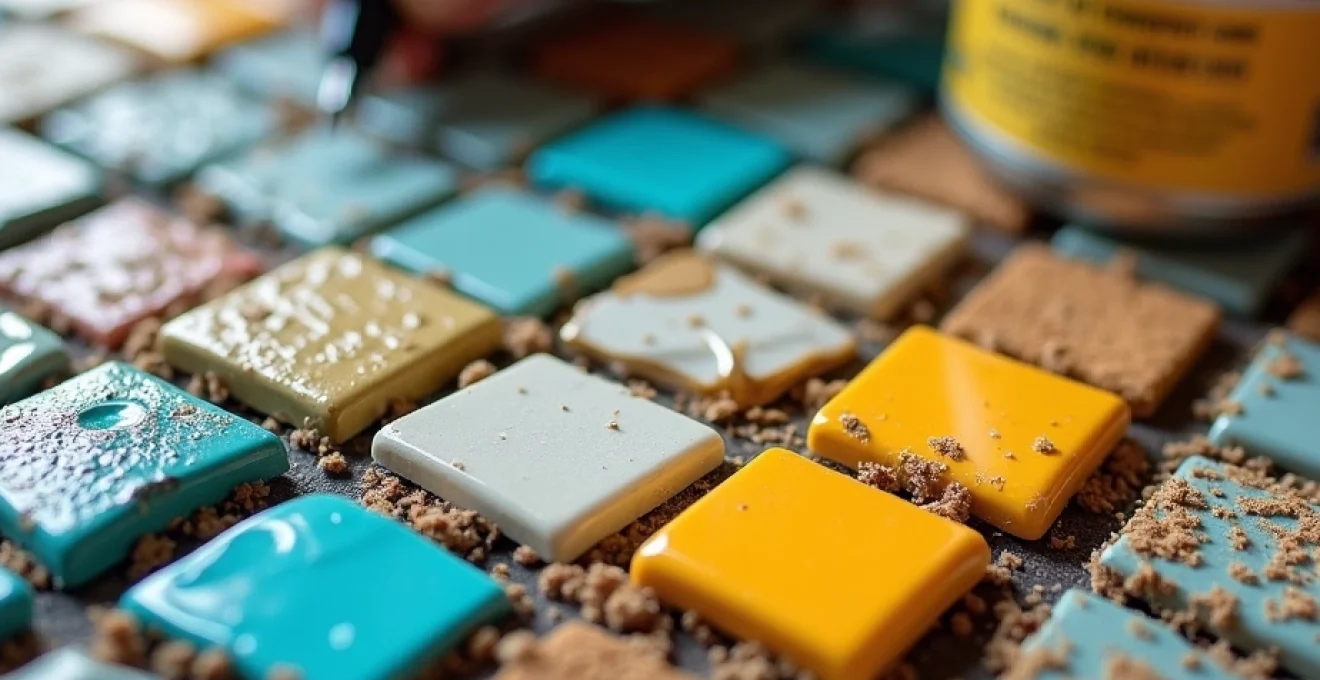
Transforming surplus ceramic, porcelain, or natural stone tiles into functional decorative coasters represents both an environmentally conscious approach to home improvement waste and a creative opportunity for personalised home décor. The construction industry generates approximately 32% of all UK landfill waste annually, making tile recycling projects particularly valuable for reducing environmental impact whilst creating bespoke household accessories.
Professional-grade coaster production from recycled tiles requires careful attention to substrate selection, surface preparation, and protective finishing techniques. Unlike mass-produced alternatives, handcrafted tile coasters offer superior durability, heat resistance, and moisture protection when constructed using appropriate materials and methods. The process combines traditional craftsmanship with modern protective coating technologies to achieve results that rival commercial products whilst maintaining unique aesthetic appeal.
Understanding the technical requirements for optimal coaster performance ensures your recycled tiles provide years of reliable service whilst protecting valuable furniture surfaces. The following comprehensive approach covers essential selection criteria, preparation techniques, and finishing methods that guarantee professional results from your tile upcycling project.
Essential tile selection criteria for optimal coaster performance
Successful coaster construction begins with identifying tiles that possess the necessary physical properties to withstand repeated exposure to moisture, temperature fluctuations, and mechanical stress. Not every leftover tile provides suitable characteristics for coaster applications, making informed selection critical for project success.
Porcelain tile durability assessment for heat resistance
Porcelain tiles demonstrate superior performance characteristics for coaster applications due to their low water absorption rates, typically below 0.5%, and exceptional thermal stability. These properties result from high-temperature firing processes that create vitrified ceramic bodies capable of withstanding temperature differentials exceeding 150°C without structural damage or surface crazing.
When evaluating porcelain tiles for coaster construction, examine the surface finish quality and edge consistency. Full-body porcelain varieties offer enhanced durability compared to glazed alternatives, as the colour and pattern extend throughout the tile thickness rather than existing solely as surface treatments. This characteristic proves particularly valuable for coasters that may experience edge wear over time.
Ceramic glazing types and moisture absorption rates
Traditional ceramic tiles require careful evaluation of their glazing system and absorption characteristics before conversion to coaster applications. Low-fire earthenware ceramics demonstrate higher porosity levels, typically ranging from 10-20% water absorption, necessitating comprehensive sealing to prevent moisture penetration and potential staining from beverages.
High-quality ceramic glazes create impervious surface barriers that effectively resist liquid penetration and staining. However, micro-cracks in glazed surfaces can compromise this protection, particularly in tiles that have experienced thermal cycling or mechanical stress during removal from previous installations. Inspect potential ceramic candidates under magnification to identify glazing defects before proceeding with coaster conversion.
Natural stone tile porosity testing for beverage compatibility
Natural stone tiles, including marble, limestone, and travertine varieties, present unique challenges for coaster applications due to their inherent porosity and chemical reactivity. These materials require comprehensive testing to determine their suitability for beverage contact applications, particularly when considering acidic liquids such as citrus juices or wine.
Perform simple absorption testing by placing water droplets on potential stone candidates and monitoring penetration rates. Stones that absorb water within 30 seconds typically require extensive sealing treatments to achieve adequate moisture resistance. Granite and engineered quartz alternatives demonstrate superior performance characteristics, offering natural resistance to staining and acidic attack whilst maintaining attractive surface aesthetics.
Mosaic tile fragment size requirements for stable coaster base
Mosaic tile fragments require careful evaluation of size consistency and edge quality to ensure stable coaster construction. Fragments measuring less than 50mm on any side may lack sufficient surface area for effective beverage containment, whilst irregular shapes can create instability on furniture surfaces.
Consider combining smaller mosaic pieces to create larger composite coasters through strategic arrangement and adhesive bonding. This approach allows creative pattern development whilst maintaining functional surface dimensions. Ensure individual fragments demonstrate consistent thickness to prevent rocking or instability in the finished product.
Professional surface preparation techniques for recycled tiles
Thorough surface preparation forms the foundation for successful coaster conversion, ensuring optimal adhesion of decorative elements and protective coatings. Professional preparation techniques address contamination removal, surface texture enhancement, and edge finishing requirements that determine final product quality and longevity.
Diamond blade wet cutting methods for precise edge finishing
Precision edge finishing using diamond blade wet cutting techniques ensures clean, chip-free edges that contribute to professional appearance and user safety. Standard construction-grade diamond blades with continuous rim designs provide optimal results for ceramic and natural stone materials, minimising chipping whilst maintaining cutting efficiency.
Maintain consistent cutting speeds between 3000-4000 surface feet per minute to prevent blade glazing whilst ensuring adequate cooling water flow rates of approximately 0.5 litres per minute. Continuous water application prevents dust generation, reduces blade wear, and eliminates thermal damage that could compromise tile integrity. Support tiles adequately during cutting operations to prevent vibration-induced chipping or cracking.
Adhesive residue removal using Citrus-Based solvents
Construction adhesive residues frequently contaminate recycled tiles, requiring effective removal techniques that preserve substrate integrity whilst eliminating bonding interference. Citrus-based solvents, particularly d-limonene formulations, provide effective dissolution of polymer-based adhesives without damaging ceramic or stone surfaces.
Apply citrus solvents using saturated cloth application methods, allowing 15-20 minutes contact time for polymer softening before mechanical removal using plastic scrapers. This approach prevents surface scratching whilst ensuring complete residue elimination. Follow solvent treatment with thorough degreasing using isopropyl alcohol to remove any remaining organic contamination that could interfere with subsequent coating adhesion.
Surface roughening with 220-grit sandpaper for enhanced bonding
Mechanical surface roughening creates microscopic texture that significantly improves adhesive bonding strength for decorative elements and protective coatings. 220-grit aluminium oxide abrasives provide optimal surface texture without excessive material removal or visible scratching on most tile surfaces.
Employ circular sanding motions with moderate pressure to create uniform surface texture across the entire coaster area. This technique proves particularly important for glazed surfaces that naturally resist adhesive bonding. Clean sanded surfaces thoroughly using compressed air followed by solvent wiping to remove abrasive particles and ensure optimal coating adhesion.
Grout line cleaning with carbide scrapers and detail tools
Residual grout contamination requires careful removal using appropriate tools and techniques to preserve tile edges whilst ensuring complete cleaning. Tungsten carbide scrapers provide effective grout removal without damaging ceramic or stone surfaces, particularly when used with proper angle control and moderate pressure application.
Supplement mechanical scraping with detail brushes and specialised grout removal tools for accessing narrow spaces and complex surface geometries. Ultrasonic cleaning baths offer superior results for heavily contaminated tiles, providing thorough cleaning without mechanical damage risks. This investment proves worthwhile for large-scale coaster production projects.
Advanced protective coating applications for custom coasters
Professional protective coating systems transform recycled tiles into durable, water-resistant coasters capable of withstanding years of regular use whilst maintaining attractive appearance. Advanced coating technologies provide superior performance compared to traditional finishing methods, offering enhanced durability and easier maintenance requirements.
Polyurethane clear coat application using HVLP spray systems
High-volume, low-pressure spray application of polyurethane clear coats delivers superior finish quality compared to brush or roller applications, ensuring uniform coating thickness and eliminating brush marks or texture irregularities. Professional HVLP systems operating at 10-15 PSI provide optimal atomisation whilst minimising overspray and material waste.
Water-based polyurethane formulations offer reduced odour and faster curing times compared to solvent-based alternatives whilst maintaining excellent durability characteristics. Apply multiple thin coats rather than single thick applications to prevent runs, sags, or bubble formation. Three coats of 2-3 mil thickness each provide optimal protection for coaster applications whilst maintaining attractive gloss levels.
Epoxy resin finishing techniques for High-Gloss protection
Two-part epoxy resin systems create exceptionally durable, chemical-resistant surfaces ideal for beverage coaster applications. These systems cure to form cross-linked polymer networks that demonstrate superior resistance to heat, moisture, and chemical attack compared to traditional coating alternatives.
Temperature control during application proves critical for achieving optimal results, with ambient temperatures between 18-24°C providing ideal curing conditions. Mix epoxy components thoroughly according to manufacturer specifications, typically maintaining 2:1 resin-to-hardener ratios for standard formulations. Bubble elimination techniques using heat guns or torch applications require careful temperature control to prevent substrate damage whilst ensuring smooth surface finishes.
Acrylic sealer penetration rates for porous tile substrates
Acrylic penetrating sealers provide essential moisture protection for porous natural stone and ceramic substrates, creating invisible barriers that prevent liquid absorption whilst maintaining natural surface appearance. Penetration rates vary significantly between different substrate types, requiring careful application timing and coverage calculations.
Limestone and travertine typically absorb acrylic sealers at rates exceeding 100ml per square metre, whilst denser materials such as granite require minimal sealer quantities. Monitor surface absorption during application, reapplying sealer to areas that demonstrate rapid absorption until substrate saturation occurs. This ensures uniform protection across the entire coaster surface.
Uv-resistant topcoat selection for outdoor coaster applications
Outdoor coaster applications require specialised UV-resistant topcoat systems that prevent photodegradation whilst maintaining optical clarity and surface durability. Aliphatic polyurethane and acrylic polyol formulations demonstrate superior UV stability compared to aromatic alternatives, maintaining colour and gloss retention for extended periods.
HALS (Hindered Amine Light Stabilisers) and UV absorber additives provide additional protection against photodegradation, particularly important for outdoor applications exposed to direct sunlight. These additives function synergistically to intercept harmful UV radiation whilst stabilising polymer chains against oxidative degradation processes.
Cork and felt backing installation methods for Non-Slip performance
Professional backing installation ensures coaster stability whilst protecting delicate furniture surfaces from scratching or marking. Material selection and installation techniques significantly impact user experience and product longevity, making careful consideration essential for optimal results.
Natural cork backing materials provide excellent grip characteristics whilst offering superior compression resistance compared to synthetic alternatives. Dense cork sheets measuring 3-5mm thickness offer optimal performance, providing adequate cushioning whilst maintaining dimensional stability under load. Adhesive-backed cork products simplify installation whilst ensuring reliable bonding strength.
High-quality felt materials demonstrate superior surface protection characteristics, particularly on polished wood and delicate finishes. Wool felt varieties offer enhanced durability compared to synthetic alternatives, maintaining their protective properties through repeated use and cleaning cycles. Consider felt thickness carefully, as excessive thickness can create instability whilst insufficient thickness provides inadequate protection.
The key to successful backing installation lies in achieving complete adhesive coverage without air bubbles or wrinkles that could compromise performance or appearance.
Apply backing materials using contact cement or pressure-sensitive adhesives specifically formulated for porous substrate bonding. Ensure complete coverage across the entire tile backing surface, paying particular attention to edge areas where lifting typically initiates. Use appropriate pressure application techniques, such as roller or press applications, to achieve optimal bonding strength.
Decorative enhancement techniques using metallic leafing and paint pens
Advanced decorative techniques transform basic recycled tiles into sophisticated design elements that complement contemporary interior aesthetics whilst maintaining functional performance requirements. Professional finishing methods create unique personalisation opportunities that distinguish handcrafted coasters from mass-produced alternatives.
Metallic leafing applications require careful surface preparation and specialised adhesive systems to achieve professional results. Traditional gold leaf techniques utilise size adhesives with specific tack timing requirements, typically 15-30 minutes depending on ambient conditions. Apply leaf materials using soft brush techniques, ensuring complete coverage whilst avoiding excessive handling that could damage delicate metal films.
Acrylic paint pen applications offer versatile design possibilities whilst maintaining excellent durability when properly sealed beneath protective topcoats. High-quality paint pen formulations demonstrate superior opacity and colour stability compared to basic alternatives, ensuring long-term appearance retention. Practice design techniques on test substrates before final application to perfect technique and ensure desired aesthetic results.
Stencil applications provide consistent pattern reproduction across multiple coasters whilst maintaining professional appearance standards. Laser-cut stencils offer superior edge definition compared to hand-cut alternatives, ensuring crisp design lines and preventing paint bleeding. Secure stencils adequately during application to prevent shifting that could compromise design accuracy.
Professional decorative finishing techniques require patience and attention to detail, but the results justify the additional effort through superior aesthetic appeal and enhanced perceived value.
Consider combining multiple decorative techniques to create unique design combinations that reflect personal aesthetic preferences whilst maintaining functional performance requirements. Layered applications using different materials and techniques often produce the most visually interesting results, though each additional layer must be properly sealed and protected to ensure durability.
Quality control testing protocols for handcrafted tile coasters
Comprehensive quality control testing ensures finished coasters meet performance standards for durability, moisture resistance, and user safety before entering service. Systematic testing protocols identify potential failures before they occur, preventing damage to valuable furniture and ensuring user satisfaction with handcrafted products.
Thermal shock testing evaluates coaster performance under realistic use conditions, simulating temperature differentials encountered during typical beverage service. Place test coasters in freezer environments for minimum two hours before immediately placing vessels containing liquids at 80°C to simulate extreme use conditions. Quality coasters should demonstrate no cracking, delamination, or coating failure under these conditions.
Moisture resistance evaluation requires extended immersion testing to verify sealing effectiveness and identify potential penetration pathways. Submerge test specimens in water for 24-48 hours before evaluating weight gain, surface changes, or coating adhesion failure. Weight increases exceeding 5% typically indicate inadequate sealing that requires remedial treatment.
Abrasion resistance testing using standardised methods provides quantitative durability assessment for coating systems and surface treatments. Taber abraser testing or similar mechanical evaluation methods generate wear data that predicts long-term performance under normal use conditions. This information proves valuable for material selection and process optimisation decisions.
Systematic quality control testing distinguishes professional craftsmanship from amateur attempts, ensuring customer satisfaction and product reliability over extended service periods.
Surface hardness evaluation using pencil hardness testing or similar standardised methods provides additional durability assessment data. Coating systems achieving minimum 2H pencil hardness typically demonstrate adequate scratch resistance for coaster applications whilst maintaining attractive surface appearance through extended use periods. Higher hardness values indicate superior performance potential though may sacrifice flexibility characteristics.
Chemical resistance testing using common household substances evaluates coating performance against realistic contamination scenarios. Test solutions should include coffee, tea, red wine, citrus juices, and cleaning products to simulate typical exposure conditions. Monitor test specimens for staining, etching, or coating degradation over 24-hour exposure periods to ensure adequate protection levels.