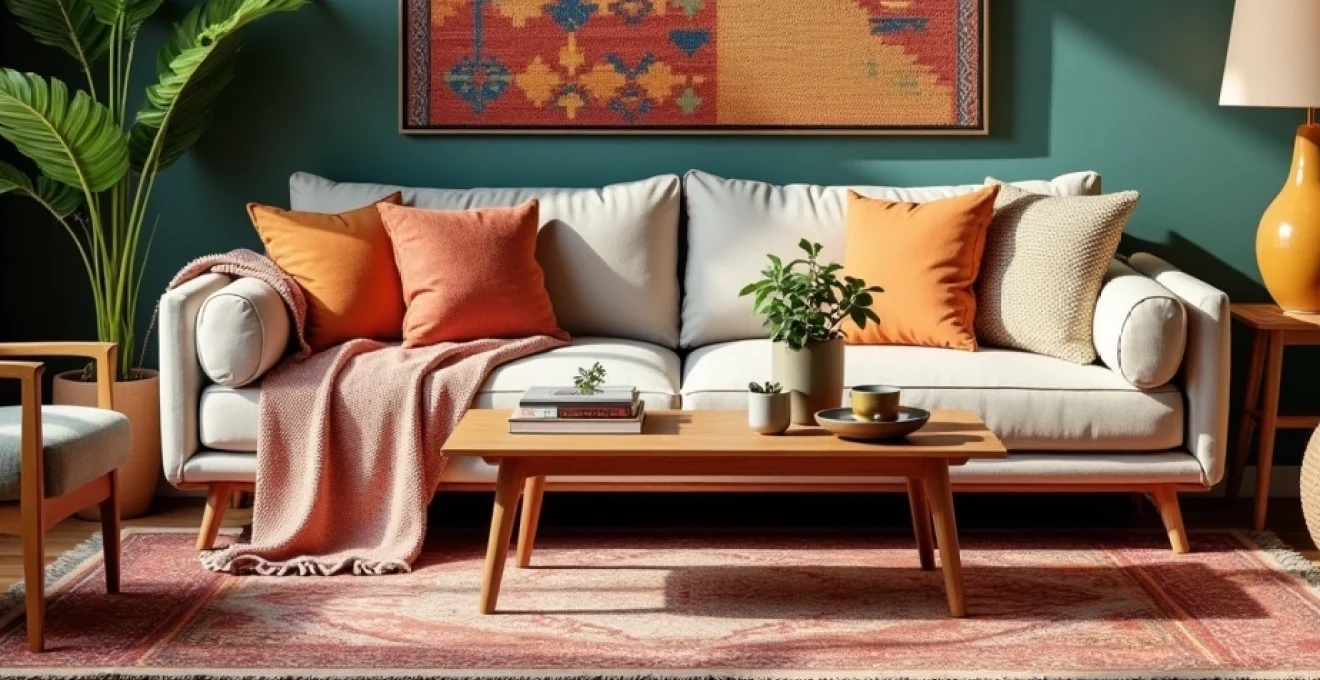
The bohemian aesthetic represents far more than a mere decorating trend—it embodies a philosophy of living that celebrates creativity, cultural diversity, and artistic expression. This distinctive design approach transforms ordinary living spaces into captivating environments that tell stories through carefully curated objects, rich textures, and harmonious colour combinations. Modern bohemian elegance strikes a sophisticated balance between the free-spirited nature of traditional boho style and the refined sensibilities of contemporary interior design.
Creating an authentically bohemian living space requires understanding the intricate relationship between colour, texture, and cultural heritage. The journey involves more than simply accumulating eclectic pieces; it demands a thoughtful approach to layering elements that reflect both global influences and personal narratives. Today’s bohemian interiors showcase how traditional craftsmanship can coexist beautifully with modern functionality, resulting in spaces that feel both timeless and thoroughly contemporary.
Colour psychology and bohemian palettes: jewel tones and earthy harmonies
The foundation of any successful bohemian interior lies in understanding how colour influences mood and atmosphere. Bohemian colour palettes draw inspiration from nature’s most dramatic moments—sunset skies, deep forest canopies, and mineral-rich earth formations. These colours work together to create spaces that feel both grounding and uplifting, providing the perfect backdrop for the layered textures and global influences that define the bohemian aesthetic.
Research in environmental psychology demonstrates that warm, earthy tones can reduce stress levels by up to 30% compared to cooler, more clinical colour schemes. This scientific backing supports what bohemian design has intuitively understood for decades: surrounding yourself with nature-inspired hues creates a more nurturing and psychologically comfortable living environment. The key lies in balancing intensity with restraint, allowing bold colours to make statements without overwhelming the senses.
Deep burgundy and emerald green combinations for maximum visual impact
The pairing of deep burgundy with emerald green represents one of the most sophisticated colour combinations in bohemian design. This jewel-tone duo creates immediate visual drama while maintaining the earthy sophistication that defines elegant boho interiors. Burgundy brings warmth and richness, evoking feelings of comfort and luxury, while emerald green adds vitality and connection to the natural world.
When implementing this colour combination, consider using burgundy as your dominant hue through larger textile pieces such as Persian rugs or velvet upholstery. Introduce emerald green through accent pieces like ceramic vases, throw pillows, or botanical artwork. The 70-30 rule applies beautifully here: allow one colour to dominate while using the other for strategic emphasis and visual punctuation throughout the space.
Ochre, terracotta, and burnt sienna: creating warmth through earth pigments
Earth pigments form the backbone of authentic bohemian colour schemes, connecting contemporary interiors to ancient artistic traditions. Ochre, with its golden undertones, brings sunshine into interior spaces while maintaining the grounded quality essential to bohemian design. Terracotta adds Mediterranean warmth and pairs beautifully with natural materials like wood and rattan. Burnt sienna provides depth and richness, serving as an excellent neutral that complements both warm and cool accent colours.
These earth tones work particularly well in living spaces with abundant natural light, where their warm undertones can shift and evolve throughout the day. Consider incorporating these colours through hand-thrown pottery, natural fiber rugs, and organic cotton textiles. The beauty of earth pigments lies in their ability to age gracefully, developing character and depth over time rather than appearing dated or worn.
Indigo and saffron accent strategies for authentic bohemian contrast
The dynamic interplay between indigo and saffron creates one of the most culturally rich colour combinations in bohemian design. This pairing draws from traditional dyeing practices found across multiple continents, from Japanese indigo cultivation to Spanish saffron harvesting. Indigo provides cooling contrast and depth, while saffron yellow adds warmth and luminosity that prevents darker schemes from feeling heavy or oppressive.
Implement this colour strategy through carefully selected accent pieces rather than large surface areas. Indigo works beautifully in hand-blocked textiles, vintage ceramic pieces, or as accent wall treatments in smaller spaces like powder rooms or reading nooks. Saffron should be used sparingly—think silk cushions, brass accents, or fresh marigold flowers—to create points of visual interest without overwhelming the overall composition.
Neutralising bold hues with cream and natural linen tones
The secret to successful bohemian colour schemes lies in creating breathing room between bold statement colours. Cream and natural linen tones serve as visual reset points, allowing the eye to rest while preventing colour-rich spaces from becoming overwhelming. These neutral tones also enhance natural light reflection, making spaces feel larger and more open.
Natural linen brings subtle texture variation that adds visual interest without competing with bolder elements. Use these neutrals strategically in areas where you want to highlight architectural features or create focal points for artwork and decorative objects. The key is achieving balance—approximately 40% neutral tones, 40% earth colours, and 20% jewel tone accents creates a harmonious and sophisticated bohemian palette.
Textile layering techniques: kilims, suzanis, and artisan weaving methods
Textile layering represents the soul of bohemian interior design, transforming bare surfaces into rich tapestries of cultural expression and tactile experience. The art of combining different weaving techniques, fibre types, and cultural traditions requires both technical knowledge and intuitive understanding of how textures interact within a space. Successful textile layering creates depth and warmth while telling stories of global craftsmanship and cultural heritage.
Contemporary research in textile anthropology reveals that handwoven fabrics carry measurable energetic qualities that machine-produced materials lack. This phenomenon, termed “craft resonance” by design researchers, explains why spaces featuring authentic artisan textiles feel more alive and engaging than those dominated by mass-produced alternatives. The irregularities and subtle variations in handwoven pieces create visual rhythms that keep the eye engaged and the mind stimulated.
Persian kilim rug placement and floor coverage proportions
Persian kilims serve as foundational elements in bohemian interiors, providing both visual anchoring and cultural authenticity. These flat-woven masterpieces offer intricate geometric patterns and rich colour stories that can guide the entire room’s design direction. Proper kilim placement follows the traditional Persian principle that floor coverage should create defined zones while maintaining visual flow between spaces.
For optimal impact, choose kilims that cover approximately 60-70% of your main seating area’s floor space. This proportion ensures the rug feels substantial while allowing glimpses of the flooring material to create visual breathing room. Layer smaller kilims over larger neutral rugs in high-traffic areas to add pattern interest while protecting valuable antique pieces from excessive wear. The geometric patterns in Persian kilims naturally complement the organic shapes found in bohemian furniture and accessories.
Uzbek suzani embroidery as wall hangings and throw accents
Suzani embroidery represents one of Central Asia’s most sophisticated textile traditions, featuring bold floral motifs worked in silk threads on cotton or silk grounds. These spectacular pieces function beautifully as wall hangings, creating instant focal points that rival traditional paintings in visual impact. The organic, flowing patterns of suzanis provide perfect counterbalance to the geometric precision of kilim rugs.
When using suzanis as wall hangings, mount them on concealed rods rather than framing them, allowing the textile to move naturally and maintaining its authentic presentation. Smaller suzani pieces work excellently as throw accents on neutral-coloured sofas or chairs, where their intricate embroidery can be appreciated up close. The silk threads used in traditional suzani work catch and reflect light differently throughout the day, creating subtle colour shifts that add dynamic interest to interior spaces.
The true magic of bohemian textiles lies not in their individual beauty, but in how they converse with one another across cultural and temporal boundaries.
Moroccan beni ourain wool textures for tactile depth
Beni Ourain rugs from Morocco’s Atlas Mountains bring unparalleled tactile luxury to bohemian interiors through their thick, plush wool construction and minimalist geometric patterns. These neutral-toned masterpieces provide textural foundation that allows other more colourful elements to shine while adding substantial comfort underfoot. The natural lanolin in Berber wool creates inherent stain resistance and durability that improves with age.
The beauty of Beni Ourain rugs lies in their versatility—they complement virtually any colour scheme while providing neutral grounding for more elaborate textile pieces. Use these rugs in bedrooms and living areas where comfort is paramount, allowing their substantial pile depth to create cosy gathering spaces. The irregular diamond patterns found in authentic Beni Ourain pieces add subtle visual interest without competing with more elaborate decorative elements.
Indian Block-Print cotton integration with velvet and silk blends
The ancient Indian tradition of hand-block printing creates textiles with distinctive character and cultural authenticity that machine printing cannot replicate. These cotton fabrics, with their slight irregularities and organic colour variations, provide excellent foundation pieces for bohemian textile layering schemes. The breathable nature of block-printed cotton makes these fabrics particularly suitable for cushion covers, curtains, and bedding in climates where temperature regulation is important.
Combine block-printed cottons with luxurious velvet and silk blends to create compelling textural contrasts that define sophisticated bohemian styling. The matte finish of cotton prints provides visual relief against the lustrous surfaces of silk and velvet, preventing spaces from becoming overly precious or formal. Use indigo-dyed block prints as foundational pieces, then layer in jewel-toned velvets and silk accents to build rich, complex colour stories that evolve with changing light conditions.
Furniture selection: Mid-Century modern meets global craftsmanship
The intersection of mid-century modern design principles with global craftsmanship traditions creates the sophisticated furniture foundation essential to elegant bohemian interiors. This approach combines the clean lines and functional efficiency of mid-century pieces with the cultural richness and handcrafted character of traditional furniture making techniques from around the world. The result is living spaces that feel both contemporary and timeless, comfortable and aesthetically refined.
Successful bohemian furniture curation requires understanding how different cultural traditions approach form and function. Scandinavian design emphasises simplicity and natural materials, Japanese craftsmanship focuses on precision and harmony, while Middle Eastern traditions celebrate intricate detail and rich surface treatments. When these diverse approaches are thoughtfully combined with mid-century modern frameworks, they create furniture collections that tell compelling stories while serving practical needs.
The key principle governing bohemian furniture selection is authenticity over quantity. Investment in fewer, higher-quality pieces that demonstrate genuine craftsmanship and cultural heritage creates more impactful and sustainable interior environments than accumulating numerous mass-produced items. Artisan-made furniture often improves with age, developing patina and character that adds to rather than detracts from its visual appeal. This aging process creates the lived-in authenticity that distinguishes genuine bohemian interiors from superficial attempts at the style.
Consider the relationship between furniture scale and room proportions when selecting pieces for bohemian spaces. Low-profile seating arrangements, influenced by traditional Middle Eastern and Asian floor-sitting cultures, create intimate gathering spaces that encourage conversation and relaxation. Balance these lower elements with taller storage pieces like mid-century credenzas or handcrafted armoires that provide necessary function while maintaining visual harmony.
Lighting design: moroccan lanterns and pendant statement pieces
Lighting in bohemian interiors serves multiple purposes beyond mere illumination—it creates atmosphere, highlights textural details, and establishes the warm, inviting ambiance that defines the aesthetic. The layered approach to bohemian lighting combines ambient, task, and accent lighting through carefully selected fixtures that demonstrate cultural authenticity and artistic merit. This multi-layered strategy ensures spaces remain functional while maintaining the magical, almost mystical quality that makes bohemian interiors so compelling.
Traditional Moroccan metalworking techniques produce lighting fixtures with unparalleled ability to create captivating shadow patterns and warm light distribution. Hand-punched brass and copper lanterns filter light through intricate geometric patterns, casting dancing shadows that change throughout the evening hours. These fixtures work particularly well in dining areas and bedrooms, where their intimate lighting quality enhances the mood for relaxation and conversation.
Modern pendant lighting interpretation of traditional lantern forms brings bohemian sensibility to contemporary spaces without sacrificing functionality or energy efficiency. Large-scale pendant fixtures made from natural materials like rattan, bamboo, or hand-blown glass provide statement-making focal points while delivering practical illumination for larger spaces. The organic shapes and natural materials of these contemporary pieces complement traditional elements while meeting modern lighting performance standards.
Layered lighting schemes in bohemian interiors typically include three distinct levels: overhead ambient lighting through pendant fixtures or concealed sources, task lighting through table and floor lamps with fabric or natural material shades, and accent lighting through candles, string lights, or small decorative fixtures. This approach allows for lighting adjustments throughout the day and evening, supporting different activities while maintaining atmospheric consistency.
Light in bohemian spaces should feel like captured sunshine—warm, golden, and ever-changing with the rhythms of daily life.
Strategic placement of lighting elements helps define different zones within open-plan bohemian spaces. Floor lamps with distinctive bases made from materials like turned wood, ceramic, or wrought iron create intimate reading corners and conversation areas. The warm light cast by fabric lampshades softens the angular lines of modern furniture while highlighting the rich textures of layered textiles and handcrafted accessories.
Plant integration: macramé hanging systems and botanical styling
The integration of living plants into bohemian interiors represents more than decorative choice—it reflects the fundamental bohemian principle of connecting indoor living spaces with the natural world. Strategic plant placement creates vertical interest, improves air quality, and introduces the dynamic element of growth and seasonal change that keeps bohemian interiors feeling alive and evolving. The revival of macramé hanging systems has provided contemporary bohemian designers with authentic methods for displaying plants that honour traditional crafts while meeting modern aesthetic preferences.
Contemporary research in biophilic design confirms that interior spaces featuring substantial plant collections can improve occupant wellbeing by measurable amounts. Studies indicate that homes with diverse plant displays show 15% higher satisfaction ratings among residents compared to spaces with minimal or no plant integration. This scientific validation supports the intuitive bohemian understanding that living spaces should celebrate and incorporate natural elements rather than exist in isolation from the natural world.
Macramé plant hangers offer practical solutions for plant display in spaces with limited floor area while adding handcrafted textural elements that complement bohemian textile collections. The natural cotton or jute cords used in traditional macramé work age beautifully, developing subtle colour variations that enhance rather than detract from their visual appeal over time. These hanging systems also provide flexibility for seasonal plant rotation and easy access for maintenance tasks.
Plant selection for bohemian interiors should emphasise species with interesting foliage textures, colours, or growth patterns rather than focusing solely on flowering varieties. Broad-leafed plants like fiddle leaf figs or monstera deliciosa create dramatic architectural statements, while trailing species such as pothos or string of pearls add softening elements when displayed in elevated positions. The combination of upright and trailing growth habits creates visual rhythm and maintains interest at multiple eye levels throughout the space.
Grouping plants in odd numbers and varying heights creates more visually dynamic arrangements than symmetrical or uniform displays. This principle, borrowed from traditional landscape design, helps plant collections feel naturally integrated rather than artificially imposed. Consider the mature size of plant species when planning arrangements, allowing adequate space for growth while ensuring proper light distribution and air circulation around each specimen.
Accessory curation: vintage brass elements and handcrafted ceramics
The art of accessory curation in bohemian interiors requires balancing personal expression with aesthetic cohesion, creating collections that feel intentionally assembled rather than accidentally accumulated. Successful bohemian accessory displays combine vintage brass elements, handcrafted ceramics, and culturally significant objects in arrangements that tell stories while contributing to the overall design narrative. This curated approach prevents bohemian spaces from appearing cluttered or chaotic while maintaining the eclectic character that defines the aesthetic.
Vintage brass accessories bring warmth and metallic interest to bohemian interiors while connecting contemporary spaces to historical craftsmanship traditions. The natural patina that develops on brass surfaces over time creates colour variations that complement the earth-toned palettes typical of bohemian design. Brass candlesticks, bowls
, serving platters, and decorative trays develop character through use while maintaining their functional value. The key to incorporating brass accessories successfully lies in mixing different eras and styles rather than creating matched sets, which can appear formal and sterile in bohemian contexts.
Handcrafted ceramics provide textural contrast to metallic elements while introducing organic shapes and artisanal character that machine-made pieces cannot replicate. The slight irregularities inherent in hand-thrown pottery create visual interest and tactile appeal that enhances the authentically crafted aesthetic central to bohemian design. Choose ceramic pieces that demonstrate visible evidence of their handmade origins—subtle asymmetries, finger marks in glazes, or variations in colour application that speak to human craftsmanship.
The principle of triangular grouping applies particularly well to bohemian accessory arrangements, where objects of varying heights, textures, and cultural origins are combined to create visually compelling vignettes. Place the tallest item at the back, medium-height pieces in the middle, and smallest objects in front to create depth and visual hierarchy. This arrangement technique works equally well on mantlepieces, coffee tables, and bookshelf displays, creating focal points that draw the eye while maintaining overall compositional balance.
Cultural authenticity in accessory selection requires understanding the origins and significance of decorative objects rather than simply collecting items that appear exotic or interesting. Genuine Berber silver jewellery, traditional Turkish coffee sets, or authentic Aboriginal dot paintings carry cultural weight and storytelling power that reproductions cannot match. These meaningful pieces create conversation starters and personal connections that transform houses into homes filled with narrative richness.
Every object in a truly bohemian space should have a story—whether it speaks of distant travels, family heritage, or the skilled hands that created it.
Seasonal rotation of accessories keeps bohemian interiors feeling fresh and dynamic while preventing any single arrangement from becoming stale or overlooked. Store some accessories during certain seasons, bringing them back into display rotation when their colours, textures, or cultural associations feel most appropriate. This practice also allows you to appreciate individual pieces more fully when they reappear in your displays after periods of storage.
The relationship between accessories and lighting requires careful consideration in bohemian spaces, where dramatic shadows and warm light play crucial roles in creating atmosphere. Position reflective brass elements where they can catch and redistribute candlelight or lamp illumination, creating golden highlights that enhance the warm colour palette. Place ceramic pieces where their textural surfaces can be revealed through strategic lighting, showing off the subtle variations in glaze and form that make handcrafted items so appealing.
Scale variation in accessory collections prevents monotony while creating visual rhythm throughout bohemian spaces. Combine oversized statement pieces like large ceramic vessels or substantial brass sculptures with smaller, more delicate items such as vintage perfume bottles or miniature prayer wheels. This size diversity mimics the natural world, where different scales coexist harmoniously, and helps create the organic, unforced feeling that distinguishes authentic bohemian interiors from overly designed spaces.
The curation process itself should evolve gradually over time rather than being completed in a single shopping expedition. Bohemian accessory collections develop character through slow accumulation of meaningful pieces discovered during travels, inherited from family members, or created by local artisans. This patient approach to collection building ensures that each piece has personal significance and contributes to the overall narrative of your living space rather than simply filling decorative requirements.