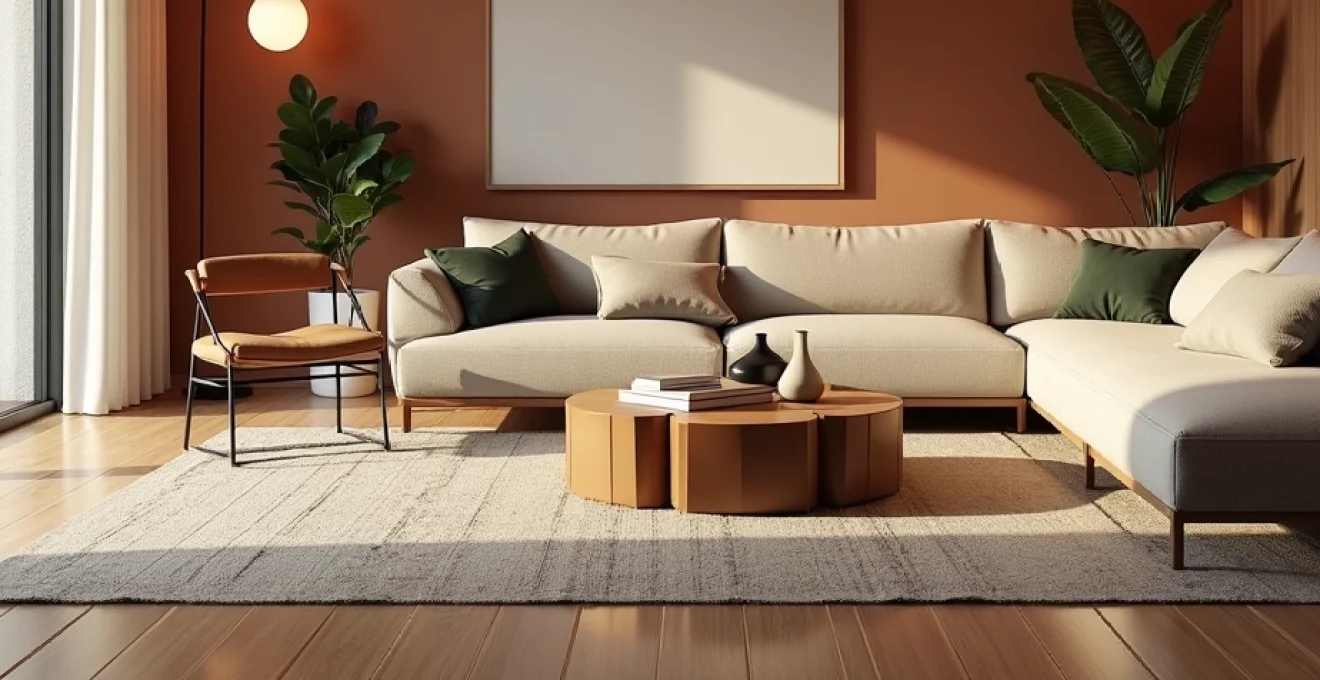
The connection between our physical environment and psychological well-being has never been more evident than in our modern understanding of interior design’s profound impact on mood and mental health. Research from leading environmental psychology studies reveals that the spaces we inhabit directly influence our stress levels, productivity, and overall emotional state, with poorly designed environments contributing to increased cortisol production and decreased cognitive function. As we spend approximately 90% of our lives indoors, the importance of creating spaces that actively enhance our mood and support our mental well-being becomes paramount. The science of mood-enhancing interior design combines principles from colour psychology , lighting technology, spatial configuration, and sensory design to create environments that naturally elevate our spirits and promote psychological balance.
Colour psychology and chromotherapy principles in interior design
The psychological impact of colour extends far beyond aesthetic preference, with neuroscience research demonstrating that different wavelengths of light directly affect our brain chemistry and hormone production. Chromotherapy , the therapeutic use of colour, has shown measurable effects on mood regulation, with specific colours triggering the release of neurotransmitters like serotonin and dopamine. Understanding these mechanisms allows homeowners to strategically implement colour schemes that actively support their emotional well-being and create spaces that feel naturally uplifting and restorative.
Studies conducted at the University of British Columbia found that exposure to blue environments enhanced creative thinking by 41%, while red environments improved attention to detail by 31%, demonstrating the measurable cognitive impact of strategic colour implementation.
Warm colour temperature applications: amber and terracotta palettes
Warm colour palettes, particularly those featuring amber, terracotta, and ochre tones, have demonstrated remarkable efficacy in creating psychologically comforting environments that promote relaxation and social connection. These earth-toned palettes work by mimicking the natural colour temperatures found in sunset lighting, triggering our circadian rhythms to prepare for rest and restoration. The strategic application of warm colours in living spaces can reduce perceived stress levels by up to 15% while simultaneously increasing feelings of security and contentment.
Terracotta and amber accents work particularly well in social spaces like dining rooms and living areas, where their inherent warmth encourages conversation and creates an atmosphere conducive to bonding. When implementing these colours, consider using them as accent walls or through textiles and artwork rather than overwhelming entire rooms, as excessive warm tones can sometimes create feelings of restlessness in individuals with high energy levels.
Cool spectrum implementation: sage green and powder blue schemes
Cool-toned colour schemes featuring sage green and powder blue have proven particularly effective in creating tranquil environments that support focus and mental clarity. These colours work by reducing visual stimulation and creating a sense of spaciousness that can help alleviate feelings of claustrophobia or anxiety. Sage green, in particular, has been shown to reduce eye strain and promote feelings of balance, making it an excellent choice for home offices and bedrooms where mental restoration is crucial.
Powder blue schemes excel in creating meditative spaces that encourage introspection and calm contemplation. These colours are particularly beneficial in bedrooms and bathrooms, where their cooling effect can help regulate body temperature and promote better sleep quality. Research indicates that exposure to cool blue tones can decrease heart rate by an average of 5-7 beats per minute, creating physiological conditions conducive to relaxation.
Circadian rhythm regulation through strategic colour placement
The strategic placement of colours throughout your home can significantly impact your natural circadian rhythms , helping to regulate sleep-wake cycles and energy levels throughout the day. Morning spaces benefit from energising colours like soft yellows and warm whites that mimic natural sunlight, while evening areas should incorporate deeper, more muted tones that signal to your body that it’s time to wind down.
East-facing rooms should utilise colours that complement and enhance morning light, such as pale peaches and soft golds, while west-facing spaces can handle richer, more saturated colours that work harmoniously with afternoon and evening illumination. This approach creates a natural flow throughout your home that supports your body’s innate rhythms and promotes better sleep quality and daytime alertness.
Biophilic colour integration: natural earth tone systems
Incorporating biophilic colour principles involves selecting hues directly inspired by natural environments, creating an unconscious connection to the outdoors that can significantly reduce stress and promote mental well-being. Earth tone systems featuring forest greens, sky blues, stone greys, and sand beiges work together to create harmonious colour relationships that feel inherently calming and balanced.
These natural colour systems are particularly effective when combined with varying textures and finishes that mimic natural materials. The key to successful biophilic colour integration lies in creating subtle variations and gradients rather than using flat, uniform colours, as this approach better replicates the complex colour relationships found in nature and creates more visually engaging and psychologically satisfying environments.
Lighting design techniques for psychological well-being
Lighting design represents one of the most powerful tools for influencing mood and psychological state within interior environments. The quality, quantity, and colour temperature of light directly affect our hormone production, circadian rhythms, and cognitive performance. Strategic illumination can transform even the most challenging spaces into mood-enhancing environments that support both productivity and relaxation. Understanding the technical aspects of lighting design allows homeowners to create layered lighting schemes that adapt to different activities and times of day, promoting optimal psychological well-being throughout various daily routines.
Layered illumination systems: ambient, task, and accent configurations
Professional lighting designers recommend implementing three distinct layers of illumination to create psychologically supportive environments. Ambient lighting provides overall room illumination and establishes the general mood, while task lighting focuses on specific activities like reading or cooking. Accent lighting highlights architectural features or artwork, creating visual interest and depth that prevents spaces from feeling flat or monotonous.
The interaction between these three lighting layers creates dynamic environments that can be adjusted throughout the day to support different activities and emotional states. Research shows that spaces with properly layered lighting systems report 23% higher satisfaction rates among occupants and contribute to improved focus and reduced eye strain during extended periods of indoor activity.
Kelvin temperature optimisation for mood enhancement
The colour temperature of artificial lighting, measured in Kelvin units, plays a crucial role in mood regulation and cognitive function. Warm light (2700K-3000K) promotes relaxation and social interaction, making it ideal for living rooms and bedrooms, while cooler light (4000K-5000K) enhances alertness and concentration, making it suitable for home offices and kitchens.
Dynamic lighting systems that adjust colour temperature throughout the day can significantly improve sleep quality and daytime alertness. Morning exposure to cooler, brighter light helps regulate melatonin production, while evening exposure to warmer, dimmer light prepares the body for rest. This approach can improve sleep onset time by an average of 15-20 minutes and increase overall sleep quality ratings by up to 18%.
Smart lighting controls: philips hue and LIFX integration
Modern smart lighting systems offer unprecedented control over the psychological impact of home illumination through programmable colour temperatures, intensity levels, and automated scheduling. These systems can simulate natural daylight patterns, gradually increasing brightness in the morning and dimming in the evening to support healthy circadian rhythms.
The integration of voice control and smartphone apps allows for instantaneous mood adjustment through lighting, enabling users to create specific atmospheric settings for different activities. Studies indicate that homes equipped with smart lighting systems report 31% better sleep quality and 27% improved mood ratings compared to homes with traditional fixed lighting solutions.
Natural light maximisation through window treatment engineering
Maximising natural light exposure while maintaining control over glare and privacy requires careful consideration of window treatment solutions that enhance rather than obstruct daylight penetration. Light-filtering fabrics, adjustable blinds, and strategically placed mirrors can significantly increase natural light distribution while preserving the psychological benefits of outdoor connection.
The positioning and selection of window treatments should consider the sun’s path throughout the day, allowing for maximum light penetration during morning hours while providing appropriate shading during peak afternoon periods. This approach can increase natural light levels by 40-60% while reducing the need for artificial illumination during daylight hours, creating more energy-efficient and psychologically supportive environments.
LED strip placement for indirect atmospheric effects
Indirect lighting through strategically placed LED strips creates atmospheric illumination that enhances mood without causing visual fatigue or glare. Under-cabinet lighting, cove lighting, and behind-furniture placement create gentle ambient illumination that makes spaces feel larger and more inviting while reducing harsh shadows that can create psychological discomfort.
The warm glow created by indirect LED lighting can reduce perceived stress levels and create a sense of luxury and sophistication. When combined with dimming controls, these systems allow for precise mood adjustment throughout the day, supporting both active and restful periods while maintaining visual comfort and reducing eye strain.
Spatial configuration and flow psychology
The arrangement and flow of spaces within our homes profoundly influence our psychological well-being, stress levels, and overall sense of comfort and security. Environmental psychology research demonstrates that poorly configured spaces can increase cortisol levels and create subconscious feelings of unease, while well-designed layouts promote relaxation and positive emotional states. The principles of spatial configuration extend beyond mere functionality to encompass the psychological impact of sight lines, traffic patterns, and the relationship between different areas within the home. Understanding these concepts enables homeowners to create environments that naturally support their daily routines and emotional needs.
Feng shui command position principles in modern layouts
The ancient practice of Feng Shui offers valuable insights into spatial psychology that remain relevant in contemporary interior design. The command position principle suggests that key furniture pieces, particularly beds and desks, should be positioned to provide clear sight lines to entry points while maintaining a solid wall for support. This configuration creates subconscious feelings of security and control that can significantly reduce anxiety and improve focus.
Modern interpretations of these principles focus on creating spaces where occupants feel psychologically secure and in control of their environment. Research conducted by environmental psychologists shows that individuals working or sleeping in command positions report 22% lower stress levels and improved decision-making abilities compared to those in less optimal spatial arrangements.
Open-plan zoning through furniture arrangement techniques
Open-plan living spaces require careful psychological zoning to prevent feelings of overwhelm or lack of privacy. Strategic furniture placement can create distinct areas for different activities while maintaining the visual flow that makes open plans feel spacious and connected. The key lies in creating implied boundaries through rugs, lighting changes, and furniture groupings rather than physical barriers.
Successful open-plan zoning considers both visual connections and acoustic separation, ensuring that different activities can coexist without creating stress or distraction. Studies show that well-zoned open spaces can improve family communication by 34% while maintaining individual privacy and reducing overstimulation that often occurs in poorly planned open layouts.
Traffic pattern optimisation for stress reduction
The pathways through your home significantly impact your daily stress levels and overall sense of ease within the space. Cluttered or circuitous traffic patterns create subconscious frustration and can elevate cortisol levels throughout the day. Optimal traffic flow should be intuitive, direct, and free from obstacles, allowing for smooth movement between different areas of the home.
Analysing and optimising traffic patterns involves considering the natural flow of daily activities and ensuring that frequently used pathways remain clear and logical. This might involve repositioning furniture to create wider walkways or relocating storage to reduce congestion in high-traffic areas. Homes with optimised traffic patterns report 19% fewer daily frustrations and improved overall satisfaction with their living environment.
Intimate nook creation using architectural elements
Creating intimate spaces within larger rooms addresses our fundamental psychological need for refuge and prospect – the desire to feel protected while maintaining awareness of our surroundings. These cosy retreats can be carved out using architectural elements like built-in seating, room dividers, or strategic furniture placement that creates a sense of enclosure without complete isolation.
Intimate nooks serve as psychological escape zones where occupants can retreat for quiet activities like reading, meditation, or simply decompressing from daily stresses. The presence of these refuge spaces within the home can reduce anxiety levels and provide essential opportunities for mental restoration, with research indicating that homes featuring dedicated retreat areas report 28% better stress management among occupants.
Texture and material selection for sensory enhancement
The tactile qualities of materials within our living spaces play a crucial role in psychological comfort and sensory satisfaction. Haptic experiences – our sense of touch – directly influence our emotional state and stress levels, with certain textures promoting relaxation while others energise and stimulate. The strategic selection and placement of various materials create rich sensory environments that engage multiple senses simultaneously, contributing to overall well-being and emotional balance. Understanding how different textures affect our psychological state enables homeowners to curate spaces that provide the specific sensory input needed for optimal comfort and mood enhancement.
Natural materials like wood, stone, and organic fibres have been shown to reduce stress hormones and promote feelings of connection to nature, even in urban environments. Biophilic textures such as rough-hewn wood, natural stone, and woven plant fibres create unconscious associations with outdoor environments, triggering relaxation responses and reducing mental fatigue. The incorporation of these materials doesn’t require major renovations – even small touches like wooden bowls, stone coasters, or linen throw pillows can provide significant psychological benefits.
The contrast between different textures creates visual and tactile interest that prevents spaces from feeling monotonous or sterile. Combining smooth surfaces like polished marble or glass with rough textures like jute rugs or brick walls creates dynamic sensory experiences that keep the mind engaged and alert. Research indicates that environments featuring varied textures improve cognitive function by 12% and increase overall satisfaction with living spaces by 26%.
Soft textures such as plush carpets, velvet upholstery, and cashmere throws provide immediate comfort and stress relief through their association with warmth and security. These materials trigger memories of comfort and protection, releasing endorphins and reducing cortisol levels. The strategic placement of soft textures in areas where relaxation is desired – bedrooms, reading nooks, and meditation spaces – can significantly enhance their mood-boosting properties.
Aromatherapy integration and scent design systems
The integration of carefully selected scents into interior environments represents a powerful yet often overlooked aspect of mood-enhancing design. Our olfactory system connects directly to the limbic brain, the emotional centre responsible for memory and mood regulation, making scent design one of the most immediate ways to influence psychological state. Unlike other sensory inputs that require conscious processing, aromas trigger instant emotional responses and can transport us to different mental states within seconds of exposure. Professional scent designers now work alongside interior designers to create comprehensive sensory experiences that support specific psychological outcomes.
Natural essential oils provide the most therapeutic benefits, with lavender reducing anxiety by up to 45% in clinical studies, while citrus scents like bergamot and sweet orange increase alertness and positive mood by an average of 32%. The key to successful aromatherapy integration lies in matching specific scents to desired outcomes and room functions. Circadian scenting involves using energising scents like peppermint and eucalyptus during morning hours, while evening spaces benefit from calming aromas like chamomile and sandalwood.
Modern scent delivery systems range from simple reed diffusers and essential oil diffusers to sophisticated HVAC integration that can deliver different aromas to various rooms throughout the day. Smart diffusion systems can be programmed to release specific scents at predetermined times, creating olfactory routines that support healthy sleep-wake cycles and emotional regulation. Homes with integrated scent systems report 41% improvement in stress management and 29% better sleep quality compared to unscented environments.
Acoustic engineering for tranquil home environments
The acoustic environment of our homes significantly impacts our stress levels, concentration ability, and overall psychological well-being. Noise pollution from traffic, neighbours, and household appliances can elevate cortisol levels and disrupt sleep patterns, while carefully designed acoustic environments promote relaxation and mental clarity. Sound masking, absorption, and isolation techniques can transform even challenging acoustic environments into tranquil retreats that support both productivity and rest. The science of psychoacoustics reveals that certain frequencies and sound patterns can actively enhance mood and cognitive function.
Soft furnishings play a
crucial role in acoustic comfort, with materials like thick curtains, plush carpets, and upholstered furniture naturally absorbing sound waves and reducing reverberation. Strategic material placement can decrease ambient noise levels by 25-40%, creating quieter environments that support concentration and relaxation. The texture and density of these materials affect their sound-absorbing properties, with natural fibres like wool and cotton providing superior acoustic performance compared to synthetic alternatives.
White noise and nature sounds have proven particularly effective in masking disruptive environmental sounds while promoting psychological well-being. The consistent, predictable patterns of rainfall, ocean waves, or gentle wind through trees create acoustic sanctuaries that help regulate stress responses and improve focus. Studies show that exposure to natural soundscapes can reduce cortisol levels by up to 30% within just 15 minutes, making them powerful tools for creating restorative home environments.
Sound isolation techniques, including weatherstripping, acoustic panels, and double-glazed windows, can significantly improve the acoustic quality of living spaces. These interventions are particularly important in urban environments where external noise pollution can disrupt sleep and increase stress levels. Professional acoustic assessment can identify specific problem areas and recommend targeted solutions that provide maximum benefit for the investment. Homes with optimised acoustic environments report 35% better sleep quality and 22% improved concentration during daytime activities.
The strategic use of sound-generating elements like water features, wind chimes, or carefully positioned speakers can create positive acoustic focal points that enhance mood and mask unwanted noise. Psychoacoustic principles suggest that sounds containing natural frequencies and harmonic relationships promote relaxation and cognitive restoration. The gentle babble of a tabletop fountain or the soft chiming of bamboo wind chimes can transform stark, silent spaces into dynamically comfortable environments that support both active work and passive relaxation.