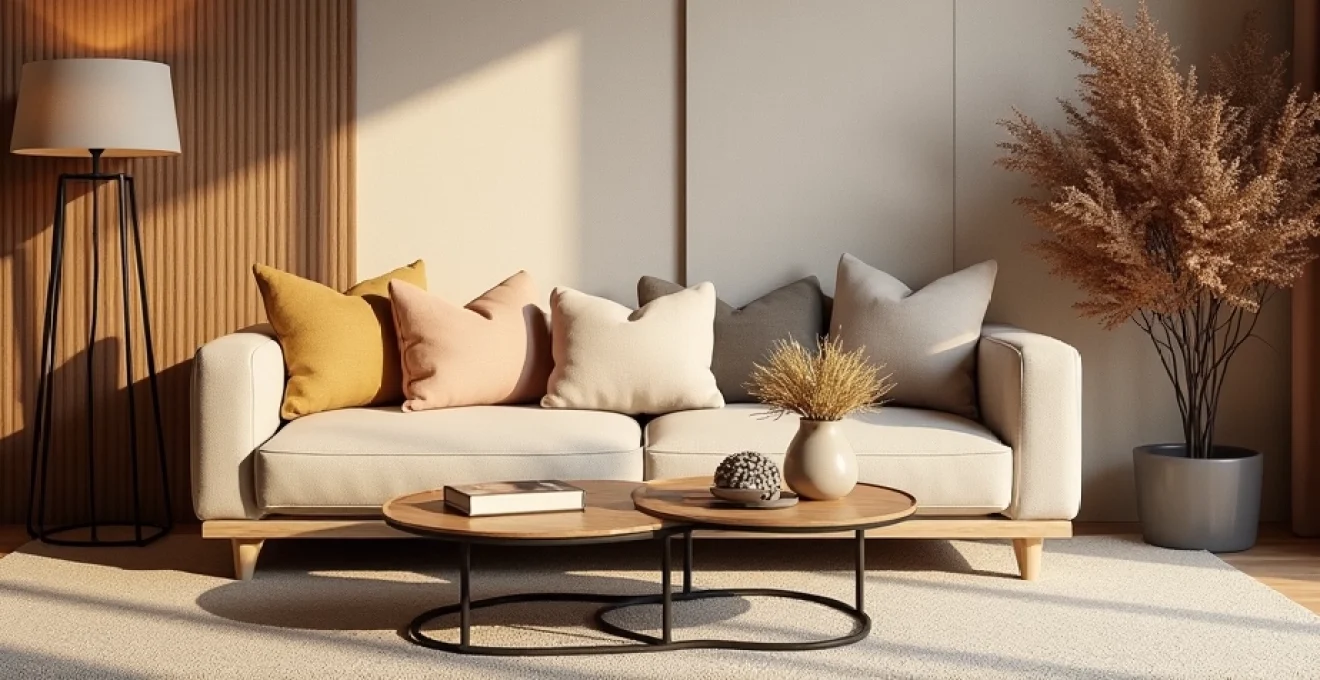
Interior design transcends mere colour choices and furniture arrangement; it encompasses the profound impact of texture in transforming spaces from sterile environments into warm, inviting sanctuaries. Texture serves as the silent conductor orchestrating harmony between visual elements and tactile experiences, creating depth and dimension that photographs simply cannot capture. When strategically implemented, textural elements possess the remarkable ability to make rooms feel exponentially larger, cosier, and more sophisticated whilst establishing emotional connections that resonate with inhabitants on a visceral level.
The science behind textural perception reveals fascinating insights into how our brains process spatial information. Textural variety stimulates multiple sensory pathways simultaneously , creating what designers call “sensory layering” – a phenomenon where rooms feel more complete and satisfying to occupants. This psychological response stems from our evolutionary programming, where diverse textures in natural environments signalled safety, comfort, and abundance.
Tactile material selection for enhanced spatial warmth
Material selection forms the foundation of successful textural design, requiring careful consideration of both aesthetic appeal and functional performance. The interplay between different surface qualities creates visual tension that prevents spaces from appearing monotonous or flat. Professional designers understand that texture operates on multiple levels: visual texture affects how surfaces appear to the eye, whilst tactile texture influences how materials feel when touched.
The psychological impact of material choices extends far beyond mere decoration. Research indicates that rooms incorporating diverse textural elements reduce stress levels by up to 23% compared to spaces dominated by single-texture environments. This phenomenon occurs because varied textures create micro-environments within larger spaces, offering visual rest points and sensory stimulation that keep the mind engaged without overwhelming it.
Natural fibre integration: wool, linen, and cotton applications
Natural fibres represent the gold standard in textile selection for creating warm, inviting interiors. Wool, with its inherent crimped structure, provides exceptional thermal regulation properties whilst offering visual richness through its natural lustre variation. Merino wool throws draped over furniture create instant cosiness , whilst wool rugs provide acoustic dampening that enhances the overall sensory experience of a room.
Linen brings an entirely different textural quality, offering relaxed elegance through its characteristic irregularities and subtle sheen variations. The natural inconsistencies in linen weave create micro-shadows that add depth to surfaces, particularly effective when used in curtains or upholstery applications. Cotton, meanwhile, provides versatility through its ability to accept various treatments – from brushed finishes that enhance softness to structured weaves that add architectural interest.
Synthetic texture alternatives: faux fur and microfibre solutions
Modern synthetic materials have evolved considerably, offering texture solutions that rival natural alternatives whilst providing superior durability and maintenance characteristics. High-quality faux fur now achieves remarkably authentic visual and tactile properties, making it an excellent choice for accent pieces that require frequent cleaning or heavy use.
Microfibre technology has revolutionised textile texture creation, enabling manufacturers to produce materials with precisely controlled surface characteristics. These innovations allow for texture combinations previously impossible with natural fibres, such as materials that appear matte but feel silky smooth, or fabrics that shift texture based on viewing angle. Strategic placement of synthetic textures can create focal points whilst maintaining practical functionality in high-traffic areas.
Layered textile combinations for maximum visual impact
The art of textile layering requires understanding how different materials interact both visually and functionally. Successful combinations typically follow the principle of complementary contrast – pairing smooth with rough, shiny with matte, structured with fluid. This approach prevents visual competition between elements whilst maximising the sensory richness of the space.
Professional designers employ what industry experts call the “rule of three textures” – ensuring each seating area incorporates at least three distinct textile surfaces. For example, a reading nook might combine a leather armchair with a wool throw and linen cushions, creating a harmonious yet varied textural palette that invites both visual exploration and physical comfort.
Seasonal texture rotation strategies
Implementing seasonal texture changes represents one of the most cost-effective methods for maintaining interior freshness throughout the year. Winter months benefit from increased texture density through heavier fabrics like velvet, cashmere, and thick-pile rugs. Summer rotations favour lighter textures such as cotton voile, sisal, and linen blends that provide visual coolness whilst maintaining tactile interest.
Storage solutions for seasonal textiles require careful planning to maintain material integrity. Cedar-lined storage boxes prevent moth damage to natural fibres, whilst acid-free tissue paper helps preserve delicate textures. Rotating textiles seasonally extends their lifespan by reducing continuous exposure to sunlight and wear patterns that can diminish textural qualities over time.
Wall surface treatment techniques for textural depth
Wall surfaces represent the largest opportunity for textural impact within interior spaces, yet they remain frequently underutilised in residential design. Beyond traditional paint applications, numerous techniques exist for creating walls that contribute significantly to the overall textural narrative of a room. The key lies in selecting treatments that complement rather than compete with furnishing textures, creating cohesive environments that feel intentionally designed rather than accidentally assembled.
Professional wall treatments require consideration of lighting conditions, room function, and maintenance requirements. High-traffic areas benefit from durable textural treatments that can withstand cleaning, whilst intimate spaces allow for more delicate applications that prioritise sensory appeal over practical durability. The investment in professional wall texturing typically yields disproportionate visual returns, transforming entire rooms through relatively focused interventions.
Venetian plaster application methods and finish variations
Venetian plaster offers unparalleled sophistication through its ability to create depth that changes throughout the day as lighting conditions shift. The traditional lime-based formula creates microscopic variations in surface height that catch and reflect light differently across the wall surface. Modern polymer-based alternatives provide similar visual effects with improved durability and easier maintenance requirements.
Application technique significantly influences the final textural outcome. Tight, uniform strokes create subtle texture variations ideal for formal spaces, whilst looser, more varied application creates dramatic texture contrasts suitable for accent walls. Master plasterers often incorporate metallic elements during the final coat application, creating luminous effects that enhance the perception of warmth and luxury within the space.
Grasscloth and natural wallcovering installation
Natural wallcoverings bring organic texture variations that synthetic alternatives cannot replicate. Grasscloth wallpapers, woven from natural plant fibres, create subtle horizontal texture lines that add movement and visual interest without overwhelming smaller spaces. The natural colour variations inherent in plant fibres ensure that no two sections appear identical, creating visual richness that develops character over time.
Installation of natural wallcoverings requires specialised techniques to accommodate the material’s natural expansion and contraction characteristics. Professional installers understand the importance of allowing for natural variation in pattern matching, embracing rather than fighting the organic irregularities that give these materials their distinctive character and appeal.
Exposed brick restoration and enhancement techniques
Exposed brick walls provide instant textural impact through their inherent three-dimensional surface variations and natural colour fluctuations. Restoration techniques focus on enhancing existing character whilst improving structural integrity and visual appeal. Careful mortar pointing restoration maintains authentic appearance whilst ensuring longevity and performance.
Enhancement techniques include selective sealing that preserves natural texture whilst reducing dust accumulation, and subtle colour washing that unifies disparate brick colours without eliminating natural variation. Professional brick restoration balances preservation with practical functionality , creating walls that serve as stunning textural focal points whilst meeting contemporary performance standards.
Wood panelling systems: shiplap, board and batten applications
Wood panelling systems offer versatility in textural expression through various profile configurations and installation patterns. Shiplap installations create horizontal shadow lines that emphasise room width, whilst board and batten systems provide vertical emphasis that increases perceived ceiling height. The choice of wood species and finishing techniques further influences textural characteristics and visual warmth.
Modern installation techniques allow for creative pattern combinations that break traditional panelling conventions. Herringbone patterns, mixed-width installations, and strategic colour contrasts between boards and battens create contemporary interpretations of classic techniques. Professional installation ensures proper moisture management and thermal movement accommodation that prevents future maintenance issues.
Flooring texture strategies for thermal comfort perception
Flooring texture significantly influences how warm or cool a space feels, both literally and perceptually. The thermal conductivity properties of different materials create actual temperature differences underfoot, whilst visual texture characteristics affect psychological temperature perception. Understanding these dual influences allows designers to create spaces that feel appropriately warm regardless of actual ambient temperature conditions.
Natural materials like wool rugs and cork flooring provide excellent thermal insulation properties whilst contributing significant textural interest. Engineered solutions such as luxury vinyl planks with embossed textures now replicate natural material characteristics whilst offering superior durability and moisture resistance. The key lies in selecting materials that balance thermal performance with visual and tactile appeal.
Area rug layering represents one of the most effective methods for adding floor-level texture whilst improving thermal comfort. Professional designers employ various layering techniques, from simple over-rugs to complex multi-rug compositions that create distinct zones within larger spaces. Strategic rug placement guides traffic flow whilst providing comfortable surfaces for barefoot contact.
Hard flooring surfaces benefit from textural variation through techniques such as wire-brushing, hand-scraping, or chemical etching that create subtle surface irregularities. These treatments provide slip resistance whilst adding visual interest that prevents large floor areas from appearing monotonous. The shadow patterns created by textured surfaces add depth perception that makes rooms appear more dynamic and visually engaging.
Lighting design integration with textural elements
Lighting design and textural elements share a symbiotic relationship that professional designers leverage to create dramatically enhanced spatial experiences. Texture without appropriate lighting fails to achieve its full potential, whilst lighting without textural surfaces to interact with creates flat, uninspiring environments. The strategic coordination between these elements requires understanding how different light sources reveal, conceal, and enhance various textural characteristics throughout daily lighting cycles.
Professional lighting design considers texture interaction during the planning phase, positioning fixtures to maximise textural revelation whilst minimising unflattering shadow patterns. This approach ensures that textural investments continue to provide visual rewards under various lighting conditions, from bright daytime natural light to intimate evening artificial illumination scenarios.
Directional lighting for texture enhancement and shadow play
Directional lighting fixtures, including track lights, picture lights, and adjustable recessed fixtures, provide precise control over how textures appear throughout the day. Grazing light across textured surfaces creates dramatic shadow patterns that emphasise surface variations, making subtle textures appear more pronounced and creating visual interest in otherwise plain surfaces.
The angle of light incidence dramatically affects textural perception. Light striking surfaces at acute angles creates long shadows that emphasise texture, whilst perpendicular lighting minimises textural appearance. Professional designers adjust lighting angles seasonally to maintain optimal textural revelation as natural light conditions change throughout the year.
Warm colour temperature selection (2700K-3000K) for cosy ambiance
Colour temperature selection profoundly influences how textural elements contribute to spatial warmth perception. Warm colour temperatures between 2700K and 3000K enhance the natural warmth characteristics of wood, fabric, and stone textures whilst creating the golden light quality associated with comfortable, inviting spaces.
Different textural materials respond uniquely to various colour temperatures. Natural wood finishes appear richest under warm lighting that enhances their golden undertones, whilst cool metals benefit from slightly higher colour temperatures that maintain their crisp appearance. Professional lighting designers balance these requirements through layered lighting schemes that provide optimal conditions for all textural elements within a space.
Table lamp and floor lamp positioning for texture highlighting
Portable lighting fixtures offer flexibility in textural highlighting that fixed installations cannot provide. Table lamps create intimate pools of light that reveal textile textures in seating areas, whilst floor lamps can wash walls to emphasise architectural textures or provide uplighting that creates gentle shadows across ceiling texture treatments.
The positioning of portable fixtures requires consideration of both functional lighting needs and textural enhancement goals. Lamps placed near textured walls create interesting shadow patterns, whilst fixtures positioned to light textured furniture surfaces from multiple angles prevent harsh shadows that might obscure surface details. Adjustable fixtures provide seasonal flexibility for changing textural emphasis as room arrangements evolve.
Furniture upholstery and surface finishing for tactile appeal
Furniture surfaces represent the most interactive textural elements within interior spaces, requiring careful selection that balances aesthetic appeal with durability requirements. The choice between leather, fabric, wood, and metal surfaces significantly influences both the visual character and functional performance of furniture pieces. Professional selection considers how different materials age, their maintenance requirements, and their contribution to the overall textural narrative of the space.
Surface finishing techniques for wooden furniture create numerous textural possibilities beyond traditional smooth finishes. Wire-brushed surfaces emphasise wood grain patterns whilst providing subtle tactile interest. Distressed finishes create authentic aged appearances that improve with use, whilst natural wax finishes develop patina over time that adds character and warmth. Hand-rubbed finishes create subtle texture variations that machine applications cannot replicate, providing unique character that distinguishes custom pieces from mass-produced alternatives.
Upholstery fabric selection requires understanding how different weaves and fibres perform under actual use conditions. High-traffic pieces benefit from tightly woven fabrics with flat surfaces that resist pilling and wear patterns, whilst accent pieces allow for more adventurous textural choices including bouclé, mohair, and textured velvets. The interaction between upholstery texture and furniture frame materials creates additional design opportunities through complementary or contrasting material relationships.
Custom furniture finishing allows for textural coordination with architectural elements and other design features. Matching wood grain orientations, coordinating metal finishes, and selecting fabric textures that complement wall treatments create cohesive design schemes that feel intentionally planned rather than accidentally assembled. Professional upholsterers understand how different textural treatments affect both appearance and longevity, ensuring that textural choices provide lasting satisfaction rather than short-term visual impact.
Accessory placement psychology and textural layering principles
Accessories provide opportunities for textural experimentation without major financial commitments, allowing homeowners to explore different combinations and seasonal variations. The psychology behind accessory placement reveals that humans naturally gravitate toward textural variety, seeking visual and tactile stimulation that prevents sensory boredom. Strategic accessory placement creates textural focal points that guide attention and provide visual rest stops throughout room navigation.
The principle of textural layering through accessories follows natural patterns observed in comfortable, lived-in spaces. Books, ceramics, textiles, and natural objects create organic groupings that feel authentic rather than staged. Professional stylists understand the importance of scale variation, combining large textural elements with smaller accent pieces that provide detail interest without overwhelming the overall composition.
Seasonal accessory rotation maintains textural interest throughout the year whilst allowing for practical adaptations to changing lifestyle needs. Winter accessories might emphasise cosy textures like fur, velvet, and chunky knits, whilst summer rotations favour lighter textures such as cotton, linen, and natural fibres that provide visual cooling effects. Storage systems for seasonal accessories prevent clutter whilst maintaining the flexibility to adapt textural schemes as preferences evolve.
The most successful textural schemes feel effortless, as though they evolved naturally over time rather than being imposed through design decisions. This authentic quality emerges from understanding how different textures interact both visually and functionally within living spaces.
Professional accessory selection considers the entire textural ecosystem of a room, ensuring that new additions enhance rather than compete with existing elements. The cumulative effect of thoughtfully chosen accessories creates textural richness that transforms ordinary rooms into extraordinary spaces that engage multiple senses simultaneously. Understanding these principles enables anyone to create textural interest that rivals professionally designed spaces through careful selection and strategic placement of accessible decorative elements.