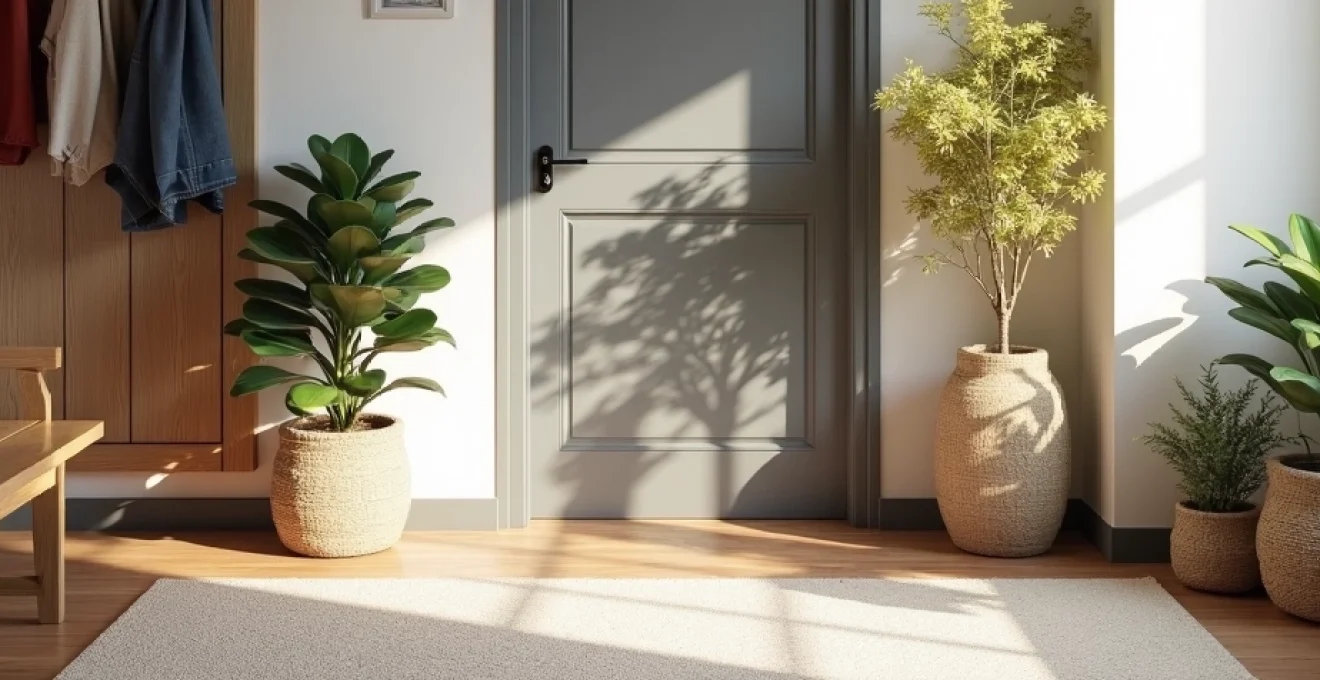
The entryway serves as the crucial threshold between the external world and your personal sanctuary, setting the tone for every homecoming and guest arrival. As seasons shift throughout the year, this transitional space offers unique opportunities to reflect nature’s changing palette whilst maintaining functionality and warmth. Modern interior design principles emphasise the importance of creating entryways that adapt seamlessly to seasonal variations without requiring complete overhauls every few months.
Successful seasonal entryway styling requires a delicate balance between aesthetic appeal and practical functionality. The space must accommodate fluctuating weather conditions, varying storage needs, and the psychological shift that accompanies each seasonal transition. Whether welcoming guests during autumn gatherings or providing refuge from winter storms, your entryway becomes a barometer of hospitality and personal style.
Contemporary design trends increasingly favour adaptable spaces that can transform with minimal intervention, making seasonal entryway styling both an art and a strategic investment in your home’s overall appeal.
Seasonal colour psychology and palette selection for entryway design
Colour psychology plays a fundamental role in how visitors perceive your home’s atmosphere from the moment they cross the threshold. Research indicates that specific colour combinations can influence mood, energy levels, and even decision-making processes within the first thirty seconds of entering a space. The strategic implementation of seasonal colour palettes creates an emotional journey that begins at your front door and extends throughout your home.
Understanding the psychological impact of different colour combinations enables homeowners to create entryways that not only look visually appealing but also generate specific emotional responses. Warm colours tend to create feelings of comfort and intimacy, whilst cooler tones promote tranquillity and spaciousness. The key lies in selecting colours that complement your home’s existing architecture whilst providing enough flexibility for seasonal adaptation.
Warm autumn hues: incorporating terracotta, burnt orange, and deep burgundy
Autumn’s rich colour palette draws inspiration from nature’s dramatic transformation, with leaves shifting from vibrant greens to deep oranges, russets, and burgundies. Incorporating terracotta elements through ceramic planters, decorative bowls, or accent walls creates an immediate connection to the earth’s changing landscape. These earthy tones provide psychological comfort during the transition from summer’s brightness to winter’s introspection.
Burnt orange accents serve as powerful focal points without overwhelming smaller entryway spaces. Consider incorporating this warming hue through statement lighting fixtures , throw cushions on entryway seating, or carefully selected artwork. Deep burgundy adds sophistication and depth, working particularly well in spaces with limited natural light where richer colours can create intimacy rather than claustrophobia.
Winter minimalism: utilising charcoal, cream, and metallic accents
Winter’s palette embraces the beauty of restraint, drawing from snow-covered landscapes and bare winter branches. Charcoal grey provides grounding and sophistication whilst maintaining enough warmth to prevent the space from feeling stark. This versatile neutral serves as an excellent backdrop for seasonal decorative elements and can transition seamlessly into spring with minor accessory adjustments.
Cream tones introduce softness and light during the darker winter months, particularly effective when used in textiles such as cushions, throws, or area rugs. Metallic accents in brushed gold, copper, or pewter add luxury and reflect available light, creating visual interest even on the gloomiest winter days. These elements work together to create a sense of refined simplicity that welcomes without overwhelming.
Spring renewal schemes: implementing sage green, soft pink, and natural linen tones
Spring’s arrival calls for colours that reflect renewal, growth, and optimism. Sage green connects directly to nature’s awakening whilst providing a calming, grounding influence that works beautifully with both traditional and contemporary architectural styles. This sophisticated green serves as an excellent foundation colour that can be enhanced with seasonal accents throughout the year.
Soft pink tones, often overlooked in entryway design, create surprising sophistication when applied thoughtfully. These hues work particularly well in morning light, creating a welcoming glow that energises both residents and visitors. Natural linen tones provide textural interest whilst maintaining the fresh, airy feeling associated with spring cleaning and renewal.
Summer coastal influences: deploying navy, coral, and weathered wood finishes
Summer design schemes often draw inspiration from coastal environments, creating associations with relaxation, vacation, and outdoor living. Navy blue provides depth and stability whilst maintaining a fresh, maritime connection that feels appropriate throughout the warmer months. This classic colour works exceptionally well in entryways with white or cream architectural details.
Coral accents introduce warmth and energy without the intensity of traditional orange or red tones. These vibrant touches work effectively in smaller doses through decorative accessories, artwork, or textile accents. Weathered wood finishes complete the coastal aesthetic whilst providing textural contrast against painted surfaces and modern materials.
Strategic lighting solutions for Year-Round entryway functionality
Lighting design significantly impacts both the functionality and aesthetic appeal of entryway spaces, with seasonal variations in natural light requiring adaptable artificial lighting solutions. Professional lighting designers emphasise the importance of layered lighting approaches that combine ambient, task, and accent lighting to create spaces that function effectively regardless of time of day or season. The challenge lies in creating lighting schemes flexible enough to accommodate both bright summer evenings and dark winter afternoons.
Effective entryway lighting should create a seamless transition from exterior to interior whilst providing adequate illumination for practical tasks such as key location, mail sorting, and coat removal.
Pendant light positioning and dimmer control systems
Pendant lighting serves as both functional illumination and decorative statement pieces in entryway design. Proper positioning requires consideration of ceiling height, traffic flow patterns, and the scale of surrounding architectural elements. Most design professionals recommend hanging pendants approximately 2.4 metres from the floor in standard-height entryways, ensuring adequate clearance for taller individuals whilst maintaining visual balance.
Dimmer control systems transform static lighting into dynamic, adaptable illumination that responds to seasonal and daily variations. Modern dimmer technologies offer precise control over light levels, enabling homeowners to create intimate evening atmospheres or bright, welcoming daytime environments with simple adjustments. Smart dimmer systems can be programmed to adjust automatically based on time of day or season.
Natural light optimisation through window treatment selection
Window treatments in entryway spaces must balance privacy requirements with natural light optimisation, particularly challenging given the public-facing nature of most entrances. Seasonal adjustments to window coverings can dramatically impact the perceived warmth and openness of the space whilst addressing practical concerns such as heat gain in summer or heat loss in winter.
Layered window treatment approaches offer maximum flexibility, combining privacy panels with decorative treatments that can be adjusted seasonally. Sheer panels maintain privacy whilst maximising natural light during darker months, whilst heavier treatments provide insulation and reduced glare during intense summer periods. Consider treatments that complement your seasonal colour schemes whilst maintaining year-round functionality.
Task lighting integration for practical key and mail management
Task lighting addresses the practical requirements of entryway spaces, ensuring adequate illumination for daily activities regardless of natural light conditions. Key management areas require focused lighting that eliminates shadows and provides clear visibility of small objects. LED strip lighting concealed beneath floating shelves or within shallow drawers creates effective task lighting without adding visual clutter.
Mail management zones benefit from dedicated lighting that enables easy reading and sorting activities. Wall-mounted adjustable fixtures or strategically positioned table lamps provide focused illumination whilst contributing to the overall design scheme. Consider fixtures with directional capabilities that can be adjusted as seasonal decorative elements change position within the space.
Ambient lighting layers using wall sconces and floor lamps
Ambient lighting creates the foundational illumination that establishes mood and atmosphere within entryway spaces. Wall sconces provide excellent ambient lighting whilst conserving valuable floor space in smaller entryways. The key to successful sconce placement lies in creating even light distribution that eliminates harsh shadows whilst complementing other lighting sources.
Floor lamps offer flexibility and can be relocated as seasonal decorating needs change. Contemporary designs include sculptural elements that serve as decorative focal points during daylight hours. Consider floor lamps with multiple light sources or adjustable elements that can provide both ambient and task lighting as needed. Battery-operated options eliminate the constraints of electrical outlet placement whilst maintaining design flexibility.
Textile and soft furnishing rotation strategies
The strategic rotation of textiles and soft furnishings provides one of the most effective methods for achieving seasonal transformation without significant investment or structural changes. Professional interior designers utilise textile rotation as a cost-effective approach to maintaining fresh, current aesthetics whilst addressing seasonal comfort requirements. The key lies in developing a systematic approach that maximises impact whilst minimising storage requirements and maintenance demands.
Successful textile rotation requires careful consideration of durability, maintenance requirements, and storage solutions. High-traffic entryway spaces demand fabrics that can withstand frequent use whilst maintaining their aesthetic appeal throughout the season. Natural fibres such as wool, cotton, and linen offer excellent durability and seasonal appropriateness, whilst synthetic blends provide enhanced stain resistance and easier maintenance.
Storage solutions for off-season textiles should protect fabrics from dust, moisture, and pest damage whilst maintaining easy accessibility for seasonal transitions. Vacuum-sealed storage bags maximise space efficiency, whilst cedar-lined containers provide natural pest protection. Consider dedicating specific storage areas to entryway textiles to streamline the rotation process and ensure items remain in optimal condition.
The timing of textile rotations should align with both weather patterns and psychological seasonal transitions. Early transitions create anticipation and excitement for upcoming seasons, whilst delayed changes extend the enjoyment of particularly appealing seasonal schemes. Most design professionals recommend planning textile rotations approximately two to three weeks before major seasonal weather shifts to ensure optimal comfort and aesthetic appeal.
Colour coordination between rotating textile elements ensures cohesive seasonal schemes without requiring complete replacement of all soft furnishings. Establishing base colours that work across multiple seasons allows for accent colour variations that provide seasonal interest whilst maintaining overall harmony. This approach significantly reduces storage requirements and investment costs whilst maintaining design sophistication.
Storage architecture and organisational systems
Effective storage architecture forms the foundation of functional entryway design, requiring careful integration of seasonal storage needs with daily operational requirements. Modern entryway storage solutions must accommodate varying seasonal item volumes whilst maintaining aesthetic appeal and accessibility. The challenge lies in creating systems flexible enough to adapt to changing storage needs without compromising the visual integrity of the space.
Professional storage design recognises that entryway storage requirements fluctuate significantly throughout the year, with winter months typically requiring three to four times the storage capacity of summer periods.
Built-in bench seating with hidden compartment design
Built-in bench seating with integrated storage provides dual functionality whilst maximising space efficiency in smaller entryways. The design requires careful consideration of seat height, depth, and cushioning to ensure comfort during shoe changes whilst maintaining adequate storage capacity beneath. Standard bench depths of 40-45 centimetres provide comfortable seating whilst accommodating seasonal item storage.
Hidden compartment design within bench seating enables discreet storage of seasonal items such as scarves, gloves, or light jackets without disrupting the clean lines of the entryway design. Soft-close hinges prevent noise disturbance whilst ensuring long-term durability. Consider compartment dividers or removable organisers that adapt to varying seasonal storage requirements whilst maintaining organisation and accessibility.
Wall-mounted hook systems and coat rail installation
Wall-mounted hook systems offer flexible storage solutions that adapt to seasonal clothing variations and changing family needs. Modern hook systems range from simple individual hooks to sophisticated rail systems with adjustable components. The key to successful hook placement lies in considering the varying lengths and weights of seasonal garments whilst maintaining visual balance and accessibility.
Coat rail installation requires careful attention to wall structure and weight distribution, particularly when accommodating heavy winter coats or multiple family members’ belongings. Professional installation ensures adequate support whilst preventing wall damage over time. Consider rail systems with seasonal adjustment capabilities that can accommodate varying garment lengths and storage requirements throughout the year.
Umbrella stand integration and shoe storage solutions
Umbrella stand integration presents unique challenges due to the wet conditions associated with umbrella use and the varying seasonal requirements for umbrella storage. Effective solutions incorporate drainage systems and removable liners that facilitate easy cleaning and maintenance. Consider stands with adjustable compartments that accommodate both compact travel umbrellas and full-size family umbrellas.
Shoe storage solutions must address both seasonal variety and daily accessibility requirements. Winter boots require significantly more space than summer sandals, necessitating adaptable storage configurations that can accommodate seasonal variations. Ventilated storage prevents moisture buildup whilst maintaining organisation and easy access to frequently used footwear.
Seasonal item rotation using modular storage units
Modular storage units provide maximum flexibility for seasonal item rotation whilst maintaining consistent aesthetic appeal throughout the year. These systems typically incorporate interchangeable components that can be reconfigured as seasonal storage needs change. The modular approach enables homeowners to invest in storage solutions that grow and adapt with changing family needs and seasonal requirements.
Effective modular systems combine closed storage for off-season items with open storage for current seasonal needs. This approach maintains visual organisation whilst ensuring easy access to frequently used items. Consider systems with labeling capabilities that facilitate quick identification of stored seasonal items during transition periods.
Flooring material selection and seasonal maintenance protocols
Flooring selection for entryway spaces requires balancing aesthetic preferences with practical durability requirements that accommodate seasonal weather variations and increased foot traffic. Professional flooring specialists emphasise the importance of selecting materials that can withstand moisture, temperature fluctuations, and the mechanical wear associated with seasonal footwear changes. The challenge lies in identifying materials that maintain their aesthetic appeal whilst providing reliable performance throughout varying seasonal conditions.
Seasonal maintenance protocols significantly impact the longevity and appearance of entryway flooring, with specific seasonal challenges requiring targeted maintenance approaches. Winter conditions introduce salt, moisture, and abrasive materials that can damage unprepared flooring surfaces. Summer months present different challenges, including increased UV exposure, higher traffic volumes, and potential heat damage. Developing comprehensive maintenance schedules ensures optimal flooring performance whilst preserving aesthetic appeal throughout seasonal transitions.
Material selection should consider both immediate aesthetic impact and long-term maintenance requirements. Natural stone provides excellent durability and seasonal appropriateness but requires specific maintenance protocols to prevent damage from seasonal weather conditions. Engineered materials often provide enhanced durability and reduced maintenance requirements whilst offering extensive aesthetic options that complement various seasonal design schemes.
The integration of area rugs and seasonal floor coverings provides additional protection for underlying flooring whilst enabling easy seasonal aesthetic updates. High-quality entrance mats extend the life of primary flooring materials whilst providing slip resistance and moisture absorption during challenging weather conditions. Consider layered approaches that combine permanent flooring solutions with seasonal protective elements that can be easily updated or replaced as needed.
Professional maintenance services provide expertise in addressing seasonal flooring challenges whilst ensuring optimal performance throughout the year. Seasonal deep cleaning, protective treatments, and preventive maintenance significantly extend flooring life whilst maintaining aesthetic appeal. Consider establishing relationships with qualified maintenance professionals who understand the specific requirements of your chosen flooring materials and seasonal usage patterns.
Botanical integration and seasonal plant selection for entryways
Botanical elements provide natural seasonal transitions whilst improving air quality and creating welcoming atmospheres in entryway spaces. The strategic selection and placement of plants enables continuous seasonal interest without requiring extensive maintenance or replacement schedules. Professional landscape designers emphasise the importance of selecting plant varieties that thrive in entryway conditions whilst providing seasonal visual interest through foliage changes, flowering cycles, or fruiting displays.
Seasonal plant rotation strategies enable continuous botanical interest whilst accommodating the specific growing requirements of different plant species. Spring bulb displays provide early season colour and optimism, whilst summer flowering plants extend the growing season’s impact into interior spaces. Autumn foliage plants create natural connections to exterior seasonal changes, whilst winter evergreen selections maintain botanical presence during dormant periods.
Container gardening approaches provide maximum flexibility for seasonal plant displays whilst accommodating the space constraints typical of entryway environments. Modular container systems enable easy rearrangement and seasonal updates without permanent landscape installation. Consider container materials that complement your seasonal design schemes whilst providing adequate drainage and root space for selected plant varieties.
Lighting considerations for botanical displays ensure optimal plant health whilst enhancing the aesthetic impact of seasonal plant selections. Many entryway spaces receive limited natural light, necessitating supplemental lighting systems that support plant growth whilst contributing to overall lighting design. LED grow light technologies provide energy-efficient solutions that integrate seamlessly with contemporary design aesthetics whilst supporting year-round botanical displays.
Maintenance scheduling for entryway botanical displays should align with seasonal transitions and plant growth cycles. Regular watering, pruning, and fertilising schedules ensure optimal plant health whilst maintaining
aesthetic appeal throughout the seasonal transition periods. Dead-heading spent flowers, removing damaged foliage, and rotating container positions ensure optimal light exposure whilst maintaining visual appeal. Consider developing maintenance calendars that coordinate plant care activities with broader seasonal decorating transitions to maximise efficiency and visual impact.
Professional horticultural consultation provides valuable expertise in selecting plant varieties that thrive in specific entryway conditions whilst delivering desired seasonal aesthetic outcomes. Many homeowners underestimate the unique environmental challenges presented by entryway spaces, including temperature fluctuations, limited air circulation, and varying light conditions. Expert guidance ensures successful plant selection whilst minimising maintenance requirements and replacement costs.
Integrated watering systems simplify maintenance requirements whilst ensuring consistent plant health throughout seasonal transitions. Drip irrigation systems can be concealed within decorative containers, providing automated watering schedules that adapt to seasonal plant requirements. Self-watering containers offer excellent solutions for busy homeowners whilst maintaining the flexibility required for seasonal plant rotations. These systems prove particularly valuable during travel periods or extended seasonal transitions when consistent care becomes challenging.
The psychological impact of botanical elements in entryway design extends beyond mere aesthetic appeal, creating subconscious connections to natural cycles and seasonal rhythms. Research indicates that exposure to living plants reduces stress levels and improves mood, particularly beneficial in transition spaces where daily stress from external environments meets the sanctuary of home. Seasonal plant selections can reinforce these psychological benefits by providing visual cues that celebrate natural seasonal progressions whilst creating anticipation for upcoming seasonal changes.
Fragrant plant selections enhance the sensory experience of seasonal entryway design, creating memorable olfactory associations that strengthen the emotional connection between seasons and home environments. Spring flowering bulbs such as hyacinths or narcissus provide intense fragrance that signals seasonal renewal. Summer herbs like lavender or rosemary offer pleasant scents whilst providing practical culinary applications. Autumn selections might include ornamental cabbage or late-blooming chrysanthemums, whilst winter evergreen arrangements provide subtle, refreshing fragrances during enclosed winter months.
Scale considerations for botanical displays ensure appropriate visual balance within entryway spaces without overwhelming architectural features or obstructing traffic flow. Large-scale containers work effectively in spacious foyers, providing dramatic seasonal focal points that can accommodate substantial plant displays. Smaller entryways benefit from multiple smaller containers that can be rearranged seasonally to create varying visual compositions. Vertical growing systems maximise botanical impact in space-constrained environments whilst providing opportunities for creative seasonal displays.
Seasonal colour coordination between botanical elements and broader design schemes creates cohesive aesthetic experiences that reinforce seasonal themes throughout the entryway space. Spring plant selections should complement the sage greens and soft pinks identified in seasonal colour schemes, whilst summer botanical displays can incorporate coral tones and coastal influences. Autumn plant choices should reinforce the warm terracotta and burgundy palettes, whilst winter selections complement the sophisticated charcoal and cream minimalism associated with winter design schemes.
Consider the long-term investment potential of botanical elements when developing seasonal plant selection strategies. Perennial plants and evergreen selections provide consistent value whilst reducing annual replacement costs. These foundational plantings can be enhanced with seasonal annual additions that provide colour variation and flowering interest without requiring complete display replacement. This layered approach ensures continuous botanical presence whilst enabling budget-friendly seasonal updates that maintain fresh, current aesthetics throughout the year.