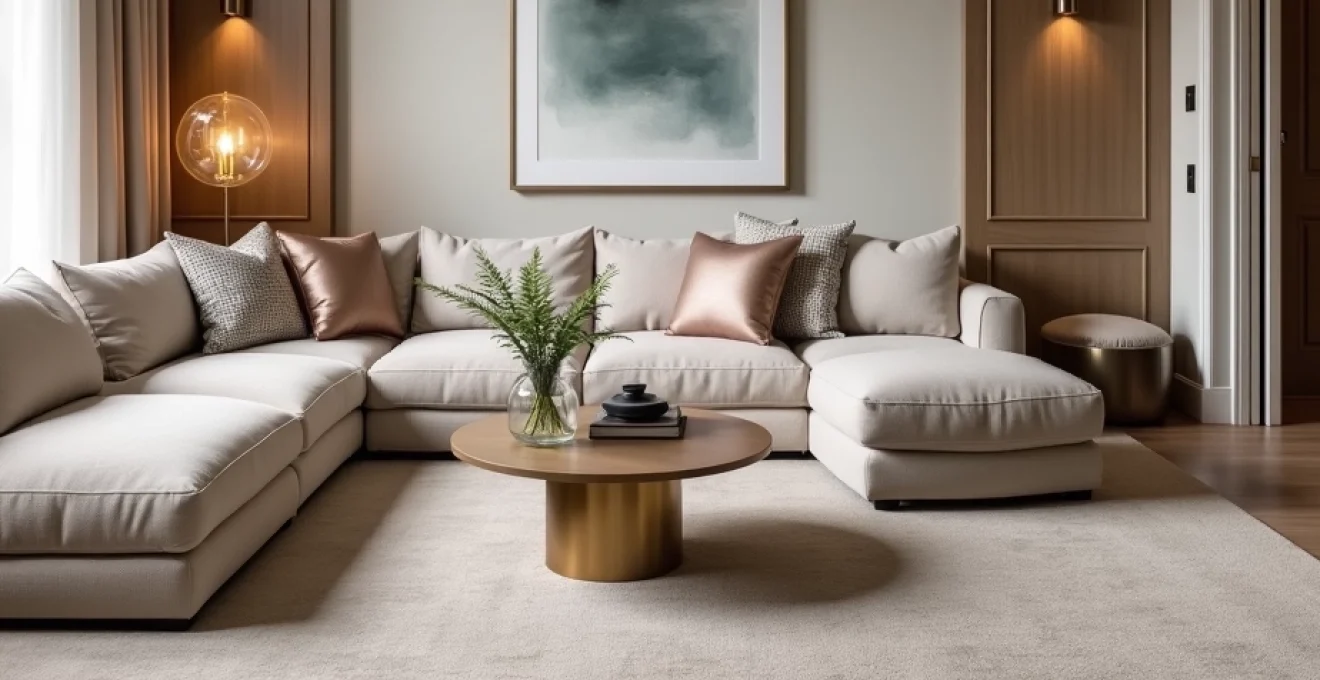
The artful incorporation of metallic accents in interior design has evolved from bold statement pieces to sophisticated, nuanced applications that create depth and visual interest without overwhelming a space. Modern designers increasingly recognise the transformative power of metallic finishes when applied strategically throughout residential and commercial environments. These lustrous elements serve as bridges between different design styles, offering versatility that complements both contemporary minimalism and traditional elegance.
Today’s metallic accent trends emphasise subtlety over ostentation, with brushed finishes, aged patinas, and warm-toned metals taking precedence over highly polished chrome and brass fixtures. This shift reflects a broader movement towards creating intimate, welcoming spaces that feel both luxurious and liveable. Understanding how to balance metallic elements with existing architectural features, natural materials, and lighting conditions becomes essential for achieving the desired aesthetic impact.
Strategic implementation of metallic finishes in contemporary interior design
The successful integration of metallic accents requires careful consideration of proportion, placement, and tonal harmony within existing design frameworks. Contemporary interior design approaches metallic finishes as accent elements rather than dominant features, allowing them to enhance architectural details and create visual continuity throughout connected spaces. This methodology ensures that metallic elements contribute to the overall design narrative rather than competing for attention.
Professional designers typically limit metallic finishes to three complementary tones within a single space, preventing visual confusion whilst maintaining design coherence. This approach allows for subtle variation in metallic applications whilst preserving the sophisticated restraint that characterises well-executed contemporary interiors. The strategic placement of these elements creates natural focal points that guide the eye through the space without creating overwhelming visual stimulation.
Rose gold application techniques for warm ambient lighting
Rose gold finishes have emerged as particularly effective choices for creating warm, inviting atmospheres in both residential and hospitality environments. The subtle pink undertones inherent in rose gold create a flattering ambient glow that complements warm wood tones and neutral colour palettes. When applied to lighting fixtures, rose gold finishes cast particularly appealing shadows that enhance the textural qualities of surrounding materials.
The optimal application of rose gold typically involves pendant lights, table lamps, and accent sconces where the metallic finish can interact directly with light sources. This interaction creates the warm luminosity that makes rose gold particularly valuable in dining areas, bedrooms, and living spaces where comfortable ambience takes precedence over task-oriented lighting. Professional installation techniques ensure that rose gold fixtures maintain their lustre whilst developing the subtle patina that enhances their appeal over time.
Brushed brass hardware integration with natural wood elements
Brushed brass represents one of the most versatile metallic finishes for contemporary interiors, offering warmth without the high-maintenance requirements of polished brass alternatives. The matte surface texture of brushed brass provides visual interest whilst minimising fingerprints and water spots that can detract from the finish’s appearance. This practical consideration makes brushed brass particularly suitable for high-touch applications such as door handles, cabinet hardware, and bathroom fixtures.
When combined with natural wood elements, brushed brass creates a sophisticated contrast that highlights the organic qualities of timber whilst adding refined metallic accents. The warm golden tones inherent in brass complement the natural grain patterns found in oak, walnut, and other hardwoods commonly used in contemporary furniture and architectural millwork. Professional joiners and cabinet makers increasingly specify brushed brass hardware for custom installations where durability and aesthetic appeal must coexist.
Copper patina development methods for authentic aged aesthetics
Copper’s unique ability to develop natural patina over time makes it an exceptional choice for designers seeking authentic aged aesthetics in their metallic accent applications. The oxidation process that creates copper’s characteristic green-blue patina can be accelerated through controlled chemical treatments, allowing designers to achieve desired aesthetic effects within project timelines. This controlled patina development ensures consistent colouration whilst maintaining the authentic appearance that makes aged copper so appealing.
Professional metalworkers employ various techniques to achieve specific patina effects, from subtle bronzing to dramatic verdigris finishes that complement both traditional and contemporary design schemes. The living finish quality of copper means that these elements continue to evolve aesthetically over time, creating dynamic visual interest that changes with environmental conditions and usage patterns. This evolutionary quality makes copper particularly suitable for exterior applications and interior spaces where natural ageing processes enhance rather than detract from the overall design intent.
Champagne bronze coordination with neutral colour palettes
Champagne bronze represents a sophisticated middle ground between traditional brass and contemporary brushed nickel finishes, offering warmth and depth without the boldness that characterises more saturated metallic tones. This subtle metallic finish works particularly well within neutral colour palettes dominated by greys, beiges, and warm whites, where it provides visual interest without disrupting the calming qualities that make neutral schemes so popular in contemporary design.
The versatility of champagne bronze extends to both traditional and contemporary design applications, making it an excellent choice for clients who appreciate classic elegance with modern sensibilities. Professional designers often specify champagne bronze for transitional spaces where different design styles must coexist harmoniously, such as open-plan homes where kitchen, dining, and living areas flow together. The consistent application of champagne bronze hardware, lighting fixtures, and decorative elements creates visual continuity whilst allowing other design elements to take centre stage.
Architectural hardware selection for metallic accent enhancement
The selection of architectural hardware represents one of the most impactful yet cost-effective methods for introducing metallic accents throughout interior spaces. Quality hardware serves dual functions, providing essential functionality whilst contributing to the overall aesthetic character of rooms. Professional designers understand that hardware selection can dramatically influence the perceived quality and sophistication of interior environments, making careful specification essential for successful project outcomes.
Contemporary architectural hardware manufacturers offer extensive ranges of finishes and styles that accommodate diverse design preferences whilst maintaining consistency across product lines. This consistency allows designers to specify complementary pieces throughout entire projects, ensuring that door hardware, cabinet pulls, bathroom fixtures, and decorative elements work together harmoniously. The initial investment in quality architectural hardware typically pays dividends through enhanced durability, improved functionality, and lasting aesthetic appeal.
Schlage addison series door hardware in aged bronze finishes
The Schlage Addison series exemplifies the sophisticated approach to door hardware that characterises contemporary luxury interiors. The aged bronze finish provides rich, warm tones that complement traditional and transitional design schemes whilst offering the durability and security features expected from premium architectural hardware. The subtle texture inherent in aged bronze finishes helps minimise the appearance of everyday wear whilst maintaining the lustrous quality that makes metallic accents so appealing.
Professional installation of Schlage Addison hardware ensures proper alignment and smooth operation whilst preserving the finish integrity that contributes to long-term aesthetic appeal. The comprehensive range of Addison products allows for consistent specification throughout entire projects, from entry doors to interior passages and privacy applications. This consistency creates the cohesive design language that distinguishes professionally designed interiors from amateur applications where mismatched hardware detracts from overall sophistication.
Emtek crystal cabinet knobs with polished chrome backplates
Emtek’s crystal cabinet knobs with polished chrome backplates represent the sophisticated fusion of traditional crystal craftsmanship with contemporary metallic finishes. The optical clarity of precision-cut crystal creates brilliant light refraction that adds sparkle to kitchen and bathroom cabinetry whilst the polished chrome backplates provide clean, modern contrast. This combination works particularly well in spaces where natural light can interact with the crystal elements to create dynamic visual effects throughout the day.
The installation of Emtek crystal knobs requires careful attention to mounting techniques that preserve both the crystal elements and chrome finishes whilst ensuring secure attachment to cabinet doors and drawer fronts. Professional cabinet makers often specify these sophisticated hardware elements for high-end residential projects where distinctive details contribute to overall luxury appeal. The timeless combination of crystal and chrome ensures that these hardware investments remain stylistically relevant across changing design trends.
Baldwin estate collection lever sets in venetian bronze
Baldwin’s Estate Collection lever sets in Venetian bronze finish represent the pinnacle of architectural hardware craftsmanship, combining traditional manufacturing techniques with contemporary design sensibilities. The rich, complex colouration of Venetian bronze provides depth and character that enhances both traditional and contemporary door installations. The substantial feel and smooth operation of Baldwin lever sets contribute to the tactile experience that distinguishes luxury interiors from standard applications.
The specification of Baldwin Estate Collection hardware typically involves consultation with certified dealers who can ensure proper sizing, functionality, and finish coordination across entire projects. The investment in premium architectural hardware like Baldwin lever sets pays dividends through enhanced security, improved durability, and the sophisticated aesthetic appeal that contributes to property value. Professional installation techniques ensure optimal performance whilst preserving the finish integrity that maintains the hardware’s appearance over decades of use.
Waterworks studio pull handles in unlacquered brass
Waterworks Studio pull handles in unlacquered brass offer the authentic patina development that distinguishes genuine brass hardware from lacquered alternatives that maintain static appearance over time. The natural ageing process of unlacquered brass creates the living finish that adds character and authenticity to kitchen and bathroom installations. This evolutionary quality makes unlacquered brass particularly appealing to clients who appreciate the honest expression of materials and the subtle changes that occur through natural oxidation processes.
The maintenance requirements of unlacquered brass hardware differ significantly from lacquered alternatives, requiring periodic cleaning and polishing to maintain desired appearance levels. Professional designers typically educate clients about these maintenance considerations whilst emphasising the unique aesthetic qualities that make unlacquered brass worth the additional care requirements. The warm, golden tones of aged brass complement natural materials like stone and wood whilst providing sophisticated contrast to painted cabinetry and tile installations.
Lighting fixture metallic coordination systems
The coordination of metallic finishes across lighting fixtures creates the visual continuity that distinguishes professionally designed interiors from amateur applications where mismatched metals create distracting visual confusion. Contemporary lighting design emphasises the importance of establishing consistent metallic themes that complement architectural elements whilst providing appropriate illumination for various functional requirements. This coordination extends beyond mere aesthetic considerations to include technical factors such as light output, energy efficiency, and maintenance accessibility.
Professional lighting designers typically develop comprehensive specifications that address both decorative and functional requirements whilst ensuring compatibility between different fixture types and manufacturers. The strategic placement of metallic lighting elements can enhance architectural features, create focal points, and establish visual hierarchy within complex interior environments. Understanding how different metallic finishes interact with various light sources becomes essential for achieving optimal aesthetic and functional outcomes in sophisticated lighting installations.
Quality lighting fixtures with carefully selected metallic finishes can transform ordinary spaces into extraordinary environments that feel both luxurious and welcoming.
Restoration hardware vintage factory pendant installation protocols
Restoration Hardware’s Vintage Factory pendant series exemplifies the industrial-inspired design movement that has influenced contemporary interior aesthetics across residential and commercial applications. The authentic aged finishes and substantial construction of these fixtures require careful installation protocols that ensure both safety and aesthetic integrity. Professional electricians familiar with heavy pendant installations understand the structural requirements necessary to support these substantial fixtures whilst maintaining proper clearances and electrical safety standards.
The patinated metal finishes characteristic of Vintage Factory pendants develop additional character over time through natural oxidation processes that enhance their authentic industrial appearance. The substantial weight and large scale of these fixtures make them particularly suitable for spaces with high ceilings and open floor plans where dramatic lighting statements enhance rather than overwhelm the architectural context. Proper dimming controls allow these fixtures to provide both ambient and task lighting whilst showcasing their distinctive metallic finishes.
Visual comfort studio linear chandelier brass accent integration
Visual Comfort Studio’s linear chandeliers with brass accents represent the sophisticated approach to contemporary lighting design that balances dramatic scale with refined metallic details. The clean geometric forms characteristic of these fixtures provide striking visual impact whilst the brass accents add warmth and sophistication that prevents the fixtures from appearing stark or industrial. Professional installation requires careful attention to mounting systems that can support the substantial weight whilst maintaining perfect alignment essential for optimal aesthetic effect.
The brass accent elements in Visual Comfort Studio chandeliers typically feature brushed or antiqued finishes that provide visual interest whilst minimising maintenance requirements associated with highly polished metallic surfaces. The architectural quality of these fixtures makes them suitable for both residential and commercial applications where distinctive lighting statements contribute to overall design sophistication. Proper integration with lighting control systems allows these fixtures to provide flexible illumination options whilst showcasing their sophisticated metallic details.
West elm molecular sconce antique brass wall mounting techniques
West Elm’s Molecular sconce series in antique brass finish demonstrates how contemporary design can incorporate traditional metallic finishes in fresh, unexpected ways. The spherical forms and branching structures of these fixtures create visual interest whilst the antique brass finish provides warmth and sophistication that complements both modern and traditional interiors. Professional installation requires careful attention to wall structure and electrical routing that ensures safe, secure mounting whilst preserving wall finish integrity.
The antique brass finish of Molecular sconces develops subtle variations in colouration and texture over time through natural oxidation processes that enhance their handcrafted appearance. The geometric precision of these fixtures creates striking shadow patterns when illuminated, adding another layer of visual interest to wall installations. Careful consideration of placement height and spacing ensures optimal light distribution whilst maximising the decorative impact of these distinctive metallic fixtures.
CB2 axiom table lamp chrome finish room placement strategies
CB2’s Axiom table lamp in chrome finish exemplifies the clean, minimalist aesthetic that characterises contemporary task lighting whilst providing the reflective metallic surfaces that add sophistication to modern interiors. The highly polished chrome finish creates brilliant light reflection that can enhance ambient lighting levels whilst the geometric form provides distinctive decorative impact. Strategic placement of chrome-finished table lamps can create visual continuity with other metallic elements whilst providing essential task lighting for reading and detailed work.
The maintenance requirements of polished chrome finishes differ significantly from brushed or antiqued alternatives, requiring regular cleaning to maintain the brilliant reflective quality that makes chrome so visually striking. Professional interior designers often specify chrome-finished lighting elements for spaces where clean, contemporary aesthetics take precedence over low-maintenance considerations. The cool tones inherent in chrome finishes complement modern colour palettes dominated by greys, whites, and other neutral tones that emphasise sophisticated restraint.
Textile and soft furnishing metallic thread applications
The integration of metallic threads into textile applications represents one of the most subtle yet effective methods for introducing lustrous accents throughout interior spaces. Contemporary textile manufacturers have developed sophisticated techniques for incorporating metallic elements that provide visual interest without the stiffness or discomfort associated with earlier metallic thread applications. These advances allow designers to specify luxurious metallic accents in upholstery, window treatments, and decorative accessories that maintain comfort whilst adding sophisticated shimmer.
Professional upholsterers and window treatment fabricators understand the special handling requirements associated with metallic thread textiles, including appropriate cleaning methods, installation techniques, and maintenance protocols that preserve both appearance and functionality over time. The strategic placement of metallic textile elements can enhance natural and artificial lighting effects whilst creating visual connections between different areas within open-plan environments. Understanding how metallic threads interact with various fabric substrates becomes essential for achieving optimal aesthetic and performance outcomes.
The colour temperature of metallic threads significantly influences their compatibility with existing design elements and lighting conditions. Warm-toned metallic threads, such as gold and copper varieties, complement traditional colour palettes and incandescent lighting sources, whilst cool-toned options like silver and platinum work better with contemporary schemes and LED illumination. Professional textile designers often create custom colour samples that demonstrate how different metallic thread options will appear under specific lighting conditions and alongside particular colour combinations.
Durability considerations become particularly important when specifying metallic thread textiles for high-use applications such as seating upholstery and frequently handled window treatments. Advanced metallic thread manufacturing techniques have significantly improved resistance to tarnishing, fraying, and colour fading that historically limited the practical applications of these luxurious materials. However, proper specification still requires careful attention to thread composition, weave structure, and finishing processes that influence long-term performance and appearance retention.
Bathroom and kitchen metallic fixture harmonisation
The coordination of metallic finishes across kitchen and bathroom fixtures creates the sophisticated consistency that characterises professionally designed residential projects. These high-use environments require careful balance between aesthetic appeal and practical functionality, making fixture selection particularly critical for long-term satisfaction and performance. Contemporary manufacturers offer comprehensive fixture collections that allow designers to specify complementary pieces across different functional requirements whilst maintaining consistent metallic themes throughout connected spaces.
Professional plumbing contractors understand the installation and maintenance requirements associated with different metallic finishes, including appropriate cleaning methods, replacement part availability, and long-term performance characteristics that influence fixture selection decisions. The substantial investment in quality bathroom and kitchen fixtures typically justifies careful specification processes that consider both immediate aesthetic impact and long-term durability requirements. Understanding how different metallic finishes respond to moisture, cleaning chemicals, and daily use becomes essential for maintaining the sophisticated appearance that makes these investments worthwhile.
The integration of
metallic finishes with smart home technology requires careful consideration of both aesthetic and functional requirements. Voice-activated faucets and temperature-controlled shower systems can be seamlessly integrated with brushed brass, champagne bronze, or matte black finishes that complement contemporary design schemes whilst providing advanced functionality. Professional installation ensures proper integration of electronic components with decorative metallic housings that maintain sophisticated appearance whilst delivering cutting-edge performance.
Water quality considerations significantly influence the selection of metallic finishes for kitchen and bathroom applications, as minerals and chemicals in municipal water supplies can affect the appearance and longevity of different metallic surfaces. Professional plumbers often recommend specific finish types based on local water conditions, with some metallic finishes proving more resistant to mineral deposits and discolouration than others. Regular maintenance protocols vary significantly between different metallic finishes, making client education essential for preserving the sophisticated appearance that justifies premium fixture investments.
The thermal properties of different metallic finishes influence user comfort and safety in bathroom and kitchen applications, particularly for fixtures that come into direct contact with hot water or steam. Brushed finishes typically feel warmer to the touch than highly polished alternatives, whilst certain alloy compositions provide better heat dissipation for applications involving extreme temperature variations. Understanding these thermal characteristics allows designers to specify appropriate metallic finishes that enhance user experience whilst maintaining the aesthetic appeal that drives initial selection decisions.
Artwork and decorative object metallic frame selection criteria
The selection of metallic frames for artwork and decorative objects requires sophisticated understanding of how different finishes interact with various artistic media and surrounding design elements. Contemporary framing approaches emphasise subtle enhancement rather than dominant decoration, allowing metallic frames to provide sophisticated borders that highlight artwork without overwhelming delicate colour palettes or intricate details. Professional framers understand how different metallic finishes affect the perceived value and artistic integrity of framed pieces whilst ensuring appropriate protection for valuable artwork investments.
Museum-quality framing techniques incorporate metallic elements that provide both aesthetic appeal and conservation benefits, protecting valuable artwork from environmental damage whilst enhancing visual presentation. The chemical composition of metallic frame materials becomes particularly important for archival applications where long-term preservation takes precedence over immediate visual impact. Professional conservators often specify specific metallic alloys and finishes that provide optimal protection whilst maintaining the sophisticated appearance expected in high-end residential and commercial installations.
The scale relationship between metallic frames and artwork dimensions requires careful consideration to achieve optimal visual balance that enhances rather than overwhelms artistic content. Thin metallic frames work well for contemporary photography and minimalist artwork where clean lines and subtle enhancement take precedence over decorative impact. Conversely, substantial metallic frames can provide appropriate visual weight for large-scale paintings or important historical pieces where the framing treatment should reflect the significance of the content. Professional designers often create mock-ups that demonstrate how different metallic frame options will appear in specific lighting conditions and alongside particular wall treatments.
The maintenance requirements of different metallic frame finishes influence their suitability for various environmental conditions and handling requirements. Gallery environments with controlled climate conditions allow for delicate finishes that require minimal maintenance, whilst residential applications may benefit from more durable metallic treatments that withstand occasional handling and cleaning. Understanding how different metallic finishes respond to ultraviolet light, humidity fluctuations, and cleaning procedures becomes essential for maintaining the sophisticated appearance that makes quality framing investments worthwhile.
Contemporary decorative object display techniques increasingly incorporate metallic pedestals, shadow boxes, and display cases that enhance three-dimensional artwork whilst providing sophisticated presentation frameworks. The coordination of these metallic display elements with existing architectural finishes creates visual continuity that elevates the perceived value and importance of decorative collections. Professional museum display designers often specify custom metallic solutions that provide optimal lighting, security, and climate control whilst maintaining the aesthetic refinement expected in luxury residential and commercial environments.
The psychological impact of different metallic finishes influences viewer perception and emotional response to displayed artwork and decorative objects. Warm metallic tones such as gold and brass create intimate, welcoming atmospheres that encourage closer examination and emotional connection with displayed pieces. Cool metallic finishes like silver and platinum provide clean, gallery-like presentation that emphasises the artistic content whilst minimising distracting decorative elements. Understanding these psychological associations allows designers to specify appropriate metallic treatments that support the intended viewing experience and emotional impact of curated collections.