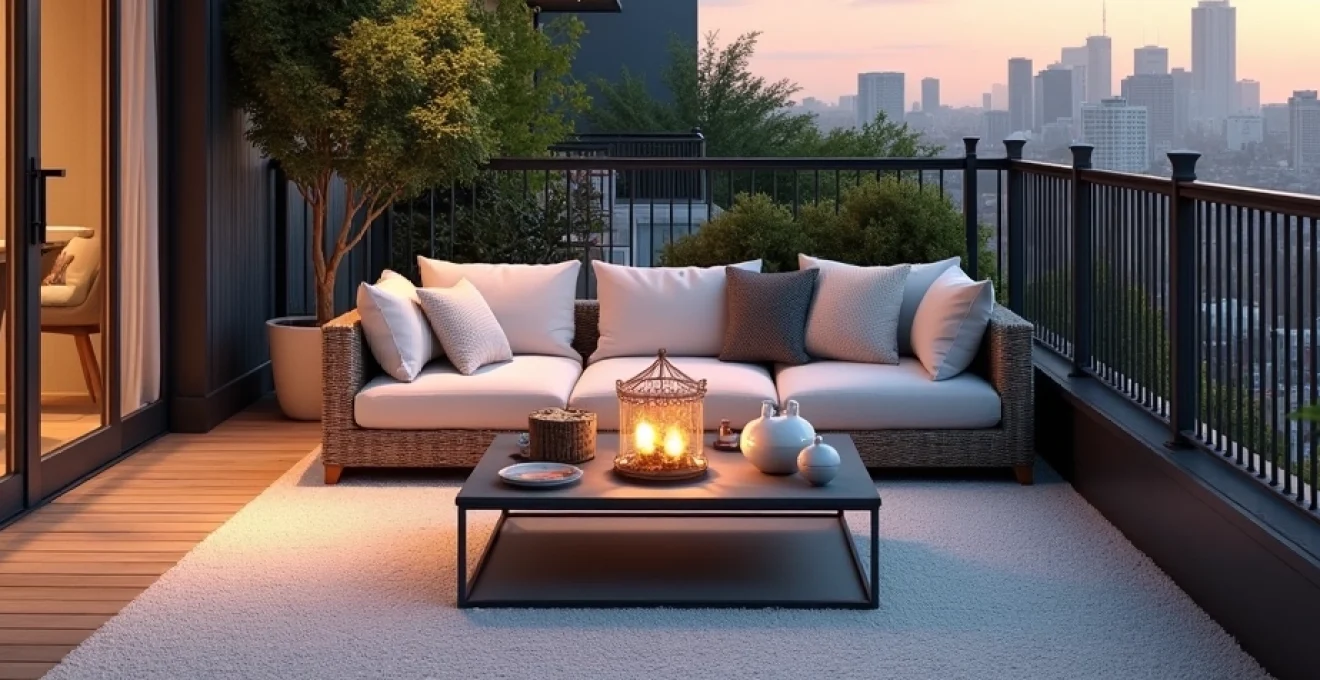
The humble balcony has evolved from a forgotten appendage to the modern home’s most coveted outdoor sanctuary. With urban living spaces becoming increasingly compact, these modest outdoor extensions represent precious opportunities to create tranquil retreats that seamlessly blend functionality with aesthetic appeal. Today’s homeowners are transforming even the tiniest balconies into sophisticated outdoor rooms that rival traditional gardens and patios in both beauty and utility.
The key to successful small balcony design lies in understanding that limitations can spark creativity rather than stifle it. When every square metre matters, each design decision must serve multiple purposes whilst contributing to the overall visual harmony. This approach to space optimisation requires careful consideration of layout principles, furniture selection, and decorative elements that maximise impact without overwhelming the area. The challenge becomes one of creating depth and interest within confined dimensions whilst maintaining the open, airy feeling that makes outdoor spaces so appealing.
Space planning fundamentals for compact balcony layouts
Effective balcony design begins with understanding the spatial dynamics unique to these elevated outdoor spaces. Unlike ground-level patios or gardens, balconies present distinct challenges related to structural limitations, exposure to elements, and often irregular dimensions. The foundation of any successful small balcony transformation rests on strategic space planning that addresses these constraints whilst maximising functionality and visual appeal.
The primary consideration in balcony planning involves understanding load-bearing capacity and weight distribution. Most residential balconies can support between 40 to 60 pounds per square foot, though this varies significantly based on construction methods and building age. This limitation directly impacts furniture selection and planter placement, requiring designers to prioritise lightweight materials and strategic positioning of heavier elements near structural supports.
Zone allocation strategies using the triangle method
The triangle method of space allocation proves particularly effective for compact balconies, dividing the area into three functional zones that prevent overcrowding whilst ensuring smooth movement flow. This approach typically designates areas for seating, gardening, and storage or dining, with each zone flowing naturally into the others. The beauty of this system lies in its flexibility – zones can overlap or shift depending on immediate needs and seasonal requirements.
Implementing the triangle method requires identifying the balcony’s primary access point and natural sight lines. The seating zone typically occupies the area with the best views and most comfortable positioning relative to the interior space. The gardening zone often works best along railings or walls where vertical growing systems can be implemented effectively. The third zone serves as a flexible space that might accommodate seasonal dining furniture, storage solutions, or work areas depending on individual lifestyle requirements.
Traffic flow optimisation in narrow outdoor corridors
Narrow balconies present unique challenges that require careful attention to circulation patterns and movement corridors. The goal involves creating clear pathways that allow comfortable navigation whilst maintaining access to all functional areas. This often means positioning furniture and planters to create natural walking routes rather than obstacles that force awkward manoeuvring.
Effective traffic flow optimisation involves understanding the relationship between furniture placement and natural movement patterns. Corner positioning of larger elements like seating groups or storage units can free up central circulation space, whilst linear arrangements along railings maintain clear pathways. The principle of progressive revelation applies here – arranging elements so the full space reveals itself gradually as one moves through it, creating the illusion of greater depth and dimension.
Ceiling height maximisation through vertical design principles
Vertical space represents the most underutilised resource in small balcony design. Ceiling height maximisation involves drawing the eye upward through strategic use of vertical elements, creating the perception of greater volume even within compact footprints. This approach requires understanding visual weight distribution and the psychological impact of vertical lines in outdoor spaces.
Implementing vertical design principles begins with establishing strong vertical elements such as tall planters, trellises, or hanging gardens that create upward movement. The strategic placement of lighting elements at varying heights reinforces this vertical emphasis whilst providing practical illumination. Overhead elements like pergola details or hanging installations can define the upper boundary of the space whilst maintaining the open feeling essential to outdoor rooms.
Corner utilisation techniques for L-Shaped and irregular balconies
Irregular balcony shapes often include challenging corners that can become dead space if not thoughtfully addressed. These areas present opportunities for creative solutions that maximise every available square foot whilst adding visual interest through unexpected elements. Corner utilisation requires understanding the unique characteristics of each space and tailoring solutions to specific dimensional constraints.
L-shaped balconies benefit from treating each arm as a distinct zone whilst maintaining visual continuity between areas. Corner connections become crucial transition points that can accommodate specialised furniture or unique planting arrangements. Curved or angled corners might house custom-built seating with integrated storage, whilst sharp corners can accommodate vertical garden systems or sculptural elements that add personality without consuming valuable floor space.
Multi-functional furniture selection for outdoor living efficiency
The cornerstone of successful small balcony design lies in furniture selection that maximises utility whilst minimising spatial impact. Multi-functional pieces serve as the backbone of efficient outdoor living, providing essential comfort and convenience without overwhelming limited square footage. This approach requires understanding the dual nature of compact outdoor spaces – they must function as extensions of indoor living areas whilst withstanding outdoor environmental conditions.
Contemporary outdoor furniture design has evolved to address the specific needs of urban balcony living. Manufacturers now produce pieces that seamlessly transition between multiple functions, incorporating storage, convertible configurations, and weather-resistant construction. The key lies in identifying furniture that serves at least two purposes whilst maintaining the aesthetic appeal essential to creating inviting outdoor retreats.
Modular storage solutions: IKEA ÄPPLARÖ and keter integration systems
Modular storage systems represent a revolution in small space outdoor living, offering unprecedented flexibility in configuration and function. The IKEA ÄPPLARÖ series exemplifies this approach with its stackable panels and configurable bench systems that adapt to changing needs and seasonal requirements. These systems allow users to create custom storage solutions that integrate seamlessly with existing furniture whilst providing essential organisation capabilities.
Keter integration systems complement traditional wooden solutions with weather-resistant synthetic materials that require minimal maintenance. These systems excel in harsh weather conditions where traditional materials might deteriorate, offering long-term durability without sacrificing aesthetic appeal. The modular nature of these systems allows for gradual expansion and reconfiguration as needs evolve, making them particularly valuable for renters or those with changing lifestyle requirements.
Convertible seating options: ottoman storage benches and folding chairs
Convertible seating solutions address the fundamental challenge of small balcony living – the need for comfortable seating that doesn’t permanently consume precious floor space. Ottoman storage benches represent the perfect synthesis of comfort, storage, and flexibility, providing seating for daily use whilst housing seasonal items, gardening supplies, or entertaining accessories. Their compact footprint and dual functionality make them indispensable elements in space-conscious design schemes.
Folding chairs have evolved far beyond basic camping furniture to include sophisticated designs that complement contemporary outdoor aesthetics. Modern folding chairs incorporate weather-resistant materials, ergonomic design principles, and attractive finishes that rival traditional outdoor furniture. The ability to store multiple chairs in minimal space makes them particularly valuable for entertaining, allowing balcony spaces to accommodate varying group sizes without permanent furniture commitments.
Space-saving dining solutions: Wall-Mounted Drop-Leaf tables
Wall-mounted drop-leaf tables transform the concept of outdoor dining in compact spaces, providing full dining functionality when needed whilst folding flat against walls when not in use. These solutions enable balconies to serve dual purposes as quiet retreats and entertaining spaces without the permanent space commitment of traditional dining furniture. The engineering behind modern drop-leaf mechanisms ensures stability and durability despite their space-saving design.
Installation considerations for wall-mounted tables include understanding load-bearing requirements and selecting appropriate mounting hardware for different wall materials. The positioning of these tables requires careful consideration of clearance requirements, both for operation and seating accessibility. Strategic placement near railings can provide additional support whilst taking advantage of views and natural lighting conditions that enhance the dining experience.
Weather-resistant material specifications: teak, aluminium, and synthetic rattan
Material selection for balcony furniture involves balancing durability, maintenance requirements, and aesthetic appeal within the constraints of outdoor environmental exposure. Teak remains the gold standard for outdoor furniture, offering natural weather resistance and aging characteristics that enhance rather than detract from its appearance over time. However, teak’s premium pricing and maintenance requirements make it less accessible for many balcony projects.
Aluminium provides exceptional durability and weather resistance whilst maintaining lightweight characteristics essential for balcony applications. Modern aluminium furniture incorporates sophisticated finishing techniques that replicate the appearance of traditional materials whilst providing superior performance in challenging weather conditions. The lightweight nature of aluminium makes it particularly suitable for balconies with weight restrictions or upper-floor installations where transportation logistics become important considerations.
Synthetic rattan has revolutionised outdoor furniture by providing the aesthetic appeal of natural wicker with enhanced durability and weather resistance. High-quality synthetic rattan resists fading, cracking, and moisture damage whilst requiring minimal maintenance. The flexibility of synthetic materials allows for more diverse design options and color choices, enabling better integration with specific design schemes and personal preferences.
Vertical gardening systems and green wall implementation
Vertical gardening represents the most effective strategy for introducing substantial greenery into small balcony spaces without sacrificing floor area for seating and circulation. These systems transform walls and railings into living canvases that provide privacy, improve air quality, and create the lush atmosphere that makes outdoor spaces feel like natural retreats. Modern vertical gardening solutions range from simple hanging systems to sophisticated modular installations that can accommodate diverse plant varieties and growing conditions.
The success of vertical gardening systems depends heavily on understanding the relationship between plant selection, growing medium, and irrigation requirements. Balcony environments present unique challenges including wind exposure, limited soil volume, and varying light conditions that must be addressed through thoughtful system design. The goal involves creating sustainable growing environments that thrive with minimal maintenance whilst providing maximum visual impact.
Contemporary vertical garden systems incorporate advanced materials and irrigation technologies that automate many maintenance tasks traditionally associated with container gardening. Self-watering systems, moisture-retaining growing media, and modular planting components allow even novice gardeners to achieve professional-quality results. The integration of these systems with balcony architecture requires careful planning to ensure proper drainage, structural support, and accessibility for ongoing maintenance.
Plant selection for vertical systems involves understanding the specific microclimates created by different positions within the vertical garden. Upper positions typically experience greater wind exposure and sun intensity, whilst lower positions may receive less light but more protection from environmental extremes. This gradient effect allows for diverse plant communities within a single vertical system, creating visual interest through varied textures, colours, and growth patterns.
The transformation of vertical space into productive growing areas can increase a balcony’s effective gardening area by 300% or more, whilst creating stunning visual focal points that rival traditional landscape features.
Maintenance considerations for vertical gardens include access for pruning, harvesting, and system monitoring. Design solutions must incorporate adequate access points and tool storage to ensure these systems remain manageable over time. The seasonal aspects of vertical gardening also require planning for plant rotation, winter protection, and system modifications that accommodate changing growing conditions throughout the year.
Lighting design strategies for evening ambience creation
Lighting design transforms balconies from daytime-only spaces into enchanting evening retreats that extend outdoor living well beyond sunset. Effective balcony lighting requires understanding the unique characteristics of these elevated outdoor spaces, including exposure to ambient city lighting, privacy considerations, and the need for flexible illumination that serves both functional and atmospheric purposes. The compact nature of balcony spaces allows for creative lighting solutions that would be impractical in larger outdoor areas.
The layered approach to balcony lighting involves combining ambient, task, and accent lighting to create depth and visual interest whilst providing practical illumination for various activities. This strategy prevents the flat, single-source lighting that can make small spaces feel cramped whilst ensuring adequate illumination for dining, reading, or entertaining. The key lies in positioning light sources at multiple levels and using various fixture types to create a rich, nuanced lighting environment.
LED string light installation patterns and voltage considerations
LED string lights have become synonymous with balcony ambience, offering versatile installation options that can transform any outdoor space into a magical evening retreat. The key to successful string light installation lies in understanding pattern options that maximise visual impact whilst ensuring even light distribution. Common patterns include perimeter outlining, overhead canopies, and zigzag arrangements that create depth and movement within the lighting scheme.
Voltage considerations for LED string lights involve understanding the relationship between power requirements, cable lengths, and dimming capabilities. Low-voltage LED systems offer superior energy efficiency and safety characteristics, particularly important in outdoor installations where weather exposure increases electrical risks. The selection of appropriate transformers and controllers enables advanced features like programmable timing, colour changing, and smart home integration that enhance the functionality and convenience of string light systems.
Solar-powered accent lighting: philips hue outdoor and ring solar solutions
Solar-powered lighting solutions have evolved dramatically in recent years, offering sophisticated options that rival traditional electrical systems whilst providing the flexibility and sustainability benefits of renewable energy. The Philips Hue Outdoor ecosystem represents the premium end of solar lighting technology, incorporating advanced LED arrays, smart connectivity, and weather-resistant construction that delivers professional-quality results in compact balcony installations.
Ring Solar solutions focus on security and functionality, providing motion-activated lighting that enhances both safety and ambience in balcony spaces. These systems excel in urban environments where consistent solar exposure may be limited, incorporating efficient charging systems and battery backup that ensure reliable operation regardless of weather conditions. The integration of these systems with existing smart home ecosystems enables automated lighting schedules and remote control capabilities that enhance convenience and energy efficiency.
Lantern placement techniques for mediterranean and scandinavian aesthetics
Lantern lighting offers timeless appeal that transcends specific design trends whilst providing intimate illumination perfect for balcony environments. Mediterranean aesthetics favour larger, more ornate lanterns positioned at varying heights to create dramatic light and shadow patterns reminiscent of European courtyard spaces. These installations often incorporate warm-toned LED bulbs or flameless candles that provide the flickering quality associated with traditional Mediterranean lighting.
Scandinavian design principles emphasise simplicity and functionality in lantern selection and placement. Clean-lined lanterns in neutral colours provide gentle illumination that complements the minimalist aesthetic whilst avoiding visual clutter. The Scandinavian approach often involves grouping multiple smaller lanterns rather than using single large fixtures, creating constellation effects that add visual interest without overwhelming compact spaces. Hygge-inspired arrangements focus on creating cosy atmospheres that encourage relaxation and contemplation.
Smart lighting integration with google home and alexa voice control
Smart lighting integration represents the cutting edge of balcony illumination, enabling voice control, automated scheduling, and integration with broader smart home ecosystems. Google Home compatibility allows users to adjust lighting scenes, colours, and intensity levels through simple voice commands, whilst creating complex automation routines that respond to time of day, weather conditions, or occupancy patterns. This level of control transforms balcony lighting from a simple on-off system into a dynamic environmental element that enhances every outdoor experience.
Alexa integration extends these capabilities further, incorporating weather data and sunrise-sunset information to create lighting schedules that adapt automatically to seasonal changes. The ability to create custom voice commands for specific lighting scenes enables effortless transitions between different balcony activities, from quiet morning coffee sessions to lively evening entertainment. The integration of motion sensors and ambient light detectors can create fully automated systems that provide appropriate illumination without user intervention.
Weather protection systems and seasonal adaptability
Weather protection systems form the backbone of year-round balcony usability, enabling these outdoor spaces to function effectively across diverse seasonal conditions and weather patterns. The elevated position of balconies creates unique exposure challenges that require specialised solutions addressing wind, rain, sun, and temperature extremes. Effective weather protection goes beyond simple coverage to create microclimates that extend comfortable outdoor living throughout extended seasonal periods.
The integration of weather protection with aesthetic design requires understanding how functional elements can enhance rather than compromise visual appeal. Modern protection systems incorporate architectural details and material selections that complement overall design schemes whilst providing essential environmental control. This approach ensures that weather protection enhances the balcony experience rather than creating institutional or temporary appearances that detract from the space’s residential character.
Retractable systems offer the ultimate flexibility in weather protection, enabling balconies to adapt quickly to changing conditions whilst maintaining open configurations when protection isn’t needed. These systems range from simple manual awnings to sophisticated motorised installations with integrated sensors that respond automatically to weather changes. The investment in quality retractable systems pays dividends through extended usability and reduced wear on furniture and decorative elements.
Seasonal adaptability requires planning for significant changes in how balconies function throughout the year. Summer configurations prioritise shade and ventilation, whilst winter setups focus on wind protection and maximising available sunlight. The successful balc
ony space must therefore accommodate this transformation through furniture arrangements and storage solutions that adapt to seasonal requirements whilst maintaining core functionality.
Wind protection deserves particular attention in balcony environments where exposure can make outdoor spaces unusable during otherwise pleasant weather conditions. Strategic placement of screens, plantings, or architectural elements can create wind shadows that dramatically improve comfort levels. Glass panels offer wind protection whilst maintaining visual connection to surroundings, though they require regular cleaning and may reflect unwanted glare. Fabric screens provide more flexible wind protection with softer visual impacts, particularly when integrated with overall design schemes through coordinated colours and textures.
Drainage considerations become critical in weather protection system design, as covered areas can create water collection points that damage furniture or create safety hazards. Proper slope management and drainage channel integration ensure that weather protection enhances rather than compromises the functionality of balcony spaces. The incorporation of drainage solutions into protection system design prevents water-related problems whilst maintaining clean, attractive appearances.
Privacy enhancement solutions for urban balcony environments
Urban balconies face unique privacy challenges due to their elevated positions and proximity to neighbouring buildings, windows, and other outdoor spaces. Effective privacy solutions must address visual screening whilst maintaining the open, airy feeling that makes outdoor spaces appealing. The goal involves creating intimate retreats that feel secluded without becoming claustrophobic or disconnected from the broader urban environment.
Privacy screening strategies can be broadly categorised into permanent, semi-permanent, and flexible solutions, each offering distinct advantages depending on specific site conditions and user preferences. Permanent solutions like built-in planters or architectural screens provide consistent privacy but may require building approval and represent significant investments. Semi-permanent options such as large plants or modular screen systems offer substantial privacy with greater flexibility for future modifications. Flexible solutions including movable screens or seasonal plantings enable privacy levels to adapt to changing needs and conditions.
Living privacy screens using fast-growing plants represent one of the most attractive and environmentally beneficial approaches to urban balcony privacy. Climbing plants on trellises can create substantial screening within a single growing season whilst providing ongoing benefits through air purification, cooling effects, and wildlife habitat. The selection of appropriate plant species requires understanding specific growing conditions including light exposure, wind tolerance, and maintenance requirements. Evergreen selections provide year-round screening, whilst deciduous options may allow beneficial winter sun penetration.
Bamboo screens have gained popularity for urban balcony privacy due to their rapid growth, dense screening capability, and attractive aesthetic qualities. Container-grown bamboo can achieve significant heights within confined root spaces, making it particularly suitable for balcony applications. However, bamboo selection requires careful attention to growth characteristics and containment requirements, as some varieties can become invasive if not properly managed. Clumping bamboo varieties generally provide better control than running types, whilst still delivering excellent screening performance.
Architectural privacy solutions incorporate built elements that integrate with balcony structure whilst providing effective visual screening. Louvered screens offer adjustable privacy control whilst maintaining ventilation and partial view access. These systems can be oriented to block specific sight lines whilst preserving desirable views, creating customised privacy solutions that address individual site conditions. The integration of architectural screens with lighting systems can create dramatic evening effects that enhance privacy whilst adding visual interest.
Strategic privacy design can increase perceived balcony size by 40% through psychological effects of enclosure that create intimate, room-like outdoor spaces rather than exposed platforms.
Fabric-based privacy solutions provide cost-effective, flexible options that can be easily modified or removed as needed. Outdoor curtains and fabric panels offer substantial visual screening whilst introducing colour and texture elements that enhance overall design schemes. The selection of weather-resistant fabrics ensures longevity and maintained appearance despite outdoor exposure. Installation systems for fabric privacy elements must accommodate wind loads and seasonal expansion-contraction cycles whilst providing easy access for cleaning and maintenance.
Multi-level privacy approaches combine different screening heights and densities to create layered privacy that feels more natural and visually interesting than single-plane solutions. Lower-level plantings or screens can block ground-level views whilst higher elements address sight lines from upper floors of surrounding buildings. This layered approach often proves more effective than single screening solutions whilst creating more diverse and interesting visual compositions that enhance rather than dominate balcony spaces.
Privacy considerations must also address acoustic screening, as urban balconies often contend with significant noise pollution from traffic, neighbouring activities, and urban infrastructure. Dense plantings and solid screening materials can provide meaningful noise reduction whilst improving visual privacy. Water features such as small fountains or bubbling planters can mask unwanted sounds whilst adding pleasant acoustic elements that enhance the peaceful retreat atmosphere many balcony owners seek to create.
The psychological aspects of privacy enhancement deserve consideration, as the mere presence of screening elements can create feelings of privacy even when actual visual blocking is minimal. Partial screens and symbolic boundaries often prove as effective as complete screening whilst maintaining better integration with surrounding environments. Understanding these psychological effects enables more subtle privacy solutions that achieve desired intimacy levels without creating fortress-like appearances that may conflict with community aesthetics or building regulations.
Maintenance requirements for privacy screening systems vary significantly depending on materials and installation methods selected. Living screens require ongoing horticultural care including watering, pruning, and seasonal plant management. Architectural screens may need periodic cleaning, hardware maintenance, and weather damage repairs. The long-term success of privacy enhancement projects depends heavily on selecting solutions that align with available maintenance capabilities and lifestyle preferences, ensuring that privacy benefits continue over extended periods without becoming burdensome obligations.