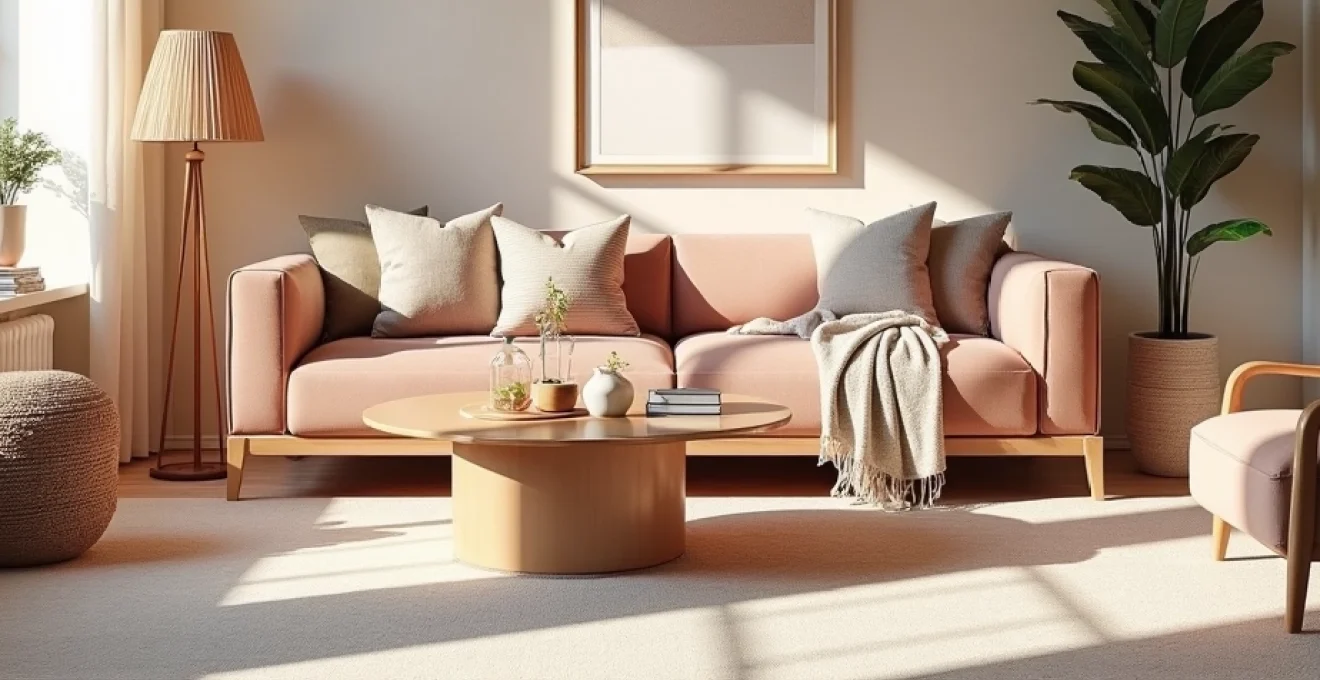
The humble fouta has transcended its traditional role as a simple bath towel to become one of interior design’s most versatile and stylish accessories. Originally woven in the souks of Tunisia and Morocco, these lightweight cotton textiles are now making their way into contemporary homes across Britain, transforming spaces with their unique blend of functionality and Mediterranean charm. What makes foutas particularly appealing for modern homeowners is their remarkable adaptability—they can serve as throws, curtains, table runners, or wall art, all while maintaining their distinctive handwoven character and practical benefits.
Interior designers have embraced foutas not merely as decorative elements, but as problem-solving textiles that address multiple design challenges simultaneously. Their naturally breathable cotton construction regulates temperature, their compact weave resists dust accumulation, and their traditional patterns add authentic cultural depth to any room. This versatility has positioned foutas as essential elements in creating layered, textural interiors that feel both sophisticated and lived-in.
Fouta fabric properties and construction techniques for interior design applications
Understanding the construction of foutas is crucial for maximising their potential in home design applications. Traditional foutas are woven using a flat-weave technique on narrow looms, creating fabric strips that are then sewn together to achieve the desired width. This construction method results in distinctive characteristics that make foutas particularly suitable for interior use: they drape beautifully without excessive bulk, maintain their shape over time, and develop a softer hand with each wash.
The cotton fibres used in authentic foutas are typically long-staple varieties, which contribute to the fabric’s durability and lustrous appearance. The weave density varies between manufacturers, with some producing ultra-lightweight versions ideal for summer window treatments, whilst others create heavier constructions perfect for upholstery applications. The traditional honeycomb weave found in many foutas creates tiny air pockets that enhance the fabric’s insulating properties, making them excellent for temperature regulation in bedrooms and living areas.
Modern fouta production has expanded to include various fibre blends, with linen-cotton combinations offering enhanced draping qualities and bamboo-cotton blends providing additional moisture-wicking properties. These innovations have broadened the applications for foutas in contemporary interiors, particularly in spaces where humidity control is important, such as bathrooms and conservatories.
The key to successfully incorporating foutas into interior design lies in understanding their inherent flexibility—they respond beautifully to both structured and relaxed styling approaches, making them suitable for everything from minimalist Scandinavian interiors to maximalist bohemian schemes.
Living room fouta integration: textile layering and colour coordination strategies
The living room presents perhaps the greatest opportunity for creative fouta integration, offering multiple surfaces and functions that benefit from these versatile textiles. Successful fouta styling in living spaces requires careful consideration of colour palettes, pattern mixing, and seasonal adaptability. The key lies in treating foutas as foundational elements rather than mere accessories, allowing them to establish the room’s textile narrative whilst supporting other decorative elements.
Sofa draping methods using hammam towel weaving patterns
Draping foutas over sofas and armchairs requires understanding both the furniture’s proportions and the fouta’s natural fall. The traditional hammam towel construction, with its flat weave and fringed edges, creates distinctive draping characteristics that differ significantly from conventional throws. Position the fouta asymmetrically across one corner of the sofa, allowing the fringed edge to cascade naturally toward the floor. This technique works particularly well with sectional seating, where the fouta can visually connect separate elements whilst providing practical protection for high-use areas.
For larger sofas, consider using multiple foutas in coordinating colours or patterns. Layer a solid-coloured fouta as a base with a striped or patterned version draped over the back cushions. This layering technique adds visual depth whilst maintaining the casual, lived-in aesthetic that foutas naturally promote. The lightweight nature of foutas means they won’t overwhelm smaller furniture pieces, making them ideal for compact living spaces where heavy throws might appear disproportionate.
Coffee table styling with Linen-Cotton blend fouta runners
Using foutas as coffee table runners introduces Mediterranean styling whilst serving practical purposes. The flat weave construction lies smoothly against table surfaces, preventing the bunching that often occurs with traditional table runners. Linen-cotton blend foutas offer particular advantages for this application, as the linen component provides structure whilst the cotton ensures softness and absorbency for any accidental spills.
Style the fouta runner diagonally across rectangular coffee tables to create visual interest and break up the linear lines of the furniture. For round tables, drape the fouta straight across the diameter, allowing equal lengths to hang on either side. The natural texture of the fouta weave adds tactile interest to glass or polished wood surfaces, whilst the traditional patterns provide cultural authenticity that enhances the room’s narrative depth.
Wall-mounted fouta display techniques for artisanal textile showcasing
Mounting foutas as wall art celebrates their artisanal heritage whilst addressing large wall surfaces that might otherwise require expensive artwork. The key to successful wall mounting lies in choosing foutas with particularly striking patterns or colours that complement the room’s existing palette. Traditional striped foutas work exceptionally well in this application, as their linear patterns create strong visual impact from a distance.
Create a gallery wall effect by mounting multiple smaller foutas in floating frames, treating them as textile art pieces. This approach works particularly well in hallways or stairwells where traditional artwork might be impractical. For larger walls, mount a single XXL fouta using a rod pocket system that allows the fabric to hang naturally whilst maintaining easy removal for cleaning. The artisanal quality of handwoven foutas adds authenticity and craftsmanship that mass-produced wall coverings cannot match.
Floor cushion arrangements using traditional tunisian striped designs
Floor seating arrangements using fouta-covered cushions create relaxed, informal gathering spaces that encourage conversation and community. Traditional Tunisian striped foutas work particularly well for this application, as their bold patterns remain visible and impactful even when gathered or folded around cushion forms. The breathable cotton construction ensures comfort during extended seating periods, whilst the easy-care properties make maintenance simple in high-traffic areas.
Arrange floor cushions in conversation circles or linear formations depending on the room’s layout and intended use. Mix different stripe patterns within the same colour family to create visual interest without overwhelming the space. The lightweight nature of fouta-covered floor cushions makes them easy to rearrange for different occasions, from intimate dinner parties to larger social gatherings.
Bedroom fouta applications: temperature regulation and aesthetic enhancement
Bedrooms benefit enormously from fouta integration due to their natural temperature-regulating properties and aesthetic versatility. The breathable cotton weave promotes air circulation whilst the lightweight construction prevents the feeling of being weighed down during sleep. Modern bedroom design increasingly emphasises layered textiles that can be adjusted seasonally, and foutas excel in this application due to their packability and easy storage characteristics.
Bedspread layering systems with lightweight cotton gauze foutas
Creating sophisticated bedding layers using foutas requires understanding their thermal properties and visual weight. Lightweight cotton gauze foutas serve as excellent intermediate layers between heavier duvets and decorative throws, providing additional warmth without bulk. Position the fouta over the duvet but under any decorative pillows, allowing its edges to drape naturally over the bed sides. This technique creates visual interest through subtle colour variation whilst maintaining the bed’s overall proportions.
For summer months, foutas can replace traditional bedspreads entirely, providing just enough coverage for comfort whilst allowing maximum breathability. Layer multiple foutas in tonal variations to create depth and interest—perhaps a solid neutral base with a subtly patterned fouta folded at the foot of the bed. This approach works particularly well in guest bedrooms, where visitors appreciate the flexibility to adjust their bedding to personal comfort preferences.
Window treatment solutions using Semi-Sheer fouta panels
Foutas make exceptional window treatments due to their natural draping qualities and light-filtering properties. The loose weave structure allows gentle light diffusion whilst maintaining privacy, making them ideal for bedrooms where harsh sunlight needs softening without complete blockage. Mount foutas using simple rod pocket construction or ring-top systems that complement the casual aesthetic these textiles naturally promote.
For tall windows, consider using multiple foutas hung at different heights to create layered window treatments that add visual complexity. The fringed edges of traditional foutas create beautiful shadow patterns when backlit, adding another dimension to the room’s lighting scheme. Semi-sheer foutas work particularly well in period properties where heavy curtains might appear overwhelming or inappropriate to the architectural style.
Headboard upholstery alternatives with stretched fouta mounting
Creating temporary or semi-permanent headboards using stretched foutas offers design flexibility whilst avoiding the commitment of traditional upholstery. This technique works particularly well in rental properties or for individuals who frequently change their decorating schemes. Mount the fouta tautly behind the bed using a frame system that allows for easy removal and replacement.
The texture and pattern variations available in foutas provide endless possibilities for headboard design, from subtle tone-on-tone effects to bold geometric statements. Herringbone patterns work particularly well for this application, as their directional weave creates visual movement that draws the eye upward and makes ceilings appear higher. This technique also allows for seasonal changes—lighter colours and patterns for summer, deeper tones for winter.
Wardrobe organisation using fouta compartment dividers
Using foutas as wardrobe dividers addresses both functional and aesthetic needs within storage spaces. The breathable cotton construction allows air circulation amongst stored clothes whilst the attractive patterns make opening wardrobes a more pleasant experience. Create hanging dividers by mounting foutas on tension rods within wardrobe sections, separating seasonal clothing or different family members’ belongings.
This application works particularly well for open wardrobes or dressing rooms where storage areas are visible from the bedroom. The soft draping of foutas creates gentle visual breaks between clothing categories without the harsh lines of rigid dividers. Additionally, the easy-care properties of foutas mean these dividers can be regularly washed to maintain freshness within storage areas.
Bathroom and Spa-Inspired fouta utilisation: moisture management and luxury positioning
Bathrooms represent the natural habitat for foutas, given their origins in traditional hammam culture. However, contemporary bathroom applications extend far beyond simple towel use, incorporating foutas into comprehensive moisture management systems and luxury positioning strategies. The key lies in understanding how different weave structures and fibre compositions respond to humid environments whilst maintaining their aesthetic appeal.
Modern bathroom design increasingly emphasises the creation of spa-like environments that promote relaxation and wellbeing. Foutas contribute to this objective through their association with traditional bathing rituals and their inherent ability to create layered, textural environments. Their quick-drying properties make them particularly suitable for British homes where bathroom ventilation may be limited, whilst their compact storage requirements address the space constraints common in many properties.
Consider creating dedicated fouta storage solutions that showcase these textiles when not in use. Wall-mounted ladder racks or heated towel rails display foutas attractively whilst ensuring proper air circulation for drying. The traditional patterns and colours of foutas add visual interest to often sterile bathroom environments, introducing cultural authenticity and handcrafted character that mass-produced bathroom accessories cannot provide.
The transformation of bathrooms into personal spa retreats relies heavily on textile choices that communicate luxury whilst maintaining practical functionality—foutas excel in this dual role through their combination of utilitarian heritage and contemporary aesthetic appeal.
Temperature regulation becomes particularly important in bathroom applications, where rapid changes from steamy shower environments to cooler air require textiles that can adapt quickly. The breathable weave structure of foutas facilitates moisture evaporation whilst their cotton construction provides gentle warmth against skin. This makes them ideal for use as bath wraps, where extended wearing comfort is essential.
| Bathroom Application | Fouta Type | Key Benefits |
|---|---|---|
| Bath towel replacement | Standard cotton weave | Quick drying, lightweight, space-efficient |
| Shower curtain alternative | Hemp-cotton blend | Water resistant, antimicrobial, durable |
| Floor mat covering | Heavy cotton weave | Absorbent, machine washable, slip-resistant |
| Window privacy screen | Semi-sheer weave | Light filtering, moisture resistant, attractive |
Kitchen and dining space fouta implementation: functional textiles and mediterranean styling
Kitchen and dining areas benefit significantly from fouta integration due to their natural stain resistance and easy-care properties. The flat weave construction makes foutas ideal for food preparation areas where traditional terry cloth towels might harbour bacteria in their loop structure. Additionally, the cultural associations with Mediterranean cuisine and outdoor dining make foutas particularly appropriate for creating authentic dining atmospheres.
Using foutas as table linens introduces both practical and aesthetic benefits. Their absorbent properties handle spills effectively whilst their attractive patterns eliminate the need for separate decorative elements. The casual elegance of foutas suits both everyday family dining and more formal entertaining, adapting to different occasions through styling rather than replacement. This versatility makes them particularly valuable for households that frequently entertain or those with limited storage space for multiple table linen sets.
Kitchen applications extend beyond traditional towel use to include equipment covers, appliance draping, and even temporary window treatments. The lint-free properties of properly woven foutas make them excellent for drying glassware and delicate china, whilst their attractive appearance means they can remain visible rather than hidden away in drawers. This dual functionality addresses both practical needs and aesthetic desires in kitchen environments where storage and display space are often at premium.
Consider creating dedicated fouta storage systems in dining areas that showcase these textiles as decorative elements when not in use. Open shelving displays or wall-mounted storage solutions can highlight the patterns and colours of foutas whilst keeping them easily accessible for dining use. The natural texture variations in handwoven foutas add visual interest to often utilitarian kitchen environments, introducing warmth and character that synthetic alternatives cannot match.
Seasonal adaptability becomes particularly relevant in dining applications, where lighter colours and patterns suit spring and summer entertaining whilst deeper, richer tones complement autumn and winter gatherings. The compact storage properties of foutas make seasonal rotation practical even in homes with limited storage space, allowing for complete transformation of dining aesthetics without significant investment or storage requirements.
Seasonal fouta rotation systems: storage solutions and textile preservation methods
Developing effective seasonal rotation systems for foutas maximises their longevity whilst ensuring appropriate textiles are available for different weather conditions and decorating schemes. The key lies in understanding proper storage techniques that preserve the cotton fibres whilst preventing moth damage and moisture accumulation. Traditional cedar storage systems work well for foutas, as the natural oils repel insects whilst allowing air circulation that prevents mustiness.
Create inventory systems that track fouta patterns, colours, and conditions to facilitate easy rotation and identify items requiring repair or replacement. Digital photography can document the appearance of stored foutas, making selection easier when planning seasonal decorating changes. This systematic approach prevents over-purchasing whilst ensuring adequate variety for different applications throughout the year.
Proper washing and preparation before storage extends fouta lifespan significantly. Ensure complete drying before folding to prevent mildew development, and consider using acid-free tissue paper between folds to prevent creasing in delicate weaves. The natural cotton construction of foutas makes them relatively hardy, but proper storage techniques preserve their appearance and texture over decades of use.
Temperature and humidity control in storage areas becomes particularly important for maintaining fouta quality. Basements and attics, whilst offering ample storage space, often experience temperature and moisture fluctuations that can damage cotton fibres over time. Climate-controlled storage areas or bedroom closets typically provide better preservation conditions, even if storage space is more limited.
Consider rotation schedules that align with both seasonal decorating changes and natural wear patterns. High-use foutas in living areas might require more frequent rotation than those used primarily for decorative purposes. This systematic approach ensures even wear across your fouta collection whilst maintaining fresh, attractive textiles in prominent display locations throughout the year. The durability of quality foutas makes this investment in systematic care particularly worthwhile, as properly maintained pieces can provide decades of service whilst retaining their original beauty and functionality.