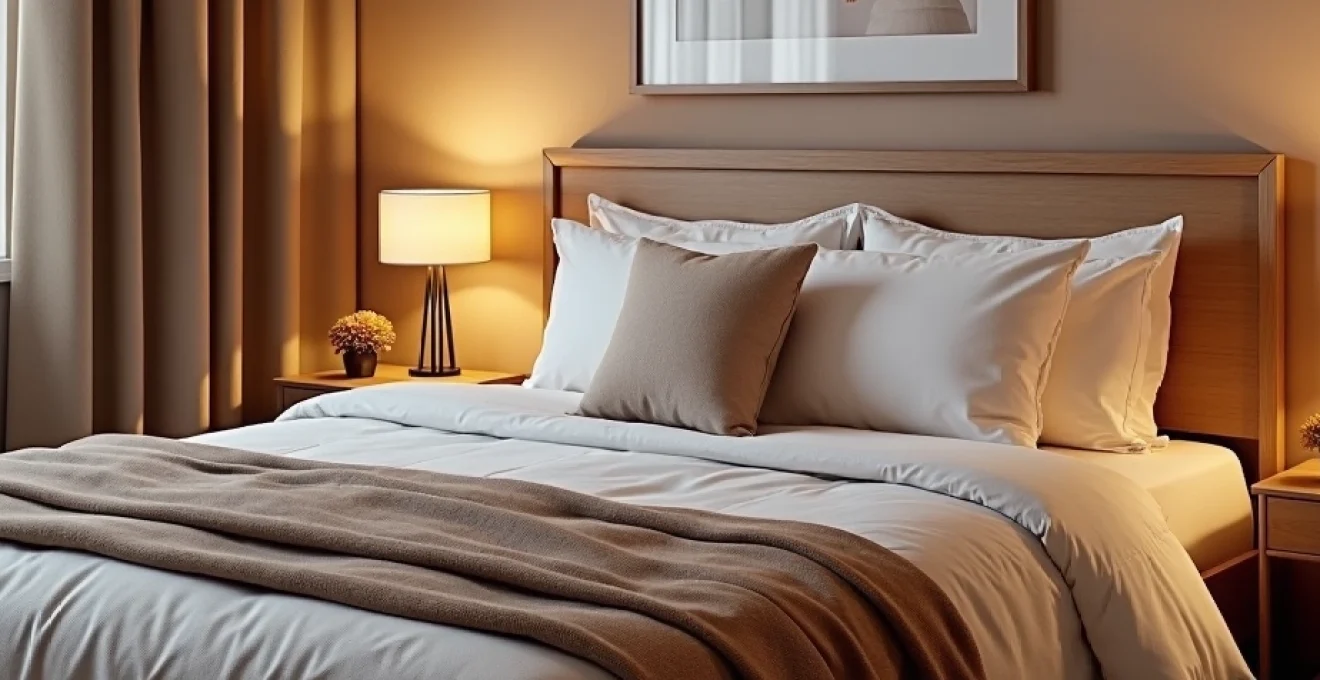
Transforming your living space doesn’t require a complete renovation or a substantial financial investment. The most effective interior design strategies often focus on subtle modifications that create profound visual and emotional impacts throughout your home. These carefully considered adjustments can dramatically alter the atmosphere, functionality, and aesthetic appeal of any room whilst working within existing architectural constraints and budget limitations.
The psychology behind successful home décor lies in understanding how minor elements contribute to the overall sensory experience of a space. Professional interior designers have long recognised that strategic interventions—from lighting adjustments to textile arrangements—can fundamentally reshape how occupants interact with and perceive their environment. These micro-interventions represent the difference between a house and a truly personalised home , creating spaces that reflect individual preferences whilst maintaining universal appeal.
Contemporary design philosophy emphasises the power of intentional details over wholesale changes. This approach proves particularly valuable for renters, budget-conscious homeowners, and anyone seeking to refresh their interiors without committing to permanent alterations. Understanding which specific modifications deliver maximum visual impact enables you to create sophisticated, magazine-worthy spaces through targeted improvements rather than comprehensive overhauls.
Strategic lighting design techniques for spatial transformation
Lighting represents the single most influential factor in determining how a room feels and functions throughout different times of day. Poor lighting can make even the most beautifully furnished space feel unwelcoming, whilst expertly designed illumination can transform modest interiors into warm, inviting sanctuaries. The key lies in understanding how different types of lighting work together to create layered, dynamic environments that adapt to various activities and moods.
Ambient lighting layering with philips hue smart bulbs
Ambient lighting provides the foundational illumination that fills a room with gentle, even light distribution. Smart bulb technology has revolutionised how homeowners approach ambient lighting, offering unprecedented control over colour temperature, brightness levels, and scheduling. Philips Hue smart bulbs allow you to programme lighting scenes that automatically adjust throughout the day, supporting natural circadian rhythms whilst creating atmosphere appropriate for different activities.
The installation process requires replacing existing bulbs with smart alternatives and downloading the corresponding smartphone application. This simple swap immediately upgrades any room’s lighting capabilities without requiring electrical work or fixture modifications. Consider positioning multiple smart bulbs throughout a room to eliminate harsh shadows and create uniform illumination that can be customised according to personal preferences and seasonal changes.
Task lighting positioning using Under-Cabinet LED strips
Task lighting addresses specific functional requirements, providing focused illumination for activities such as reading, cooking, or detailed work. Under-cabinet LED strips represent an excellent example of task lighting that enhances both functionality and visual appeal. These fixtures eliminate shadows on work surfaces whilst creating a warm glow that makes kitchens and workspaces feel more inviting during evening hours.
Proper installation involves measuring cabinet dimensions, selecting appropriate LED strip lengths, and ensuring adequate power supply connections. Choose LED strips with adjustable colour temperature settings to maintain consistency with other lighting elements throughout your home. The subtle uplighting effect created by under-cabinet fixtures adds depth and dimension to kitchen spaces whilst providing practical illumination for food preparation and cooking activities.
Accent lighting implementation through picture lights and wall washers
Accent lighting highlights specific architectural features, artwork, or decorative elements within a room. Picture lights and wall washers create focal points that draw attention to carefully curated displays whilst adding sophisticated ambiance to living spaces. These fixtures work particularly well in hallways, dining rooms, and living areas where artwork or architectural details deserve special emphasis.
Picture lights should be positioned to eliminate glare whilst providing even illumination across the entire artwork surface. Wall washers create broader coverage, perfect for highlighting textured surfaces or creating dramatic shadows that add visual interest. The strategic placement of accent lighting can make modest art collections appear museum-quality whilst enhancing the perceived size and sophistication of any room.
Dimmer switch integration for circadian rhythm optimisation
Dimmer switches provide essential flexibility in lighting control, allowing you to adjust brightness levels according to time of day, activity requirements, and personal preferences. Modern dimmer technology supports various bulb types, including LED fixtures, whilst offering smooth transition capabilities that prevent jarring brightness changes. This functionality proves particularly valuable in bedrooms, dining rooms, and living spaces where lighting needs vary significantly throughout the day.
Installation typically requires replacing existing wall switches with dimmer alternatives, though some smart dimmer systems work with existing fixtures. Choose dimmer switches compatible with your specific bulb types to ensure optimal performance and longevity. The ability to gradually reduce lighting intensity during evening hours supports natural melatonin production whilst creating cosy atmospheres perfect for relaxation and entertainment.
Colour temperature adjustment from 2700K to 6500K for mood enhancement
Colour temperature significantly impacts how spaces feel and how occupants respond emotionally to different environments. Warm light (2700K-3000K) creates cosy, intimate atmospheres perfect for relaxation and evening activities, whilst cool light (5000K-6500K) promotes alertness and concentration during daytime hours. Understanding how to manipulate colour temperature throughout your home enables you to create environments that support specific activities and emotional states.
Smart lighting systems allow you to programme colour temperature changes that automatically adjust throughout the day. Morning settings might feature cooler temperatures to promote alertness, transitioning to warmer tones as evening approaches. This natural progression mimics sunlight patterns , supporting healthy sleep cycles whilst creating dynamic environments that feel fresh and engaging throughout different seasons.
Textile and soft furnishing Micro-Interventions
Textiles represent one of the most cost-effective methods for dramatically altering room aesthetics whilst adding comfort and personality to living spaces. Soft furnishings offer unlimited opportunities for seasonal updates, colour experimentation, and texture layering without requiring permanent modifications to existing décor. The strategic selection and arrangement of cushions, throws, rugs, and window treatments can completely transform how a room looks and feels within minutes.
Throw pillow arrangement using the rule of thirds principle
The rule of thirds, borrowed from photography and visual arts, creates balanced, aesthetically pleasing arrangements when applied to throw pillow displays. This principle suggests dividing furniture surfaces into thirds and positioning pillows at intersection points to achieve natural-looking compositions that feel intentional rather than random. The technique works equally well on sofas, beds, and reading chairs, creating professional-looking arrangements that enhance overall room sophistication.
Effective pillow arrangements typically combine different sizes, shapes, and textures to create visual interest whilst maintaining colour harmony. Consider mixing square and rectangular pillows in various sizes, incorporating one or two accent pieces that introduce pattern or contrasting colours. Arrange pillows in odd numbers (three or five) for most appealing compositions , ensuring that each piece contributes to the overall visual balance without overwhelming the furniture or surrounding décor elements.
Area rug placement according to golden ratio proportions
Proper rug sizing and placement dramatically impacts room proportions and furniture arrangements. The golden ratio (approximately 1.618:1) provides mathematical guidance for selecting rug dimensions that create harmonious relationships between floor coverage and furniture placement. This classical proportion appears throughout nature and architecture, creating innately pleasing visual relationships that feel balanced and sophisticated.
In living rooms, rugs should extend beyond furniture groupings to create cohesive seating areas that feel intentionally designed. Dining room rugs require sufficient space for chairs to remain on the rug surface even when pulled out from tables. Following golden ratio principles ensures that rug proportions complement rather than compete with existing furniture arrangements , creating foundation elements that anchor entire room designs whilst defining specific functional areas within larger spaces.
Curtain panel styling with ikea GUNRID Air-Purifying fabrics
Window treatments significantly impact both the aesthetic appeal and functional performance of interior spaces. Ikea’s GUNRID curtains incorporate innovative air-purifying technology that actively breaks down common pollutants when exposed to light, combining environmental benefits with stylish design solutions. These curtains demonstrate how contemporary textiles can address multiple requirements simultaneously, providing privacy, light control, and air quality improvements through single installations.
Proper curtain hanging techniques involve positioning rods well above window frames and extending panels beyond window edges to create the illusion of larger openings whilst maximising natural light penetration. The flowing nature of GUNRID fabrics works particularly well with floor-to-ceiling installations that create dramatic vertical lines and enhance perceived ceiling height. Choose curtain lengths that just touch or slightly puddle on floor surfaces for most sophisticated appearances that complement contemporary design aesthetics.
Weighted blanket integration for Hygge-Inspired comfort zones
Weighted blankets combine therapeutic benefits with decorative potential, creating comfort zones that support relaxation whilst adding textural interest to seating areas and bedrooms. The Danish concept of hygge emphasises cosy comfort and contentment, principles perfectly embodied by weighted blanket integration into daily living spaces. These functional accessories provide gentle pressure stimulation that promotes relaxation whilst serving as attractive throws during periods of non-use.
Selecting appropriate weighted blanket specifications involves choosing weights that represent approximately 10% of user body weight for optimal comfort and effectiveness. Fabric choices should complement existing décor whilst providing pleasant tactile experiences that enhance overall room comfort levels. Strategically placed weighted blankets invite inhabitants to pause and relax , creating designated comfort zones that support mental wellness whilst contributing to overall room aesthetics through thoughtful colour and texture coordination.
Wall treatment modifications without major renovation
Wall treatments offer dramatic transformation potential without requiring professional installation or permanent modifications to existing surfaces. Contemporary materials and techniques enable renters and homeowners to personalise their spaces through removable applications that deliver impressive visual impact whilst preserving underlying wall conditions. These approaches prove particularly valuable for individuals seeking to experiment with bold patterns, colours, or textures without long-term commitments to specific design directions.
Removable wallpaper application using peel and stick technology
Peel and stick wallpaper has revolutionised temporary wall treatment options, offering professional-quality patterns and textures that install without adhesive paste or specialised tools. Modern removable wallpapers feature sophisticated designs ranging from subtle geometric patterns to bold botanical prints, enabling dramatic room transformations that can be reversed without damaging underlying wall surfaces. This technology particularly benefits renters who wish to personalise their spaces whilst maintaining deposit security.
Successful application requires clean, smooth wall surfaces and careful measurement to ensure adequate material quantities. Start installations from room corners and work systematically across wall surfaces to maintain pattern alignment and prevent air bubble formation. The temporary nature of these treatments encourages bold experimentation with patterns and colours that might feel too risky for permanent applications, enabling you to explore personal style preferences without significant financial or time investments.
Gallery wall curation with floating frame systems
Gallery walls create personalised focal points that display artwork, photographs, and meaningful objects in cohesive arrangements that reflect individual interests and aesthetic preferences. Floating frame systems simplify the curation process whilst providing flexible display options that accommodate changing collections and seasonal updates. These arrangements transform bland wall surfaces into dynamic displays that serve as conversation starters and expressions of personal identity.
Effective gallery wall planning involves arranging pieces on floor surfaces before wall mounting to test different configurations and spacing relationships. Maintain consistent spacing between frames (typically 2-3 inches) whilst varying frame sizes and orientations to create visual rhythm and movement. Successful gallery walls tell stories through careful selection and arrangement of meaningful pieces that collectively create narratives about personal experiences, interests, and aesthetic sensibilities that evolve over time.
Washi tape geometric patterns for Rental-Friendly customisation
Washi tape offers unlimited creative possibilities for wall customisation through removable geometric patterns, accent lines, and decorative borders. This Japanese masking tape removes cleanly from most wall surfaces whilst providing vibrant colours and patterns that enable sophisticated design implementations. The technique works particularly well for creating accent walls, defining specific areas within larger rooms, or adding visual interest to otherwise plain surfaces.
Geometric pattern creation requires careful planning and measurement to achieve professional-looking results that enhance rather than overwhelm existing décor elements. Consider creating large-scale patterns such as triangles, hexagons, or abstract compositions that complement furniture arrangements and colour schemes. Use painter's tape to create guidelines before applying decorative washi tape for precise geometric shapes that maintain crisp edges and consistent proportions throughout complex pattern implementations.
Command strip mounting solutions for temporary wall décor
Command strips enable secure mounting of artwork, mirrors, and decorative objects without nails, screws, or permanent wall modifications. These adhesive solutions support various weight capacities whilst removing cleanly when repositioning becomes necessary. The technology particularly benefits renters and individuals who frequently redecorate, providing reliable mounting solutions that protect wall surfaces whilst supporting creative expression through changeable displays.
Proper command strip application involves cleaning mounting surfaces with rubbing alcohol before installation and following weight capacity guidelines to prevent mounting failures. Allow adhesive strips to cure for recommended time periods before applying load to ensure maximum holding power. Command strip technology enables frequent décor updates that keep interiors feeling fresh and current without accumulating mounting hardware or wall damage that might affect security deposits or resale values in permanent residences.
Biophilic design elements for natural integration
Biophilic design principles recognise the innate human connection to natural elements, incorporating living plants, natural materials, and organic forms into interior spaces to promote wellbeing and environmental harmony. Research consistently demonstrates that indoor plants improve air quality, reduce stress levels, and enhance cognitive performance whilst adding vibrant colour and textural interest to living environments. These benefits make plant integration one of the most impactful modifications you can implement throughout your home.
Successful plant selection requires matching species requirements with available light conditions, humidity levels, and maintenance capabilities. Low-light varieties such as snake plants, pothos, and ZZ plants thrive in interior conditions whilst requiring minimal care, making them ideal for beginners or busy households. Medium to bright light areas can accommodate fiddle leaf figs, monstera, and various flowering species that create dramatic focal points and seasonal interest.
Strategic plant placement creates natural room dividers, softens harsh architectural lines, and introduces organic shapes that contrast beautifully with geometric furniture and fixtures. Large floor plants anchor room corners whilst smaller specimens add life to shelving displays and tabletop arrangements . Consider grouping plants of varying heights and foliage types to create dynamic compositions that evolve throughout seasons as growth patterns change and care routines develop.
Natural material integration extends biophilic principles beyond living plants through wood accents, stone elements, and organic textiles that reinforce connections to natural environments. Bamboo storage solutions, jute rugs, and wooden decorative objects introduce warmth and texture whilst supporting sustainable design practices. These elements work synergistically with plant displays to create cohesive natural themes that promote relaxation and environmental consciousness throughout interior spaces.
Creating indoor environments that mirror natural systems supports both physical and psychological wellbeing whilst reducing environmental impact through thoughtful material choices and energy-efficient plant care systems.
Colour psychology applications through strategic paint accents
Colour psychology influences emotional responses, energy levels, and behavioural patterns within interior environments. Strategic paint applications enable you to harness these psychological effects through targeted accent walls, ceiling treatments, and architectural feature highlighting that creates specific atmospheric conditions throughout your home. Understanding how different colours impact mood and perception allows you to create spaces that support desired activities and emotional states through carefully considered chromatic choices.
Warm colours such as reds, oranges, and yellows create energetic, social atmospheres that encourage conversation and activity. These hues work particularly well in dining rooms, kitchens, and entertainment areas where social interaction and energy are desirable. Cool colours including blues, greens, and purples promote calm, focus, and relaxation, making them ideal for bedrooms, home offices, and reading areas where concentration and rest are priorities.
Accent wall creation provides opportunities to experiment with bold colours without overwhelming entire rooms. Choose walls that naturally draw attention, such as headboard walls in bedrooms or fireplace walls in living rooms , to create focal points that anchor room designs whilst maintaining balance with existing furnishings and décor elements. The 60-30-10 colour rule suggests using dominant neutral tones (60%), secondary colours (30%), and accent colours (10%) to create harmonious schemes that feel professionally designed.
Ceiling colour treatments can dramatically alter perceived room proportions and atmospheric qualities. Light colours make ceilings appear higher whilst dark colours create intimate, cosy environments. Painting ceilings in soft colours that complement wall treatments creates sophisticated layered effects that enhance architectural features and improve overall spatial quality without requiring structural modifications or expensive materials.
Seasonal colour adjustments through removable paint techniques or temporary wall treatments allow you to refresh interiors throughout the year whilst maintaining core design elements. Consider implementing colour schemes that reflect seasonal changes, supporting natural rhythms and preventing interior staleness that can develop over time
that reflects changing natural environments and maintains visual interest throughout different seasons.
Furniture repositioning based on feng shui principles
Feng shui principles offer time-tested guidance for arranging furniture and décor elements to promote positive energy flow, enhanced wellbeing, and improved functionality within interior spaces. These ancient Chinese practices focus on creating harmonious relationships between inhabitants and their environments through strategic positioning of objects, furniture arrangements, and spatial organisation that supports both physical comfort and emotional balance.
The commanding position represents one of the most fundamental feng shui concepts, suggesting that beds, desks, and primary seating should face room entrances whilst maintaining sufficient distance from doorways to avoid direct alignment with incoming energy. This positioning creates psychological security and visual control over surroundings whilst preventing restless energy from disrupting rest and concentration activities.
Furniture arrangements that follow feng shui principles often result in more functional and aesthetically pleasing spaces that feel naturally balanced and conducive to relaxation and productivity. Consider positioning sofas and chairs to create conversation groupings that encourage social interaction whilst maintaining clear pathways through rooms that support smooth traffic flow and prevent stagnant energy accumulation.
The five-element theory provides framework for incorporating wood, fire, earth, metal, and water elements through furniture materials, colours, and decorative accessories that create energetically balanced environments. Wooden furniture represents growth and vitality, metal fixtures promote clarity and precision, whilst water features and blue accents encourage calm and reflection. Balance these elements throughout rooms rather than concentrating single elements in isolated areas to achieve harmonious integration that supports multiple functions and emotional states.
Decluttering represents another essential feng shui practice that dramatically improves both visual appeal and energy flow within interior spaces. Remove unnecessary items that create visual chaos or impede movement patterns, focusing on maintaining clean surfaces and organised storage systems that support daily activities whilst preventing accumulation of objects that no longer serve functional or aesthetic purposes. Clear spaces promote mental clarity and reduce stress levels whilst creating opportunities for meaningful décor items to receive proper attention and appreciation.
Feng shui furniture positioning creates environments that feel intuitively comfortable and supportive, often improving sleep quality, work productivity, and overall life satisfaction through subtle spatial adjustments that honour both practical needs and energetic harmony.
Seasonal furniture repositioning allows you to refresh room dynamics throughout the year whilst maintaining core feng shui principles. Summer arrangements might emphasise lighter, more open configurations that support increased social activity and outdoor connections, whilst winter layouts focus on creating cosy gathering spaces that promote warmth and introspection. These cyclical adjustments prevent interior staleness whilst supporting natural rhythms and changing lifestyle requirements that evolve throughout different seasons and life circumstances.