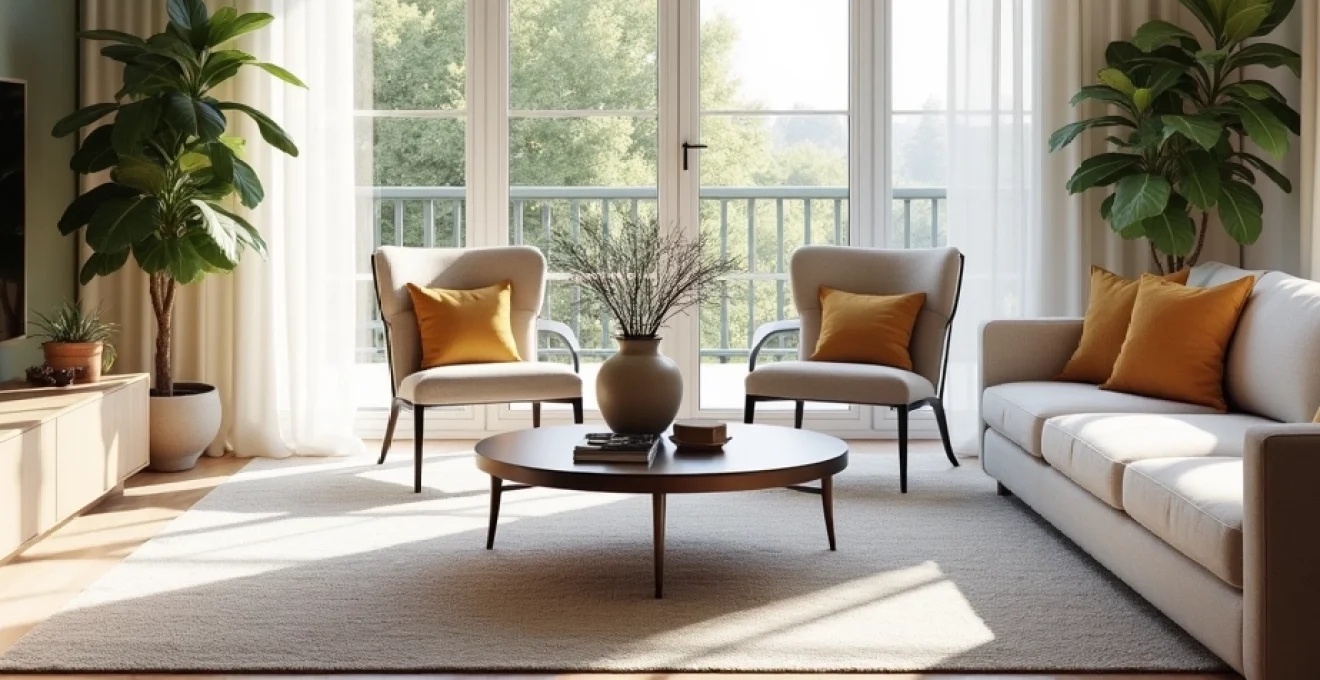
Natural light transforms living spaces in ways that artificial illumination simply cannot replicate. Beyond its aesthetic appeal, daylight significantly impacts our psychological well-being, energy consumption, and overall quality of life within our homes. Modern interior design increasingly prioritises light optimisation strategies that harness the sun’s natural radiance to create brighter, more inviting environments. The strategic integration of architectural features, reflective surfaces, and thoughtful colour selections can dramatically amplify the luminosity of any interior space, regardless of its original design constraints.
Recent studies indicate that homes with abundant natural light sell 15% faster than their darker counterparts, whilst properties featuring optimised daylight penetration command premium prices in today’s competitive housing market. The science behind effective light maximisation involves understanding solar angles, reflectance coefficients, and the psychological impact of various lighting conditions on human behaviour and comfort.
Window placement and architectural optimisation for maximum daylight penetration
The foundation of any successful natural light enhancement strategy begins with understanding how architectural elements can be optimised to capture and distribute daylight throughout interior spaces. Window placement represents the most critical factor in determining a room’s overall brightness levels, yet many homeowners overlook the scientific principles that govern effective daylight harvesting.
South-facing window configurations and solar gain calculations
South-facing windows consistently deliver the most reliable and abundant natural light throughout the year, particularly in northern hemisphere locations. These orientations receive direct sunlight for approximately 8-10 hours during peak seasons, generating significant solar heat gain that can reduce heating costs by up to 25% during winter months. Professional architects utilise sophisticated calculations to determine optimal window sizing, considering factors such as local climate conditions, seasonal sun angles, and desired interior illumination levels.
The ideal south-facing window configuration involves maximising glass surface area whilst incorporating appropriate shading mechanisms to prevent overheating during summer months. Floor-to-ceiling glazing systems can increase natural light penetration by 40-60% compared to standard window installations, though careful consideration must be given to thermal performance and energy efficiency ratings.
Clerestory windows and High-Level glazing solutions
Clerestory windows represent an elegant solution for introducing natural light into interior spaces without compromising privacy or wall space functionality. These elevated glazing systems capture daylight from above, distributing it evenly across room surfaces whilst maintaining intimate lighting conditions at eye level. Modern clerestory installations can increase overall room brightness by 30-45% when properly positioned and sized.
High-level glazing solutions prove particularly effective in urban environments where neighbouring buildings might obstruct traditional window placements. The strategic positioning of clerestory windows allows homeowners to bypass external obstructions whilst creating dramatic architectural features that enhance both functionality and aesthetic appeal.
Bay window extensions and light wells for Deep-Plan interiors
Bay window extensions serve dual purposes by expanding interior floor space whilst dramatically increasing natural light capture from multiple angles. These architectural features can boost daylight levels by 50-70% compared to flat window installations, as they allow light to enter from three directions simultaneously. The curved or angled configuration of bay windows also helps distribute light more evenly throughout surrounding areas.
Light wells present innovative solutions for bringing natural illumination into basement levels and deep-plan interiors where traditional windows prove impractical. Professional installations can achieve impressive results, with properly designed light wells delivering sufficient daylight to eliminate artificial lighting requirements during peak daylight hours. The reflective qualities of light well walls amplify available illumination, creating bright, welcoming spaces in previously dim areas.
Skylights and roof lanterns: velux vs fakro performance comparisons
Overhead glazing systems deliver unparalleled natural light penetration, with skylights providing up to three times more illumination than equivalent vertical windows. Leading manufacturers like Velux and Fakro offer sophisticated systems with advanced features including solar-powered operation , integrated blinds, and weather-responsive closing mechanisms.
Performance comparisons reveal that Velux systems typically achieve 15-20% higher light transmission rates, whilst Fakro installations offer superior thermal insulation properties with U-values as low as 0.58 W/m²K.
Roof lanterns represent the premium solution for dramatic overhead illumination, featuring multiple glazed surfaces that capture light from various angles throughout the day. These architectural elements can transform previously dark interior spaces into bright, airy environments that rival conservatory-style lighting conditions.
Reflective surface integration and light distribution techniques
Effective light distribution relies heavily on understanding how various surfaces interact with natural daylight to amplify and redirect illumination throughout interior spaces. The strategic placement of reflective materials can double or triple the effective brightness of rooms by bouncing available light into previously shadowed areas.
Strategic mirror placement using the law of reflection principles
Mirror positioning follows fundamental physics principles, with the angle of incidence equalling the angle of reflection. Strategic placement opposite or adjacent to windows can redirect natural light deep into interior spaces, effectively doubling the perceived brightness in targeted areas. Large mirrors positioned at 45-degree angles to primary light sources achieve optimal light distribution whilst creating the illusion of expanded space.
Professional interior designers utilise mirror mapping techniques to calculate precise positioning for maximum light amplification. Antique or decorative mirrors serve dual purposes, providing both functional light enhancement and aesthetic appeal. The reflective quality varies significantly between mirror types, with modern silvered glass achieving 95% reflectance compared to 70-80% for older mercury-backed alternatives.
Metallic finishes: polished chrome vs brushed brass light amplification
Metallic finishes contribute significantly to interior brightness through their inherent reflective properties, though different metals exhibit varying degrees of light amplification. Polished chrome surfaces achieve approximately 70% light reflectance, making them ideal for maximising brightness in contemporary interior schemes. The mirror-like quality of polished chrome creates sharp, focused light reflection that can dramatically enhance illumination levels.
Brushed brass finishes offer a warmer alternative with 60-65% reflectance values, providing softer light distribution that complements traditional and transitional interior styles. The subtle texture of brushed metals diffuses reflected light, creating gentle illumination that reduces harsh shadows whilst maintaining brightness enhancement benefits.
Glass block installations and translucent material applications
Glass block installations provide innovative solutions for introducing natural light whilst maintaining privacy and structural integrity. These architectural elements allow approximately 80% light transmission whilst obscuring clear views, making them ideal for bathroom installations, partition walls, and exterior applications where security concerns exist.
Modern translucent materials including frosted glass, polycarbonate panels, and specialised acrylic systems offer varying degrees of light transmission and privacy control. Smart glass technologies now enable dynamic opacity adjustment, allowing users to modify light transmission and privacy levels according to specific requirements and time-of-day preferences.
High-gloss paint formulations: farrow & ball vs little greene reflectance values
Paint finish selection significantly impacts light reflection and overall room brightness, with high-gloss formulations achieving 80-90% light reflectance compared to 5-10% for matt alternatives. Premium paint manufacturers like Farrow & Ball and Little Greene offer sophisticated high-gloss systems specifically formulated for light enhancement applications.
Laboratory testing reveals that Farrow & Ball’s Full Gloss achieves 88% light reflectance values, whilst Little Greene’s Gloss finish delivers 85% reflectance with superior durability characteristics.
The choice between paint systems often depends on specific application requirements, with Farrow & Ball offering superior colour depth and Little Greene providing enhanced washability for high-traffic areas. Both manufacturers utilise advanced resin technologies that maintain reflective properties over extended periods, ensuring long-term light enhancement benefits.
Colour psychology and light enhancement through strategic palette selection
Colour selection represents one of the most powerful tools for maximising natural light impact within interior spaces. Understanding the science of colour reflection and human psychological responses to different hues enables homeowners to create brighter, more uplifting environments through strategic palette choices. Light-coloured surfaces can reflect up to 90% of available illumination, whilst darker tones absorb 80-95% of incoming light, dramatically affecting perceived brightness levels.
The psychology of colour extends beyond simple reflection coefficients, influencing mood, energy levels, and spatial perception. Warm white and cream tones create welcoming environments whilst maintaining high reflectance values, typically achieving 80-85% light reflection. Cool whites offer maximum brightness enhancement with 90-95% reflectance but may feel clinical without careful styling consideration.
Neutral palettes provide versatility whilst supporting natural light amplification, with shades like pale grey, soft beige, and mushroom achieving 70-80% reflectance values. These colours offer sophisticated alternatives to pure white whilst maintaining significant brightness enhancement properties . Strategic accent colours can add personality without compromising overall illumination, provided they occupy less than 20% of visible surfaces within naturally-lit areas.
Regional colour preferences often reflect local lighting conditions, with northern European countries favouring crisp whites and pale blues that maximise limited daylight hours. Mediterranean regions embrace warmer neutrals that complement abundant sunshine whilst preventing glare issues. Understanding these cultural and environmental factors helps create colour schemes that feel both appropriate and optimally illuminated for specific geographical contexts.
Interior layout modifications for unobstructed light flow
Spatial arrangement profoundly influences how natural light moves through interior environments, with thoughtful layout modifications capable of transforming previously dim areas into bright, welcoming spaces. The principle of light flow optimisation involves creating clear pathways for daylight to penetrate deep into interior areas whilst minimising obstructions that create shadow zones.
Open-plan design principles and partition wall removal
Open-plan configurations represent the most effective method for maximising natural light distribution throughout residential spaces. Removing non-structural partition walls can increase overall brightness by 40-60%, allowing daylight from exterior windows to illuminate previously separated rooms. Professional structural assessments ensure safe wall removal whilst identifying opportunities for creative opening creation that maintains necessary privacy and acoustic separation.
The strategic retention of partial walls or architectural features can provide visual interest whilst preserving light flow benefits. Half-height partitions, decorative screens, and stepped ceiling treatments maintain spatial definition without blocking precious daylight transmission. These elements create subtle room divisions that support functional requirements whilst maximising illumination benefits throughout interconnected spaces.
Furniture height optimisation and Low-Profile seating solutions
Furniture selection significantly impacts natural light distribution, with high-backed seating and tall storage units creating substantial shadow zones that reduce overall brightness. Low-profile furniture maintains clear sightlines to windows whilst allowing light to travel unobstructed across room surfaces. Platform beds, low-slung sofas, and streamlined storage solutions contribute to brighter interiors by eliminating light-blocking obstacles.
The strategic positioning of furniture pieces creates opportunities for enhanced light reflection and distribution. Placing light-coloured or reflective furniture surfaces perpendicular to primary light sources helps redirect illumination into darker areas, whilst maintaining functional seating and storage arrangements. Glass-topped tables and acrylic furniture pieces provide functionality without compromising light transmission, making them ideal choices for light-sensitive environments.
Room divider alternatives: glass panels and sliding screens
Modern room divider solutions offer spatial flexibility whilst preserving natural light flow throughout interior areas. Glass panel systems provide visual separation without blocking daylight transmission, achieving approximately 90% light penetration whilst maintaining privacy through frosted or textured glass options. These installations prove particularly effective in studio apartments and open-plan homes where defined spaces remain desirable.
Sliding screen systems offer dynamic space modification capabilities, allowing homeowners to adjust room configurations according to specific requirements and lighting conditions. Translucent materials including rice paper, fabric panels, and perforated metals provide varying degrees of light filtration whilst enabling flexible spatial arrangements. Track-mounted systems facilitate easy reconfiguration, supporting multi-functional space usage without permanent architectural modifications.
Window treatment solutions for light maximisation without privacy compromise
Effective window treatments must balance natural light optimisation with essential privacy requirements, demanding sophisticated solutions that filter rather than block precious daylight. Modern window covering technologies offer unprecedented control over light transmission, enabling homeowners to fine-tune illumination levels throughout daily cycles whilst maintaining comfortable interior conditions.
Sheer fabrics and Light-Filtering technologies: luxaflex vs hunter douglas
Sheer fabric systems represent the optimal compromise between light maximisation and privacy protection, achieving 60-80% light transmission whilst obscuring interior views from external observers. Leading manufacturers like Luxaflex and Hunter Douglas have developed advanced fabric technologies that enhance durability whilst maintaining superior light-filtering properties.
Comparative testing demonstrates that Luxaflex Silhouette systems achieve 75% light transmission with enhanced UV protection, whilst Hunter Douglas Luminette installations deliver 70% transmission with superior fabric longevity.
Advanced fabric treatments including solar coatings and light-diffusion technologies create even illumination distribution whilst preventing harmful UV radiation from damaging interior furnishings. These innovations enable homeowners to maximise natural light benefits without compromising fabric integrity or furniture preservation requirements.
Top-down Bottom-Up cellular shades and Dual-Action mechanisms
Cellular shade systems with dual-action capabilities provide unprecedented control over natural light admission and privacy protection. Top-down bottom-up configurations enable light entry through upper window areas whilst maintaining lower-level privacy, making them ideal for ground-floor installations and urban environments where external visibility concerns exist.
The cellular construction of these systems provides excellent insulation properties whilst supporting light filtration requirements. Double-cell designs achieve R-values up to 5.0, significantly improving thermal performance whilst maintaining 50-70% light transmission through specialised fabric selections. Cordless operation systems enhance safety whilst providing precise positioning control for optimal light management throughout daily cycles.
Motorised blind systems: somfy and lutron integration capabilities
Automated window treatment systems enable sophisticated natural light management through programmable controls and sensor-based adjustments. Somfy and Lutron represent industry leaders in motorised blind technology, offering systems that automatically adjust to changing light conditions whilst supporting smart home integration capabilities.
Advanced sensor technologies monitor interior and exterior light levels, automatically adjusting window treatments to maintain optimal illumination without manual intervention. These systems can reduce energy consumption by 20-30% through intelligent daylight harvesting and thermal management, whilst ensuring consistent natural light optimisation throughout seasonal variations. Integration with home automation platforms enables voice control and smartphone management, supporting convenient adjustment of light levels according to specific activities and preferences.