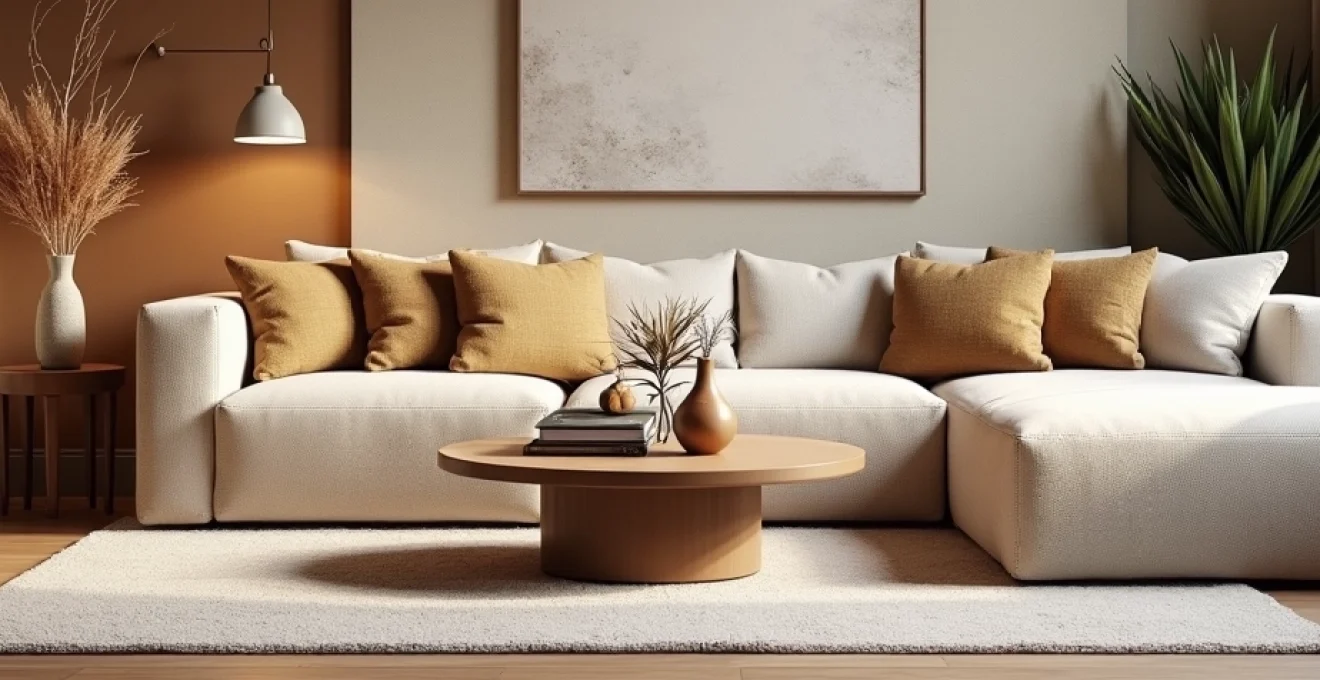
Texture transforms spaces from visually flat exhibitions into emotionally resonant sanctuaries that invite touch, exploration, and lingering moments. Professional interior designers understand that successful texture layering creates the fundamental difference between a house and a home—between sterile perfection and lived-in luxury. The strategic application of contrasting surfaces, materials, and finishes generates visual depth whilst simultaneously engaging multiple senses, creating interiors that feel both sophisticated and authentically welcoming.
The mastery of texture layering transcends simple decoration, evolving into an architectural language that speaks directly to human psychology and comfort. When applied with professional precision, textural elements create dynamic interplays of light and shadow, establish focal points, and guide the eye through carefully orchestrated visual journeys. This sophisticated approach to interior design acknowledges that spaces must function on both practical and emotional levels, addressing the human need for sensory richness whilst maintaining aesthetic coherence.
Understanding texture fundamentals in interior design psychology
Texture operates as a fundamental element of interior design psychology, influencing how occupants perceive space, comfort, and emotional connection within their environment. Research demonstrates that textural variety directly impacts stress levels, with spaces featuring diverse tactile elements promoting relaxation and psychological well-being more effectively than uniform surfaces. The human brain processes textural information through both visual and haptic channels, creating layered sensory experiences that contribute to overall spatial satisfaction.
Professional designers recognise that texture functions as a silent communicator, conveying messages about luxury, comfort, sophistication, or casualness without requiring verbal explanation. Smooth surfaces suggest modernity and cleanliness , whilst rough textures evoke natural authenticity and warmth. The strategic juxtaposition of contrasting textures—such as polished marble against woven wool—creates tension and interest that prevents spaces from feeling monotonous or sterile.
The psychological impact of texture extends beyond immediate sensory response to influence long-term occupant behaviour and satisfaction. Studies indicate that environments with thoughtfully layered textures encourage longer dwelling times, promote social interaction, and enhance overall quality of life. This understanding forms the foundation of professional texture selection, where each material choice serves both aesthetic and psychological purposes within the broader spatial narrative.
Successful texture layering acknowledges that humans require sensory variety to feel truly comfortable and engaged within their living spaces, making textural diversity essential for psychological well-being.
Texture also functions as a tool for spatial manipulation, with rough textures appearing to bring surfaces closer whilst smooth textures create visual distance. This phenomenon allows designers to alter perceived room dimensions through strategic material selection. Additionally, texture affects acoustic properties, with soft materials absorbing sound whilst hard surfaces create reverberation, enabling designers to influence both visual and auditory experiences simultaneously.
Visual texture techniques: creating depth through surface illusion
Visual texture represents the sophisticated art of creating tactile impressions through purely optical means, allowing designers to introduce complexity and interest without altering physical surfaces. This approach proves particularly valuable in rental properties, budget-conscious projects, or spaces where permanent alterations remain impractical. Professional visual texture applications require understanding how light interacts with various surface treatments and how the human eye interprets these interactions as dimensional depth.
Trompe-l’oeil wallpaper applications for dimensional effects
Contemporary trompe-l’oeil wallpapers achieve remarkable dimensional effects through advanced printing technologies and sophisticated design techniques. These applications create convincing illusions of architectural elements such as exposed brick, weathered wood, or natural stone without the associated weight, cost, or maintenance requirements. Professional implementation requires careful consideration of viewing angles, lighting conditions, and adjacent materials to maintain the illusion’s effectiveness.
The most successful trompe-l’oeil applications focus on subtle rather than dramatic effects, creating gentle textural interest that enhances rather than dominates the space. Modern digital printing capabilities enable photorealistic reproductions of virtually any surface, from ancient plastered walls to contemporary concrete panels. However, professional designers exercise restraint, selecting patterns that complement rather than compete with existing architectural elements.
Grasscloth and natural fibre wall coverings implementation
Grasscloth wall coverings introduce authentic textural depth whilst maintaining visual sophistication and natural appeal. These materials, crafted from sisal, jute, hemp, or bamboo fibres, provide subtle dimensional variation that changes appearance throughout the day as lighting conditions shift. Professional installation requires specialised techniques to accommodate the natural variations in fibre density and colour that characterise authentic grasscloth materials.
The selection of appropriate grasscloth depends on the intended atmosphere and functional requirements. Fine-weave options suit formal dining rooms and bedrooms, whilst broader weaves complement casual living spaces and home offices. Natural variations in grasscloth patterns prevent monotonous uniformity , creating organic visual interest that synthetic alternatives cannot replicate effectively.
Venetian plaster and limewash finishing methods
Venetian plaster and limewash techniques create sophisticated textural depth through layered application methods that build dimensional complexity over multiple coats. These traditional techniques produce surfaces that shift in appearance based on viewing angle and lighting conditions, creating dynamic visual interest throughout the day. Professional application requires specialised skills and understanding of how different layer combinations affect final texture and colour saturation.
Contemporary interpretations of these classical techniques incorporate modern pigments and sealers whilst maintaining traditional application principles. The resulting surfaces provide luxurious tactile experiences that improve with age, developing subtle patina and character over time. These finishes particularly complement minimalist design approaches, where surface quality compensates for reduced decorative elements.
Textured paint techniques: sponging, ragging, and stippling
Professional textured paint applications employ techniques such as sponging, ragging, and stippling to create surface interest without permanent architectural modifications. These methods allow designers to introduce subtle textural variations that enhance light reflection and create visual depth. Contemporary applications emphasise subtlety over dramatic effect, utilising closely related colour tones to achieve sophisticated results.
The selection of appropriate technique depends on the desired atmosphere and existing design elements. Sponging creates soft, organic patterns suitable for relaxed environments, whilst stippling produces more controlled, geometric effects appropriate for formal spaces. Professional execution requires understanding how different tools and application pressures affect final texture quality .
Tactile texture integration: material selection and placement strategies
Tactile texture integration represents the physical manifestation of textural design, where materials directly engage human touch and create authentic sensory experiences. This approach requires careful consideration of durability, maintenance requirements, and user interaction patterns to ensure long-term satisfaction and performance. Professional tactile texture strategies balance aesthetic impact with practical functionality, selecting materials that enhance daily life whilst maintaining visual sophistication.
Bouclé and boucle fabric applications in upholstery design
Bouclé fabrics introduce sophisticated textural complexity through their characteristic looped construction, creating surfaces that appear simultaneously rustic and refined. Professional upholstery applications consider both the visual impact and practical performance of these materials, selecting appropriate weights and constructions for specific furniture types and usage patterns. The irregular surface texture of bouclé fabrics provides natural camouflage for minor wear and everyday soiling, making them particularly suitable for high-traffic family spaces.
Contemporary bouclé applications extend beyond traditional neutral palettes to incorporate bold colours and metallic threads, enabling designers to create statement pieces that maintain textural sophistication. The three-dimensional quality of bouclé construction creates natural light play that enhances visual interest throughout changing daily lighting conditions. Professional selection considers thread composition, as natural fibres provide different tactile experiences compared to synthetic alternatives.
Raw silk, linen, and hemp textile combinations
Natural textile combinations create layered tactile experiences that evolve with use and time, developing character and patina that synthetic materials cannot replicate. Raw silk provides lustrous smoothness with subtle textural irregularities, whilst linen offers structured crispness that softens with handling. Hemp contributes durability and distinctive textural weight that grounds lighter materials within layered compositions.
Professional combination strategies consider how different natural fibres respond to environmental conditions, with some materials tightening or relaxing based on humidity levels. These natural responses create dynamic textural experiences that change seasonally, providing built-in variety that prevents spaces from feeling static. The inherent irregularities in natural fibres prevent the mechanical uniformity that characterises mass-produced synthetic alternatives.
Jute, sisal, and coir natural floor covering systems
Natural floor covering systems provide foundational textural elements that establish spatial character whilst addressing practical flooring requirements. Jute offers soft, flexible texture suitable for moderate-traffic areas, whilst sisal provides greater durability and distinctive linear patterns. Coir contributes robust texture and natural water resistance, making it appropriate for transitional spaces and areas subject to moisture exposure.
Professional selection considers the interaction between natural floor coverings and existing architectural elements, ensuring that textural additions enhance rather than compete with established spatial characteristics. These materials require specific maintenance approaches that differ from conventional carpeting, necessitating client education about proper care and realistic performance expectations. The natural variation in these materials prevents perfect uniformity, creating organic visual interest that complements relaxed design approaches.
Reclaimed wood and Live-Edge timber surface treatments
Reclaimed wood applications introduce authentic historical texture whilst supporting sustainable design practices and creating unique focal points within contemporary spaces. Each piece of reclaimed timber carries distinctive characteristics developed through decades of use, weathering, and natural aging processes that cannot be artificially replicated. Professional selection requires understanding how different wood species age and respond to interior environmental conditions.
Live-edge timber treatments preserve natural wood boundaries, creating organic textural elements that contrast effectively with geometric architectural forms. These applications require specialised finishing techniques to maintain natural character whilst providing appropriate protection for interior use. The inherent unpredictability of natural wood grain ensures that each installation remains completely unique, providing personalised textural experiences that reflect individual space requirements.
Travertine, slate, and honed marble stone textures
Natural stone textures provide permanent textural elements that improve with age whilst offering virtually unlimited durability and sophisticated appearance. Travertine surfaces feature natural pitting and variation that create subtle shadow play, whilst slate provides linear texture and consistent colour depth. Honed marble offers smooth tactile experiences with natural veining patterns that ensure visual uniqueness.
Professional stone selection considers both immediate aesthetic impact and long-term maintenance requirements, as different stones respond differently to household chemicals and daily use patterns. The thermal properties of stone materials affect tactile experiences, with some stones feeling cool year-round whilst others moderate to ambient temperatures. These thermal characteristics contribute to the overall sensory experience of textured spaces.
Natural stone textures provide permanence and authenticity that synthetic alternatives cannot match, creating foundational textural elements that anchor layered design schemes with timeless sophistication.
Layering methodology: the 60-30-10 texture distribution rule
The 60-30-10 texture distribution rule provides professional framework for achieving balanced textural compositions without overwhelming spatial harmony or creating sensory chaos. This methodology allocates 60% of textural presence to dominant background materials, 30% to secondary accent textures, and 10% to statement textural elements that create focal points and visual punctuation. Professional implementation of this rule requires understanding how different textures compete for attention and how strategic placement affects overall spatial perception.
The dominant 60% category typically encompasses major architectural surfaces such as wall treatments, primary flooring materials, and large furniture upholstery. These elements establish the fundamental textural character of the space whilst providing visual stability that supports more adventurous accent choices. Professional selection emphasises versatility and longevity, choosing textures that remain appealing over time whilst accommodating seasonal decorative changes.
Secondary 30% textures include area rugs, window treatments, throw pillows, and medium-scale decorative elements that bridge between dominant backgrounds and statement accents. These elements provide textural variety without dominating the space, creating layers of interest that reward closer examination. The strategic placement of secondary textures guides visual movement throughout the space whilst maintaining overall compositional balance.
Statement 10% textures comprise carefully selected focal elements such as distinctive artwork, unique decorative objects, or dramatic lighting fixtures that create memorable textural moments. These elements often feature the most dramatic textural contrasts or unusual materials that would overwhelm the space if used extensively. Professional selection emphasises quality over quantity, choosing statement pieces that provide maximum impact through strategic positioning and lighting.
| Texture Category | Percentage | Application Examples | Selection Criteria |
|---|---|---|---|
| Dominant | 60% | Wall treatments, primary flooring, major upholstery | Versatility, longevity, visual stability |
| Secondary | 30% | Area rugs, curtains, throw pillows | Bridge elements, visual movement, seasonal adaptability |
| Statement | 10% | Distinctive artwork, unique objects, dramatic fixtures | Maximum impact, memorable moments, focal points |
This distribution methodology prevents textural competition whilst ensuring sufficient variety to maintain visual interest. Professional designers adjust these percentages based on specific spatial requirements, client preferences, and functional needs, but the underlying principle of hierarchical textural organisation remains constant. The rule provides structure whilst allowing creative flexibility within established parameters.
Seasonal texture rotation: adaptive interior styling techniques
Seasonal texture rotation enables dynamic interior experiences that respond to changing environmental conditions, lifestyle patterns, and psychological needs throughout the year. This approach recognises that human comfort requirements shift with seasonal cycles, requiring adaptive design strategies that maintain visual freshness whilst addressing practical considerations such as insulation, light reflection, and tactile comfort. Professional seasonal rotation systems emphasise efficiency and storage solutions that make transitions manageable for busy households.
Spring texture rotations emphasise renewal and lightness, introducing fresh linens, botanical elements, and materials that reflect increasing daylight hours and warming temperatures. Professional selection focuses on breathable fabrics, natural colours, and textures that suggest growth and regeneration. The psychological impact of seasonal texture changes contributes significantly to occupant well-being, providing tangible connections to natural cycles within controlled interior environments.
Summer adaptations prioritise cooling textures and light reflection, incorporating materials such as cotton, linen, and smooth surfaces that provide tactile relief from elevated temperatures. Professional summer schemes reduce textural weight whilst maintaining visual interest through strategic use of reflective materials and cooling colour palettes. Natural fibres become particularly important during warm months, providing breathability and moisture management that synthetic alternatives cannot match.
Autumn transitions introduce warming textures and richer materials that provide psychological preparation for colder months ahead. Professional autumn schemes incorporate wool, velvet, and other insulating materials that provide both visual and thermal comfort. The selection of autumn textures often emphasises natural harvest themes, incorporating materials and colours that reflect seasonal abundance and preparation.
Winter texture strategies maximise thermal comfort and psychological warmth through layered applications of insulating materials and light-absorbing surfaces. Professional winter schemes create cosy environments that counteract reduced daylight hours and cold temperatures. The strategic use of thermal textures can reduce heating requirements whilst improving occupant comfort, making seasonal rotation both environmentally and economically beneficial.
Seasonal texture rotation provides dynamic interior experiences that connect occupants with natural cycles whilst addressing changing comfort requirements throughout the year, creating homes that feel responsive and alive.
Professional texture curation: avoiding sensory overload and design pitfalls
Professional texture curation requires sophisticated understanding of how multiple textural elements interact within confined spaces, ensuring that complexity enhances rather than overwhelms the occupant experience. Successful curation prevents sensory overload through strategic selection, thoughtful placement, and careful attention to scale relationships between different textural elements. The goal involves creating rich sensory environments that reward exploration without causing fatigue or confusion.
Common texture layering pitfalls include excessive variety, inappropriate scale relationships, and insufficient consideration of maintenance requirements. Professional designers develop systematic approaches to texture selection that prevent these issues whilst maintaining creative flexibility. The evaluation process considers both immediate visual impact and long-term livability, ensuring that textural choices remain satisfying over extended periods of daily use.
Scale relationships prove critical in successful texture layering, as oversized textures can dominate small spaces whilst fine textures disappear in large environments. Professional curation carefully balances textural scales to ensure appropriate visual weight distribution throughout the space. The interaction between textural scale and viewing distance affects how materials are perceived and appreciated within daily use patterns.
Maintenance considerations significantly impact texture selection, as some materials require specialise
d care and ongoing attention that may not suit all lifestyles or budget constraints. Professional designers evaluate maintenance requirements during initial selection, ensuring that textural choices align with client capabilities and long-term satisfaction expectations.
The strategic limitation of textural variety prevents sensory competition whilst maintaining visual interest. Professional approaches typically restrict each space to five or fewer distinct textural families, ensuring that each material receives sufficient visual attention to contribute meaningfully to the overall composition. Quality over quantity principles guide professional texture curation, emphasising exceptional examples of selected textures rather than attempting comprehensive textural surveys within single spaces.
Professional texture curation also considers the psychological impact of textural density, recognising that excessive tactile stimulation can create stress and fatigue rather than comfort and engagement. Successful curation creates textural rhythms that provide variety without overwhelming the senses, allowing occupants to appreciate subtlety and nuance within their daily environments. The most sophisticated textural schemes appear effortless whilst requiring considerable expertise to achieve appropriate balance and harmony.
Lighting interaction represents another critical consideration in professional texture curation, as different textures respond dramatically to various lighting conditions. Materials that appear sophisticated under warm incandescent lighting may seem harsh under cool LED illumination, whilst textures that provide subtle interest in natural daylight might disappear entirely under artificial lighting. Professional designers conduct lighting tests throughout the selection process, ensuring that textural choices remain effective under all anticipated lighting scenarios.
Master-level texture curation requires understanding that less can be more, with carefully selected and expertly positioned textural elements creating more sophisticated results than extensive collections of competing materials.
The temporal aspect of texture curation involves selecting materials that improve with age and use rather than deteriorating or becoming tiresome over time. Professional designers favour textures that develop character through natural aging processes, creating environments that become more beautiful and interesting as they mature. This approach requires understanding how different materials respond to daily use patterns and environmental exposure within residential settings.
Professional texture curation ultimately serves human comfort and well-being whilst achieving aesthetic excellence. The most successful textural environments feel intuitive and welcoming, providing sensory richness that enhances daily life without demanding constant attention or maintenance. This balance between sophistication and livability distinguishes professional texture work from amateur attempts that may achieve visual impact but fail to support long-term occupant satisfaction and comfort.
| Curation Challenge | Professional Solution | Implementation Strategy | Long-term Benefit |
|---|---|---|---|
| Sensory Overload | Strategic limitation to 5 textural families | Systematic selection process with samples | Sustained occupant comfort and appreciation |
| Scale Mismatch | Proportional texture scaling to room dimensions | Physical mock-ups and viewing distance testing | Appropriate visual weight and presence |
| Maintenance Burden | Lifestyle-appropriate material selection | Client consultation and care requirement education | Long-term satisfaction and performance |
| Lighting Incompatibility | Multi-scenario lighting evaluation | Sample testing under various lighting conditions | Consistent textural appeal throughout daily cycles |
The evolution of textural preferences over time requires professional curation strategies that accommodate changing tastes whilst maintaining foundational design integrity. Successful texture schemes provide sufficient flexibility for minor updates and seasonal variations without requiring complete overhauls when preferences shift. This adaptability ensures long-term value and satisfaction from initial textural investments, making professional curation both aesthetically and economically beneficial for discerning clients who understand that exceptional interior environments represent significant lifestyle investments.