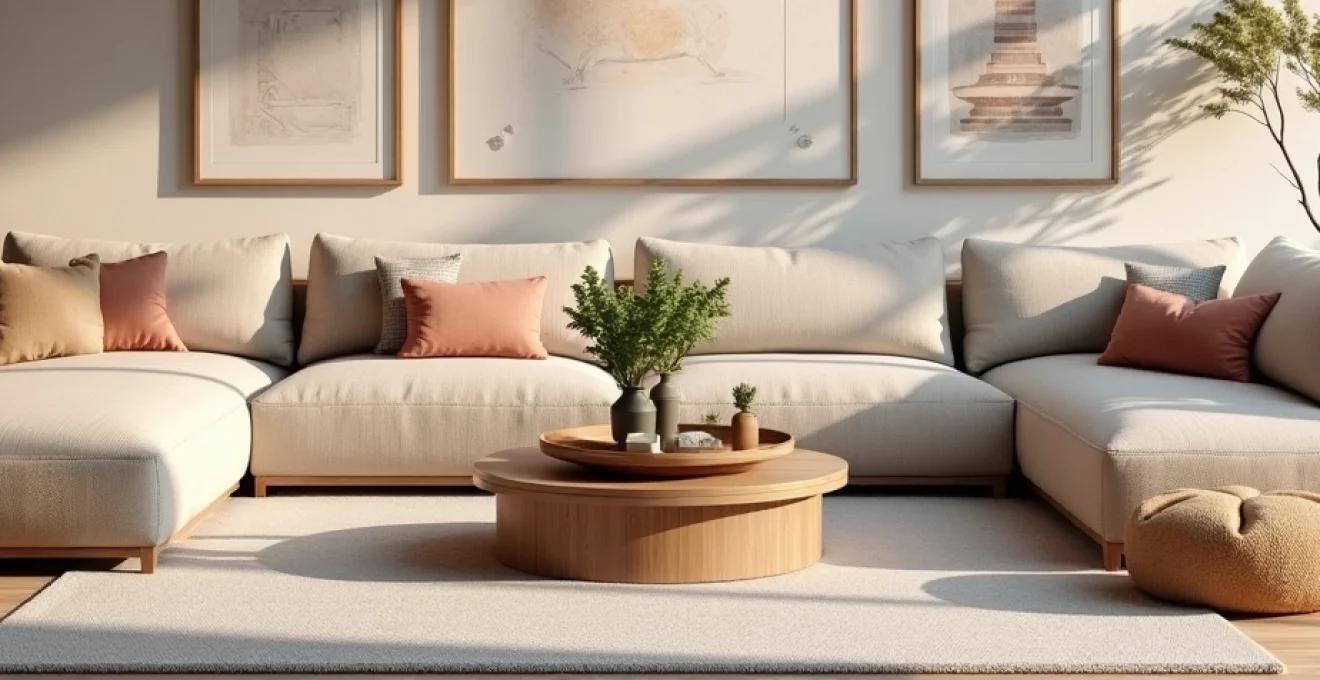
The art of seasonal interior design extends far beyond swapping festive decorations or changing throw pillow covers. Professional designers understand that truly sophisticated seasonal transformations require a nuanced approach to pattern integration, colour psychology, and spatial dynamics. When executed thoughtfully, seasonal pattern incorporation creates homes that breathe with the natural rhythm of the year whilst maintaining their inherent style and sophistication.
Modern homeowners increasingly seek interior solutions that feel fresh and dynamic without requiring complete overhauls every few months. This desire for evolutionary rather than revolutionary change has sparked innovation in seasonal design methodology, where subtle pattern shifts create profound atmospheric transformations. The key lies in understanding how visual elements interact with our psychological responses to seasonal transitions.
Creating seasonally responsive interiors demands mastery of several interconnected design principles. From understanding how natural light affects colour perception throughout the year to selecting textiles that transition seamlessly between seasons, each element contributes to a cohesive seasonal narrative. The most successful seasonal pattern integration occurs when homeowners can barely identify what has changed, yet feel distinctly different in their transformed space.
Understanding seasonal interior design principles and colour psychology
The foundation of effective seasonal pattern integration rests upon comprehending how colours and patterns influence human psychology throughout the year. Research indicates that exposure to different colour temperatures can significantly affect mood, energy levels, and even circadian rhythms. Winter months naturally draw us toward warmer, more saturated hues, whilst summer inspires preferences for cooler, lighter tones that reflect the abundant natural light.
Chromatic temperature theory in spring and summer palettes
Spring and summer seasonal transitions benefit from understanding cool colour temperature theory, where blues, greens, and violet undertones create psychological associations with freshness and vitality. These chromatic cooling effects work particularly well in patterns featuring botanical motifs, geometric designs with linear elements, and abstract compositions that suggest movement and growth.
Cool-toned patterns excel in fabrics with reflective qualities, such as silk blends or cotton-linen combinations that capture and scatter natural light. Consider incorporating patterns with white or cream backgrounds featuring sage green, powder blue, or lavender accents. These combinations create visual breathing room whilst maintaining sophisticated appeal throughout warmer months.
Warm undertone integration for autumn and winter schemes
Autumn and winter pattern selection requires embracing warm undertone psychology, where reds, oranges, and golden yellows trigger subconscious associations with comfort, security, and warmth. Successful warm-toned patterns often feature organic shapes, rich textures, and deeper saturation levels that compensate for reduced natural light during shorter days.
The most effective warm seasonal patterns incorporate multiple tonal layers within the same colour family. Rather than relying on stark contrasts, sophisticated autumn and winter patterns use graduated tonal shifts—think burgundy transitioning to wine red to deep rose—creating visual depth whilst maintaining colour harmony. This approach allows patterns to feel rich and enveloping without overwhelming smaller spaces.
Natural light variability impact on seasonal colour perception
Understanding how natural light affects colour perception throughout the year proves crucial for successful seasonal pattern integration. Northern hemisphere homes experience dramatic shifts in light quality, from the blue-tinged illumination of winter to the golden warmth of summer afternoons. These variations significantly alter how patterns appear and feel within interior spaces.
Professional designers account for seasonal light variations by selecting patterns with appropriate contrast levels for each season. Winter patterns benefit from higher contrast elements that maintain visibility under limited natural light, whilst summer patterns can embrace subtle tonal variations that become more apparent under bright conditions. This principle explains why delicate watercolour-style patterns work beautifully in summer but may appear washed out during winter months.
Biophilic design elements for Year-Round psychological comfort
Incorporating biophilic design principles through seasonal patterns creates year-round psychological comfort by maintaining visual connections to nature regardless of weather conditions. This approach involves selecting patterns that reference natural forms, textures, and growth cycles, creating interior environments that feel inherently harmonious with seasonal rhythms.
Successful biophilic seasonal patterns might include stylised leaf motifs that transition from fresh green spring versions to golden autumn iterations, or wave patterns that shift from crisp navy summer themes to warm grey winter variations. The key lies in maintaining recognisable natural references whilst adapting colour palettes and scale to suit seasonal moods and lighting conditions.
Textile selection and layering techniques across seasonal transitions
Mastering textile selection for seasonal transitions requires understanding both the physical properties of different fibres and their visual impact within interior compositions. The most successful seasonal transformations occur when textile changes feel natural and inevitable, as if the space itself is responding to environmental shifts. This seamless transition depends upon strategic layering techniques that allow for gradual seasonal adaptation rather than dramatic overhauls.
Weight gradient methodology for fabric transitions
Professional designers employ weight gradient methodology to create smooth transitions between seasons, gradually introducing heavier or lighter fabrics rather than making abrupt changes. This technique involves maintaining some consistent textile elements throughout the year whilst strategically adding or removing layers to achieve seasonal appropriateness.
The gradient approach might begin with lightweight linen base layers that remain constant, then add cotton-blend elements for spring transition, incorporate wool accents for autumn preparation, and finally introduce cashmere or mohair elements for winter warmth. This layered strategy ensures that no single seasonal change feels jarring or disconnected from the overall design narrative.
Successful weight gradients also consider visual weight alongside physical weight. Heavy visual elements—such as dark colours or dense patterns—can substitute for physical weight during transitional periods, creating seasonal atmosphere without requiring complete textile replacement. This principle allows for more economical seasonal updates whilst maintaining sophisticated design integrity.
Natural fibre rotation: linen, wool, and cotton applications
Understanding the seasonal characteristics of natural fibres enables strategic rotation that enhances both comfort and aesthetic appeal throughout the year. Each natural fibre possesses unique properties that align with seasonal needs, from linen’s cooling breathability for summer months to wool’s insulating warmth for winter comfort.
Linen excels in spring and summer applications due to its moisture-wicking properties and naturally relaxed appearance that suggests casual elegance. Cotton provides year-round versatility , adapting to seasonal needs through weight variations—from lightweight cotton voiles for summer to heavy cotton twills for winter applications. Wool naturally dominates autumn and winter selections, offering both physical warmth and visual richness that complements reduced natural light.
Strategic natural fibre rotation involves maintaining some consistent elements whilst shifting proportions seasonally. A well-designed seasonal textile programme might feature cotton as a constant base, with linen accents dominating spring and summer, then transitioning to wool accents for autumn and winter months.
Texture contrast principles for visual depth enhancement
Creating compelling seasonal interiors requires mastering texture contrast principles that enhance visual depth whilst maintaining cohesive design narratives. Successful texture contrasts work on multiple levels—combining smooth with rough, matte with lustrous, and structured with flowing—to create dynamic visual interest that prevents seasonal schemes from appearing flat or monotonous.
Summer seasonal schemes benefit from contrasts between crisp, structured elements and flowing, organic textures. Consider pairing sharply pressed linen with loosely woven cotton, or combining smooth ceramic surfaces with roughly textured natural fibres. These contrasts create visual energy that compensates for the simplified colour palettes often favoured during warmer months.
Winter texture contrasts typically emphasise warmth and comfort through the juxtaposition of luxurious and rustic elements. Combining smooth silk or cashmere with roughly hewn wood textures, or pairing polished metal surfaces with nubby wool fabrics creates sophisticated depth that enhances the cocooning atmosphere desired during colder months.
Luxury textile integration: cashmere, silk, and mohair seasonal usage
Luxury textile integration requires understanding both the practical and psychological benefits these premium materials bring to seasonal design schemes. Cashmere, silk, and mohair each possess unique characteristics that align with specific seasonal moods and functional requirements, making strategic deployment crucial for maximising their impact.
Cashmere naturally gravitates toward autumn and winter applications, where its exceptional softness and warmth create immediate comfort associations. However, lightweight cashmere blends can extend into spring transitional periods, providing psychological comfort during unpredictable weather whilst maintaining sophisticated appeal. The key lies in selecting appropriate weights and colours that align with seasonal energy levels.
The most successful luxury textile integration occurs when premium materials feel essential rather than ostentatious, enhancing seasonal comfort whilst maintaining understated elegance.
Silk offers remarkable versatility across seasons through weight and weave variations. Lightweight silk georgette or chiffon creates ethereal summer elegance, whilst heavier silk dupioni or brocade provides winter richness. Mohair excels in transitional seasons, offering unique textural interest that bridges the gap between summer’s smoothness and winter’s plushness.
Botanical integration strategies for dynamic seasonal displays
Creating dynamic seasonal displays through botanical integration requires understanding both living plant cycles and artificial botanical alternatives that maintain year-round appeal. The most sophisticated seasonal botanical strategies combine fresh seasonal elements with carefully selected permanent installations, creating displays that feel both dynamic and stable throughout the year.
Fresh botanical integration follows natural growing cycles, incorporating seasonal flowers, foliage, and branches that reflect outdoor environmental changes. Spring displays might feature flowering branches, tender green foliage, and early bulb flowers that suggest renewal and growth. Summer arrangements can embrace abundance through lush greenery, bold flowering plants, and herbs that add both visual appeal and practical functionality.
Autumn botanical displays draw inspiration from harvest themes, incorporating dried grains, colourful foliage, and seed pods that celebrate the season’s natural abundance. Winter arrangements focus on evergreen elements, bare branches with interesting architectural qualities, and preserved materials that maintain beauty despite harsh outdoor conditions. These seasonal botanical rotations create natural focal points that anchor broader seasonal design changes.
Artificial botanical elements provide consistency and structure for seasonal displays, offering permanent backdrops that can be enhanced with fresh seasonal additions. High-quality artificial greenery, particularly in neutral tones, provides year-round sophistication whilst allowing for seasonal colour accents through fresh flowers or coloured accessories. This hybrid approach combines the dynamism of fresh botanicals with the reliability of permanent installations.
Successful botanical integration also considers scale and proportion throughout seasonal transitions. Large architectural plants provide constant visual weight, whilst smaller seasonal additions create flexibility and change. Strategic layering of different botanical elements —combining permanent larger specimens with rotating smaller plants—ensures displays remain proportionally balanced regardless of seasonal modifications.
The positioning of botanical elements within interior compositions affects their seasonal impact significantly. Central positioning creates dramatic focal points that anchor seasonal themes, whilst peripheral placement allows botanical elements to support broader design narratives without overwhelming other seasonal changes. Understanding these positioning strategies enables more nuanced seasonal botanical integration.
Lighting design adaptation for seasonal daylight variations
Adapting lighting design for seasonal daylight variations requires comprehensive understanding of how natural light patterns affect interior atmosphere throughout the year. Professional lighting design considers both quantitative changes—the actual amount of available daylight—and qualitative shifts in light colour temperature that occur seasonally. These variations significantly influence how colours appear, how spaces feel, and how successfully seasonal design changes integrate within existing architectural frameworks.
Winter lighting challenges stem from both reduced daylight hours and cooler colour temperatures that can make interiors feel stark or unwelcoming. Successful winter lighting strategies compensate through warmer artificial light sources, increased ambient lighting levels, and strategic accent lighting that highlights seasonal textiles and accessories. Layered lighting approaches work particularly well, combining general illumination with task-specific and decorative lighting elements.
Spring lighting transitions benefit from gradually increasing natural light levels and warming colour temperatures, creating opportunities to reduce artificial lighting dependence whilst maintaining comfort levels. This transitional period allows for lighting flexibility, where dimmer controls and adjustable fixtures can accommodate daily variations in natural light availability. Strategic mirror placement during spring months can amplify available natural light whilst creating visual interest through reflected seasonal displays.
Summer lighting requires careful balance between abundant natural light and comfort considerations, particularly in spaces with significant sun exposure. Window treatments become crucial seasonal elements, providing necessary light control whilst maintaining visual connection to outdoor environments. Lighter artificial lighting schemes work well during summer months, as reduced artificial lighting needs allow seasonal colours and patterns to appear more vibrant under natural illumination.
Autumn lighting preparation involves anticipating reduced daylight hours whilst taking advantage of the season’s warm, golden natural light qualities. This period offers opportunities to introduce warmer artificial light sources that will become increasingly important as winter approaches. Seasonal lighting transitions work most effectively when implemented gradually, allowing eyes and psyches to adjust naturally to changing illumination conditions.
Effective seasonal lighting design creates seamless transitions that feel natural and inevitable, supporting broader seasonal design changes whilst maintaining functional illumination requirements throughout the year.
Advanced lighting control systems enable sophisticated seasonal adaptations through programmable scenes that adjust colour temperature, intensity, and distribution patterns automatically. These systems can simulate natural circadian rhythms even when natural light varies significantly, supporting both physical comfort and psychological wellbeing throughout seasonal transitions. Smart lighting integration represents the future of seasonal interior adaptation, offering unprecedented control over environmental atmosphere.
Furniture positioning and spatial reconfiguration methods
Strategic furniture positioning and spatial reconfiguration create profound seasonal atmosphere changes without requiring furniture replacement or major renovations. Understanding how spatial arrangements affect both functional flow and psychological comfort throughout the year enables sophisticated seasonal adaptations that feel both natural and purposeful. The most successful spatial reconfigurations consider changing lifestyle patterns, varying natural light conditions, and evolving comfort requirements across different seasons.
Hygge-inspired winter arrangement techniques
Hygge-inspired winter arrangement techniques focus on creating intimate, cocooning environments that promote comfort and connection during colder months. These arrangements typically involve drawing furniture closer together, creating conversational groupings that encourage social interaction, and establishing clear sight lines to warming elements such as fireplaces or large windows with winter views.
Winter furniture arrangements benefit from increased layering opportunities, where ottomans, side tables, and additional seating create flexible configurations that can adapt to different activities throughout shorter days. Strategic placement of reading chairs near natural light sources maximises available daylight for daytime activities, whilst ensuring proximity to artificial lighting for evening pursuits.
Successful winter arrangements also consider heat distribution and circulation, positioning frequently used seating areas to take advantage of heating systems whilst avoiding direct exposure that might cause discomfort. This functional approach to winter arrangement ensures that seasonal comfort enhancements support daily living patterns rather than merely creating visual appeal.
Lagom philosophy for summer minimalist transitions
Lagom philosophy promotes balanced, uncluttered approaches to summer interior arrangements, emphasising functionality, visual breathing room, and connection to outdoor environments. Summer spatial reconfigurations typically involve opening sight lines, reducing visual complexity, and creating easier circulation patterns that accommodate increased activity levels and casual entertaining.
Summer furniture arrangements often benefit from increased spacing between elements, allowing air circulation and creating psychological coolness through visual openness. Lightweight, easily moveable furniture pieces enable flexible arrangements that can adapt to different summer activities, from quiet morning routines to evening entertaining. This flexibility becomes particularly important in smaller spaces where seasonal adaptation requires creative spatial solutions.
Lagom-inspired summer arrangements also emphasise quality over quantity, focusing on essential furniture pieces whilst temporarily storing or repositioning elements that add visual weight without serving immediate functional purposes. This approach creates more spacious feelings without requiring furniture removal, simply through thoughtful spatial editing and arrangement optimisation.
Scandinavian-style furniture rotation systems
Scandinavian-style furniture rotation systems enable comprehensive seasonal adaptations through systematic approaches to spatial reconfiguration. These systems typically involve identifying core furniture pieces that remain constant throughout the year, whilst designating secondary pieces that can be rotated, repositioned, or temporarily stored based on seasonal requirements.
Effective rotation systems consider both aesthetic and functional criteria, ensuring that seasonal changes enhance daily living patterns whilst maintaining design coherence. This might involve rotating dining chairs between formal dining areas and casual breakfast nooks, repositioning occasional tables to support seasonal activities, or moving artwork and accessories to create different seasonal focal points.
Successful rotation systems also require adequate storage solutions for temporarily displaced furniture and accessories. Purpose-built storage areas, seasonal closets, or garage spaces enable comprehensive rotations without compromising year-round functionality. Planning these storage requirements during initial design phases ensures that seasonal rotation systems can operate smoothly throughout the years.
Traffic flow optimisation for seasonal living patterns
Understanding how seasonal living patterns affect interior traffic flow enables strategic spatial reconfigurations that support changing lifestyle requirements throughout the year. Winter patterns typically involve more indoor activities, longer periods spent in specific areas, and increased need for flexible space usage that can accommodate various activities within limited areas.
Summer traffic flow optimisation often focuses on creating seamless transitions between indoor and outdoor spaces, ensuring that furniture arrangements support increased movement and casual entertaining patterns. This might involve repositioning seating to face outdoor
views, or adjusting dining areas to accommodate both indoor meals and easy outdoor dining transitions.
Effective traffic flow optimisation also considers storage accessibility during seasonal transitions. High-use seasonal items should remain easily accessible, whilst less frequently needed elements can be stored in less convenient locations. This approach minimises disruption during seasonal changes whilst ensuring that daily living patterns remain comfortable and efficient throughout the year.
Professional designers often create traffic flow diagrams that map seasonal usage patterns, identifying key circulation routes and potential congestion points during different times of year. These diagrams inform furniture placement decisions and help predict how seasonal changes will affect daily routines, ensuring that spatial reconfigurations enhance rather than hinder functional living.
Accessory curation and storage solutions for seamless seasonal changes
Creating seamless seasonal changes requires sophisticated accessory curation strategies that balance visual impact with practical storage considerations. The most successful seasonal accessory programmes involve careful selection of pieces that can transition between seasons through strategic styling, combined with efficient storage systems that enable quick seasonal updates without overwhelming available space.
Effective accessory curation begins with establishing a core collection of versatile pieces that can adapt to multiple seasonal contexts through different styling approaches. Neutral ceramic vases, natural wood bowls, and quality metal candleholders provide consistent foundations that can be enhanced with seasonal elements like fresh flowers, coloured candles, or textural accents that reflect current seasonal themes.
Seasonal accessory rotation works most effectively when planned around specific colour families and material categories. Rather than storing completely different seasonal collections, sophisticated curation involves selecting pieces that share common elements whilst offering sufficient variation to create distinct seasonal atmospheres. This approach reduces storage requirements whilst ensuring visual coherence throughout seasonal transitions.
Professional storage solutions for seasonal accessories should prioritise both preservation and accessibility. Climate-controlled storage areas protect delicate materials from temperature and humidity fluctuations, whilst clear labelling systems and photographic inventories enable quick identification of stored items during seasonal changeovers. Custom storage solutions, such as built-in seasonal closets or dedicated accessory cabinets, streamline the rotation process significantly.
The key to effortless seasonal transitions lies not in the quantity of accessories owned, but in the thoughtful curation and systematic organisation that enables swift, confident styling changes throughout the year.
Advanced accessory curation strategies involve creating seasonal mood boards that guide purchasing decisions and styling approaches. These visual references ensure that new acquisitions integrate seamlessly with existing collections whilst preventing impulse purchases that might disrupt carefully planned seasonal narratives. Digital mood boards can be easily updated and referenced during shopping trips or styling sessions.
Successful seasonal storage systems also consider the practical aspects of accessory handling, including protective wrapping for delicate items, dust prevention for frequently rotated pieces, and easy transport solutions for moving accessories between storage areas and display locations. Investing in quality storage materials and organisation systems pays dividends in reduced damage and simplified seasonal transitions.
The timing of seasonal accessory changes affects their impact significantly. Gradual transitions that introduce seasonal elements over several weeks feel more natural than dramatic overnight transformations. This approach allows residents to adjust psychologically to seasonal changes whilst ensuring that new arrangements feel intentional rather than rushed or forced.
Creating designated staging areas for seasonal accessories enables experimentation with different arrangements before committing to final placements. These areas, whether temporary table surfaces or dedicated styling zones, provide space for testing colour combinations, scale relationships, and compositional balance before implementing changes throughout the home.
Ultimately, masterful seasonal pattern integration through sophisticated accessory curation creates homes that feel perpetually fresh and thoughtfully composed. By understanding the principles of colour psychology, textile selection, botanical integration, lighting adaptation, spatial reconfiguration, and storage organisation, homeowners can create interior environments that celebrate seasonal rhythms whilst maintaining timeless elegance and personal authenticity throughout the year.