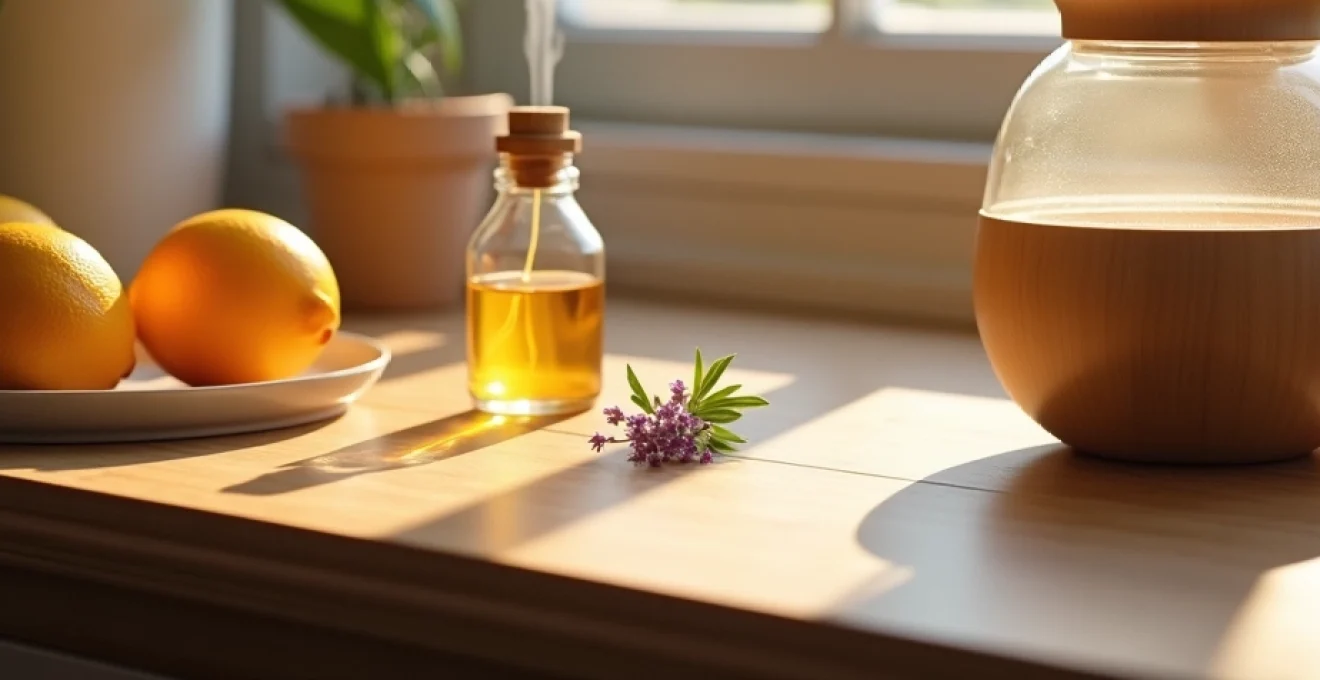
The art of home fragrance has evolved dramatically from simple potpourri and candles to sophisticated diffusion systems that transform living spaces through carefully curated aromatic experiences. Modern scented diffusers represent a convergence of scientific innovation and aesthetic design, offering homeowners unprecedented control over their domestic atmosphere. These devices harness the powerful connection between scent and emotion, creating environments that can energise, relax, or inspire depending on the chosen fragrance and delivery method.
Understanding the technical aspects of scent diffusion allows you to make informed choices about which systems will best serve your specific needs. Whether you’re drawn to the gentle consistency of reed diffusers or the technological precision of ultrasonic systems, each method offers unique advantages in terms of coverage, intensity, and maintenance requirements. The science behind these devices reveals fascinating insights into how molecules interact with our olfactory system to create lasting impressions and meaningful sensory experiences.
Essential oil chemistry and olfactory science behind scented diffusers
The foundation of effective home fragrance lies in understanding how aromatic compounds interact with both the environment and human sensory perception. Essential oils contain complex molecular structures that determine their volatility, intensity, and therapeutic properties. These natural compounds, extracted from plants through various methods, create the building blocks for sophisticated fragrance experiences that can dramatically alter the atmosphere of any living space.
Terpene profiles and molecular volatility in lavandula angustifolia and citrus limon
Lavender and lemon oils exemplify how molecular composition directly influences fragrance performance in home diffusion systems. Lavandula angustifolia contains predominantly linalool and linalyl acetate, compounds with moderate volatility that provide sustained aromatic release over extended periods. These terpenes exhibit molecular weights between 150-200 daltons, allowing them to evaporate steadily at room temperature while maintaining their characteristic calming properties.
Citrus limon presents a contrasting profile with high concentrations of limonene, a lighter monoterpene with enhanced volatility. This molecular characteristic means lemon-based fragrances provide immediate olfactory impact but require more frequent replenishment in diffusion systems. The rapid evaporation rate of limonene creates an invigorating atmosphere that works particularly well in active spaces like kitchens and home offices.
Psychoaromatic effects of linalool and limonene on limbic system response
Research into psychoaromatic compounds reveals how specific molecules trigger measurable responses in the brain’s emotional centres. Linalool activates GABA receptors in the limbic system, producing documented reductions in cortisol levels and promoting parasympathetic nervous system dominance. This biochemical response explains why lavender-based diffusions consistently create feelings of relaxation and mental clarity in domestic environments.
Limonene operates through different neurochemical pathways, stimulating dopamine production and enhancing cognitive alertness. Studies indicate that citrus-based atmospheric fragrances can improve focus and mental energy by up to 15% in controlled environments. These findings have significant implications for selecting appropriate fragrances based on the intended use of each room in your home.
Vapour pressure dynamics and evaporation rates in reed diffusion technology
Reed diffusers function through capillary action combined with controlled evaporation, making vapour pressure a critical factor in performance. Natural rattan reeds contain microscopic channels that transport fragrance oils from the reservoir to the exposed surface, where molecular evaporation occurs. The rate of this process depends on ambient temperature, humidity levels, and the specific vapour pressure characteristics of the chosen fragrance blend.
Understanding vapour pressure dynamics allows you to optimise diffusion performance by adjusting variables such as reed quantity, flip frequency, and placement location. Higher vapour pressure oils evaporate more rapidly, providing stronger immediate scent throw but requiring more frequent maintenance. Lower vapour pressure formulations offer extended longevity with gentler atmospheric presence, making them ideal for bedrooms and meditation spaces.
Synthetic fragrance compounds versus natural essential oil extraction methods
The choice between synthetic and natural fragrance compounds significantly impacts both performance and atmospheric quality in home diffusion systems. Natural essential oils extracted through steam distillation or cold pressing retain complex molecular profiles that create multi-dimensional aromatic experiences. These compounds often include trace elements that contribute to therapeutic benefits and emotional resonance.
Synthetic fragrance molecules offer advantages in consistency, longevity, and cost-effectiveness while potentially lacking the subtle complexity of natural alternatives. Modern synthetic compounds can replicate specific aromatic notes with scientific precision, allowing for customised fragrance profiles that maintain consistent performance across varying environmental conditions. The decision between natural and synthetic options should consider factors including sensitivity levels, intended therapeutic benefits, and personal aesthetic preferences.
Ultrasonic nebulisation technology and Heat-Free diffusion systems
Ultrasonic diffusion represents the most technologically advanced approach to home fragrance distribution, utilising high-frequency vibrations to create microscopic aromatic particles. These systems operate without heat, preserving the molecular integrity of essential oils while providing precise control over scent intensity and distribution patterns. The technology offers several advantages over traditional diffusion methods, including silent operation, customisable timing cycles, and the ability to humidify ambient air simultaneously.
Piezoelectric transducer mechanisms in stadler form emma ultrasonic diffusers
The Stadler Form Emma represents sophisticated engineering in ultrasonic diffusion technology, employing piezoelectric transducers operating at frequencies of 2.4 MHz. These high-frequency vibrations create cavitation in the water-oil mixture, generating microscopic particles that disperse evenly throughout the room. The transducer design ensures consistent particle size distribution, typically ranging from 1-5 microns, which optimises both scent throw and atmospheric longevity.
Piezoelectric technology offers remarkable precision in controlling diffusion intensity through variable voltage regulation. This allows users to adjust atmospheric fragrance levels based on room size, personal preference, and specific aromatic goals. The Emma’s transducer system demonstrates exceptional durability, with typical operational lifespans exceeding 3,000 hours of continuous use while maintaining consistent performance standards.
Particle size distribution and micron output in cold air nebulising units
Cold air nebulisation creates the finest particle distribution available in home fragrance systems, typically producing droplets between 0.5-2 microns in diameter. These microscopic particles remain airborne for extended periods, creating uniform scent distribution throughout large spaces without settling on surfaces or leaving residue. The technology preserves the full therapeutic potential of essential oils by avoiding heat degradation.
Professional-grade nebulising systems can distribute aromatic particles across areas exceeding 1,000 square feet while maintaining molecular integrity and therapeutic properties of the original essential oils.
Timer programming and intermittent misting cycles for optimal fragrance dispersion
Advanced timer programming allows for sophisticated control over fragrance release patterns, preventing olfactory adaptation while maintaining consistent atmospheric enhancement. Intermittent misting cycles, typically alternating between 30-second release periods and 30-90 second rest intervals, maximise scent perception while conserving essential oil consumption. These programmed cycles work in harmony with natural air circulation patterns to achieve optimal distribution.
Strategic timing protocols can be customised based on daily routines, with some systems offering up to eight different program settings. Morning energising protocols might feature shorter, more frequent bursts of citrus-based fragrances, while evening relaxation cycles could employ longer intervals with calming lavender blends. This technological sophistication transforms home fragrance from a passive element into an active component of daily wellness routines.
Water tank capacity and Run-Time specifications in muji ultrasonic aroma diffusers
The Muji ultrasonic diffuser line exemplifies minimalist design combined with practical functionality, featuring water tank capacities ranging from 120ml to 350ml depending on the specific model. These capacities translate to operational run-times between 3-10 hours on continuous settings, with intermittent programming extending operational periods to 20+ hours. The relationship between tank capacity and coverage area follows specific mathematical ratios that optimise performance efficiency.
Tank design incorporates easy-fill openings and cleaning access points that simplify maintenance procedures. The water quality requirements for optimal performance include using distilled or filtered water to prevent mineral buildup on the ultrasonic membrane. Regular cleaning protocols, performed weekly with mild vinegar solutions, ensure consistent nebulisation quality and extend equipment lifespan significantly.
Strategic placement protocols for maximum olfactory coverage
The effectiveness of any scented diffuser system depends critically on strategic placement that considers air circulation patterns, room architecture, and intended fragrance intensity. Understanding how aromatic particles move through interior spaces allows you to position diffusers for optimal coverage while avoiding common placement mistakes that can result in uneven distribution or overwhelming concentrations in specific areas.
Room dynamics play a crucial role in fragrance dispersion, with factors such as ceiling height, furniture arrangement, and ventilation systems all influencing aromatic flow patterns. Professional fragrance consultants typically recommend positioning diffusers at heights between 3-5 feet from floor level, allowing aromatic particles to interact with natural convection currents while remaining accessible for maintenance and adjustment.
Central placement within rooms generally provides the most uniform distribution, though specific room functions may require adjusted positioning. Entryways benefit from diffuser placement that creates immediate aromatic impact for guests, while bedrooms might require more subtle positioning that allows for gradual scent build-up during evening hours. Living areas with multiple seating arrangements often perform best with multiple smaller diffusers rather than single high-capacity units.
Avoiding placement near heating vents, direct sunlight, or drafty windows prevents premature evaporation and ensures consistent performance. These environmental factors can disrupt carefully calibrated fragrance release patterns, leading to waste of expensive essential oils and unpredictable aromatic experiences. Temperature-stable locations provide the most reliable foundation for sophisticated home fragrance systems.
Consider the interaction between natural and artificial lighting when selecting diffuser positions. Many modern units incorporate LED lighting systems that can complement or clash with existing room illumination. Strategic placement can turn these devices into subtle accent lighting that enhances both visual and aromatic atmosphere simultaneously.
Reed diffuser formulations and carrier oil performance analysis
Reed diffuser performance depends heavily on the carrier oil formulation that transports fragrance molecules from the reservoir to the evaporation surface. Different carrier oils exhibit varying viscosity levels, absorption rates, and compatibility with specific fragrance compounds. Understanding these technical relationships enables informed selection of reed diffuser systems that will provide optimal performance for your specific atmospheric goals.
Dipropylene glycol monomethyl ether represents the most common carrier oil in commercial reed diffusers, offering excellent fragrance solubility combined with controlled evaporation rates. This synthetic carrier provides consistent performance across varying environmental conditions while maintaining compatibility with both natural and synthetic fragrance compounds. Alternative carriers such as mineral oil or natural plant-based options offer different performance characteristics that may better suit specific applications or sensitivity requirements.
Viscosity measurements directly impact reed absorption rates and overall system performance. Lower viscosity carriers travel more rapidly through reed channels but may evaporate too quickly for sustained fragrance release. Higher viscosity formulations provide extended longevity but may require more frequent reed flipping to maintain adequate scent throw. Professional-grade formulations typically balance these factors through precise viscosity adjustments.
Reed quality significantly influences overall system performance, with natural rattan reeds providing superior capillary action compared to synthetic alternatives. High-quality reeds feature consistent pore density and absorption characteristics that ensure uniform fragrance distribution. Premium reed diffuser systems often include replacement reed sets to maintain optimal performance as natural materials gradually become saturated with fragrance compounds.
Fragrance load percentages typically range from 15-30% in quality reed diffuser formulations, with higher concentrations providing stronger scent throw but potentially causing reed clogging or uneven absorption. Professional formulations balance fragrance concentration with carrier oil properties to achieve optimal performance duration, typically targeting 8-12 weeks of consistent aromatic release for standard room applications.
Quality reed diffuser formulations can provide consistent aromatic enhancement for 2-3 months with proper maintenance, making them one of the most cost-effective approaches to sustained home fragrance.
Smart home integration with WiFi-Enabled aromatherapy systems
The integration of smart home technology with aromatherapy systems represents a significant advancement in personalised home fragrance management. WiFi-enabled diffusers allow remote control, scheduling, and integration with broader home automation systems, creating sophisticated aromatic environments that respond to daily routines, weather conditions, or even biometric data from wearable devices.
Smart diffusion systems typically connect through standard home WiFi networks, enabling control through dedicated smartphone applications or integration with popular smart home platforms like Amazon Alexa or Google Home. These connections allow for voice-activated control, scheduled operation, and monitoring of essential oil levels and system performance. Advanced systems can even adjust fragrance intensity based on occupancy sensors or indoor air quality measurements.
Programming capabilities in smart aromatherapy systems extend far beyond simple timer functions, offering complex scheduling that can coordinate with sleep cycles, work schedules, or entertainment activities. Some systems integrate with weather applications to adjust fragrance profiles based on seasonal changes or outdoor air quality conditions. These sophisticated programming options transform home fragrance from a static element into a dynamic component of intelligent home environments.
Integration with health and wellness applications opens possibilities for aromatherapy systems that respond to stress levels, sleep quality metrics, or fitness activities. Imagine a system that automatically diffuses energising citrus blends when your fitness tracker indicates low energy levels, or transitions to calming lavender formulations as your evening wind-down routine begins. These applications represent the future of personalised home wellness technology.
Security considerations for connected aromatherapy devices include ensuring proper network encryption and regular firmware updates. While these devices typically pose minimal security risks compared to cameras or locks, maintaining current software versions ensures optimal performance and protection against potential vulnerabilities. Most reputable manufacturers provide automatic update capabilities that maintain security without user intervention.
Maintenance protocols and longevity optimisation for Professional-Grade diffusion equipment
Proper maintenance protocols significantly extend the operational lifespan of professional-grade diffusion equipment while ensuring consistent performance and aromatic quality. Regular cleaning schedules, appropriate storage methods, and systematic component replacement prevent common failure modes that can compromise system effectiveness or create unpleasant odours from accumulated residue.
Ultrasonic diffusers require weekly cleaning cycles using diluted white vinegar solutions to prevent mineral buildup on the nebulising membrane. The cleaning process involves filling the water reservoir with a 1:10 vinegar-to-water ratio, operating the system for 5-10 minutes, then thoroughly rinsing with clean water. This protocol removes mineral deposits that can reduce nebulisation efficiency and create irregular particle size distribution.
Reed diffuser maintenance focuses on timely reed replacement and proper reservoir cleaning between fragrance changes. Natural reeds typically require replacement every 4-6 weeks as pore saturation reduces capillary efficiency. Professional maintenance schedules often include reed rotation protocols that extend usable life by exposing different reed sections to air circulation.
Storage conditions significantly impact the longevity of both equipment and fragrance compounds. Essential oils should be stored in dark, temperature-stable environments to prevent oxidation and maintain aromatic integrity. Equipment storage requires protection from dust accumulation and temperature extremes that can damage sensitive electronic components or cause material degradation in natural reed systems.
Component replacement schedules vary by system type and usage intensity, but generally include annual replacement of filters, membranes, or electronic components subject to wear. Maintaining detailed service logs helps identify patterns that can predict component failure and prevent system downtime. Professional-grade equipment often includes diagnostic features that monitor component performance and alert users to maintenance requirements before performance degradation occurs.
Quality assurance testing should be performed monthly to verify proper fragrance distribution, intensity levels, and system responsiveness. This testing protocol involves evaluating scent throw patterns, checking timer accuracy, and confirming proper operation of all control features. Regular testing identifies developing issues before they impact daily operation and helps optimise system settings for changing seasonal conditions or room usage patterns.