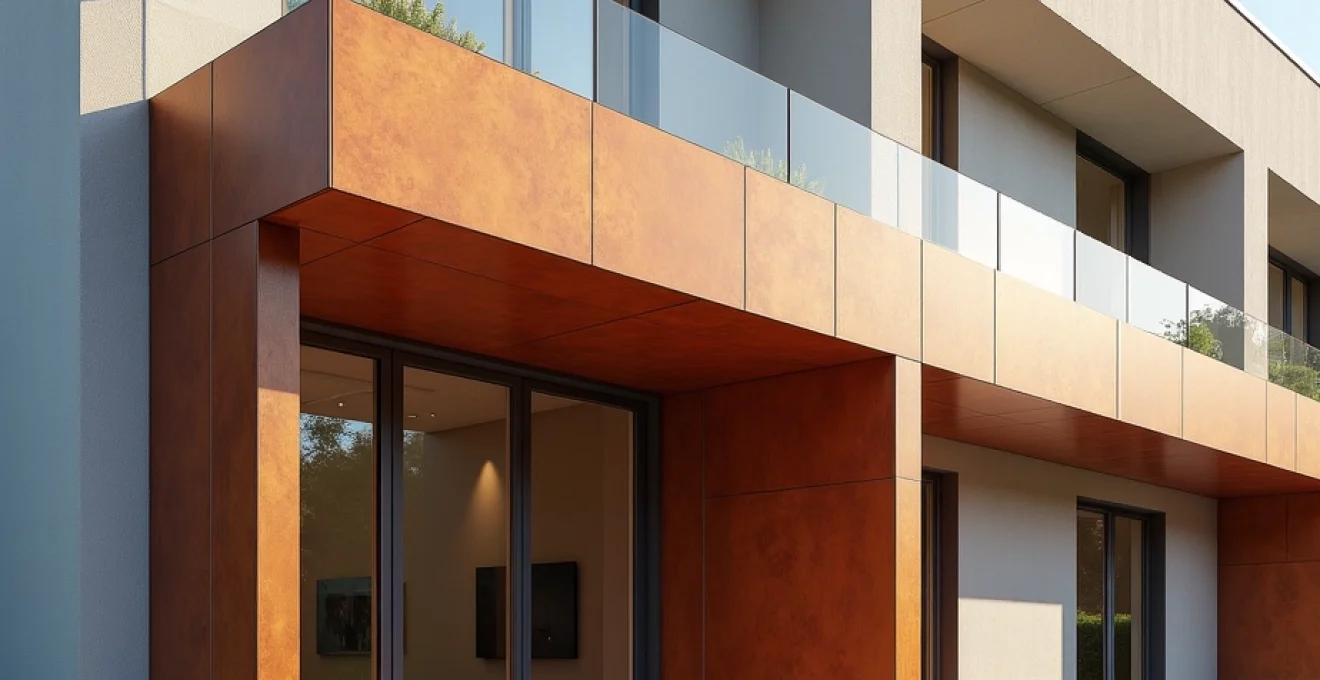
The exterior walls of buildings have evolved from purely functional surfaces into dynamic canvases for artistic expression. Today’s architectural landscape increasingly embraces outdoor wall art as a means of transforming bland façades into compelling visual statements that reflect individual taste, cultural heritage, and contemporary design sensibilities. This transformation represents more than aesthetic enhancement – it signifies a fundamental shift towards creating built environments that engage, inspire, and communicate with their surroundings.
Modern outdoor wall art installations combine artistic vision with engineering precision, requiring careful consideration of materials, mounting systems, and environmental factors. The integration of art into architectural surfaces demands expertise in both creative design and structural engineering, ensuring that installations remain both visually striking and structurally sound over time. Contemporary façade art installations now encompass everything from subtle textural elements to bold sculptural interventions that completely redefine a building’s character.
The growing popularity of outdoor wall art reflects broader cultural trends towards personalisation and place-making in urban environments. Property owners, architects, and urban planners increasingly recognise that well-executed façade art can enhance property values, strengthen community identity, and contribute to the overall quality of the built environment.
Material selection for Weather-Resistant outdoor wall installations
Selecting appropriate materials for outdoor wall art represents perhaps the most critical decision in ensuring long-term success of façade installations. Unlike interior artworks, external installations must withstand continuous exposure to ultraviolet radiation, temperature fluctuations, precipitation, wind loads, and atmospheric pollutants. The material choice directly impacts not only the artwork’s longevity but also its maintenance requirements and overall lifecycle costs.
Material performance varies significantly based on geographical location and local climate conditions. Coastal environments present unique challenges due to salt spray corrosion, whilst urban locations may require enhanced resistance to air pollution and acid rain. Weather-resistant materials must demonstrate proven performance records in similar environmental conditions, supported by comprehensive testing data and manufacturer warranties.
Corten steel weathering properties and patina development
Corten steel, also known as weathering steel, has emerged as one of the most popular materials for contemporary outdoor wall art installations. This high-strength, low-alloy steel develops a protective rust-like patina when exposed to atmospheric conditions, eliminating the need for paint or protective coatings. The patina formation process typically takes 18-36 months, during which the steel’s appearance transitions from bright orange rust to deep chocolate brown.
The patina development process requires careful management during the initial weathering period. Proper drainage design prevents water stagnation that could lead to perforation rather than protective patina formation. Corten steel installations should include adequate clearance from building surfaces to prevent staining of adjacent materials during the weathering process.
Marine-grade aluminium composite panels for coastal applications
Marine-grade aluminium composite panels offer exceptional durability for coastal installations where salt spray corrosion poses significant challenges to ferrous materials. These panels consist of aluminium skins bonded to a polyethylene core, providing excellent flatness, dimensional stability, and resistance to thermal expansion. The marine-grade designation indicates enhanced corrosion resistance through specialised alloy composition and protective coating systems.
Installation of aluminium composite panels requires attention to thermal movement accommodation. The material’s coefficient of thermal expansion necessitates proper joint design and fixing methods to prevent buckling or distortion. Coastal wall art installations benefit from the material’s ability to maintain colour consistency and surface integrity despite harsh marine environments.
Uv-stabilised acrylic and polycarbonate substrate performance
High-performance polymers offer unique opportunities for translucent and illuminated wall art installations. UV-stabilised acrylic sheets provide excellent optical clarity whilst resisting yellowing and degradation from solar radiation. Polycarbonate substrates offer superior impact resistance, making them ideal for installations in high-traffic areas or locations subject to potential vandalism.
Both materials require careful consideration of thermal movement and appropriate fixing methods. The relatively high coefficient of thermal expansion compared to metallic materials necessitates flexible mounting systems that accommodate dimensional changes without inducing stress concentrations. Polymer-based installations particularly benefit from integrated lighting systems that can create dramatic visual effects during evening hours.
Natural stone cladding integration with contemporary art pieces
Natural stone provides an ideal substrate for integrating contemporary art elements whilst maintaining connection to traditional building materials. Modern stone cladding systems allow for precise dimensional control and consistent appearance whilst accommodating artistic interventions such as carved reliefs, inlaid materials, or integrated lighting elements. The thermal mass of stone provides excellent dimensional stability for mounted artworks.
Stone selection must consider both aesthetic and performance characteristics. Porosity, freeze-thaw resistance, and staining susceptibility vary significantly between stone types. Integrated stone installations require coordination between stone suppliers, artists, and installation specialists to achieve seamless integration of artistic and structural elements.
Architectural integration techniques for façade art mounting systems
Successful integration of outdoor wall art requires sophisticated mounting systems that address structural, thermal, and aesthetic considerations. Modern mounting techniques have evolved far beyond simple mechanical fixings to encompass engineered systems that accommodate building movement, thermal expansion, and seismic forces whilst maintaining precise artistic alignment. These systems must be virtually invisible from the viewing perspective whilst providing robust long-term performance.
Contemporary mounting systems increasingly employ modular approaches that facilitate future maintenance or artwork changes without compromising the building structure. This flexibility proves particularly valuable for commercial installations where artistic themes may evolve with corporate identity changes or community preferences. Modular mounting systems also enable phased installation approaches that can spread project costs over multiple budget periods.
Load-bearing calculations for Large-Scale mural installations
Large-scale mural installations generate significant loads that must be carefully analysed and accommodated within the building’s structural framework. Wind loads often govern the design of projecting elements, with complex aerodynamic effects requiring computational fluid dynamics analysis for optimal performance. The combination of dead loads, wind loads, and seismic forces creates complex stress patterns that demand sophisticated engineering analysis.
Structural calculations must account for load distribution pathways and potential stress concentrations at fixing points. Load transfer mechanisms should distribute forces across multiple structural elements rather than concentrating loads at individual connection points. Progressive collapse considerations become particularly important for large installations where failure of individual elements could trigger cascading failures.
Thermal expansion joint accommodation in metal art fixtures
Metal art installations experience significant thermal movement due to solar heating and ambient temperature variations. Expansion joint design must accommodate both horizontal and vertical movement whilst maintaining weather sealing and visual continuity. Sliding connections, bellows joints, and flexible sealants work together to manage thermal movement without compromising structural integrity.
The coefficient of thermal expansion varies significantly between different metals, requiring careful analysis when combining materials. Bimetallic corrosion potential must also be evaluated when dissimilar metals are used in close proximity. Thermal movement accommodation becomes increasingly critical as installation size increases, with movement magnitudes that can exceed 50mm for large installations.
Building regulation compliance for projecting wall sculptures
Projecting wall sculptures must comply with building regulations regarding structural safety, fire safety, and accessibility. Projection distances may be limited by local planning requirements, particularly in areas with narrow footpaths or vehicular access requirements. Height restrictions often apply to ensure adequate clearance for emergency vehicle access and pedestrian safety.
Fire safety considerations include flame spread characteristics of materials and potential impact on building evacuation routes. Regulatory compliance documentation must demonstrate that installations do not compromise the building’s fire safety strategy or create new hazards for occupants and emergency responders.
Cavity wall anchor systems and structural fixings
Modern cavity wall construction requires specialised anchor systems that can transfer loads across the cavity to the structural backing wall. Through-wall anchors, cavity-spanning brackets, and structural ties must be designed to accommodate building tolerances whilst providing precise artwork positioning. Thermal bridging through anchor systems requires careful detailing to prevent condensation problems.
Anchor system selection depends on wall construction type, load requirements, and access constraints. Cavity wall fixings must account for differential movement between inner and outer wall leaves, particularly in buildings with significant thermal exposure differences between interior and exterior faces.
Professional structural engineers emphasise that proper anchor design represents the foundation of successful outdoor wall art installations, with inadequate fixings being the primary cause of installation failures.
Contemporary outdoor art styles and regional design movements
Contemporary outdoor wall art has evolved into diverse stylistic movements that reflect regional cultural influences, technological capabilities, and environmental consciousness. Digital fabrication technologies have democratised complex geometric forms, enabling artists to create intricate patterns and three-dimensional surfaces that would have been prohibitively expensive using traditional craftsmanship. This technological revolution has sparked new artistic movements that celebrate both digital precision and organic form.
Regional design movements increasingly draw inspiration from local cultural heritage whilst embracing contemporary materials and techniques. Aboriginal dot painting influences in Australian installations, Celtic knotwork patterns in Irish developments, and Islamic geometric traditions in Middle Eastern projects demonstrate how contemporary outdoor art can honour cultural heritage whilst pushing artistic boundaries. These regional influences create distinctive aesthetic identities that strengthen community connections and cultural continuity.
Sustainability consciousness has spawned eco-art movements that prioritise recycled materials, renewable energy integration, and biodiversity enhancement. Living walls, solar-powered installations, and artworks created from reclaimed materials represent growing segments of the outdoor art market. Sustainable art installations often incorporate interactive elements that educate viewers about environmental issues whilst providing aesthetic enhancement.
The rise of interactive digital art has introduced dynamic elements to traditionally static wall installations. LED matrix displays, projection mapping systems, and sensor-driven responsive artworks create ever-changing visual experiences that engage viewers in new ways. These technologies enable community participation through mobile applications and social media integration, creating participatory art experiences that evolve continuously based on user input and environmental conditions.
Professional installation methods and maintenance protocols
Professional installation of outdoor wall art requires coordinated expertise across multiple disciplines, including structural engineering, materials science, and artistic vision. Installation teams must possess specialised knowledge of high-altitude work, precision positioning techniques, and weather protection systems. The complexity of modern installations often necessitates comprehensive project management approaches that coordinate multiple specialists and ensure quality control throughout the installation process.
Installation scheduling must account for weather windows, material delivery logistics, and building occupancy requirements. Professional installation protocols typically include comprehensive risk assessments, method statements, and contingency plans for adverse conditions. Quality assurance procedures ensure that finished installations meet both artistic and performance specifications.
Power washing and chemical cleaning schedules for different materials
Maintenance scheduling varies significantly based on material properties, environmental exposure, and aesthetic requirements. Stainless steel installations in urban environments may require quarterly cleaning to remove atmospheric soiling, whilst natural stone installations might need annual deep cleaning with specialised stone care products. Power washing pressures must be carefully controlled to prevent surface damage, with different materials requiring specific pressure limits and nozzle configurations.
Chemical cleaning agents must be selected based on material compatibility and environmental considerations. Acidic cleaners suitable for mineral deposits on stone surfaces can cause severe damage to metallic elements. Material-specific cleaning protocols ensure that maintenance activities enhance rather than compromise long-term performance and appearance.
Protective coating applications and renewal cycles
Protective coating systems require regular inspection and renewal to maintain their protective properties. Anti-graffiti coatings, UV-resistant clear coats, and anti-corrosion primers have different service lives that must be tracked and managed through comprehensive maintenance programmes. Coating renewal often provides opportunities to address minor repairs and update artistic elements.
Coating application requires careful surface preparation and environmental control to achieve optimal performance. Temperature, humidity, and wind conditions during application significantly impact coating adhesion and durability. Professional coating application typically requires temporary weather protection and specialised equipment to ensure consistent results across large installation areas.
Structural inspection requirements and safety assessments
Regular structural inspections ensure that mounting systems and support structures maintain their load-carrying capacity over time. Inspection frequencies typically range from annual visual assessments to detailed engineering evaluations every five to ten years, depending on installation complexity and environmental exposure. Inspection protocols must address fatigue loading, corrosion progression, and connection integrity.
Safety assessments evaluate potential hazards to building occupants, pedestrians, and maintenance personnel. Structural safety protocols include establishment of exclusion zones during high winds, regular inspection of projection elements for loose components, and verification that emergency access routes remain unobstructed.
Industry experts recommend that structural inspection programmes be established before installation completion, with baseline documentation providing reference points for future condition assessments.
Planning permission and conservation area considerations
Planning permission requirements for outdoor wall art vary significantly between jurisdictions and can depend on factors such as installation size, projection distance, illumination elements, and heritage designations. Many local authorities now recognise the cultural and economic benefits of well-executed public art, leading to more supportive planning policies and streamlined approval processes. However, installations in conservation areas or on listed buildings face additional scrutiny and may require heritage impact assessments.
Conservation area considerations often focus on materials authenticity, visual impact on historic streetscapes, and reversibility of alterations. Heritage-sensitive installations may require traditional materials or techniques whilst accommodating contemporary artistic expression. Consultation with conservation officers early in the design process can identify potential issues and develop appropriate solutions that satisfy both artistic and heritage objectives.
Community consultation processes increasingly form part of planning applications for significant outdoor art installations. Public engagement helps ensure that proposed artworks reflect community values and gain local support, reducing the likelihood of planning objections. Stakeholder engagement strategies often include public exhibitions, online consultations, and collaboration with local community groups to develop installation concepts that resonate with local identity.
Cost analysis and return on investment for property enhancement
Investment in outdoor wall art generates returns through multiple mechanisms, including direct property value enhancement, improved rental yields, and reduced marketing times for property sales. Market analysis indicates that well-executed facade improvements can increase property values by 5-15%, with the specific uplift depending on location, quality of execution, and appropriateness to local market preferences. Commercial properties often experience additional benefits through enhanced brand recognition and improved customer attraction.
Cost structures for outdoor wall art projects typically include design development, materials procurement, installation labour, and ongoing maintenance provisions. Project costs vary enormously based on complexity, materials selection, and site access requirements. Simple painted murals may cost £50-200 per square metre, whilst complex three-dimensional installations can exceed £2,000 per square metre. Lifecycle cost analysis must account for maintenance requirements, coating renewal cycles, and potential upgrade opportunities over the installation’s expected service life.
Financing options for outdoor art installations include direct purchase, leasing arrangements, and community funding initiatives. Arts council grants, heritage lottery funding, and business improvement district programmes often provide partial funding for installations that deliver community benefits. Creative financing structures enable property owners to realise the benefits of outdoor art installations whilst managing capital expenditure requirements and cash flow impacts.
Risk assessment for outdoor art investments must consider factors such as changing artistic tastes, potential vandalism, and maintenance cost escalation. Insurance considerations include coverage for artwork value, third-party liability, and consequential losses from installation failure. Professional risk management strategies help protect investment returns whilst ensuring that installations continue to deliver their intended aesthetic and functional benefits throughout their operational lives.