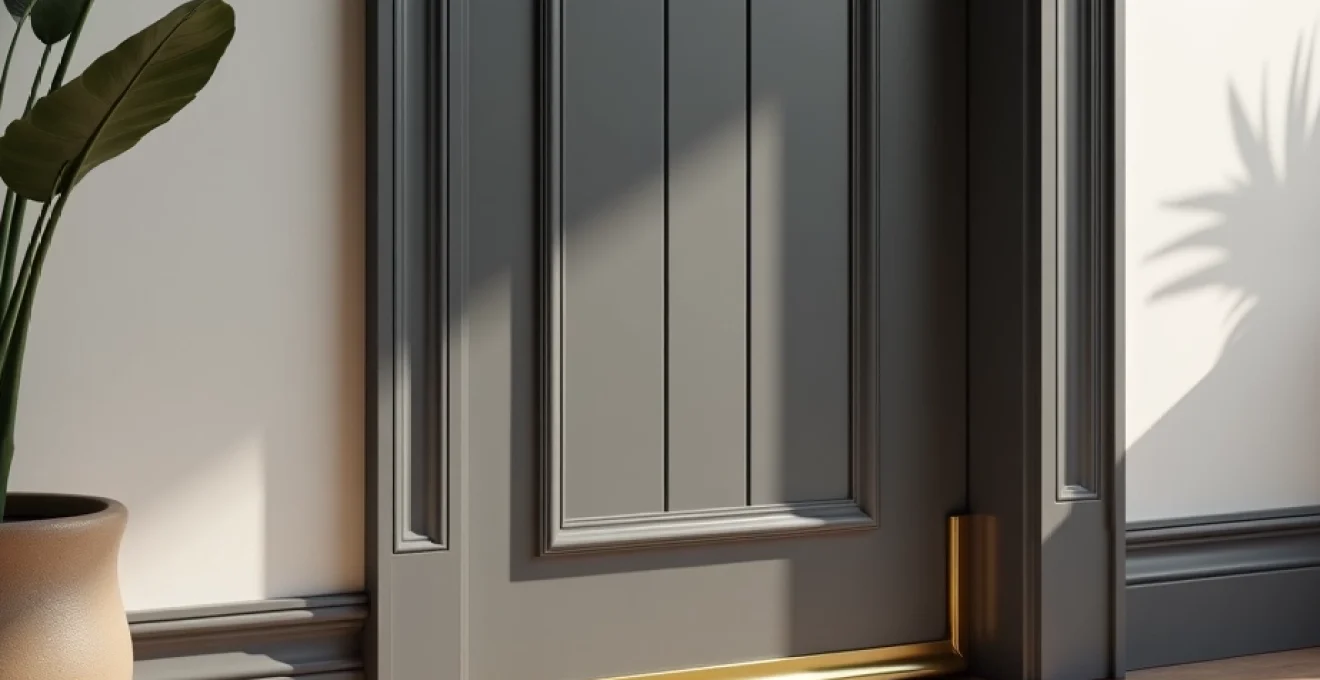
The humble doorstop has undergone a remarkable transformation from purely functional hardware to sophisticated design element. Once relegated to basic wedges and simple bumpers, today’s decorative doorstops serve as miniature sculptures, conversation pieces, and integral components of interior design schemes. These seemingly modest accessories possess the unique ability to bridge the gap between necessity and aesthetics, offering homeowners an opportunity to inject personality into spaces whilst maintaining essential door control functionality.
Modern interior designers increasingly recognise doorstops as subtle yet powerful design tools that can complement architectural features, reinforce colour schemes, and even serve as focal points in carefully curated spaces. The evolution of materials, manufacturing techniques, and design philosophies has elevated these practical items into legitimate décor elements worthy of consideration alongside traditional furnishings and accessories.
Architectural hardware integration: transforming functional doorstops into design features
The integration of doorstops within broader architectural hardware schemes represents a sophisticated approach to interior design cohesion. Rather than treating these elements as afterthoughts, contemporary design principles emphasise their role as coordinating components that should harmonise with door handles, hinges, light switches, and other metallic fixtures throughout a space.
Professional interior designers often specify doorstops that match or complement the finish of existing hardware, creating visual continuity that enhances the overall design narrative. This approach transforms individual functional elements into a cohesive system that speaks to attention to detail and design sophistication.
Cast iron victorian doorstops: heritage aesthetics in contemporary interiors
Victorian-era cast iron doorstops bring timeless elegance to modern interiors whilst providing substantial functionality. These weighty pieces, often featuring intricate mouldings and traditional motifs, serve as perfect examples of how historical design elements can enhance contemporary spaces. The substantial mass of cast iron ensures reliable door control, whilst the patinated finishes develop character over time.
Contemporary applications of Victorian cast iron doorstops work particularly well in period properties undergoing restoration, where maintaining architectural authenticity remains paramount. However, these pieces also create striking contrasts in minimalist modern spaces, where their ornate detailing provides visual interest against clean lines and neutral palettes.
Magnetic doorstop systems: minimalist Wall-Mounted design solutions
Magnetic doorstop systems represent the pinnacle of minimalist functionality , offering virtually invisible door control through clever engineering and clean design. These systems typically consist of a small wall-mounted magnet and a corresponding metal plate attached to the door, creating a strong hold when contact is made.
The aesthetic advantage of magnetic systems lies in their discretion – when not in use, they remain almost invisible, maintaining the clean lines essential to contemporary design schemes. This makes them particularly suitable for modern homes where visual clutter must be minimised whilst functionality remains uncompromised.
Floor-mounted spring doorstops: industrial chic applications
Spring-loaded floor-mounted doorstops offer dynamic functionality that appeals to those embracing industrial design aesthetics . These robust mechanisms provide reliable door control whilst showcasing their mechanical components as design features rather than concealing them.
The exposed spring mechanism and substantial base plate create visual interest that complements loft conversions, converted warehouses, and modern homes with industrial influences. Their robust construction ensures longevity, making them practical choices for high-traffic areas where durability is essential.
Weighted fabric doorstops: textile integration techniques
Fabric doorstops present unique opportunities for textile integration within interior design schemes. These soft furnishing alternatives to traditional hard doorstops can be coordinated with curtains, cushions, and upholstery to create cohesive design narratives throughout a room.
The versatility of fabric doorstops extends beyond simple colour coordination. Textures, patterns, and materials can be selected to reinforce specific design themes – from rustic hessian for country interiors to luxurious velvet for opulent schemes. Their soft construction also makes them safer in homes with young children, where traditional hard doorstops might pose injury risks.
Material selection and aesthetic coordination strategies
The material composition of decorative doorstops fundamentally influences both their aesthetic impact and functional performance. Understanding the characteristics, maintenance requirements, and design implications of different materials enables informed selection that enhances rather than detracts from interior schemes. Each material brings distinct qualities that can either complement existing design elements or provide deliberate contrast for visual interest.
Contemporary material science has expanded the range of options available, from traditional metals and woods to innovative composites and sustainable alternatives. The choice of material should consider not only immediate aesthetic appeal but also long-term durability, maintenance requirements, and environmental impact. This holistic approach ensures that decorative doorstops contribute positively to interior environments for years to come.
Brass and bronze patina finishes: coordinating with period hardware
Brass and bronze doorstops with developed patinas offer sophisticated warmth that complements traditional and transitional interior schemes. These metals naturally develop character through oxidation and use, creating unique surface textures that cannot be replicated through artificial aging processes.
The coordination of brass and bronze doorstops with existing period hardware requires careful consideration of undertones and patina development. Newly installed pieces may initially appear bright and uniform, but will gradually develop the rich, varied tones that characterise well-aged metalwork. This natural evolution adds authenticity to period restoration projects.
Stainless steel brushed textures: modern minimalist integration
Brushed stainless steel doorstops provide contemporary sophistication through their clean lines and subtle textural interest. The directional brushing creates visual movement across the surface whilst maintaining the neutral, reflective qualities essential to modern design schemes.
Integration of stainless steel doorstops within minimalist interiors requires attention to proportions and positioning. Their reflective surfaces can enhance natural light distribution whilst their geometric forms complement the architectural elements typical of contemporary design. The material’s resistance to corrosion and staining makes it particularly suitable for high-moisture environments.
Natural stone doorstops: marble, granite, and limestone applications
Natural stone doorstops bring geological authenticity and substantial presence to interior spaces. Each piece possesses unique veining, colouration, and texture that cannot be replicated, ensuring that every installation remains distinctive.
Marble doorstops suit formal interiors where luxury and refinement are priorities, whilst granite offers durability for high-traffic applications. Limestone provides softer, more casual appeal suitable for country houses and relaxed contemporary schemes. The substantial weight of stone ensures reliable functionality whilst their natural variations prevent monotony in repeated applications.
Reclaimed wood elements: sustainable design incorporation methods
Reclaimed wood doorstops exemplify sustainable design practices whilst contributing warmth and texture to interior schemes. Each piece carries history in its grain patterns, wear marks, and surface patination, creating narrative elements that mass-produced alternatives cannot match.
The selection of reclaimed wood species should consider both aesthetic compatibility and durability requirements. Dense hardwoods provide longevity and resistance to damage, whilst softer woods offer easier workability for custom shapes and details. Proper treatment and finishing ensure that reclaimed materials meet contemporary performance standards whilst retaining their authentic character.
Ceramic and porcelain artisan pieces: handcrafted statement elements
Handcrafted ceramic and porcelain doorstops transform functional hardware into miniature sculptures that reflect artistic sensibilities and cultural traditions. These pieces offer unlimited design possibilities through glazing, forming, and decorative techniques that create unique aesthetic statements.
Artisan ceramic doorstops can incorporate cultural motifs, personalised elements, or abstract forms that complement specific interior themes. Their fragility compared to metal alternatives necessitates careful placement and handling, but their artistic value often justifies these considerations. Custom glazing can achieve precise colour matching with existing décor elements.
Strategic placement principles for maximum visual impact
The positioning of decorative doorstops significantly influences their effectiveness as design elements. Beyond basic functional requirements, strategic placement can enhance architectural features, create visual balance, and contribute to the overall flow and rhythm of interior spaces. Understanding these principles enables homeowners and designers to maximise the aesthetic impact of these modest but important accessories.
Effective doorstop placement requires consideration of sight lines, traffic patterns, and the visual weight distribution within rooms. A well-positioned decorative doorstop can draw attention to positive architectural features whilst diverting focus from less desirable elements. This strategic approach treats doorstops as active participants in the visual composition rather than passive functional items.
The height and angle at which doorstops are viewed affects their perceived importance within the overall design scheme. Floor-mounted pieces benefit from positioning that creates clear sight lines, whilst wall-mounted options should align with other architectural elements such as chair rails or wainscoting. These alignments create visual harmony that reinforces the intentional nature of design decisions.
Room proportion plays a crucial role in doorstop selection and placement. Large spaces can accommodate more substantial pieces that make bold statements, whilst smaller rooms require restraint to avoid overwhelming the available visual space. The scale relationship between doorstops and surrounding furniture should maintain comfortable proportions that enhance rather than compete with primary design elements.
Strategic doorstop placement transforms these functional elements into deliberate design choices that enhance architectural features and contribute to interior visual narratives.
Creative doorstop customisation techniques and DIY modifications
Customisation opportunities allow decorative doorstops to achieve perfect integration with specific design schemes whilst reflecting personal taste and creativity. From simple finish modifications to complete reconstruction, these techniques enable unique solutions that commercial alternatives cannot provide. The scope for creativity extends from subtle adjustments to dramatic transformations that create entirely new aesthetic categories.
Surface treatments offer accessible entry points for doorstop customisation. Painting techniques can achieve specific colour matches or create decorative effects such as ombré gradients, metallic highlighting, or distressed finishes. These approaches work particularly well with wooden or metal base materials that accept paint effectively. Proper preparation and appropriate primer selection ensure durable results that withstand regular handling.
Upholstery and fabric wrapping techniques transform hard doorstops into soft furnishing elements that coordinate with textile schemes. This approach works effectively with weighted bases that provide structural integrity beneath decorative coverings. Careful selection of fabrics considers durability requirements, cleaning methods, and resistance to soiling from floor-level positioning.
Decoupage and applied decoration techniques enable personalisation through paper, fabric, or photographic applications. These methods create unique narrative elements whilst maintaining functional effectiveness. Protective topcoats ensure longevity and cleanability of decorated surfaces. Consider incorporating elements that reflect room themes, family interests, or cultural references for maximum personalisation impact.
Weight modification allows customisation of functional performance to suit specific door requirements. Adding internal ballast increases holding power for heavy doors, whilst reducing weight improves portability for temporary applications. These modifications require careful consideration of balance and stability to maintain safe operation.
Colour psychology and doorstop selection for interior harmony
Colour selection for decorative doorstops involves understanding psychological impacts alongside aesthetic coordination requirements. Different colours evoke distinct emotional responses that can either support or undermine the intended atmosphere of interior spaces. This psychological dimension adds depth to design decisions that might otherwise focus solely on visual compatibility.
Warm colours such as terracotta, bronze, and rich woods create welcoming atmospheres that encourage relaxation and social interaction. These tones work effectively in living areas, dining rooms, and bedrooms where comfort and warmth are priorities. The natural patination of metallic warm tones develops character over time, adding visual interest through subtle colour evolution.
Cool colours including blues, greys, and silvered metals promote calm concentration suitable for work spaces, bathrooms, and formal areas. These colours can make small spaces appear larger whilst creating sophisticated backdrops for artwork and furniture. The reflective qualities of cool-toned metals can enhance natural light distribution throughout rooms.
Neutral colours provide versatile foundations that adapt to changing décor schemes without requiring replacement. Beiges, creams, and natural stone tones complement virtually any colour palette whilst maintaining subtle presence that doesn’t compete with primary design elements. This adaptability makes neutral doorstops practical investments for spaces that may evolve over time.
Accent colours create opportunities for doorstops to serve as punctuation marks within otherwise neutral schemes. Bold reds, deep purples, or vibrant greens can provide unexpected visual interest whilst maintaining their functional role. This approach works particularly well in contemporary schemes where controlled colour application creates dramatic impact.
Understanding colour psychology enables doorstop selection that reinforces intended room atmospheres whilst contributing to overall design coherence and emotional impact.
Maintenance and longevity considerations for decorative doorstop elements
Long-term performance of decorative doorstops depends upon appropriate maintenance routines tailored to specific materials and environmental conditions. Understanding these requirements during selection prevents disappointment and ensures continued aesthetic contribution throughout their service life. Regular maintenance preserves both functional effectiveness and visual appeal whilst preventing premature replacement needs.
Metal doorstops require periodic cleaning and protective treatments appropriate to their specific alloy composition. Brass and bronze benefit from gentle polishing that maintains their lustre whilst allowing natural patination to develop gradually. Stainless steel requires different approaches that preserve brushed finishes without creating scratches or uneven wear patterns. Protective waxes can slow oxidation processes whilst maintaining authentic appearances.
Natural materials including wood and stone demand careful attention to environmental factors that affect their stability and appearance. Wood components require protection from moisture whilst allowing natural expansion and contraction cycles. Stone elements need appropriate sealers that prevent staining whilst maintaining breathability. Regular inspection identifies developing issues before they compromise structural integrity or aesthetic quality.
Fabric and upholstered doorstops present unique maintenance challenges due to their floor-level positioning and exposure to dust, pet hair, and occasional spills. Regular vacuuming prevents debris accumulation, whilst spot cleaning addresses localised soiling. Consider scotch-guarding treatments for valuable or difficult-to-clean fabrics. Professional cleaning may be necessary for substantial restoration.
Positioning considerations affect maintenance requirements and longevity expectations. High-traffic areas subject doorstops to more frequent contact and potential damage, necessitating more robust construction and frequent inspection. Protected locations allow for more delicate materials and finishes whilst reducing maintenance demands. Understanding these relationships informs both selection and care routines.
Environmental factors including humidity, temperature fluctuations, and light exposure affect different materials in varying ways. UV protection prevents fading of painted and fabric surfaces, whilst climate control minimises expansion-related stress in wooden and composite materials. These preventive measures extend service life whilst maintaining aesthetic quality. Regular repositioning can equalise wear patterns and prevent localised damage from repeated door contact.