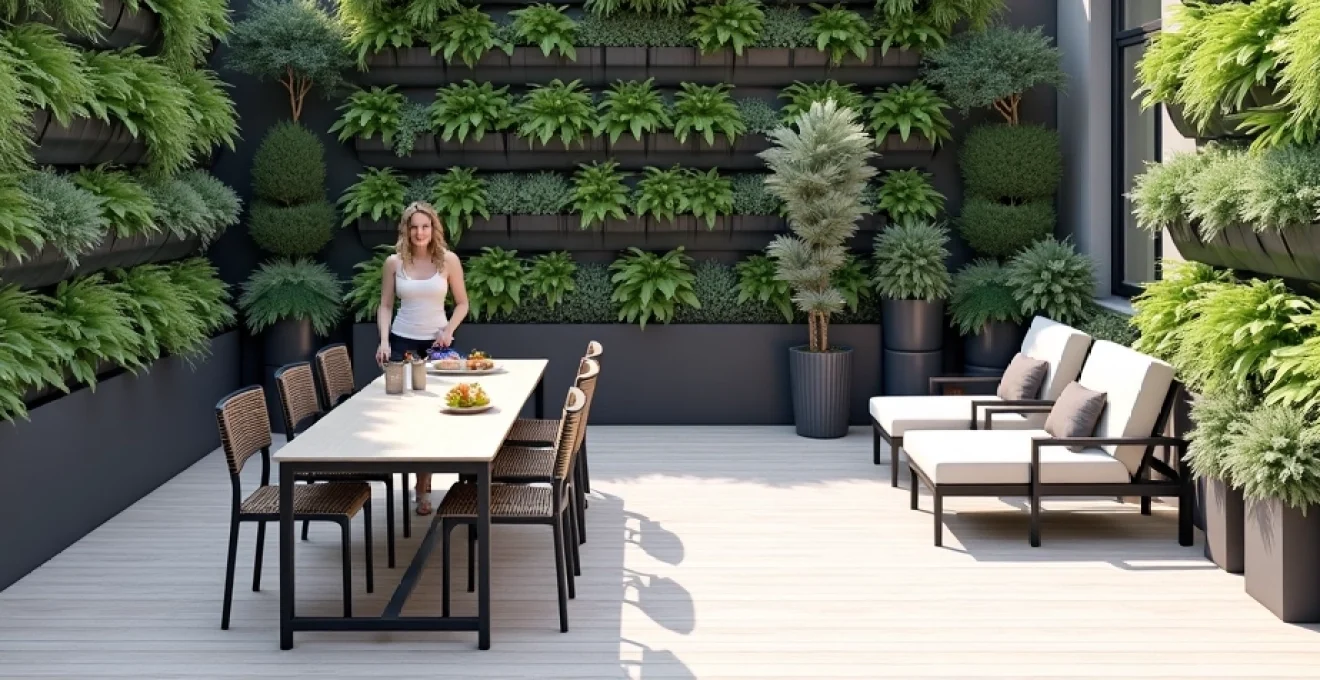
Vertical gardening has emerged as a revolutionary approach to maximising limited outdoor space, transforming bare walls and compact areas into thriving green sanctuaries. This innovative technique allows homeowners to cultivate abundant gardens even in the smallest courtyards, balconies, and patios by utilising the often-overlooked vertical dimension. Modern vertical gardening systems combine cutting-edge technology with sustainable growing practices, enabling gardeners to produce fresh herbs, vegetables, and ornamental plants year-round while creating striking architectural features.
The integration of vertical garden accents represents more than just space optimisation—it’s about creating multifunctional living environments that enhance both aesthetic appeal and practical utility. Contemporary vertical installations can incorporate sophisticated irrigation systems, climate control mechanisms, and modular components that adapt to changing seasonal requirements. These systems prove particularly valuable in urban environments where ground space commands premium prices and traditional horizontal gardening becomes impractical.
Vertical growing system selection for compact outdoor environments
Selecting the appropriate vertical growing system forms the foundation of successful space maximisation in compact outdoor areas. The choice between different technologies depends on available wall space, structural load capacity, maintenance preferences, and intended crop types. Modern vertical systems range from simple trellis installations to sophisticated hydroponic towers that can accommodate dozens of plants within minimal floor space.
Professional installation considerations include wall attachment methods, weight distribution calculations, and accessibility for routine maintenance. Structural integrity becomes paramount when dealing with water-saturated growing media and mature plant weights, particularly during adverse weather conditions. The most effective systems incorporate modular designs that allow for expansion or reconfiguration as growing requirements evolve.
Hydroponic tower systems with automated nutrient distribution
Hydroponic towers represent the pinnacle of vertical growing efficiency, combining space optimisation with precise nutrient control. These cylindrical structures can accommodate 20-40 plants within a footprint of less than one square metre, making them ideal for balconies and small patios. Advanced tower systems feature automated nutrient circulation pumps that deliver customised feeding schedules to each planting level, ensuring optimal growth conditions throughout the vertical profile.
The technical advantages of hydroponic towers include faster growth rates, higher yields per square foot, and reduced water consumption compared to traditional soil-based systems. Modern towers incorporate pH monitoring systems and electrical conductivity sensors that automatically adjust nutrient concentrations based on plant requirements. Installation typically requires electrical connectivity for pumps and timers, plus proper drainage connections to manage excess water runoff.
Modular living wall frameworks using felt pocket technology
Felt pocket living walls offer exceptional versatility for creating custom vertical garden configurations that adapt to irregular wall shapes and varying plant requirements. These systems utilise specially designed felt materials that provide optimal root aeration while retaining adequate moisture levels. The modular nature allows gardeners to arrange pockets at different heights and spacings to accommodate plants with varying mature sizes and growth habits.
Professional felt pocket installations can support diverse plant communities, from cascading herbs and salad greens to compact flowering species. The breathable fabric construction prevents root rot while enabling efficient water distribution through capillary action. Maintenance involves periodic replacement of individual pockets rather than entire wall sections, making this system cost-effective for long-term installations.
Trellis-integrated planter combinations for climbing species
Trellis-integrated systems maximise vertical growing potential by combining ground-level planters with climbing support structures. These installations prove particularly effective for vining crops such as tomatoes, cucumbers, beans, and flowering climbers that naturally utilise vertical space. Modern trellis designs incorporate adjustable support elements that accommodate different plant growth patterns and seasonal variations.
The integration of planters with trellis frameworks creates multi-layer growing environments where different species occupy distinct vertical zones. Lower planters can house shade-tolerant crops or shallow-rooted herbs, while climbing species utilise the upper trellis sections for maximum sun exposure. This stratified approach increases overall productivity per square metre while creating visually appealing green walls.
Wall-mounted cascade planters with Gravity-Fed irrigation
Cascade planter systems utilise gravity to create efficient water distribution networks that require minimal mechanical intervention. These stepped arrangements allow water to flow naturally from upper containers to lower levels, ensuring consistent moisture throughout the vertical installation. The cascade design proves particularly effective for herbs and leafy greens that benefit from regular water access without waterlogging.
Installation considerations include proper wall mounting to support the cumulative weight of multiple water-filled containers and adequate drainage at the lowest level to prevent water accumulation. Strategic planter positioning ensures that water overflow from upper containers provides supplemental irrigation to lower plants while maintaining proper drainage. This system combines efficiency with sustainability by minimising water waste through recirculation.
Strategic plant selection and vertical zoning techniques
Successful vertical gardens require careful consideration of plant placement based on microclimatic variations that occur at different heights and orientations. Understanding these variations enables gardeners to create optimised growing zones that maximise plant health and productivity while maintaining visual appeal. Factors such as wind exposure, temperature fluctuations, and moisture retention vary significantly between upper and lower sections of vertical installations.
Professional plant selection involves analysing mature plant sizes, growth habits, root system requirements, and compatibility between adjacent species. The most successful vertical gardens incorporate plants with complementary needs that create beneficial microclimates for neighbouring species. This strategic approach reduces maintenance requirements while increasing overall system resilience against environmental stresses.
Shade-tolerant species for lower vertical tiers
Lower tiers of vertical installations often experience reduced light levels due to shading from upper plants and nearby structures. This microclimate proves ideal for shade-tolerant species that struggle in intense direct sunlight. Suitable candidates include various lettuce varieties, spinach, Asian greens, and herbs such as parsley, chives, and mint that naturally thrive in partially shaded conditions.
The cooler, more humid conditions at lower levels also benefit ferns, begonias, and other ornamental plants that prefer consistent moisture levels. Strategic placement of these species creates attractive ground-level displays while utilising space that might otherwise remain unproductive. Proper plant selection for lower tiers ensures that the entire vertical structure remains visually appealing from ground level to top.
Sun-loving mediterranean herbs for upper level placement
Upper sections of vertical gardens receive maximum solar exposure and experience greater air circulation, creating ideal conditions for Mediterranean herbs and heat-loving plants. Species such as rosemary, thyme, oregano, and lavender thrive in these elevated positions where they benefit from intense sunlight and improved drainage. The enhanced air movement at higher levels also reduces fungal disease risks that can affect dense plantings.
Heat-tolerant flowering species such as petunias, marigolds, and trailing nasturtiums create colourful displays when positioned in upper tiers. These plants often develop more compact, robust growth habits when exposed to direct sunlight, resulting in enhanced flowering performance and stronger fragrances in aromatic herbs. Proper positioning of sun-loving species maximises their ornamental and culinary value.
Root system compatibility analysis for Multi-Level gardens
Understanding root system characteristics becomes crucial when designing multi-level vertical gardens to prevent competition for nutrients and growing space. Plants with aggressive root systems require adequate separation from sensitive neighbours, while shallow-rooted species can coexist successfully in close proximity. This analysis ensures optimal resource utilisation and prevents one species from overwhelming others.
Deep-rooted plants such as tomatoes and peppers require substantial growing containers, while shallow-rooted herbs and leafy greens adapt well to smaller spaces. Compatible root systems can share growing medium through interconnected planter designs, while incompatible species require physical separation. Professional design considers both current root requirements and anticipated growth to prevent future overcrowding issues.
Seasonal succession planting in vertical configurations
Succession planting techniques adapted for vertical systems ensure continuous harvests throughout growing seasons while maximising space utilisation. This approach involves staggered planting schedules and strategic plant replacements that maintain productive capacity year-round. Modular vertical systems facilitate easy plant swapping without disrupting adjacent growing areas.
Cool-season crops such as peas and lettuce can occupy upper tiers during spring and autumn when temperatures moderate, while warm-season plants take precedence during summer months. Strategic timing of replacements ensures that harvest gaps remain minimal while adapting to changing weather conditions. This dynamic approach maximises annual productivity from limited vertical space.
Installation engineering and structural load calculations
Professional vertical garden installations require comprehensive structural analysis to ensure long-term safety and performance. Wall mounting systems must accommodate not only the weight of empty planters and support structures but also the cumulative load of water-saturated growing media, mature plants, and potential snow accumulation in winter conditions. Load distribution calculations become particularly critical for extensive living wall installations that can exceed several hundred kilograms per square metre when fully mature.
Engineering considerations include wall material compatibility, fastener selection, and expansion joint accommodation for temperature variations. Masonry walls provide excellent support for heavy installations, while timber and composite materials require careful load spreading to prevent structural damage. Professional installers utilise structural mounting brackets specifically designed for outdoor growing systems that accommodate both static loads and dynamic forces from wind exposure.
Drainage infrastructure forms another crucial engineering component, requiring proper grading to prevent water accumulation against building foundations. Effective systems incorporate waterproof membranes, drainage channels, and collection systems that protect underlying structures while managing irrigation runoff. The integration of electrical systems for lighting and automated irrigation requires weatherproof connections and appropriate circuit protection to ensure safe operation in outdoor environments.
Advanced irrigation systems for vertical garden installations
Modern vertical garden irrigation systems represent sophisticated engineering solutions that address the unique challenges of delivering consistent moisture to plants arranged across multiple levels and orientations. Unlike traditional horizontal gardens where gravity naturally assists water distribution, vertical installations require pressurised delivery systems that can overcome height differentials and ensure uniform coverage across all growing zones.
The complexity of vertical irrigation increases with system size and plant diversity, as different species may require varying moisture levels and delivery frequencies. Professional installations incorporate zone control capabilities that allow customised watering schedules for different sections of the vertical garden. This precision reduces water waste while optimising growing conditions for each plant community within the installation.
Drip irrigation network design with pressure compensation
Drip irrigation networks for vertical gardens require pressure-compensating emitters that deliver consistent flow rates regardless of elevation differences within the system. Standard drip emitters can provide uneven water distribution in vertical applications, with lower emitters receiving excessive flow while upper emitters may not function properly due to reduced pressure. Pressure-compensating technology ensures uniform delivery across the entire vertical profile.
Network design involves calculating total flow requirements, selecting appropriate tubing sizes, and positioning flow regulation devices to maintain optimal pressure throughout the system. Professional installations include filtration systems to prevent emitter clogging and pressure gauges for system monitoring. The integration of timer controllers allows automated operation with multiple daily watering cycles tailored to plant requirements and environmental conditions.
Micro-sprinkler systems for living wall applications
Micro-sprinkler systems provide broader coverage patterns that prove particularly effective for dense living wall installations where individual plant access may be limited. These systems create fine water droplets that penetrate plant canopies more effectively than drip irrigation while using less water than conventional sprinkler systems. The gentle spray patterns reduce soil erosion and prevent delicate plant damage.
Installation requires careful sprinkler positioning to ensure overlapping coverage without creating dry spots or oversaturated areas. Adjustable spray patterns allow customisation for different wall configurations and plant arrangements. Wind considerations become important for exposed installations, as spray drift can reduce irrigation efficiency and potentially affect nearby structures or walkways.
Smart irrigation controllers with moisture sensor integration
Smart irrigation controllers revolutionise vertical garden management by incorporating real-time environmental data to optimise watering schedules automatically. These systems utilise soil moisture sensors, weather station data, and plant-specific algorithms to determine precise irrigation requirements. Advanced controllers can adjust watering frequency and duration based on factors such as temperature, humidity, rainfall, and seasonal growth patterns.
The integration of wireless sensor networks allows monitoring of moisture levels at multiple points throughout the vertical installation, ensuring that microclimate variations are properly addressed. Mobile app connectivity enables remote monitoring and manual override capabilities for gardeners who travel frequently. These systems reduce water consumption by up to 30% while improving plant health through optimal moisture management.
Drainage management and water recovery systems
Effective drainage management prevents water accumulation that can damage plant roots and building structures while creating opportunities for water recovery and reuse. Professional vertical garden installations incorporate multi-stage drainage systems that collect runoff water for filtration and recirculation. This approach reduces overall water consumption while ensuring that excess moisture is properly managed during heavy rainfall or overwatering incidents.
Water recovery systems can include collection reservoirs with filtration capabilities that remove plant debris and accumulated salts before water recirculation. Overflow protection prevents system damage during extreme weather events, while water quality monitoring ensures that recycled water maintains appropriate chemical balance for plant health. These systems prove particularly valuable in water-restricted areas where conservation becomes essential.
Microclimate optimisation through vertical garden positioning
Strategic positioning of vertical gardens creates beneficial microclimates that extend growing seasons, improve plant performance, and reduce maintenance requirements. The thermal mass of walls, combined with plant transpiration and strategic shading, can moderate temperature extremes and create more stable growing conditions than those found in open garden areas. Microclimate management becomes particularly important in challenging environments such as rooftops, courtyards, and urban locations where heat island effects and wind exposure can stress plants.
Professional microclimate optimisation considers factors such as solar orientation, prevailing wind patterns, reflected heat from nearby surfaces, and seasonal shadow patterns. South-facing walls provide maximum solar exposure but may require additional cooling strategies during summer months, while north-facing installations offer more consistent conditions but may need supplemental lighting for optimal plant growth. The integration of reflective surfaces, shade structures, and windbreaks can further enhance microclimate conditions.
Understanding seasonal microclimate variations enables gardeners to select plant varieties that thrive in specific conditions while planning for winter protection or summer cooling strategies.
The most successful vertical gardens work with natural microclimate patterns rather than fighting against them, creating sustainable growing environments that require minimal artificial intervention.
This approach reduces energy consumption while improving long-term system reliability and plant health.
Maintenance protocols and Long-Term vertical garden management
Long-term success of vertical garden installations depends on comprehensive maintenance protocols that address the unique challenges of growing plants in vertical configurations. Unlike traditional gardens where maintenance tasks can be performed at ground level, vertical systems require specialised access equipment and safety procedures for upper-level plant care. Professional maintenance schedules incorporate daily monitoring, weekly care tasks, and seasonal system updates that ensure optimal performance throughout the growing year.
Preventive maintenance proves more cost-effective than reactive repairs, particularly for complex installations with integrated irrigation and lighting systems. Regular inspection schedules identify potential issues before they affect plant health or system performance, while systematic component replacement prevents unexpected failures during critical growing periods.
A well-maintained vertical garden can provide decades of productive service while continuously improving in both appearance and functionality as plants mature and systems optimise.
Documentation of maintenance activities, plant performance, and system modifications creates valuable data for optimising future installations and troubleshooting performance issues. Digital monitoring systems can track irrigation cycles, nutrient delivery, and environmental conditions to identify trends and predict maintenance requirements. This data-driven approach enables precision maintenance scheduling that maximises system efficiency while minimising labour costs and plant stress from unnecessary interventions.
Seasonal maintenance protocols address changing plant requirements throughout the year, including pruning schedules, plant replacements, system winterisation, and spring startup procedures. Advanced installations may incorporate automated monitoring systems that alert maintainers to potential issues such as irrigation failures, nutrient imbalances, or pest infestations before visible damage occurs. This proactive approach ensures that vertical gardens continue delivering maximum value while maintaining their role as attractive architectural features that enhance outdoor living spaces.