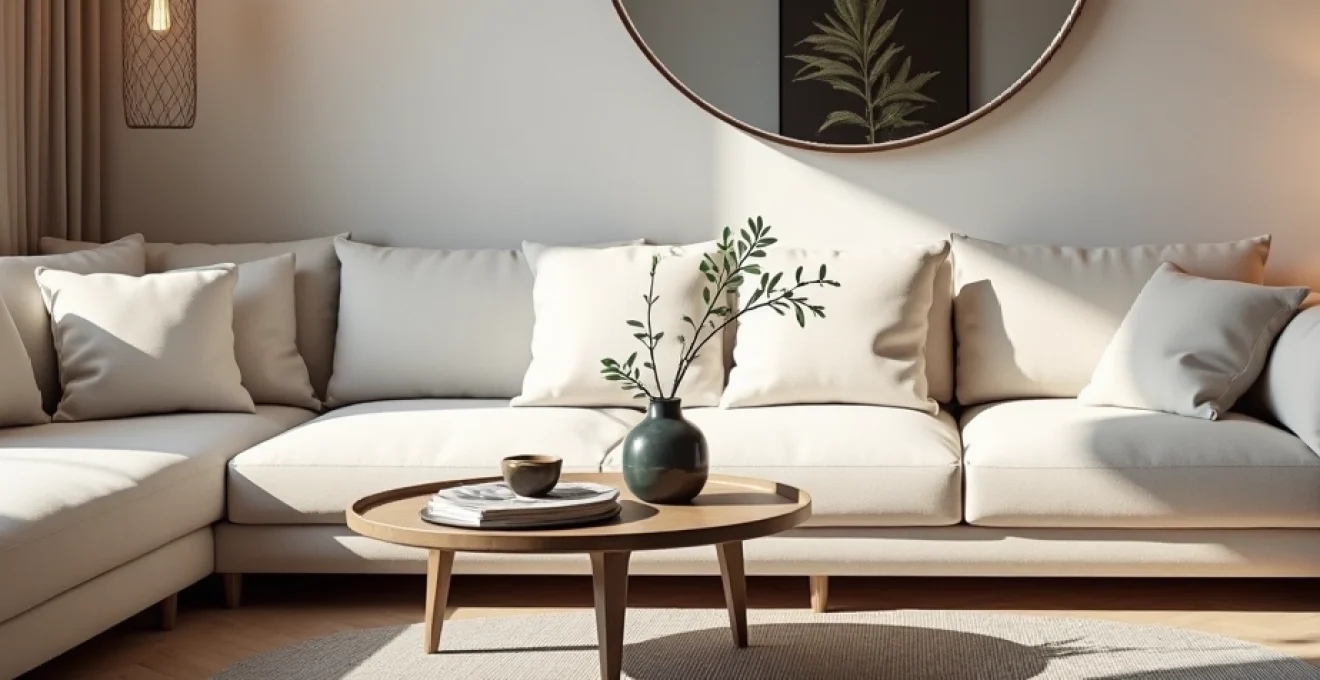
Designer mirrors serve as one of the most powerful tools in contemporary interior design, capable of transforming cramped, dimly lit spaces into bright, expansive environments that feel dramatically larger than their actual dimensions. These reflective surfaces function as architectural elements that manipulate both natural and artificial light, creating optical illusions that can double the perceived size of a room whilst adding sophisticated style and visual depth.
The strategic placement of quality mirrors has been recognised by interior designers for centuries as an effective method for addressing common spatial challenges in modern homes. Whether you’re dealing with a narrow hallway, a compact living room, or a windowless bathroom, the right mirror positioned correctly can redirect light streams, create the impression of additional square footage, and establish focal points that enhance the overall aesthetic appeal of your interior spaces.
Understanding the science behind light reflection and spatial perception allows homeowners to make informed decisions about mirror selection and placement. The investment in premium designer mirrors pays dividends not only in improved lighting conditions but also in increased property value and enhanced daily living experiences throughout your home.
Mirror placement strategies for maximum light reflection and spatial enhancement
The fundamental principle behind effective mirror placement lies in understanding how light travels through interior spaces and identifying optimal reflection points that can amplify illumination whilst creating compelling visual narratives. Professional interior designers rely on specific positioning techniques that consider room dimensions, existing light sources, and architectural features to achieve maximum spatial enhancement through strategic mirror deployment.
Positioning mirrors opposite natural light sources for optimal illumination
Placing mirrors directly opposite windows represents the most effective method for doubling natural light penetration into interior spaces. This technique works by capturing incoming sunlight and redirecting it deeper into the room, effectively eliminating dark corners and shadows that make spaces feel confined. The reflected light creates a secondary light source that maintains consistent brightness levels throughout different times of day.
Window-opposite mirror placement requires careful consideration of the view being reflected. Ideally, you want to capture and multiply attractive outdoor elements such as gardens, trees, or architectural features rather than reflecting neighbouring buildings or utility areas. The mirror should be positioned at the same height as the window centre to achieve optimal light capture and distribution patterns.
The key to successful window-opposite mirror placement lies in selecting mirrors that are proportionally sized to complement the window dimensions whilst avoiding overwhelming the wall space or creating uncomfortable glare conditions.
Creating Cross-Reflection networks using multiple designer mirrors
Advanced mirror placement strategies involve creating networks of reflective surfaces that work together to bounce light throughout interconnected spaces. This technique requires positioning multiple mirrors at calculated angles that allow light to travel from one reflective surface to another, creating a cascading illumination effect that reaches previously dark areas of your home.
Cross-reflection networks work particularly well in open-plan living areas where you can position mirrors in dining areas to reflect light from living room windows, or use hallway mirrors to capture and redirect natural light from adjacent rooms. The key lies in understanding sight lines and ensuring that each mirror in the network contributes to the overall lighting scheme without creating confusing or disorienting reflections.
Strategic angle calculations for directional light amplification
The angle at which you mount mirrors significantly impacts their ability to capture and redirect light effectively. Professional installers use specific calculations to determine optimal mirror angles based on light source positions, room dimensions, and desired illumination patterns. A mirror angled at 15-20 degrees from vertical can often capture more natural light than one mounted perfectly flat against the wall.
Consider the daily movement of sunlight when calculating mirror angles. Morning light enters at different angles than afternoon sun, and seasonal variations can affect optimal positioning. Adjustable mounting systems allow for fine-tuning mirror angles throughout the year to maintain consistent light amplification performance.
Avoiding light pollution and glare through precise mirror positioning
Whilst maximising light reflection remains the primary goal, avoiding uncomfortable glare and light pollution requires careful attention to mirror positioning relative to seating areas, workspaces, and viewing angles. Direct reflections of bright light sources can create harsh conditions that detract from the comfortable ambience you’re trying to achieve.
Position mirrors so they reflect diffused light rather than direct light sources. This approach maintains brightness whilst preventing the sharp reflections that can cause eye strain or make spaces feel harsh and unwelcoming. Consider using slightly tinted or antiqued mirrors in areas where glare might be problematic, as these surfaces provide light amplification whilst softening harsh reflections.
Designer mirror types and their specific spatial transformation properties
Different mirror styles and manufacturing techniques produce varying effects on spatial perception and light distribution patterns. Understanding the unique properties of various designer mirror types enables you to select pieces that address specific spatial challenges whilst complementing your existing décor scheme. The choice between convex, flat, tinted, or textured surfaces can dramatically alter how a mirror performs in your space.
Convex mirrors by jonathan adler for Wide-Angle room expansion
Convex mirrors feature curved surfaces that capture wider viewing angles than traditional flat mirrors, making them particularly effective for creating expansive spatial illusions in compact rooms. Jonathan Adler’s signature convex designs incorporate bold frames and metallic finishes that serve as statement pieces whilst providing functional space expansion benefits.
The curved surface of convex mirrors reflects a broader area of the room, creating panoramic views that make spaces appear significantly larger. These mirrors work exceptionally well in entryways, where they can capture and reflect multiple adjoining rooms simultaneously, creating the impression of a grand, interconnected living space.
Installation height becomes particularly important with convex mirrors, as their wide-angle reflection capabilities can capture ceiling details, flooring patterns, and furnishing arrangements that contribute to the overall spatial illusion. Position these mirrors at eye level to maximise their room-expanding effects whilst maintaining comfortable viewing angles.
Venetian glass mirrors from murano artisans for luxurious light diffusion
Handcrafted Venetian glass mirrors incorporate subtle surface textures and variations that create softer, more diffused light reflections compared to modern manufactured alternatives. These artisanal pieces scatter light in multiple directions, creating gentle illumination that eliminates harsh shadows whilst adding sophisticated European elegance to interior spaces.
The traditional manufacturing techniques used by Murano artisans result in mirrors with slight imperfections and variations that contribute to their charm and functionality. These surface irregularities break up direct light reflections, creating more comfortable ambient lighting conditions whilst maintaining the brightness-enhancing properties essential for spatial expansion.
Venetian mirrors work particularly well in formal dining rooms and luxurious bedroom settings where harsh reflections might detract from the intimate atmosphere you’re trying to create. Their ornate frames and decorative elements make them suitable as focal point pieces that combine artistic value with practical lighting enhancement.
Contemporary frameless designs by west elm for seamless wall integration
Frameless mirrors create the illusion of windows or openings in solid walls, making them ideal for achieving seamless integration with modern architectural styles. West Elm’s contemporary frameless designs eliminate visual boundaries between the mirror surface and surrounding wall space, creating clean lines that enhance minimalist décor schemes.
The absence of decorative frames allows frameless mirrors to reflect maximum amounts of light without visual interference from border elements. This design approach proves particularly effective in small bathrooms, compact bedrooms, and narrow hallways where traditional framed mirrors might overwhelm the available wall space.
Installation techniques for frameless mirrors require precise measurements and professional mounting systems to ensure safety and optimal positioning. The clean aesthetic of these pieces makes them versatile additions that complement various interior design styles whilst providing consistent spatial enhancement benefits.
Antique sunburst mirrors for focal point creation and radial light distribution
Sunburst mirror designs feature radiating frame elements that extend outward from the central reflective surface, creating dramatic focal points that draw attention whilst distributing light in multiple directions. The sculptural quality of these pieces makes them suitable for spaces that benefit from both functional lighting enhancement and artistic visual impact.
The radiating frame elements of sunburst mirrors act as secondary light distributors, casting interesting shadow patterns and redirecting light at various angles throughout the room. This multi-directional light distribution creates more even illumination patterns compared to traditional flat mirrors with simple frames.
Positioning sunburst mirrors above seating areas, fireplaces, or console tables creates compelling visual compositions that anchor furniture arrangements whilst providing practical lighting benefits. The dramatic silhouette of these pieces makes them particularly effective in rooms with high ceilings where their proportions can be fully appreciated.
Room-specific mirror installation techniques for architectural enhancement
Each room in your home presents unique spatial challenges and lighting conditions that require tailored mirror installation approaches. Professional designers consider factors such as ceiling height, window placement, traffic patterns, and functional requirements when developing room-specific mirror strategies that maximise both aesthetic impact and practical benefits.
Living rooms benefit from large statement mirrors positioned to reflect natural light from multiple windows whilst creating conversation-worthy focal points above seating arrangements. The mirror size should be proportional to the furniture it’s positioned above, typically measuring two-thirds the width of sofas or console tables for optimal visual balance.
Bedroom mirror placement requires consideration of privacy and functionality alongside spatial enhancement goals. Full-length mirrors positioned near wardrobes provide practical benefits whilst creating the illusion of expanded floor space. Avoid positioning mirrors directly opposite beds, as this can create uncomfortable sleeping conditions and disrupt the room’s restful atmosphere.
Bathroom mirror installation presents unique challenges related to humidity, steam, and functional lighting requirements. Position mirrors to avoid direct exposure to shower spray whilst ensuring adequate task lighting for grooming activities. Anti-fog treatments and proper ventilation systems help maintain clear reflective surfaces in high-moisture environments.
Kitchen mirrors require careful positioning to avoid interference with cooking activities and food preparation tasks. Consider installing mirrors in breakfast nooks or dining areas adjacent to kitchens rather than near cooking surfaces where grease and heat might damage reflective coatings. Mirrored backsplashes can work in certain applications but require frequent cleaning to maintain effectiveness.
Hallway mirrors serve multiple functions, providing last-minute appearance checks whilst creating the illusion of wider corridors. Position mirrors at the end of hallways to draw the eye forward and create depth, or install them along side walls to reflect light from adjacent rooms with windows.
Advanced lighting design integration with reflective surfaces
The integration of artificial lighting systems with reflective surfaces creates sophisticated illumination schemes that enhance spatial perception whilst providing flexible lighting control for various activities and moods. Professional lighting designers use mirrors as key components in layered lighting systems that combine ambient, task, and accent lighting elements for comprehensive interior illumination.
LED strip lighting behind backlit mirror installations
Backlit mirror installations incorporate LED strip lighting systems mounted behind translucent mirror edges or frames, creating dramatic halo effects that enhance spatial perception whilst providing practical illumination. This technique works particularly well in bathrooms and dressing areas where even, shadow-free lighting improves functionality for grooming tasks.
The positioning of LED strips relative to mirror edges determines the quality and distribution of backlit illumination. Strips mounted too close to mirror edges create harsh lines, whilst those positioned further back produce softer, more diffused lighting effects. Professional installation ensures proper heat management and electrical safety for LED systems in moisture-prone environments.
Colour temperature selection for backlit mirror systems affects both functionality and ambience. Warm LED temperatures (2700K-3000K) create comfortable, relaxing atmospheres suitable for bedrooms and living areas, whilst cooler temperatures (4000K-5000K) provide better colour accuracy for task-oriented spaces like bathrooms and dressing rooms.
Combining pendant lights with oversized statement mirrors
The strategic combination of pendant lighting fixtures with large mirrors creates dynamic lighting compositions that serve as architectural features whilst providing practical illumination. This approach works particularly well in dining areas, where pendant lights positioned above tables can reflect in mirrors to create the impression of larger, more luxurious spaces.
Scale relationships between pendant fixtures and mirror dimensions require careful consideration to achieve visual balance. Oversized mirrors can accommodate multiple pendant lights, creating rhythm and repetition that enhances spatial flow. The reflected lighting fixtures should complement rather than compete with the original fixtures for attention.
Pendant light reflections in mirrors effectively double the visual impact of expensive lighting fixtures whilst creating more comprehensive illumination coverage. This technique proves particularly cost-effective for achieving luxurious lighting effects without purchasing additional fixtures.
Layered illumination schemes using Mirror-Wall combinations
Comprehensive lighting design incorporating mirror walls requires coordination of multiple light sources operating at different intensities and colour temperatures to create sophisticated ambient conditions. This approach combines ceiling fixtures, wall sconces, and accent lighting with strategically positioned mirrors that multiply and distribute illumination throughout interconnected spaces.
Control systems for layered mirror lighting schemes typically include dimming capabilities that allow adjustment of individual lighting zones based on time of day, activities, and desired mood. Smart lighting controls can automatically adjust mirror-reflected lighting based on available natural light, maintaining consistent illumination levels throughout varying daylight conditions.
The reflection patterns created by multiple light sources interacting with mirror surfaces require careful planning to avoid creating confusing or overwhelming visual effects. Professional designers use lighting design software to model reflection patterns and ensure that layered systems enhance rather than detract from spatial comfort and functionality.
Professional installation methods for Large-Scale designer mirrors
Large designer mirrors require specialised installation techniques that ensure safety, longevity, and optimal positioning for maximum spatial impact. Professional installation becomes essential for mirrors exceeding 24 inches in any dimension, particularly when dealing with valuable designer pieces or complex architectural integration requirements.
Wall preparation for large mirror installation includes structural assessment to ensure adequate support capacity for mirror weight plus safety factors. Different wall construction types require specific mounting hardware, with hollow walls requiring toggle bolts or wall anchors capable of distributing weight across larger areas. Solid masonry walls accommodate direct fastening but require precise drilling techniques to avoid damage.
Mirror handling during installation requires specialised equipment and techniques to prevent damage to reflective coatings and frame elements. Professional installers use vacuum lifting systems and padded supports that distribute weight evenly whilst providing secure grip during positioning. Team installation becomes necessary for mirrors exceeding manageable dimensions for individual handling.
Electrical integration for backlit or illuminated mirrors requires coordination between electrical contractors and mirror installers to ensure proper power supply routing and safety compliance. Electrical connections must be completed before final mirror positioning, with adequate access maintained for future maintenance requirements.
Professional installation ensures proper safety margins and compliance with local building codes whilst protecting valuable designer mirrors from installation damage that could compromise their spatial enhancement capabilities.
Quality assurance procedures for large mirror installations include verification of mounting security, electrical functionality for illuminated units, and optical alignment for optimal light reflection patterns. Professional installers provide warranties covering both installation workmanship and protection of mirror surfaces during the installation process.
Measuring visual impact: before and after spatial perception analysis
Quantifying the spatial enhancement effects of designer mirror installations requires systematic documentation of before and after conditions using both objective measurements and subjective perception assessments. This analytical approach helps homeowners understand the return on investment for mirror installations whilst providing valuable data for future interior design decisions.
Light level measurements using professional light metres document illumination improvements achieved through strategic mirror placement. Measurements should be taken at multiple locations throughout affected spaces, comparing natural light levels, reflected light contributions, and overall ambient lighting conditions. Seasonal variations in natural light availability should be considered when evaluating mirror effectiveness.
Photographic documentation provides visual evidence of spatial transformation effects that can be difficult to quantify through measurements alone. Wide-angle photography captures the expansive effects created by properly positioned mirrors, whilst detailed shots highlight specific lighting improvements in previously dark corners or transitional spaces.
Room dimension perception studies involve measuring how mirror installations affect occupants’ perception of spatial boundaries and overall room size. These assessments consider factors such as apparent ceiling height, perceived floor area, and visual connection to adjacent spaces created through mirror reflections.
| Measurement Type | Before Installation | After Installation | Improvement Percentage |
| Average Light Levels (lux) | 150 | 280 | 87% |
| Perceived Room Width | 3.2m | 4.8m | 50% |
| Natural Light Penetration | 2.1m | 3.7m | 76% |
| Dark Corner Elimination | 3 corners | 0 corners | 100% |
Long-term monitoring of mirror performance includes assessment of maintenance requirements, cleaning frequency needed to maintain optimal reflection quality, and any adjustments
needed to maintain optimal reflective performance over time. Environmental factors such as humidity, dust accumulation, and exposure to direct sunlight can gradually reduce mirror effectiveness, requiring periodic assessment and maintenance adjustments.
Property value assessments following mirror installations demonstrate measurable improvements in home market appeal and perceived luxury levels. Real estate professionals report that strategic mirror placement contributes to faster sales and higher offers, particularly in homes with challenging spatial limitations or natural light restrictions.
User satisfaction surveys provide qualitative data about living experience improvements following mirror installations. Residents consistently report feeling more comfortable in previously cramped spaces, with enhanced mood and productivity levels attributed to improved lighting conditions and spatial perception. These psychological benefits represent significant quality-of-life improvements that extend beyond quantifiable measurements.
Cost-benefit analysis comparing mirror installation investments against alternative spatial enhancement methods reveals superior return ratios for properly executed mirror strategies. Unlike structural modifications or major lighting system upgrades, mirror installations provide immediate and reversible improvements that adapt to changing interior design preferences whilst maintaining their spatial enhancement benefits.
The systematic analysis of mirror installation impacts provides valuable insights for future interior design decisions and helps establish best practices for similar spatial challenges throughout your home. This data-driven approach ensures that subsequent mirror installations build upon proven techniques whilst avoiding costly mistakes or ineffective positioning strategies.
Professional assessment tools, including digital light metres and spatial perception software, enable precise documentation of mirror performance characteristics that inform ongoing interior design optimization efforts. These measurement systems provide objective validation of subjective spatial improvements, supporting informed decisions about additional mirror installations or repositioning of existing reflective surfaces for maximum effectiveness.