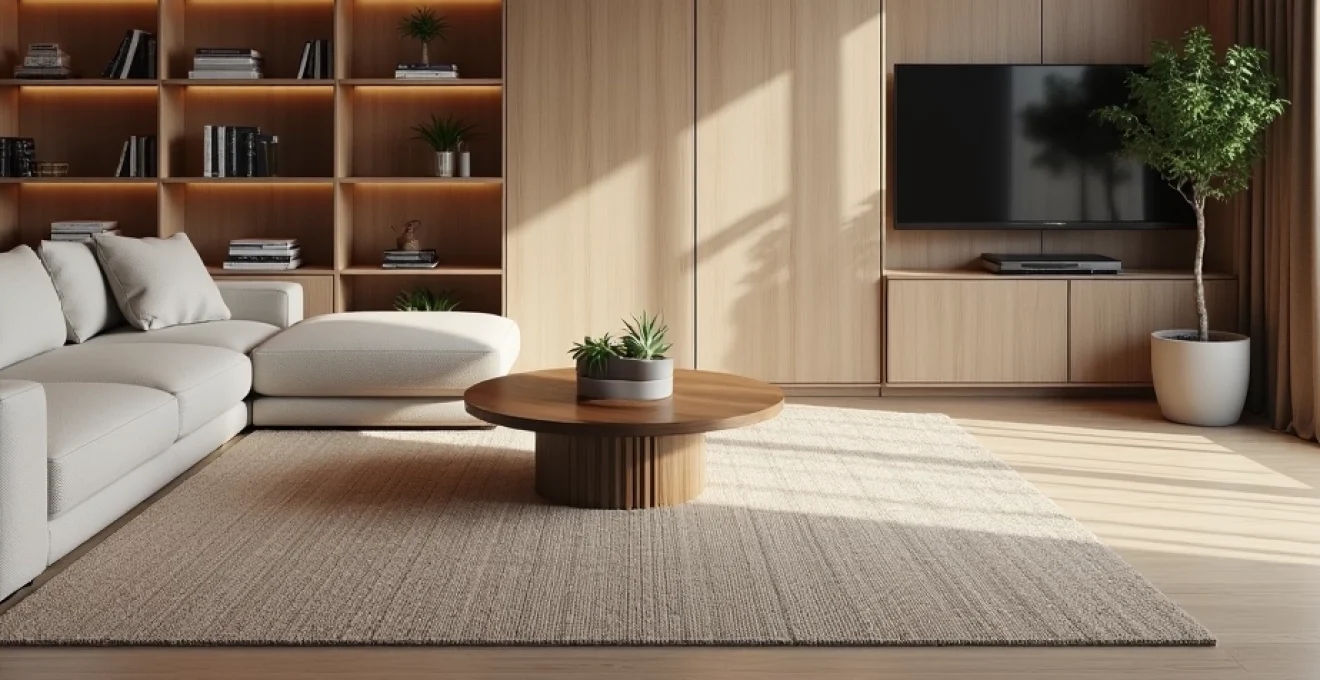
Blank spaces in your home don’t have to remain overlooked voids that gather dust and diminish your interior’s potential. These underutilised areas represent untapped opportunities for creating moments of design brilliance that can fundamentally alter how you experience your living environment. From awkward corners that seem impossible to furnish to expansive walls that feel intimidating in their emptiness, every vacant zone holds the promise of transformation through thoughtful intervention and creative vision.
The art of space transformation extends far beyond simply filling empty areas with furniture or hanging artwork on bare walls. It requires understanding the psychological impact of spatial design, the interplay between light and shadow, and the subtle ways that strategic interventions can redirect energy flow throughout your home. When approached with intention and expertise, even the most challenging dead zones can become focal points that elevate your entire interior aesthetic.
Spatial psychology principles for transforming underutilised interior zones
The science behind how humans perceive and interact with space provides a foundation for understanding why certain areas feel neglected whilst others naturally draw attention. Spatial psychology reveals that our brains constantly assess environments for comfort, functionality, and visual harmony, making unconscious decisions about which spaces feel inviting versus those that feel awkward or unwelcoming.
Proxemic theory applications in residential dead zones
Proxemic theory, developed by anthropologist Edward T. Hall, examines how people use space to communicate and feel comfortable within their environment. In residential settings, this translates to understanding the invisible boundaries that define how you naturally move through and occupy different areas of your home. Dead zones often occur where these natural traffic patterns create spaces that feel neither public nor private, leaving them in an uncomfortable limbo.
Transforming these areas requires establishing clear spatial definitions that give them purpose and meaning. Consider a corner between your living room and dining area that feels too exposed for intimate activities yet too isolated for social interaction. By introducing a reading chair with appropriate lighting and perhaps a small side table, you create what designers call a transitional sanctuary that bridges the gap between public and private space.
Biophilic design integration techniques for vacant corners
Human beings possess an innate connection to nature, and incorporating natural elements into previously empty spaces can dramatically transform their energy and appeal. Biophilic design principles suggest that introducing plants, natural materials, or nature-inspired patterns can make vacant corners feel more alive and purposeful.
A simple plant arrangement in a previously ignored corner doesn’t just add visual interest; it creates a microenvironment that improves air quality and provides a focal point that draws the eye naturally. Consider using varying heights and textures, perhaps combining a tall snake plant with trailing pothos and small succulents arranged on a rustic wooden plant stand. This creates visual layers that give depth and complexity to what was once a forgotten void .
Gestalt visual hierarchy methods in empty wall expanses
The Gestalt principles of visual perception offer powerful tools for transforming large, intimidating blank walls into cohesive design statements. Rather than viewing an empty wall as a single, overwhelming surface, Gestalt theory teaches us to break it down into manageable visual components that work together to create a greater whole.
The principle of proximity suggests grouping related elements together to create visual unity, whilst the principle of similarity uses repeated colours, shapes, or textures to establish rhythm across the space. When applied to wall treatment, this might involve creating a gallery wall where different-sized frames share a common colour palette, or installing floating shelves at varying heights that maintain consistent spacing ratios.
Feng shui chi flow optimisation for neglected areas
Traditional Chinese feng shui principles offer valuable insights into why certain areas of your home feel stagnant or unwelcoming. According to feng shui philosophy, positive energy (chi) should flow smoothly throughout living spaces, and dead zones often occur where this energy becomes trapped or blocked.
Activating these areas requires understanding how to redirect and enhance energy flow through strategic placement of objects, colours, and lighting. A dark corner might benefit from a mirror to reflect light and create the illusion of expanded space, whilst a narrow hallway could be transformed with a series of small artworks that create visual momentum and encourage forward movement. The key lies in creating energetic pathways that feel natural and inviting.
Strategic lighting architecture for activating dormant spaces
Lighting serves as one of the most powerful tools for space transformation, possessing the ability to completely alter the mood, functionality, and perceived dimensions of previously neglected areas. The strategic deployment of different lighting types can breathe life into dormant spaces, creating atmosphere and purpose where none existed before.
LED strip installation techniques for alcove illumination
LED strip lighting offers remarkable versatility for illuminating awkward alcoves and recesses that traditional lighting fixtures cannot effectively reach. These flexible light sources can be concealed within architectural features, creating ambient illumination that transforms dark, uninviting spaces into warm, welcoming environments.
Installation requires careful planning to ensure even light distribution and proper concealment of the LED strips themselves. Consider installing strips along the top edge of alcove walls, directing light downward to create a gentle wash effect that eliminates harsh shadows. For deeper alcoves, combining top-mounted strips with floor-level accent lighting creates layered illumination that adds depth and visual interest to the space.
Accent lighting positioning using philips hue systems
Smart lighting systems like Philips Hue provide unprecedented control over colour temperature, intensity, and timing, allowing you to customise lighting schemes for different activities and moods throughout the day. This technology proves particularly valuable for activating spaces that serve multiple functions or need to adapt to changing requirements.
Strategic positioning of smart bulbs in previously dark corners or transitional areas can create focal points that draw attention and encourage use. A corner reading nook might benefit from warm, dim lighting in the evening that gradually increases in brightness for morning activities. The ability to program lighting scenes means your transformed spaces can automatically adjust to support their intended functions.
Natural light redirection through prism technology
Spaces that lack direct access to natural light often feel lifeless and uninviting, but modern prism technology and light-redirecting systems can channel daylight into previously dark areas. Light tubes, solar collectors, and strategically placed mirrors can bring natural illumination to interior spaces that seemed permanently relegated to artificial lighting.
These systems work by capturing sunlight from exterior sources and redirecting it through reflective channels or optical systems into interior spaces. The result is genuine natural light that changes throughout the day, creating dynamic illumination that makes transformed spaces feel more connected to the outside world.
Task lighting integration via artemide tolomeo configurations
Adjustable task lighting systems provide the flexibility needed to make transformed spaces truly functional for a variety of activities. The iconic Artemide Tolomeo lamp series exemplifies how well-designed task lighting can become both functional tool and sculptural element that enhances the overall aesthetic of a transformed space.
The key to successful task lighting integration lies in selecting fixtures that offer precise directional control whilst maintaining visual harmony with the surrounding design elements. A converted corner workspace might combine a Tolomeo desk lamp with complementary pendant lighting to create layered illumination that supports both focused work and general ambiance.
Modular furniture systems for adaptive space utilisation
The modern approach to space transformation increasingly relies on modular furniture systems that offer flexibility and adaptability over time. Unlike traditional fixed installations, modular solutions allow you to experiment with different configurations and adjust your space as needs change, making them particularly valuable for transforming challenging or multipurpose areas.
Vitra alcove modular seating for transitional zones
Transitional zones between rooms often feel neither here nor there, lacking clear purpose or definition. Modular seating systems like the Vitra Alcove collection provide an elegant solution by creating intimate conversation areas that can be reconfigured as needed whilst maintaining visual coherence with surrounding spaces.
These systems work particularly well in open-plan homes where traditional room divisions don’t exist. A modular seating arrangement can define a reading area within a larger living space whilst maintaining the openness that makes modern homes feel spacious. The ability to add or remove components means the configuration can evolve with changing needs or seasonal preferences.
IKEA ALGOT shelving configurations for vertical activation
Vertical space often represents the greatest untapped potential in room transformation, and modular shelving systems provide cost-effective solutions for activating these areas. The IKEA ALGOT system exemplifies how simple, well-designed components can create custom storage and display solutions that transform blank walls into functional focal points.
The beauty of modular shelving lies in its adaptability; configurations can be adjusted as storage needs change or aesthetic preferences evolve. A wall-mounted system might begin as simple book storage but evolve to accommodate plants, artwork, and decorative objects as the space matures. This evolutionary approach to space design acknowledges that great interiors develop over time rather than being completed in a single installation.
Herman miller storage solutions in understairs areas
Understairs areas represent some of the most challenging spaces to transform effectively, often characterised by awkward angles, limited headroom, and difficult access. Professional-grade storage solutions from companies like Herman Miller offer engineered approaches to these complex spatial puzzles, transforming wasted space into highly functional storage or workspace areas.
The key to understairs transformation lies in understanding the unique constraints and opportunities presented by these spaces. Custom-fitted storage systems can maximise every available cubic inch whilst maintaining easy access to stored items. Consider how a series of pull-out drawers can make deep, low spaces accessible, or how angled shelving can follow the roofline to create display areas for books or decorative objects.
Muuto folded shelf systems for awkward niche spaces
Architectural niches and recesses often feel like design afterthoughts, but contemporary shelving solutions like the Muuto Folded Shelf series can transform these spaces into striking display areas. The sculptural quality of well-designed shelving means these installations serve both functional and aesthetic purposes, turning architectural quirks into design features.
The success of niche transformation depends on selecting shelving systems that complement the proportions and character of the space. Folded metal shelves create clean, geometric lines that work well in modern interiors, whilst their minimal profiles don’t overwhelm small spaces. The ability to combine different shelf sizes and configurations allows for customised solutions that respond to specific spatial constraints.
Vertical surface treatment strategies using contemporary materials
Wall surfaces represent the largest untapped canvas in most interior spaces, yet they’re often treated as neutral backgrounds rather than active design elements. Contemporary materials and application techniques offer exciting possibilities for transforming blank walls into dynamic surfaces that contribute meaningfully to the overall spatial experience.
Textural wall treatments can completely alter the perceived scale and character of a space. Consider how a rough, natural stone feature wall creates intimate warmth in a large room, or how smooth, reflective panels can make a small space feel larger and brighter. The key lies in selecting materials that complement both the functional requirements and aesthetic goals of the transformed space.
Modern adhesive technologies have revolutionised wall treatment installation, making it possible for homeowners to achieve professional results with materials that previously required specialist installation. Peel-and-stick wood planks, removable wallpaper systems, and magnetic wall panels offer commitment-free experimentation with different textures and patterns.
Acoustic considerations often drive wall treatment decisions, particularly in open-plan homes where sound control becomes crucial for comfort. Fabric-wrapped acoustic panels can serve dual purposes, improving sound quality whilst adding colour and texture to previously plain walls. These panels can be arranged in geometric patterns that create visual interest whilst addressing functional requirements.
The most successful wall transformations consider both visual and tactile qualities, creating surfaces that invite interaction and enhance the sensory richness of the space.
Vertical gardens and living walls represent the ultimate fusion of functional and aesthetic wall treatment, transforming blank surfaces into active ecosystem elements that improve air quality whilst creating stunning visual displays. Modern hydroponic systems make it possible to install living walls in locations that wouldn’t support traditional soil-based plantings.
Digital integration is increasingly influencing wall treatment strategies, with programmable LED panels, interactive projection systems, and smart glass technologies offering dynamic surfaces that can change throughout the day. These technologies transform walls from static elements into responsive surfaces that adapt to different activities and moods.
Acoustic design solutions for Sound-Dead empty rooms
Empty rooms often suffer from poor acoustic qualities that make them feel uncomfortable and unusable, even after furniture is added. Hard surfaces and lack of sound-absorbing materials create echo and reverberation that can make conversation difficult and music unpleasant. Acoustic design solutions address these problems whilst contributing to the overall aesthetic transformation of the space.
Strategic placement of soft furnishings provides the most accessible approach to acoustic improvement. Area rugs, curtains, upholstered furniture, and cushions all absorb sound reflections that would otherwise bounce endlessly between hard surfaces. The key lies in distributing these elements throughout the space rather than concentrating them in single areas.
Acoustic panels offer more targeted solutions for specific sound problems, and contemporary designs integrate seamlessly with modern interior aesthetics. Fabric-wrapped panels can be custom-coloured to match décor schemes, whilst perforated wood panels combine sound absorption with natural material warmth. These solutions transform acoustic dead zones into comfortable environments for conversation and relaxation.
Proper acoustic design creates an invisible foundation that allows all other design elements to perform at their best, transforming spaces that feel harsh and uncomfortable into welcoming environments.
Ceiling treatments often provide the most effective acoustic interventions, particularly in rooms with hard flooring materials. Suspended acoustic panels, fabric clouds, or even simple ceiling fans can break up sound reflections that contribute to poor room acoustics. These interventions also create opportunities for adding visual interest to often-overlooked ceiling surfaces.
Natural sound masking through water features or white noise systems can help problematic spaces feel more comfortable without requiring extensive acoustic treatment. A small fountain or air purifier can provide gentle background sound that masks traffic noise or conversation from adjacent rooms, making transformed spaces feel more private and peaceful.
Sustainable upcycling methodologies for space transformation projects
Environmental consciousness increasingly influences interior design decisions, and space transformation projects provide excellent opportunities for implementing sustainable practices through creative reuse and upcycling initiatives. Rather than purchasing new materials and furnishings, thoughtful upcycling can create unique design elements whilst reducing environmental impact.
Reclaimed materials often possess character and patina that new materials cannot match, making them valuable resources for creating distinctive transformed spaces. Old barn wood can become striking accent walls, vintage doors can be repurposed as room dividers, and industrial salvage can provide unique lighting solutions that tell stories whilst serving functional purposes.
Furniture transformation through refinishing, reupholstering, and creative modification allows existing pieces to find new life in transformed spaces. A dated armchair might be reborn with contemporary fabric and updated legs, whilst vintage storage pieces can be modified to accommodate modern electronics and changing storage needs. This approach creates personalised design solutions that reflect individual taste rather than mass-market trends.
Sustainable transformation acknowledges that the most environmentally responsible design decisions often produce the most interesting and personal results.
DIY installation techniques enable homeowners to tackle transformation projects that might otherwise require professional intervention, reducing costs whilst increasing personal investment in the results. Modern tools and materials make it possible to achieve professional-quality results with careful planning and attention to detail.
Community resource sharing through tool libraries, material exchanges, and skill-sharing groups creates networks that support sustainable transformation projects. These collaborative approaches reduce individual costs whilst building connections between neighbours who share similar values around environmental responsibility and creative reuse.
Long-term adaptability should guide sustainable transformation decisions, prioritising solutions that can evolve with changing needs rather than requiring complete replacement when circumstances change. Modular systems, adjustable fixtures, and flexible configurations ensure that today’s transformation investments continue providing value as life situations evolve.