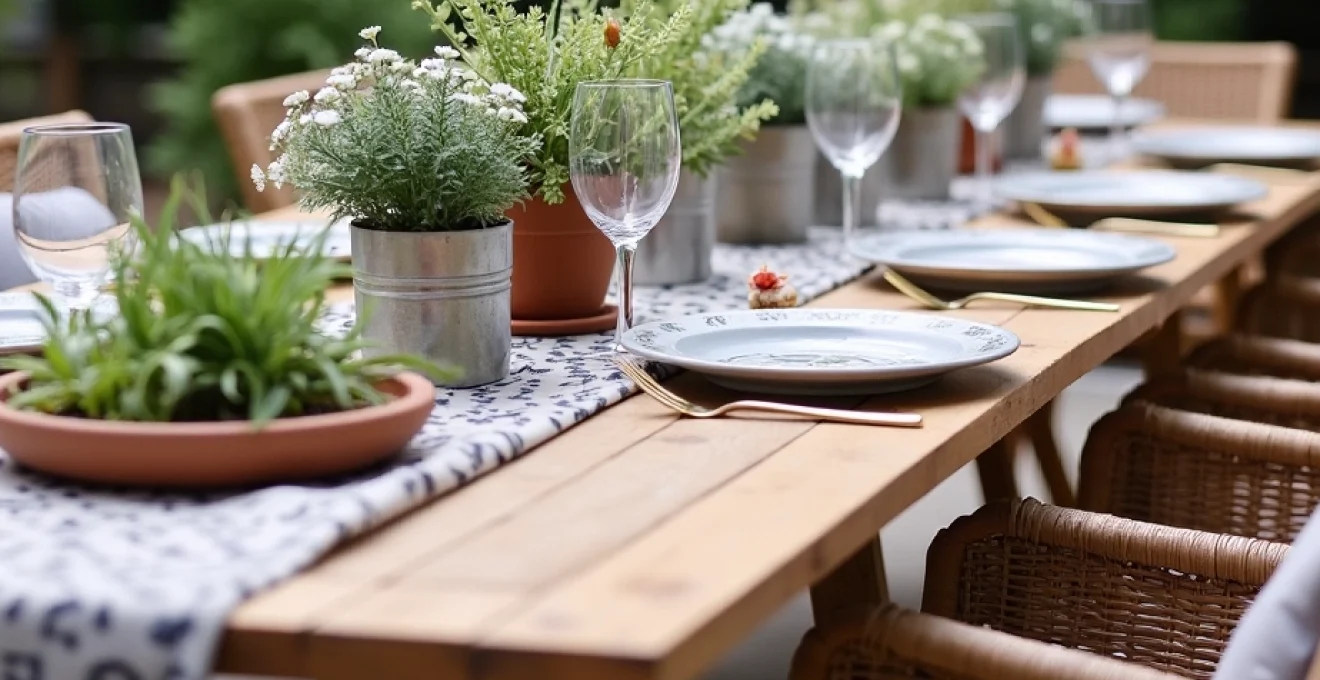
Transform your outdoor dining experience into something extraordinary with thoughtful patio table styling that marries durability with sophisticated design. Creating an elegant outdoor dining space requires more than simply moving indoor furniture outside – it demands careful consideration of materials, weather resistance, and aesthetic cohesion. The art of outdoor entertaining has evolved significantly, with homeowners increasingly viewing their patios as extensions of their interior living spaces, complete with the same attention to detail and design sensibility.
Modern outdoor styling embraces both functionality and beauty, recognising that patio furniture must withstand the elements whilst maintaining its visual appeal throughout the seasons. From selecting weather-resistant materials to incorporating seasonal design elements, every decision contributes to creating an outdoor sanctuary that feels both inviting and enduring. The key lies in understanding how different materials, fabrics, and design elements perform in outdoor environments whilst achieving that perfect balance between comfort and elegance.
Material selection and Weather-Resistant finishes for patio table styling
The foundation of any elegant outdoor dining space begins with selecting materials that can withstand the unpredictable British weather whilst maintaining their aesthetic appeal. Quality outdoor furniture materials must demonstrate exceptional resilience against UV radiation, moisture, temperature fluctuations, and seasonal changes. The investment in premium materials pays dividends in both longevity and consistent visual appeal, ensuring your outdoor space remains stylish year after year.
Understanding the science behind weather-resistant treatments helps you make informed decisions about your outdoor furniture investment. Modern manufacturing techniques have revolutionised outdoor furniture durability, with advanced coatings, sealers, and treatments providing unprecedented protection against environmental damage. The most successful outdoor styling projects combine aesthetic appeal with practical material science , creating spaces that look beautiful and perform exceptionally over time.
Teak and eucalyptus wood treatment techniques for UV protection
Teak remains the gold standard for outdoor furniture materials due to its natural oils and dense grain structure that provide inherent weather resistance. However, even premium teak benefits from proper treatment to maintain its rich honey tones and prevent the characteristic silvery-grey weathering that occurs with UV exposure. Regular application of teak oil containing UV inhibitors helps preserve the wood’s natural colour whilst enhancing its water-repelling properties.
Eucalyptus offers an excellent sustainable alternative to teak, providing similar durability at a more accessible price point. This fast-growing hardwood requires more frequent maintenance than teak but responds beautifully to proper treatment. Annual application of eucalyptus-specific wood oils containing titanium dioxide provides excellent UV protection whilst maintaining the wood’s natural grain visibility.
Powder-coated aluminium framework maintenance and colour retention
Powder-coated aluminium represents the pinnacle of low-maintenance outdoor furniture materials, offering exceptional durability and colour retention when properly maintained. The electrostatic powder coating process creates a finish significantly more durable than traditional paint, providing superior resistance to chipping, fading, and corrosion. Regular cleaning with mild soap and water maintains the finish’s integrity, whilst quarterly waxing with marine-grade products enhances protection.
Colour retention depends largely on the quality of the initial powder coating and the pigments used. Premium manufacturers utilise UV-stable pigments and multiple coating layers to ensure consistent colour performance over decades of use. Minor scratches can be addressed through professional touch-up services, whilst deep scratches may require localised re-coating to maintain the furniture’s pristine appearance.
All-weather wicker weaving patterns and synthetic rattan durability
Modern synthetic rattan has transformed outdoor furniture design, offering the classic appeal of traditional wicker with superior weather resistance and longevity. High-quality synthetic rattan incorporates UV stabilisers directly into the polymer structure, preventing degradation and colour fading even under intense sunlight. The weaving pattern significantly affects both durability and water drainage , with tighter weaves providing better structural integrity but requiring more maintenance to prevent water accumulation.
Premium synthetic rattan utilises multi-strand construction techniques that distribute stress more evenly across the weave, reducing the likelihood of individual strand failure. The best synthetic rattan materials maintain flexibility across temperature extremes, preventing cracking during winter months whilst resisting stretching during summer heat. Regular inspection and cleaning of weave intersections prevents debris accumulation that could compromise the material’s integrity over time.
Natural stone tabletop sealing methods using penetrating sealers
Natural stone tabletops provide unparalleled elegance and durability for outdoor dining surfaces, but require proper sealing to maintain their appearance and prevent staining. Penetrating sealers work below the surface to repel liquids whilst allowing the stone to breathe naturally, preventing the trapped moisture issues common with surface sealers. Professional-grade fluorochemical sealers provide the longest-lasting protection for high-traffic outdoor stone surfaces.
The sealing process requires thorough surface preparation, including deep cleaning and complete drying before application. Multiple thin coats provide better protection than single heavy applications, with each coat allowed to penetrate fully before applying the next. Annual reapplication ensures consistent protection, whilst bi-annual deep cleaning removes any accumulated residue that might interfere with the sealer’s effectiveness.
Seasonal table setting configurations with mediterranean design elements
Mediterranean design principles bring warmth, sophistication, and timeless appeal to outdoor dining spaces, creating an atmosphere reminiscent of sun-drenched terraces overlooking azure seas. This design philosophy emphasises natural materials, earthy colour palettes, and artisanal craftsmanship that celebrates the beauty of handmade items. The Mediterranean aesthetic translates beautifully to British gardens, providing a sense of escape and luxury that enhances everyday outdoor dining experiences.
Seasonal adaptability forms the cornerstone of successful Mediterranean outdoor styling, allowing your patio to evolve with the changing seasons whilst maintaining its core aesthetic identity. Spring configurations might emphasise fresh citrus colours and flowering branches, whilst autumn settings incorporate rich amber tones and seasonal fruits. The key lies in maintaining consistent design elements whilst allowing seasonal variations to provide visual interest and freshness throughout the year.
Tuscan-inspired terra cotta centrepiece arrangements with olive branches
Terra cotta vessels provide the perfect foundation for creating authentic Mediterranean centrepieces that celebrate the region’s agricultural heritage. Hand-thrown terra cotta pots showcase subtle variations in colour and texture that machine-made alternatives cannot replicate, adding genuine character to your table settings. Olive branches bring both symbolic significance and practical beauty, with their silvery-green foliage providing an elegant backdrop for seasonal flowers or standing beautifully alone.
Creating dynamic arrangements requires understanding the natural growth patterns of olive branches and working with their architectural qualities. Longer branches create dramatic height whilst shorter sprigs provide textural interest at table level , allowing conversation to flow freely across the dining surface. Combining olive branches with seasonal elements like citrus fruits, herbs, or Mediterranean wildflowers creates arrangements that feel both structured and naturally abundant.
Provençal linen table runner placement and lavender colour coordination
Provençal linen brings the relaxed elegance of French countryside styling to outdoor dining settings, with its natural texture and subtle colour variations providing visual warmth without overwhelming the space. The placement of table runners requires careful consideration of table proportions and dining configurations, with runners typically extending 15-20cm beyond place settings on each side. Lavender colour coordination extends beyond simply matching hues to incorporate the plant’s natural seasonal rhythm and aromatic qualities.
Authentic Provençal styling embraces the beautiful imperfection of natural materials, with slight colour variations and texture inconsistencies adding character rather than detracting from the overall aesthetic. Fresh lavender sprigs tucked into napkin rings or scattered along the table runner create aromatic experiences that engage multiple senses whilst maintaining the authentic Mediterranean atmosphere.
Moroccan mosaic tile charger plates and geometric pattern integration
Moroccan mosaic patterns introduce sophisticated geometric complexity to outdoor table settings, with their intricate designs providing visual interest that complements rather than competes with food presentation. Traditional zellige tiles offer subtle colour variations and handcrafted imperfections that add authenticity to the dining experience. The key to successful pattern integration lies in balancing the ornate charger plates with simpler elements like plain glassware and neutral linens.
Geometric pattern integration requires understanding how different scales and rhythms interact across the table surface. Large-scale mosaic chargers work best with smaller geometric elements in napkins or glassware, whilst maintaining sufficient visual rest areas to prevent pattern overload. The interplay between organic Mediterranean elements and structured Islamic geometric patterns creates dynamic tension that keeps the eye engaged without overwhelming the dining experience.
Spanish ceramic dinnerware selection for outdoor temperature fluctuations
Spanish ceramics offer exceptional thermal properties that make them ideal for outdoor dining, with traditional manufacturing techniques creating pieces that withstand temperature extremes without cracking or crazing. Hand-painted Spanish ceramics bring artisanal character to outdoor settings, with each piece featuring unique variations that celebrate the maker’s individual style. The robust nature of Spanish ceramic glazes provides excellent stain resistance whilst maintaining their vibrant colours under UV exposure.
Selecting ceramics for outdoor use requires understanding how different clay bodies and glazes respond to temperature changes. Terra cotta-based ceramics offer superior thermal shock resistance compared to refined porcelain, making them more suitable for outdoor environments where temperature fluctuations are common. The slightly porous nature of traditional Spanish ceramics also provides better grip when handling dishes with wet hands, enhancing both safety and user experience.
Lighting integration systems for extended evening entertainment
Sophisticated outdoor lighting transforms patio dining from a daylight-dependent activity into an enchanting evening experience that extends well into the night. Modern lighting design goes far beyond simple illumination, creating layered lighting schemes that enhance both functionality and atmosphere. The integration of multiple lighting sources at different heights and intensities allows you to adjust the ambience throughout the evening, from bright task lighting during food service to intimate ambient lighting for after-dinner conversation.
Contemporary outdoor lighting systems embrace both traditional and technological innovations, offering unprecedented control over your outdoor environment. Smart lighting systems allow precise adjustment of colour temperature and intensity through smartphone apps, whilst solar-powered options provide sustainable operation without complicated electrical installations. The most successful outdoor lighting schemes combine permanent architectural lighting with flexible accent pieces that can be repositioned according to seasonal needs and entertaining requirements.
Layered lighting design principles apply equally to outdoor and indoor spaces, requiring careful balance between ambient, task, and accent lighting sources. Ambient lighting provides general illumination across the dining area, whilst task lighting focuses on specific activities like food service or reading menus. Accent lighting highlights architectural features, landscaping elements, or decorative objects that contribute to the overall atmosphere. Understanding how these different lighting types interact helps you create outdoor spaces that feel both functional and magical after dark.
Weather-resistant lighting fixtures must demonstrate exceptional durability whilst maintaining their aesthetic appeal throughout the seasons. Marine-grade electrical connections prevent corrosion in moisture-rich environments, whilst UV-resistant housing materials prevent degradation under intense sunlight. Professional-grade outdoor lighting fixtures often incorporate drainage systems and ventilation features that prevent moisture accumulation and extend operational life. Regular maintenance scheduling ensures optimal performance and prevents minor issues from developing into major repairs.
The most memorable outdoor dining experiences occur when guests forget they’re eating outside, becoming completely immersed in the atmosphere created through thoughtful lighting design and table styling.
Textile and fabric selection for outdoor tablescaping longevity
Outdoor textile selection requires balancing aesthetic appeal with technical performance, as fabrics must withstand UV exposure, moisture, temperature extremes, and frequent cleaning whilst maintaining their visual appeal. Modern outdoor fabrics have revolutionised patio styling possibilities, offering unprecedented durability without sacrificing style or comfort. Solution-dyed acrylic fabrics represent the current gold standard for outdoor applications, providing exceptional colour fastness and mildew resistance that far exceeds traditional outdoor fabric options.
Understanding fabric construction techniques helps you make informed decisions about outdoor textile investments. Tightly woven fabrics generally provide better weather resistance than loose weaves, whilst synthetic fibres typically outperform natural materials in outdoor environments. However, high-quality natural fibres treated with advanced protective coatings can provide excellent outdoor performance whilst offering superior tactile qualities that enhance the dining experience.
Proper care and maintenance protocols significantly extend outdoor textile lifespan, with regular cleaning preventing the accumulation of dirt, pollen, and environmental contaminants that can compromise fabric integrity. Professional cleaning services specialising in outdoor textiles understand the unique requirements of weather-resistant fabrics and can provide deep cleaning without damaging protective treatments. Seasonal storage in climate-controlled environments protects valuable outdoor textiles during harsh winter months, ensuring they maintain their appearance and performance characteristics year after year.
Colour selection plays a crucial role in outdoor textile longevity, with certain pigments demonstrating superior UV stability compared to others. Earth tones and muted colours typically fade more slowly than bright, saturated hues, though advances in dyeing technology have significantly improved the colour fastness of even vibrant outdoor fabrics. Understanding how different colours respond to UV exposure helps you make strategic choices that balance aesthetic preferences with practical longevity considerations.
Botanical centrepiece design using native UK plant species
Native British plants offer unparalleled advantages for outdoor centrepiece design, providing natural resilience to local climate conditions whilst supporting native wildlife and ecosystem health. These plants have evolved specifically to thrive in British growing conditions, requiring minimal intervention whilst providing maximum visual impact throughout the growing seasons. Native plant centrepieces create authentic connections between your outdoor dining space and the surrounding landscape , establishing a sense of place that imported species simply cannot replicate.
Sustainable gardening practices have elevated native plant usage from environmental consideration to design philosophy, with landscape designers increasingly recognising the aesthetic value of indigenous flora. Native plants offer unique textures, forms, and seasonal interest patterns that create dynamic centrepieces requiring minimal maintenance whilst providing habitat for beneficial insects and wildlife. The natural succession of native plant communities provides inspiration for creating centrepieces that evolve naturally throughout the seasons.
English garden herb arrangements with rosemary and thyme displays
Culinary herbs bring both aesthetic beauty and practical functionality to outdoor table centrepieces, creating aromatic experiences that enhance the dining atmosphere whilst providing fresh ingredients for cooking. Rosemary’s architectural form and evergreen nature make it an excellent foundation plant for year-round centrepieces, whilst thyme’s delicate flowers and spreading habit provide textural contrast and seasonal colour variation. Herb arrangements encourage interactive dining experiences where guests can pinch fresh herbs to enhance their meals.
Creating herb arrangements requires understanding each plant’s growth characteristics and maintenance requirements. Rosemary prefers well-draining conditions and benefits from regular pruning to maintain its shape, whilst thyme thrives in slightly alkaline soil and produces its best aromatic oils when grown in full sun conditions. Combining herbs with complementary growing requirements ensures the entire arrangement remains healthy and visually appealing throughout the growing season.
Cottage garden perennial combinations in galvanised metal containers
Traditional cottage garden perennials provide romantic, informal beauty that perfectly complements outdoor dining settings inspired by British countryside aesthetics. Galvanised metal containers offer excellent durability and drainage characteristics whilst providing authentic period character that enhances the cottage garden theme. These containers develop attractive patina over time, adding character and authenticity that synthetic alternatives cannot replicate.
Successful perennial combinations require understanding blooming schedules, height relationships, and colour harmonies to ensure continuous interest throughout the growing season. Early-blooming perennials like hellebores provide spring interest, whilst late-season performers like hardy geraniums extend colour well into autumn. Layering perennials with different blooming periods creates centrepieces that evolve naturally whilst maintaining consistent visual appeal.
Seasonal flowering bulb rotations for Year-Round table interest
Strategic bulb planting creates dynamic centrepieces that provide spectacular seasonal displays whilst requiring minimal ongoing maintenance. Spring-flowering bulbs like daffodils and crocuses provide early season colour when few other plants are actively growing, whilst summer bulbs like alliums and gladioli offer dramatic height and architectural form during peak entertaining season. Autumn-flowering bulbs extend the season well into the cooler months, providing unexpected colour when most gardens are beginning their dormant period.
Container-grown bulb displays allow precise control over blooming schedules and arrangement configurations. Pre-chilled bulbs can provide earlier blooms, whilst successive plantings create extended flowering periods that maintain consistent colour throughout the season. Bulb layering techniques allow multiple species to bloom from the same container , maximising visual impact whilst conserving valuable table space.
Drought-tolerant succulent compositions in weathered zinc planters
Succulent arrangements offer contemporary styling opportunities whilst providing exceptional low-maintenance characteristics ideal for busy households
that require minimal water and thrive in neglect conditions. Modern succulent varieties offer extraordinary diversity in form, texture, and colour, ranging from architectural agaves to delicate sedums that cascade naturally over container edges. Weathered zinc planters develop authentic patina that complements succulent aesthetics whilst providing excellent drainage characteristics essential for these water-sensitive plants.
Successful succulent compositions require understanding each variety’s growth habits and seasonal characteristics. Architectural species like echeveria and haworthia provide structural foundation elements, whilst trailing varieties like string of pearls add movement and softness to arrangements. Colour-coordinated succulent selections create sophisticated monochromatic schemes that complement outdoor dining aesthetics without overwhelming food presentation or table conversation.
Container drainage becomes critical for succulent success, with weathered zinc planters requiring additional drainage holes to prevent water accumulation during rainy periods. Adding decorative gravel mulches serves both aesthetic and functional purposes, preventing soil splash whilst enhancing the contemporary appeal of succulent arrangements. Seasonal rotation allows tender succulents to overwinter indoors whilst hardy varieties maintain year-round outdoor presence.
Protective covering solutions and storage systems for table preservation
Investment protection strategies ensure your carefully styled patio furniture maintains its beauty and functionality throughout the seasons, particularly during harsh winter months when outdoor furniture faces its greatest challenges. Professional-quality furniture covers provide the first line of defence against environmental damage, but proper covering techniques require more than simply throwing a tarp over your outdoor pieces. Understanding material compatibility, ventilation requirements, and seasonal timing helps you develop protective strategies that truly preserve your outdoor investment.
Breathable furniture covers prevent the moisture trapping issues common with non-porous materials, allowing natural air circulation whilst blocking UV radiation, precipitation, and debris accumulation. Premium covers incorporate sophisticated fastening systems that remain secure during high winds whilst allowing easy access for periodic maintenance and inspection. Custom-fitted covers provide superior protection compared to generic alternatives, eliminating the loose fabric areas where water can pool and cause long-term damage.
Storage solutions for smaller items like cushions, table linens, and decorative accessories require climate-controlled environments that maintain consistent temperature and humidity levels. Cedar storage boxes provide natural pest deterrence whilst allowing air circulation, making them ideal for storing natural fibre textiles and leather accessories. Vacuum storage systems maximise space efficiency for bulky items like outdoor rugs and large cushions, whilst moisture-absorbing packets prevent mildew development during extended storage periods.
Seasonal preparation protocols ensure your outdoor furniture transitions smoothly between active use and storage periods. Deep cleaning before storage prevents stains from setting permanently, whilst applying protective treatments during the storage period maintains material integrity throughout the dormant season. Documentation of storage procedures, including photographs of arrangement configurations, simplifies spring setup whilst ensuring you don’t overlook important maintenance tasks. Professional storage services offer comprehensive solutions for high-value outdoor furniture collections, providing climate-controlled facilities and expert handling that justify the investment for premium pieces.
The most successful outdoor entertaining spaces are those that seamlessly transition between seasons, maintaining their elegance and functionality whether hosting summer garden parties or intimate autumn gatherings around warming fire features.
Maintenance scheduling throughout the storage period prevents minor issues from developing into major problems, with monthly inspections ensuring covers remain properly positioned and storage environments maintain optimal conditions. Winter damage prevention extends beyond simple covering to include proper positioning away from ice dams, snow load areas, and areas prone to freeze-thaw cycles that can cause structural damage to both furniture and storage containers.
Spring preparation rituals transform stored outdoor furniture back into welcoming entertainment spaces, beginning with thorough inspection for any damage that may have occurred during storage. Professional restoration services can address issues like fabric fading, metal corrosion, or wood weathering that might compromise both appearance and structural integrity. The transition from storage to active use provides an excellent opportunity to implement any desired styling changes or updates that keep your outdoor space feeling fresh and contemporary year after year.