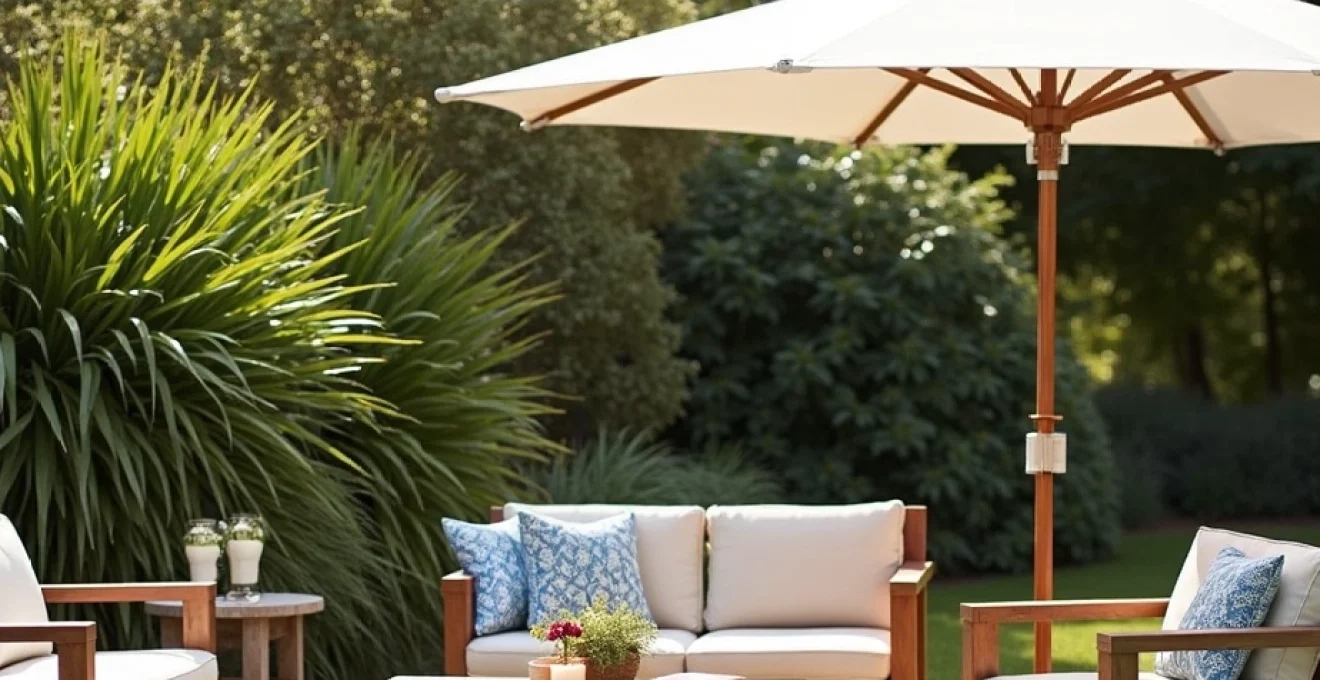
Creating an inviting outdoor space begins with selecting and styling the right furniture pieces, and outdoor benches serve as both functional seating solutions and design focal points. The transformation of a simple garden bench into a stunning centrepiece requires careful consideration of materials, comfort features, and aesthetic elements that withstand the elements while enhancing your outdoor environment.
Modern outdoor bench styling has evolved far beyond basic functionality, incorporating advanced materials science, ergonomic design principles, and sophisticated weatherproofing technologies. Today’s homeowners expect outdoor furniture that delivers restaurant-quality comfort whilst maintaining pristine appearance through multiple seasons of exposure to UV radiation, moisture, and temperature fluctuations.
The art of outdoor bench styling encompasses multiple disciplines, from material engineering to landscape architecture, creating opportunities for personalisation that reflect individual tastes whilst addressing practical outdoor living requirements. Whether you’re designing a contemporary minimalist patio or a traditional cottage garden setting, understanding the technical aspects of outdoor furniture styling enables you to make informed decisions that balance durability , comfort, and visual impact.
Weather-resistant material selection for outdoor bench styling
Selecting appropriate materials forms the foundation of successful outdoor bench styling, as these decisions directly impact both longevity and maintenance requirements. The harsh outdoor environment presents unique challenges that indoor furniture never encounters, including UV degradation, thermal expansion cycles, and moisture penetration that can compromise structural integrity over time.
Teak wood treatment and maintenance protocols
Teak remains the gold standard for outdoor wooden furniture due to its natural oil content that provides inherent water resistance and pest deterrence. The dense grain structure of properly seasoned teak develops a beautiful silver-grey patina when left untreated, though many homeowners prefer to maintain the original golden colour through regular application of teak oil treatments.
Professional-grade teak treatment involves initial sanding with 120-grit paper followed by progressively finer grades up to 220-grit, ensuring optimal oil penetration. Marine-grade teak oil should be applied in thin, even coats during overcast conditions to prevent rapid evaporation and uneven absorption patterns that can create blotchy appearances.
Powder-coated aluminium frame durability standards
Powder-coated aluminium frames offer exceptional strength-to-weight ratios whilst providing superior corrosion resistance compared to traditional steel alternatives. The electrostatically applied powder coating creates a uniform barrier that prevents oxidation whilst offering extensive colour customisation options to complement existing outdoor décor schemes.
Quality powder coating processes utilise polyester or polyurethane-based formulations with thickness measurements ranging from 60-120 microns for optimal durability. The curing process requires precise temperature control at 180-200°C for 15-20 minutes, creating cross-linked molecular bonds that resist chipping, fading, and chemical degradation from environmental exposure.
HDPE recycled plastic weather performance metrics
High-density polyethylene (HDPE) recycled plastic lumber represents a sustainable alternative that mimics traditional wood aesthetics whilst eliminating maintenance requirements. This material demonstrates exceptional dimensional stability across temperature ranges from -40°C to +70°C, making it suitable for extreme climate applications without warping or splitting concerns.
Laboratory testing indicates HDPE maintains 95% of its original strength after 10 years of continuous UV exposure, with colour fade rates below 5 Delta E units using Hunter Lab measurement standards. The non-porous surface structure prevents moisture absorption, eliminating concerns about mould, mildew, or insect infestations that commonly affect natural wood products.
Marine-grade stainless steel hardware integration
Marine-grade stainless steel hardware ensures secure assembly connections that withstand coastal salt spray environments and industrial pollution exposure. Grade 316 stainless steel contains molybdenum additives that enhance corrosion resistance beyond standard Grade 304 specifications, providing superior performance in aggressive atmospheric conditions.
Proper hardware selection includes consideration of galvanic compatibility between dissimilar metals to prevent electrochemical corrosion. Isolation techniques using nylon washers or marine sealants create barriers between aluminium frames and steel fasteners, extending service life and maintaining aesthetic appearance throughout extended exposure periods.
Uv-resistant resin wicker weaving techniques
Contemporary resin wicker utilises high-density polyethylene strands with UV stabilising additives that maintain flexibility and colour integrity through multiple seasons of direct sunlight exposure. Advanced weaving patterns incorporate variable strand thickness to create visual texture whilst maintaining structural uniformity across stress concentration points.
Professional installation techniques require proper strand tensioning to prevent loosening during thermal expansion cycles, with recommended tensioning forces ranging from 15-25 pounds depending on strand diameter and weave pattern complexity. Quality resin wicker maintains its original appearance for 5-7 years before requiring aesthetic refreshment through professional cleaning and re-tensioning procedures.
Ergonomic cushioning systems and upholstery solutions
Transforming outdoor benches from basic seating into comfortable relaxation zones requires sophisticated cushioning systems engineered specifically for exterior applications. Traditional indoor cushioning materials fail rapidly when exposed to moisture, UV radiation, and temperature extremes, necessitating specialised foam formulations and fabric technologies designed for outdoor performance standards.
Quick-dry foam density specifications for outdoor use
Open-cell foam technology revolutionises outdoor cushion performance by allowing rapid water drainage whilst maintaining comfortable support characteristics. Recommended foam density specifications range from 1.8-2.2 pounds per cubic foot, providing optimal balance between support and water evacuation capabilities that prevent mould and mildew development.
Advanced foam formulations incorporate antimicrobial treatments and mildew-resistant additives that extend service life in high-humidity environments. Compression set testing demonstrates quality outdoor foams retain 80% of their original thickness after 22 hours under 50% compression at 23°C, ensuring long-term comfort performance that justifies initial investment costs.
Professional outdoor furniture specialists recommend foam replacement every 3-4 years in high-use applications to maintain optimal comfort levels and prevent hygiene concerns associated with accumulated moisture and debris.
Sunbrella fabric grade selection and colourfast testing
Sunbrella solution-dyed acrylic fabrics represent the industry standard for outdoor upholstery applications, offering exceptional fade resistance and easy maintenance characteristics. The solution-dyeing process integrates colour throughout the fibre structure rather than surface application, providing superior colourfast performance that maintains vibrant appearance through extended UV exposure.
Grade selection considers both aesthetic preferences and performance requirements, with marine-grade options offering enhanced mildew resistance for coastal applications. AATCC Test Method 16 evaluates fade resistance using standardised xenon arc exposure equivalent to 5 years of outdoor exposure, with Sunbrella fabrics typically achieving Grade 4-5 ratings indicating minimal colour change.
Waterproof membrane integration beneath cushion covers
Waterproof membrane technology provides additional protection for foam cores whilst allowing vapour transmission that prevents condensation buildup. Medical-grade polyurethane membranes offer optimal balance between water protection and breathability, with moisture vapour transmission rates ranging from 300-500 grams per square metre per 24 hours.
Installation techniques require careful attention to seam sealing and membrane orientation to prevent water penetration whilst maintaining airflow pathways. Professional membrane systems incorporate drain channels that direct accumulated moisture away from foam cores, extending cushion life and preventing odour development in high-humidity environments.
Tie-down fastening systems for wind resistance
Secure cushion attachment prevents wind displacement whilst allowing easy removal for cleaning and storage requirements. Professional-grade tie-down systems utilise marine-grade webbing with quick-release buckles rated for 150-pound breaking strength, ensuring secure attachment without damaging cushion covers during removal procedures.
Strategic attachment point placement distributes wind loads evenly across cushion surfaces, preventing stress concentration that can damage foam cores or fabric covers. Wind tunnel testing demonstrates properly secured cushions withstand sustained winds up to 45 mph without displacement, providing peace of mind during severe weather events.
Seasonal styling adaptations and accessory integration
Successful outdoor bench styling adapts to seasonal changes through strategic accessory integration that maintains comfort and visual appeal throughout the year. This approach allows homeowners to refresh their outdoor spaces without complete furniture replacement, creating dynamic environments that reflect seasonal preferences whilst maintaining functional utility.
Removable lumbar support pillow configurations
Ergonomic lumbar support systems enhance comfort during extended seating periods whilst providing opportunities for seasonal colour coordination and texture variation. Removable pillow configurations allow easy cleaning and storage whilst offering customisation options that reflect changing design preferences throughout the year.
Professional lumbar support design incorporates memory foam cores with gel-infused cooling layers that regulate temperature and provide consistent support characteristics. Pillow dimensions should complement bench proportions, with recommended sizes ranging from 12″x18″ for compact benches to 16″x24″ for larger seating configurations that accommodate multiple users comfortably.
Coordinated outdoor throw selection for temperature control
Seasonal throw selection provides both aesthetic enhancement and practical temperature regulation during cooler months or evening entertaining. Outdoor-rated throw blankets utilise synthetic fibres or treated natural materials that resist moisture whilst providing warmth and visual softness to complement harder furniture surfaces.
Strategic colour coordination creates cohesive design schemes that integrate bench styling with broader landscape elements. Complementary colour relationships based on traditional colour wheel principles enhance visual appeal whilst providing flexibility for seasonal updates that maintain design continuity throughout changing environmental conditions.
Integrated storage compartment design for seasonal items
Built-in storage solutions maximise space efficiency whilst providing convenient access to seasonal accessories, cushion covers, and maintenance supplies. Waterproof storage compartments protect valuable items from moisture whilst maintaining clean aesthetic lines that complement overall bench design themes.
Storage compartment design considerations include drainage systems that prevent water accumulation and ventilation features that promote air circulation. Professional installations incorporate gas-assisted lid supports rated for 1000+ operation cycles, ensuring smooth operation and extended hardware life that justifies initial investment costs.
Modular side table attachment systems
Modular side table systems expand functionality without compromising aesthetic appeal or space efficiency. Professional-grade attachment mechanisms utilise marine-grade hardware that provides secure connections whilst allowing easy reconfiguration for changing use requirements and seasonal storage needs.
Side table design should complement bench styling through material coordination and proportional harmony, with recommended surface areas ranging from 12″x12″ for beverage service to 16″x20″ for dining applications. Weight capacity specifications should accommodate anticipated loads with appropriate safety margins, typically ranging from 25-50 pounds depending on attachment method and material selection.
Expert landscape designers recommend modular accessories that maintain visual continuity whilst providing functional flexibility, allowing homeowners to adapt their outdoor spaces for different activities and seasonal requirements.
Landscape architecture principles for bench placement
Strategic bench placement transforms outdoor furniture from simple seating into integral landscape elements that enhance spatial flow and create natural gathering points. Professional landscape architects apply established design principles that consider sight lines, traffic patterns, and environmental factors to optimise both functionality and aesthetic impact within existing garden contexts.
Proper bench positioning considers solar orientation to maximise comfort during preferred usage times whilst providing shelter from prevailing winds and weather conditions. Microclimate assessment identifies optimal locations that balance natural shade patterns with desired sun exposure, creating comfortable environments throughout extended daily use periods.
Visual balance principles guide placement decisions that create focal points without overwhelming existing landscape features. Professional installations consider proportional relationships between bench dimensions and surrounding elements, ensuring harmonious integration that enhances rather than disrupts established garden design themes and circulation patterns.
Accessibility considerations ensure bench placement accommodates users with varying mobility requirements whilst maintaining design integrity. Approach pathways should provide firm, level surfaces with appropriate clearances for wheelchair access and walking aids, demonstrating inclusive design principles that welcome all garden visitors.
Drainage assessment prevents water accumulation around bench locations during heavy rainfall events, protecting both furniture and users from moisture-related concerns. Professional site preparation includes grading adjustments and drainage improvements that maintain dry conditions whilst preserving natural landscape character and established planting schemes.
Experienced garden designers emphasise that successful bench placement creates natural rest points along garden pathways, encouraging exploration and contemplation whilst providing comfortable vantage points for enjoying landscape features and seasonal changes.
Protective coating applications and surface treatments
Advanced protective coating systems extend outdoor bench life whilst maintaining aesthetic appeal through multiple seasons of environmental exposure. Modern coating technologies utilise nanotechnology and polymer science to create invisible barriers that repel moisture, prevent UV degradation, and resist staining from organic materials commonly encountered in outdoor environments.
Ceramic-based coating formulations provide superior hardness characteristics that resist scratching from windborne debris whilst maintaining transparent appearance that preserves natural material beauty. Application procedures require precise surface preparation including degreasing and light abrasion to ensure optimal adhesion characteristics that prevent premature coating failure.
Hydrophobic treatment systems create water-repellent surfaces that promote rapid moisture evacuation whilst preventing deep penetration that can cause swelling, cracking, or dimensional instability. Professional-grade treatments maintain effectiveness for 2-3 years under normal exposure conditions, with reapplication requirements clearly defined by manufacturer specifications and environmental factors.
Anti-microbial coating additives prevent mould and mildew development on treated surfaces, maintaining hygienic conditions and preventing discolouration that degrades aesthetic appearance. These treatments prove particularly valuable in humid climates where organic growth can compromise both appearance and structural integrity of outdoor furniture materials.
Specialised application techniques ensure uniform coverage and optimal penetration depth for maximum protection effectiveness. Professional contractors utilise spray application systems that provide consistent film thickness whilst minimising overspray and material waste, achieving superior results compared to brush application methods that can create uneven surface texture and appearance variations.