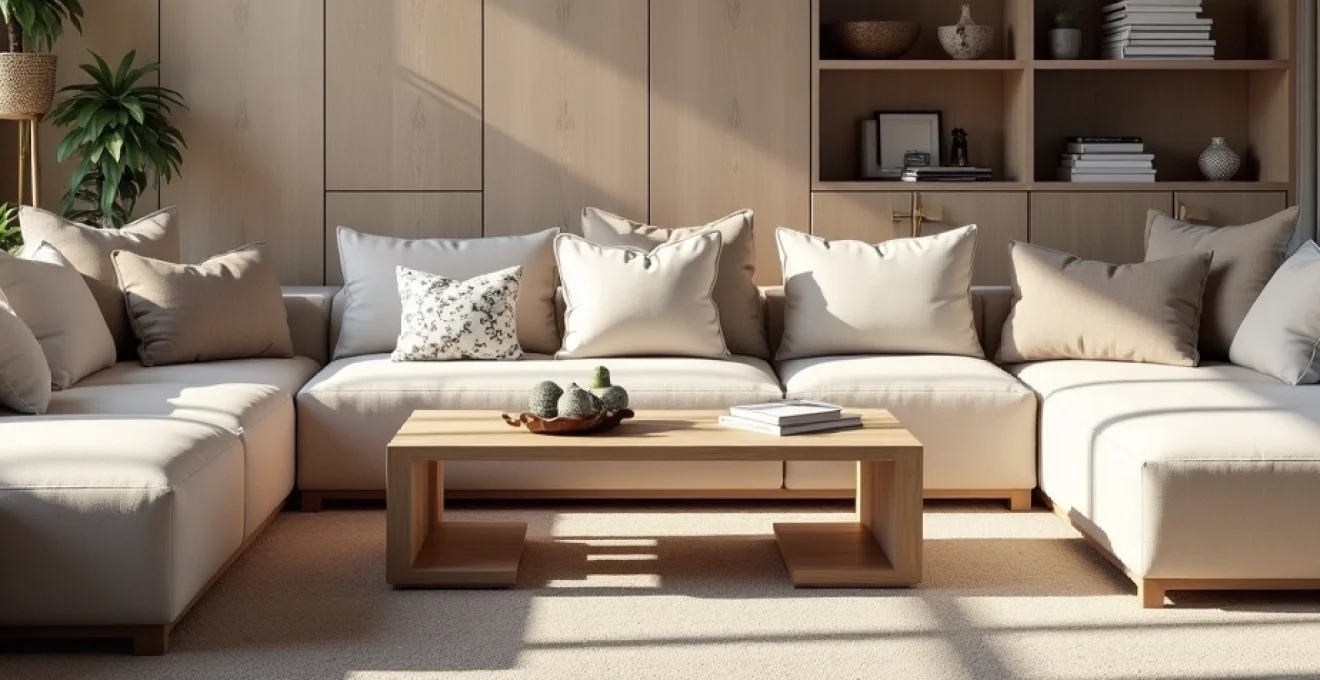
Creating a living space that seamlessly marries functionality with aesthetic appeal represents one of the most rewarding challenges in interior design. The art of selecting décor items that serve dual purposes—enhancing both the visual harmony and practical utility of your home—requires a sophisticated understanding of design principles, material properties, and human behaviour patterns. When executed thoughtfully, this approach transforms ordinary rooms into extraordinary environments that not only captivate the eye but also enhance daily life through intelligent design solutions.
The contemporary design landscape has witnessed a significant shift towards purposeful minimalism , where every element serves multiple functions whilst contributing to the overall aesthetic narrative. This philosophy extends beyond mere space-saving; it embodies a holistic approach to living that values quality over quantity and celebrates the intersection of form and function. Modern homeowners increasingly seek investments that deliver both immediate visual impact and long-term practical value, making the selection process more nuanced and strategic than ever before.
Functional design principles for Dual-Purpose interior elements
The foundation of successful dual-purpose interior design lies in understanding the fundamental principles that govern how spaces function and how users interact with their environments. Effective dual-purpose elements operate on multiple levels simultaneously, serving immediate practical needs whilst contributing to the broader aesthetic composition of the room. This requires careful consideration of scale, proportion, and contextual relevance within the existing design framework.
Modern design theory emphasises the importance of adaptive functionality , where objects can transform or reconfigure to meet changing needs throughout the day or across seasons. This principle acknowledges that contemporary living spaces must accommodate diverse activities within limited square footage, making versatility a crucial selection criterion. The most successful dual-purpose items anticipate user needs and provide solutions that feel intuitive rather than forced or contrived.
Multi-functional furniture selection using scandinavian design philosophy
Scandinavian design philosophy offers perhaps the most refined approach to multi-functional furniture selection, emphasising clean lines, natural materials, and purposeful simplicity. This design tradition recognises that true functionality emerges from thoughtful restraint rather than excessive embellishment. When selecting multi-functional pieces, prioritise items that maintain their aesthetic integrity regardless of their current configuration or use.
The Scandinavian approach to furniture selection emphasises honest materials and construction methods that celebrate rather than disguise the item’s multiple functions. Consider pieces where the storage compartments, folding mechanisms, or modular components enhance rather than compromise the overall design aesthetic. Quality craftsmanship ensures that these mechanisms operate smoothly over time, maintaining both functionality and visual appeal throughout extended use.
Space optimisation techniques through modular storage solutions
Modular storage systems represent the pinnacle of space optimisation, offering unprecedented flexibility in configuration whilst maintaining visual coherence. These systems excel in environments where storage needs fluctuate or where spatial constraints require creative solutions. The key to successful modular storage lies in selecting components that can grow and adapt with changing requirements whilst maintaining architectural harmony.
Contemporary modular systems integrate seamlessly with existing architectural features, often appearing as built-in elements rather than afterthought additions. When evaluating modular options, consider the long-term adaptability of the system and its ability to accommodate different types of belongings. The most effective solutions offer a variety of compartment sizes and configurations, allowing for both concealed storage and display opportunities.
Ergonomic considerations in aesthetically pleasing seating arrangements
Ergonomic seating that maintains aesthetic appeal requires careful attention to both human physiology and visual composition. The challenge lies in selecting pieces that provide optimal support and comfort whilst contributing positively to the room’s design narrative. Modern ergonomic design has evolved significantly, offering solutions that integrate seamlessly with various aesthetic styles without compromising postural health.
The most successful ergonomic seating combines scientifically-informed support structures with materials and finishes that enhance rather than detract from the overall design scheme. Consider how seating pieces interact with other elements in the room, ensuring that their ergonomic features complement rather than clash with the established aesthetic direction. Quality ergonomic design should feel natural and unforced, supporting the body whilst engaging the eye.
Load-bearing decorative elements for structural enhancement
Load-bearing decorative elements represent sophisticated design solutions that merge structural necessity with aesthetic opportunity. These elements, including decorative columns, exposed beams, and architectural screens, serve essential structural functions whilst contributing significantly to the spatial character. The selection of such elements requires collaboration between structural engineers and design professionals to ensure both safety and visual impact.
When incorporating load-bearing decorative elements, consider their relationship to the overall architectural language of the space. These components should feel integral to the design rather than applied afterthoughts. The most successful examples celebrate their structural function through material choice and proportional relationships, creating focal points that enhance both spatial definition and visual interest.
Material selection strategies for durability and visual appeal
The intersection of durability and visual appeal in material selection represents a critical decision point that influences both immediate satisfaction and long-term value. High-performance materials that maintain their aesthetic qualities under regular use require careful evaluation of inherent properties, maintenance requirements, and aging characteristics. The goal is to identify materials that improve with age rather than deteriorate, developing patina and character that enhance their visual appeal over time.
Contemporary material science offers unprecedented options for combining performance with beauty, yet this abundance can complicate the selection process. Understanding the relationship between material properties and intended use becomes crucial for making informed decisions. Consider how materials will perform under specific environmental conditions, user interactions, and maintenance regimens. The most successful selections balance immediate visual impact with proven long-term performance characteristics.
Natural stone applications in High-Traffic decorative features
Natural stone offers unparalleled durability and timeless aesthetic appeal in high-traffic applications, making it an ideal choice for decorative features that must withstand constant use whilst maintaining visual impact. The key to successful stone selection lies in understanding the specific properties of different stone types and matching these characteristics to intended applications. Hardness ratings, porosity levels, and slip resistance all factor into the decision-making process.
The inherent beauty of natural stone lies not only in its visual characteristics but in its ability to develop character through use, creating surfaces that tell the story of daily life whilst maintaining structural integrity.
Consider the maintenance implications of different stone types, as some require more frequent sealing or specialised cleaning procedures. The most practical selections offer the desired aesthetic qualities whilst fitting comfortably within your maintenance preferences and capabilities. Quality stone installation ensures optimal performance and longevity, making professional installation a worthwhile investment.
Engineered wood finishes for Moisture-Resistant decorative panels
Engineered wood products have revolutionised decorative panelling applications, offering superior moisture resistance and dimensional stability compared to traditional solid wood options. These materials excel in environments where humidity fluctuations or occasional moisture exposure could compromise natural wood performance. Modern manufacturing techniques produce engineered products with authentic wood aesthetics and enhanced performance characteristics.
The selection of appropriate engineered wood finishes requires understanding the specific performance requirements of the intended application. Consider factors such as moisture exposure levels, temperature fluctuations, and expected traffic patterns. High-quality engineered products offer the warmth and visual richness of natural wood whilst providing enhanced durability and reduced maintenance requirements.
Metal patina techniques for Industrial-Chic functional accessories
Metal patina finishes offer sophisticated aesthetic solutions for industrial-chic functional accessories, providing both visual interest and enhanced durability through controlled oxidation processes. These finishes celebrate the natural aging process of metals whilst offering protection against uncontrolled corrosion. The key to successful patina application lies in selecting appropriate base metals and finishing techniques that align with both aesthetic goals and performance requirements.
Contemporary patina techniques allow for precise control over colour development and texture characteristics, enabling customisation that complements existing design elements. Consider how patinated finishes will interact with lighting conditions throughout the day, as these surfaces respond dynamically to changing illumination. Quality patina work requires professional application to ensure consistent results and long-term stability.
Textile performance ratings for upholstery and soft furnishings
Understanding textile performance ratings becomes crucial when selecting upholstery and soft furnishings that must balance aesthetic appeal with practical durability. Modern textile testing provides comprehensive data on abrasion resistance, colour fastness, and cleanability, enabling informed comparisons between different fabric options. These ratings help predict how fabrics will perform under specific use conditions and maintenance regimens.
High-performance textiles increasingly offer sophisticated aesthetic qualities that rival traditional decorative fabrics whilst providing superior durability and maintenance characteristics. Consider how fabric performance ratings align with your specific use patterns and maintenance preferences. The investment in higher-performance textiles often proves economical over time through reduced replacement frequency and maintenance requirements.
Lighting design integration for ambience and task performance
Lighting design represents perhaps the most transformative aspect of creating spaces that balance practicality with beauty, offering the unique ability to alter spatial perception and functional capability through careful fixture selection and placement strategies. The integration of ambient and task lighting requires sophisticated understanding of how different light qualities affect both visual comfort and aesthetic atmosphere. Modern lighting technology provides unprecedented control over colour temperature, intensity, and distribution patterns, enabling precise customisation for specific activities and moods.
The layering of lighting types creates depth and flexibility within spaces, allowing the same environment to serve multiple functions throughout different times of day or various activities. Consider how natural light patterns change throughout seasons and how artificial lighting can complement or supplement these variations. The most effective lighting designs anticipate user needs and provide intuitive controls that make light adjustment effortless and natural.
Contemporary LED technology offers remarkable energy efficiency and longevity whilst providing extensive customisation options for both colour temperature and intensity control. Smart lighting systems enable automated adjustments based on time of day, occupancy patterns, or specific activity requirements. When selecting lighting fixtures, consider both their performance characteristics and their contribution to the overall aesthetic composition, ensuring that fixtures enhance rather than compete with other design elements.
The relationship between lighting and material selection becomes particularly important when considering how different surfaces reflect and absorb light. Matte finishes diffuse light softly, creating gentle ambient illumination, whilst glossy surfaces can create dramatic highlights and reflections. Understanding these interactions enables strategic material and lighting combinations that enhance both functionality and visual appeal through carefully orchestrated light play .
Colour psychology applications in practical room planning
Colour psychology plays a fundamental role in creating spaces that support both emotional well-being and practical functionality, influencing everything from perceived room size and temperature to user behaviour patterns and energy levels. The strategic application of colour psychology principles enables designers to create environments that actively support intended activities whilst maintaining visual harmony and aesthetic appeal. Understanding how different colours affect human perception and behaviour becomes crucial for making informed decisions about paint selections, material colours, and accent elements.
The psychological effects of colour extend beyond simple emotional responses to include measurable impacts on productivity, relaxation, and social interaction patterns. Warm colours tend to create intimate, energising environments that encourage activity and conversation, whilst cool colours promote calm focus and contemplation. The key lies in selecting colour palettes that align with the intended use of each space whilst maintaining cohesive flow throughout the home.
Natural light exposure significantly influences colour perception throughout the day, making it essential to evaluate colour choices under various lighting conditions before making final selections. North-facing rooms may benefit from warmer colour palettes to counteract cool natural light, whilst south-facing spaces can accommodate cooler colours without feeling stark or unwelcoming. Consider how artificial lighting will interact with chosen colours during evening hours when natural light is unavailable.
The most successful colour applications create subconscious support for intended activities whilst maintaining visual interest and aesthetic coherence that enhances rather than distracts from daily life.
Contemporary colour theory recognises the importance of creating visual rest areas within active colour schemes, preventing sensory overload whilst maintaining engagement. This approach often involves using neutral base colours with carefully selected accent colours that provide energy and interest without overwhelming the senses. The 60-30-10 rule provides a practical framework for colour distribution, ensuring balanced compositions that feel both dynamic and restful.
Budget allocation framework for High-Impact decorative investments
Developing a strategic budget allocation framework for decorative investments requires careful analysis of cost-per-use ratios, longevity expectations, and potential return on investment across different categories of purchases. The most effective approach prioritises investments that deliver both immediate aesthetic impact and long-term value through durability and timeless appeal. This framework enables informed decision-making that balances aspirational design goals with practical financial constraints.
The concept of value engineering in interior design involves identifying opportunities to achieve maximum aesthetic and functional impact through strategic resource allocation. This approach often involves investing more heavily in foundational elements that have broad influence on the overall design outcome whilst finding creative, cost-effective solutions for accent pieces and seasonal elements. Understanding which elements provide the greatest visual and functional impact per pound spent enables more effective budget distribution.
Cost-per-use analysis for statement furniture pieces
Cost-per-use analysis provides objective criteria for evaluating significant furniture investments, particularly statement pieces that serve as focal points within room designs. This analytical approach considers not only the initial purchase price but also the expected lifespan, frequency of use, and maintenance costs associated with each piece. High-quality statement furniture that receives daily use often represents excellent value when evaluated over its expected service life.
The analysis should also consider intangible benefits such as aesthetic satisfaction, status value, and potential resale worth. Premium materials and construction methods typically command higher initial costs but often provide superior durability and aging characteristics that enhance long-term value. Consider how statement pieces will adapt to potential design evolution over time, ensuring that significant investments remain relevant and appealing as tastes and needs change.
ROI assessment methods for home renovation projects
Return on investment assessment for home renovation projects requires consideration of both financial returns and lifestyle enhancement benefits that may not have direct monetary equivalents. The most comprehensive ROI assessments evaluate potential property value increases, utility cost savings, maintenance cost reductions, and quality of life improvements. This holistic approach enables more accurate evaluation of project benefits beyond simple financial calculations.
Market research data indicates that certain renovation categories consistently deliver higher returns than others, with kitchen and bathroom updates typically providing the strongest financial returns. However, the relationship between investment amount and return percentage often follows diminishing returns curves, suggesting that mid-range updates frequently offer better ROI than luxury-level renovations. Consider local market conditions and buyer preferences when evaluating potential returns.
Value engineering principles in interior design procurement
Value engineering principles applied to interior design procurement focus on optimising the relationship between cost, quality, and performance across all purchasing decisions. This systematic approach evaluates alternative materials, suppliers, and design solutions to identify opportunities for cost reduction without compromising aesthetic or functional objectives. Effective value engineering often reveals innovative solutions that provide superior outcomes at reduced costs.
The process involves detailed analysis of material properties, manufacturing methods, and supply chain factors that influence both cost and quality. Consider lifecycle costs including maintenance, replacement frequency, and disposal considerations when evaluating alternatives. The most successful value engineering identifies opportunities to exceed original design intentions through creative problem-solving and strategic sourcing.
Maintenance requirements assessment for Long-Term aesthetic preservation
Comprehensive maintenance requirements assessment forms the cornerstone of sustainable aesthetic preservation, ensuring that decorative investments maintain their visual appeal and functional performance throughout their intended service life. This assessment process evaluates the specific maintenance needs of different materials, finishes, and construction methods, enabling informed decisions about long-term care requirements and associated costs. Understanding maintenance implications before purchase prevents unexpected burdens and ensures that aesthetic goals remain achievable over time.
The relationship between initial material costs and ongoing maintenance requirements often reveals surprising insights about total lifecycle expenses. Some higher-cost materials require minimal ongoing maintenance, whilst certain economical options demand frequent attention to maintain their appearance and performance. Developing realistic maintenance schedules and understanding required skills or professional services helps ensure that aesthetic standards remain achievable within practical constraints.
Professional maintenance services increasingly offer specialised expertise for specific material types and finishes, making previously high-maintenance options more accessible to homeowners who prefer to outsource technical care requirements. Consider the availability and cost of professional maintenance services in your area when evaluating materials that require specialised care. The investment in professional maintenance often proves economical compared to premature replacement costs resulting from inadequate care.
Seasonal maintenance requirements deserve particular attention in climates with significant weather variations, as exposure to temperature fluctuations, humidity changes, and UV radiation can accelerate deterioration of certain materials and finishes. Developing comprehensive seasonal maintenance routines helps preserve aesthetic quality whilst preventing minor issues from developing into major problems requiring expensive remediation. The most successful maintenance programs combine regular preventive care with prompt attention to emerging issues, maximising both aesthetic preservation and component longevity.