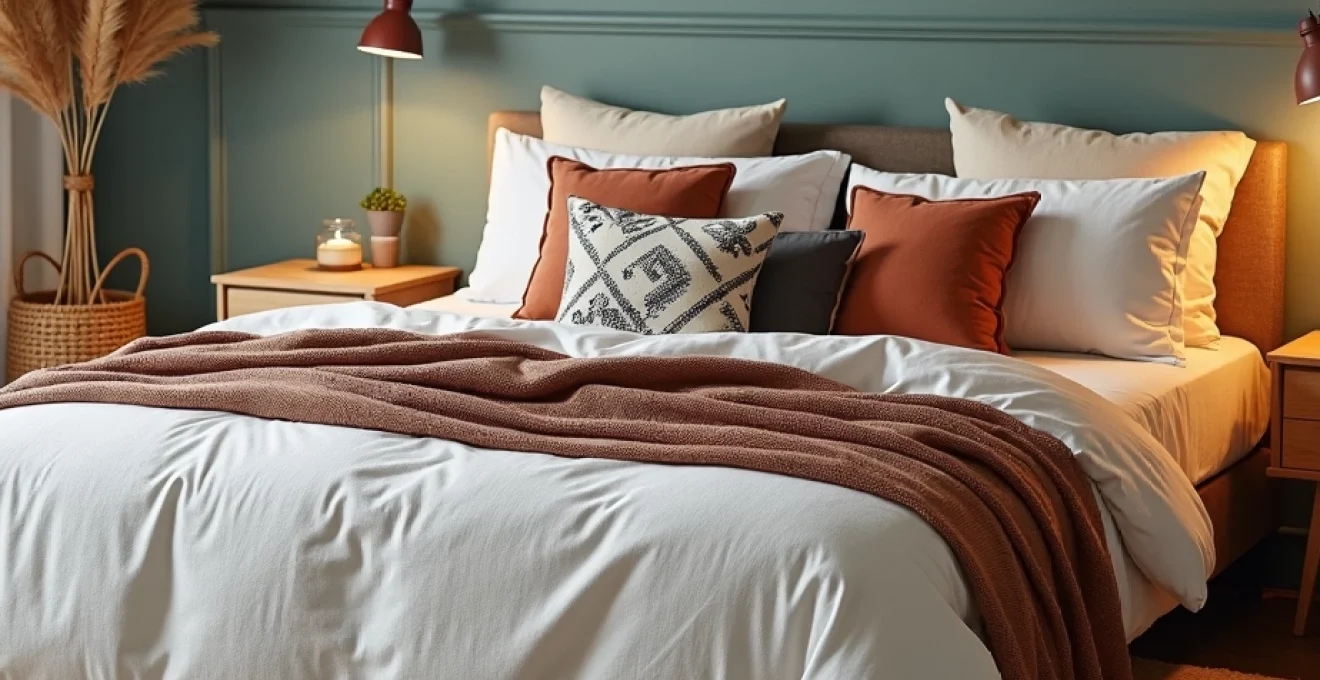
The art of seasonal textile rotation transforms living spaces with remarkable efficiency, creating fresh atmospheres without major renovations or substantial financial investment. This sophisticated approach to interior design leverages the psychological impact of fabrics, colours, and textures to mirror natural seasonal transitions whilst maintaining comfort and functionality throughout the year. Professional interior designers have long recognised that textiles serve as the most accessible pathway to dramatic room transformations, offering homeowners the flexibility to adapt their environments to changing weather patterns, personal preferences, and lifestyle requirements.
Seasonal textile rotation encompasses far more than simply swapping heavy blankets for lightweight throws. It represents a comprehensive strategy that considers fabric properties, storage solutions, colour psychology, and maintenance protocols to create cohesive, purposeful interior schemes. The practice has gained considerable momentum in recent years as sustainability-conscious consumers seek alternatives to frequent furniture replacement, whilst simultaneously addressing the growing desire for personalised, adaptable living spaces that reflect individual style preferences and seasonal moods.
Fabric weight classifications and seasonal transition strategies
Understanding fabric weight classifications forms the foundation of effective seasonal textile rotation systems. Professional interior designers categorise textiles based on their thermal properties, structural density, and seasonal appropriateness to create systematic approaches that maximise comfort whilst maintaining aesthetic appeal. The classification system enables homeowners to make informed decisions about which fabrics to introduce or remove during specific seasonal transitions, ensuring that room temperatures remain comfortable whilst supporting desired visual themes.
Heavyweight textiles: wool, velvet, and chenille for Autumn-Winter transitions
Heavyweight textiles serve as thermal regulators during colder months, providing both functional warmth and luxurious visual weight that creates cosy, intimate atmospheres. Wool fabrics , ranging from fine merino to robust tweeds, offer exceptional insulation properties whilst maintaining breathability that prevents excessive humidity buildup. These natural fibres possess inherent temperature-regulating capabilities that adapt to environmental changes, making them ideal for transitional periods when indoor temperatures fluctuate significantly.
Velvet fabrics introduce sophisticated elegance through their rich pile construction, which creates depth and visual interest whilst providing substantial thermal insulation. The fabric’s light-absorbing properties enhance warm colour palettes, creating intimate environments that complement autumn and winter lighting conditions. Chenille textiles combine the warmth benefits of heavyweight construction with tactile appeal that encourages physical interaction, making them particularly suitable for frequently used seating areas and bedding applications during colder seasons.
Lightweight materials: linen, cotton voile, and silk for Spring-Summer rotations
Lightweight materials facilitate air circulation and heat dissipation during warmer months, creating refreshing environments that counteract rising temperatures whilst maintaining visual appeal. Pure linen fabrics excel in hot, humid conditions due to their loose weave construction that promotes airflow whilst wicking moisture away from surfaces. The fabric’s natural tendency to wrinkle adds casual elegance that complements relaxed summer lifestyles, whilst its durability ensures longevity despite frequent washing requirements.
Cotton voile and similar sheer fabrics filter harsh sunlight whilst maintaining transparency that preserves natural illumination levels throughout living spaces. These materials create ethereal, floating effects that visually expand room dimensions whilst providing subtle privacy screening. Silk fabrics offer temperature adaptability that makes them suitable for transitional seasons, cooling skin contact during warm periods whilst providing gentle insulation when temperatures drop.
Mid-weight fabrics: cotton twill and linen blends for Year-Round flexibility
Mid-weight fabrics provide versatile solutions that bridge seasonal gaps, offering sufficient substance to create visual impact whilst remaining comfortable across varying temperature ranges. Cotton twill construction delivers durability and structure that maintains shape integrity despite frequent use, making these fabrics ideal for high-traffic applications such as sofa covers and curtain panels. The fabric’s moderate thermal properties provide gentle insulation without overwhelming warmth, supporting year-round usability with minor seasonal adjustments.
Linen blend fabrics combine the breathability advantages of pure linen with enhanced stability and wrinkle resistance provided by synthetic or cotton fibres. These blends offer practical solutions for households seeking low-maintenance options that retain natural fabric benefits whilst reducing care requirements. The balanced thermal properties make these materials suitable for layering systems that can be adjusted seasonally through addition or removal of supplementary textile elements.
Thread count considerations for seasonal bedding rotations
Thread count specifications significantly impact fabric performance characteristics, influencing breathability, durability, and thermal regulation properties that affect seasonal comfort levels. Higher thread counts create denser weaves that provide enhanced insulation and luxury feel, making them appropriate for winter bedding applications where warmth retention takes priority. However, these same properties can become problematic during summer months when heat dissipation becomes essential for comfortable sleep conditions.
Lower thread count fabrics facilitate air circulation through looser weave constructions, promoting cooling effects that enhance summer comfort whilst sacrificing some durability and luxury feel. Percale weaves with thread counts between 200-400 offer optimal balance for warm weather applications, providing crisp, hotel-like feel whilst maintaining breathability. Sateen weaves with higher thread counts suit cooler seasons through their heat-retaining properties and lustrous appearance that complements winter lighting conditions.
Thermal properties of natural vs synthetic fibres in room temperature management
Natural fibres possess inherent thermal regulation capabilities that synthetic alternatives cannot replicate, making them superior choices for seasonal rotation systems prioritising comfort and environmental adaptability. Wool fibres contain microscopic air pockets that trap warm air during cold conditions whilst releasing excess heat when temperatures rise, creating self-regulating thermal environments. Cotton fibres absorb moisture whilst maintaining breathability, preventing the clammy sensations associated with synthetic materials during warm, humid conditions.
Synthetic fibres offer consistent performance characteristics that resist environmental factors such as humidity and temperature fluctuations, making them suitable for applications requiring predictable behaviour. However, their inability to adapt to changing conditions often results in discomfort during seasonal transitions when natural materials would automatically adjust their thermal properties. Blended fabrics combining natural and synthetic fibres attempt to capture benefits from both categories, though compromises in performance typically occur.
Strategic storage solutions for textile rotation systems
Implementing effective storage solutions ensures textile longevity whilst maintaining organisation systems that facilitate smooth seasonal transitions. Professional storage methodologies protect fabric integrity during extended storage periods, preventing damage from moisture, pests, and improper handling that can render expensive textiles unusable. The investment in appropriate storage infrastructure pays dividends through extended textile lifecycles and reduced replacement costs, whilst ensuring that stored items emerge fresh and ready for immediate use when seasonal changes occur.
Under-bed storage configurations for bulky winter textiles
Under-bed storage maximises available space efficiency whilst providing convenient access to seasonally rotated textiles without requiring dedicated storage rooms or external facilities. Sliding drawer systems installed beneath bed frames create organised compartments that protect textiles from dust accumulation whilst enabling easy retrieval during transition periods. These systems work particularly well for bulky winter items such as comforters, heavy blankets, and wool throws that consume significant storage volume.
Breathable storage boxes designed for under-bed placement prevent moisture buildup that can lead to mildew formation whilst protecting contents from pest infiltration. Clear containers enable visual identification of stored items without requiring physical handling, reducing disturbance to carefully folded textiles. Platform bed designs with integrated storage compartments offer permanent solutions that eliminate the need for separate storage containers whilst maintaining bedroom aesthetics.
Vacuum compression techniques for maximising wardrobe space
Vacuum compression technology reduces textile storage volume by eliminating trapped air within fabric structures, creating space efficiency improvements of up to 80% for bulky items. Compression bags equipped with one-way valves enable air removal through standard household vacuum cleaners, creating compact packages that stack efficiently in limited storage areas. This technique proves particularly valuable for comforters, pillows, and winter blankets that otherwise consume disproportionate storage space.
However, compression techniques require careful consideration of fabric types to prevent permanent damage to delicate or structured materials. Natural fibres such as wool and silk can suffer compression damage that affects their thermal properties and appearance, making them unsuitable for extended vacuum storage. Cotton and synthetic blends typically tolerate compression better, though decompression time should be allowed before use to restore original loft and appearance characteristics.
Cedar-lined storage methods for natural fibre preservation
Cedar-lined storage containers provide natural pest deterrent properties whilst maintaining the gentle environmental conditions required for long-term natural fibre preservation. The aromatic compounds released by cedar wood repel moths, beetles, and other fabric-damaging insects without introducing chemical pesticides that can affect sensitive individuals or contaminate textiles. Cedar’s moisture-absorbing properties help maintain stable humidity levels that prevent mildew formation whilst avoiding excessive dryness that can make natural fibres brittle.
Cedar storage solutions range from simple cedar blocks placed within existing containers to custom-built cedar-lined wardrobes or storage rooms designed specifically for textile preservation. Cedar sachets offer portable options that can be distributed throughout storage containers to ensure comprehensive protection, whilst cedar hangers provide pest deterrent benefits for hanging garments. Regular cedar maintenance through light sanding refreshes aromatic properties that diminish over time.
Climate-controlled storage requirements for delicate fabrics
Delicate fabrics require precise environmental controls that maintain stable temperature and humidity levels to prevent deterioration during storage periods. Silk, cashmere, and fine wool textiles are particularly susceptible to environmental fluctuations that can cause fibre breakdown, colour fading, and structural damage that renders them unusable. Climate-controlled storage maintains consistent conditions that protect investment textiles whilst ensuring they remain in pristine condition for years of seasonal rotation.
Professional-grade climate control systems maintain temperatures between 60-70°F with relative humidity levels of 45-55%, creating optimal conditions for most textile types. Dehumidification systems prevent moisture-related damage whilst air circulation prevents stagnant conditions that encourage mold growth. Temperature stability prevents expansion and contraction cycles that can weaken fibre structures over time, particularly in blended fabrics where different materials respond differently to temperature changes.
Room-specific textile rotation methodologies
Different rooms require tailored approaches to textile rotation that consider their specific functions, usage patterns, and environmental conditions. Living rooms experience heavy use and varying lighting conditions that influence textile selection criteria, whilst bedrooms prioritise comfort and thermal regulation over durability concerns. Dining areas require textiles that withstand frequent cleaning cycles whilst maintaining elegant appearances for entertaining purposes. Understanding these distinct requirements enables targeted rotation strategies that optimise both functionality and aesthetic appeal.
Kitchen and bathroom environments present unique challenges due to elevated moisture levels and temperature fluctuations that can damage inappropriate textile choices. Quick-drying fabrics with antimicrobial properties work best in these locations, requiring more frequent rotation cycles to maintain hygiene standards. Home office spaces benefit from textiles that reduce glare and provide acoustic dampening whilst maintaining professional appearances suitable for video conferencing requirements.
Seasonal rotation timing varies between rooms based on their exposure to external environmental factors and usage intensity. South-facing rooms experience earlier seasonal temperature changes that necessitate proactive textile adjustments, whilst north-facing spaces may lag behind outdoor temperature changes by several weeks. High-traffic areas require more frequent rotation to maintain appearance standards, whilst guest rooms can operate on extended rotation cycles aligned with anticipated usage patterns.
Professional interior designers recommend creating room-specific textile inventories that track seasonal preferences and performance characteristics, enabling data-driven decisions about future rotation timing and fabric selections.
Colour psychology and pattern integration across seasonal palettes
Colour psychology plays a fundamental role in seasonal textile selection, influencing mood, perceived temperature, and overall comfort levels within living spaces. Research demonstrates that warm colours can increase perceived room temperature by up to 5 degrees, whilst cool colours create opposite effects that enhance comfort during hot weather. Understanding these psychological responses enables strategic colour deployment that supports seasonal comfort goals whilst maintaining aesthetic coherence throughout transition periods.
Warm-toned textiles: burgundy, ochre, and forest green for autumnal schemes
Warm-toned textiles create psychological warmth that compensates for reduced daylight hours and falling temperatures during autumn and winter months. Burgundy fabrics evoke feelings of luxury and sophistication whilst providing rich visual weight that anchors room designs during seasons when outdoor landscapes become sparse and colourless. The colour’s association with wine and harvest seasons creates subconscious comfort connections that enhance seasonal satisfaction.
Ochre and terracotta tones connect interior spaces with autumn foliage colours, creating harmonious relationships between indoor and outdoor environments. These earth-based colours possess grounding psychological effects that promote relaxation and stability during potentially stressful seasonal transitions. Forest green provides natural colour connections whilst offering sophisticated alternatives to traditional holiday colour schemes that can become overwhelming when used extensively.
Cool-toned fabrics: ice blue, seafoam, and lavender for spring refreshment
Cool-toned fabrics introduce psychological coolness that counteracts rising temperatures whilst creating fresh, clean atmospheres associated with spring renewal and summer relaxation. Ice blue textiles evoke associations with clear skies and cool water, providing visual relief from intense heat whilst creating calming environments that promote rest and relaxation. The colour’s recessive properties make rooms appear larger and more open, countering the closed-in feelings that can develop during winter months.
Seafoam green combines cooling blue undertones with refreshing green hues that connect interior spaces with natural growth and renewal themes. Lavender tones offer gentle sophistication that promotes relaxation whilst maintaining enough colour interest to prevent rooms from appearing washed out or sterile. These colours work particularly well in bedrooms and bathrooms where calming effects enhance functional purposes.
Neutral base layers: incorporating beige, grey, and cream for seamless transitions
Neutral base layers provide continuity between seasonal colour schemes whilst offering flexibility for accent colour integration that can be adjusted according to seasonal preferences. Beige tones warm neutral palettes without overwhelming seasonal accent colours, creating sophisticated backdrops that accommodate various decorative themes throughout the year. The colour’s versatility enables smooth transitions between warm and cool accent schemes without requiring complete textile replacement.
Grey textiles offer contemporary sophistication that complements both traditional and modern decorative styles whilst providing neutral foundations for seasonal colour experimentation. Cream fabrics create clean, fresh appearances that enhance natural light whilst providing enough warmth to prevent stark, institutional feelings. These neutral foundations reduce rotation costs by remaining appropriate across all seasons, requiring only accent textile changes to achieve seasonal transformations.
Pattern mixing techniques: combining florals, geometrics, and textures
Successful pattern mixing creates visual interest and depth whilst maintaining coherent design schemes that support seasonal themes without appearing chaotic or overwhelming. The key lies in varying pattern scales whilst maintaining consistent colour relationships that tie disparate elements together. Large-scale florals work well with small geometric patterns, creating balanced compositions that provide focal points without competing for attention.
Texture patterns add dimensional interest without introducing colour complexity that can complicate seasonal coordination efforts. Woven textures, embossed patterns, and pile variations create sophisticated layering opportunities that enhance both visual and tactile experiences. Mixing organic and geometric patterns creates dynamic tension that prevents rooms from appearing too formal or casual, whilst seasonal colour adjustments maintain thematic appropriateness throughout the year.
Professional textile care and maintenance protocols
Professional textile care extends fabric lifecycles significantly whilst maintaining appearance standards that justify seasonal rotation investments. Proper cleaning protocols before storage prevent stain setting and pest attraction that can destroy expensive textiles during extended storage periods. Regular maintenance scheduling ensures that textiles emerge from storage in pristine condition, ready for immediate use without requiring extensive rehabilitation efforts that can delay seasonal transitions.
Different fabric types require specific care approaches that consider their fibre composition, construction methods, and dye stability characteristics. Natural fibres typically require gentler handling and specific cleaning agents that preserve their inherent properties, whilst synthetic materials may tolerate more aggressive cleaning approaches. Blended fabrics present particular challenges as different fibres within the same textile may respond differently to cleaning treatments, requiring compromise approaches that protect the most vulnerable components.
Professional cleaning services offer expertise and equipment that surpass residential capabilities, particularly for delicate or expensive textiles that justify the investment in professional care. Steam cleaning, dry cleaning, and specialised spot treatment techniques can restore textiles that appear beyond salvation, whilst professional pressing restores structural integrity that home care methods cannot achieve. Establishing relationships with reliable textile care professionals provides access to expert advice regarding specific fabric care requirements and storage recommendations.
Industry experts estimate that proper care and storage protocols can extend textile lifecycles by 300-500%, making the investment in professional maintenance highly cost-effective for quality textile collections.
Preventive maintenance proves more cost-effective than corrective treatments, making regular inspection and minor repair protocols essential components of successful textile rotation systems. Small repairs addressed promptly prevent minor issues from developing into major damage that
requires replacement can result in total textile loss, making vigilant maintenance practices essential for long-term success.
Storage preparation protocols should include thorough cleaning, complete drying verification, and protective treatment application where appropriate. Moth prevention treatments using natural deterrents such as lavender sachets or cedar blocks provide ongoing protection without introducing harmful chemicals that can affect sensitive individuals. Documentation of storage dates and cleaning treatments enables tracking of textile condition over time, facilitating proactive maintenance scheduling that prevents deterioration.
Cost-effective rotation planning and budget management strategies
Strategic budget planning ensures sustainable textile rotation systems that provide maximum value without compromising quality or creating financial strain. Investment prioritisation focuses resources on high-impact textiles that dramatically transform room atmospheres, such as curtain panels and large area rugs that serve as foundational elements for seasonal schemes. Secondary purchases can include smaller accent pieces that complement primary investments whilst providing flexibility for style experimentation without major financial commitments.
Seasonal sales timing enables significant cost savings for textile rotation purchases, with end-of-season clearances offering premium fabrics at substantial discounts. Planning rotation needs twelve months in advance allows strategic purchasing during optimal pricing periods, building textile collections gradually whilst maintaining budget control. Off-season storage requirements should factor into total cost calculations, ensuring that storage investments remain proportional to textile values and rotation benefits achieved.
Multi-functional textile selections maximise value through versatility that spans multiple seasons or applications. Reversible fabrics offer two distinct colour schemes within single purchases, effectively doubling design options whilst minimising storage requirements. Layering systems enable gradual seasonal adjustments using existing textile collections, reducing the need for complete replacements whilst maintaining fresh seasonal appearances that respond to changing weather conditions and personal preferences.
Professional designers recommend allocating 15-20% of annual home improvement budgets toward textile rotation systems, recognising their disproportionate impact on overall interior satisfaction and seasonal comfort levels.
Quality over quantity principles ensure that initial investments in superior textiles provide better long-term value than frequent replacement of inferior materials. Premium fabrics typically offer enhanced durability, superior thermal properties, and maintained appearance standards that justify higher initial costs through extended usable lifecycles. Building textile collections gradually enables careful selection of pieces that truly enhance living environments rather than accumulating items that provide minimal benefit or quickly become outdated.
Cost tracking systems help evaluate rotation effectiveness whilst identifying areas for future optimisation. Recording purchase costs, maintenance expenses, and storage investments alongside satisfaction ratings enables data-driven decisions about future textile selections and rotation strategies. Successful rotation systems typically achieve break-even points within 18-24 months compared to frequent furniture replacement alternatives, whilst providing superior flexibility and personalisation opportunities that enhance long-term living satisfaction.
Textile rotation represents a sophisticated approach to interior design that maximises comfort, style, and value whilst minimising environmental impact and financial commitment. The systematic approach to fabric selection, storage, and seasonal transition creates dynamic living environments that respond naturally to changing needs and preferences throughout the year. Whether implementing comprehensive rotation systems or beginning with simple accent changes, the principles outlined provide frameworks for creating more adaptable, enjoyable living spaces that truly reflect individual lifestyles and seasonal rhythms.