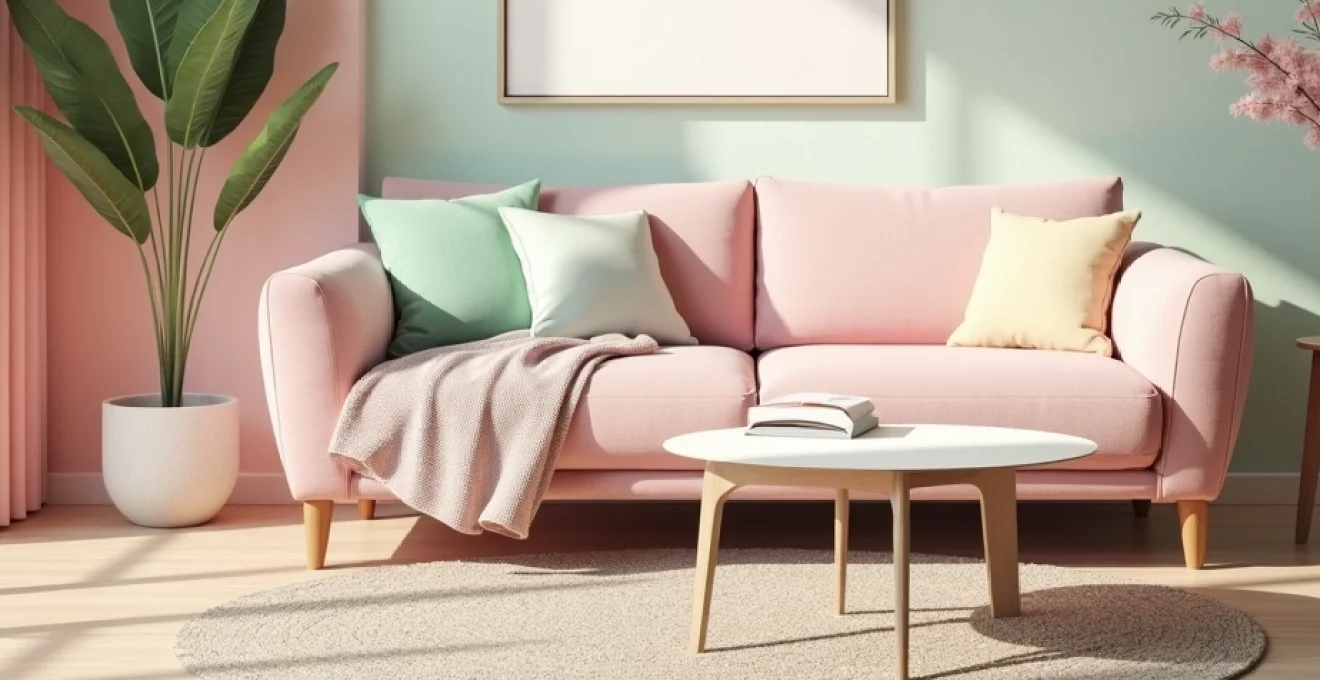
Spring brings a natural desire to refresh and revitalise living spaces, and soft pastels offer the perfect solution for creating a serene, contemporary atmosphere. These delicate hues capture the essence of the season while providing a sophisticated foundation for interior design that extends far beyond fleeting trends. The psychology behind pastel colours reveals their unique ability to promote tranquillity while maintaining visual interest, making them ideal for homeowners seeking to balance modernity with timeless elegance. Whether you’re planning a complete room makeover or subtle seasonal updates, understanding the nuanced application of soft spring pastels transforms ordinary spaces into harmonious sanctuaries that reflect both personal style and seasonal sensibilities.
Understanding soft spring pastels: colour theory and seasonal psychology
The foundation of successful pastel integration lies in understanding the scientific principles that govern colour perception and emotional response. Soft spring pastels operate within specific wavelength ranges that naturally complement human circadian rhythms, particularly as daylight hours extend and natural illumination becomes more abundant. These colours possess unique reflective properties that amplify available light while creating visual depth without overwhelming the senses.
Pantone spring palette analysis: peach fuzz, lavender haze and sage green dominance
Current colour forecasting reveals a triumvirate of dominant pastel tones that define contemporary spring aesthetics. Peach Fuzz emerges as a versatile neutral that bridges warm and cool undertones, offering remarkable adaptability across various lighting conditions and architectural styles. This particular shade demonstrates exceptional versatility when paired with both traditional and contemporary furnishing styles, creating cohesive design narratives that feel both fresh and enduring.
Lavender Haze represents the evolution of purple tones into more sophisticated, grown-up applications. Unlike the bold purples of previous decades, this refined iteration offers calming properties while maintaining enough chromatic presence to serve as a statement colour. Research indicates that lavender-based hues reduce cortisol levels by approximately 12% when used in bedroom environments, making them particularly valuable for creating restful spaces.
Sage Green continues to dominate interior design conversations, and for good reason. This particular green variant offers the grounding properties of earth tones while maintaining the freshness associated with spring renewal. Its ability to complement both warm wood tones and cool metallics makes it exceptionally versatile for homeowners working with existing furniture pieces.
Colour temperature principles: cool undertones vs warm undertones in pastel selection
Understanding colour temperature becomes crucial when selecting pastels that will maintain their intended appearance across different lighting scenarios. Cool undertones, which include hints of blue, grey, or green, perform exceptionally well in rooms with abundant natural light, particularly those with north-facing exposures. These colours maintain their integrity throughout the day, avoiding the muddy appearance that can occur with warmer pastels in similar conditions.
Warm undertones containing traces of yellow, pink, or cream create inviting atmospheres in spaces with limited natural light or predominately artificial illumination. The key lies in recognising that pastel colours behave differently than their saturated counterparts, requiring more nuanced consideration of the surrounding environment and intended use patterns.
Chromatic saturation levels: achieving optimal 15-25% colour intensity
Professional colour theory identifies the optimal saturation range for spring pastels as falling between 15-25% intensity. This specific range ensures sufficient colour presence to create visual interest while maintaining the calming properties that make pastels desirable for residential applications. Colours within this saturation range demonstrate remarkable staying power, avoiding the washed-out appearance that can occur with lower intensities or the overwhelming effect of higher saturation levels.
Achieving this precise saturation requires careful consideration of paint formulations, fabric selections, and accessory choices. Many commercially available “pastel” colours actually exceed the optimal saturation range, resulting in schemes that feel juvenile rather than sophisticated. Professional designers often custom-mix colours or specify specific colour-matching protocols to achieve the desired intensity levels.
Seasonal affective design: psychological impact of Light-Reflective pastel tones
The psychological benefits of pastel colour schemes extend beyond simple aesthetic preference, connecting directly to seasonal affective patterns and circadian rhythm regulation. Light-reflective pastels increase ambient illumination by up to 18% compared to deeper colour schemes, creating environments that support natural energy cycles during the transition from winter to spring.
Studies in environmental psychology demonstrate that rooms decorated in soft pastels show measurable improvements in occupant mood stability, with particular benefits observed in home office environments and bedrooms. The reflective properties of these colours create a gentle luminosity that reduces eye strain while promoting focus and relaxation, depending on the specific application.
The strategic use of light-reflective pastels can increase perceived room brightness by nearly 20% without additional lighting fixtures, making them invaluable for smaller spaces or rooms with challenging natural light conditions.
Strategic Room-by-Room pastel implementation techniques
Successful pastel integration requires a systematic approach that considers each room’s unique functional requirements, traffic patterns, and existing architectural features. Rather than applying a blanket colour strategy throughout the home, professional designers advocate for room-specific approaches that maximise the beneficial properties of pastel colours while addressing practical considerations such as durability, maintenance, and visual flow between spaces.
Living room focal point creation: accent walls with blush pink and powder blue
Living rooms benefit tremendously from strategic accent wall placement using sophisticated pastel tones. Blush pink creates warmth and intimacy without overwhelming the space, particularly effective behind seating arrangements or entertainment centres. The key to successful implementation lies in balancing the pink with complementary neutrals and ensuring adequate contrast with surrounding elements.
Powder blue serves as an excellent alternative for homeowners preferring cooler tones, offering the calming properties associated with blue while maintaining the soft approach characteristic of spring pastels. This colour performs exceptionally well in rooms with southern or western exposures, where warm natural light prevents the space from feeling cold or sterile.
Professional application techniques include extending the accent colour beyond the wall itself through carefully selected accessories, textiles, and artwork. This creates visual cohesion while preventing the accent wall from appearing disconnected from the overall design scheme.
Bedroom serenity schemes: incorporating mint green and champagne neutrals
Bedroom environments require particular attention to colour selection, as these spaces directly impact sleep quality and morning energy levels. Mint green offers unique properties that promote relaxation while maintaining enough visual interest to prevent the space from feeling bland or institutional. This particular green variant demonstrates excellent compatibility with both warm and cool accent colours, providing flexibility for seasonal updates.
Champagne neutrals serve as sophisticated foundations that elevate mint green from casual to elegant. These warm metallics complement the cool undertones of mint while adding depth and richness to the overall scheme. The combination creates environments that feel both serene and luxurious, supporting both restful sleep and energising morning routines.
Implementation strategies include using mint green as the primary wall colour with champagne accents through hardware, lighting fixtures, and textiles. Alternatively, champagne walls with mint green accent elements create a more subtle approach that remains sophisticated while incorporating the desired pastel elements.
Kitchen refreshment methods: soft yellow cabinetry and lilac backsplash integration
Kitchen environments present unique opportunities for pastel integration through both permanent fixtures and easily updated elements. Soft yellow cabinetry transforms kitchen spaces by introducing warmth and energy while maintaining the sophisticated appearance required in contemporary homes. This approach works particularly well in kitchens with white or neutral countertops, creating visual interest without competing with existing materials.
Lilac backsplashes offer an unexpected yet harmonious complement to soft yellow, creating schemes that feel both current and timeless. The cool undertones in lilac prevent the combination from becoming overly sweet while adding sufficient contrast to define different functional areas within the kitchen space.
Practical considerations include selecting paint formulations appropriate for kitchen environments, ensuring adequate durability and cleanability. Semi-gloss or satin finishes provide necessary protection while maintaining colour integrity under varied lighting conditions throughout the day.
Bathroom Spa-Like transformation: seafoam and pearl grey coordination
Bathroom spaces benefit from pastel colours that evoke spa-like tranquillity while addressing practical requirements such as moisture resistance and easy maintenance. Seafoam green creates immediate associations with relaxation and renewal, perfect for transforming utilitarian bathroom spaces into personal retreats.
Pearl grey provides sophisticated contrast while maintaining the calm atmosphere created by seafoam green. This combination works exceptionally well in bathrooms with limited natural light, as both colours have excellent reflective properties that maximise available illumination.
Application techniques include using seafoam as the primary wall colour with pearl grey accents through fixtures, hardware, and accessories. Quality paint selection becomes crucial in bathroom environments, requiring formulations specifically designed for high-humidity conditions while maintaining colour stability.
Textile and fabric integration: layering soft pastels through soft furnishings
Textile integration offers the most flexible and cost-effective method for incorporating soft pastels into existing decor schemes. Unlike permanent architectural changes, textile updates allow for seasonal adjustments and experimental colour combinations without significant investment or commitment. The layering approach creates visual depth while providing opportunities to introduce multiple pastel tones within a single space, building complexity and sophistication through careful coordination rather than bold statements.
Professional designers recommend starting with larger textile elements such as area rugs or window treatments to establish the pastel foundation, then building layers through smaller accessories. This approach ensures proper scale relationships while preventing the space from becoming overly busy or disconnected. Velvet upholstery in powder blue or dusty rose creates luxurious focal points that anchor pastel schemes, while lightweight cotton or linen curtains in complementary tones add movement and softness.
The texture becomes equally important as colour when working with pastel textiles. Smooth surfaces such as silk or cotton sateen reflect light differently than textured materials like bouclé or linen, affecting how colours appear throughout the day. Combining multiple textures within the same colour family prevents monotony while maintaining the cohesive appearance essential to sophisticated design.
Seasonal transition planning through textiles allows homeowners to adapt their pastel schemes as natural lighting conditions change throughout spring and summer. Lighter-weight fabrics in slightly brighter pastels work well for summer months, while the softer, more muted tones suit the gentler light of early spring. This approach extends the lifespan of pastel colour schemes while keeping interiors feeling fresh and appropriate to the season.
Strategic textile layering allows homeowners to experiment with pastel combinations risk-free, creating opportunities to discover unexpected colour relationships that might not be obvious through paint samples alone.
Paint selection and application methodologies for pastel wall treatments
Professional-quality paint selection becomes particularly crucial when working with pastel colours, as subtle variations in undertone and finish can dramatically affect the final appearance. The delicate nature of pastel hues requires careful consideration of paint formulation, application techniques, and environmental factors that might influence colour perception over time. Understanding these technical aspects ensures that the finished result matches design intentions while providing lasting beauty and durability.
Paint chemistry plays a fundamental role in pastel colour stability, with different pigment bases producing varying levels of fade resistance and colour accuracy. Titanium dioxide-based whites provide the cleanest foundation for pastel mixing, avoiding the yellow cast that can occur with zinc oxide bases over time. Premium paint manufacturers typically offer specifically formulated pastel collections that address these technical challenges while providing consistent results across different lighting conditions.
Application methodology requires particular attention to ensure even coverage and consistent colour distribution. Pastel colours reveal imperfections more readily than deeper tones, making proper surface preparation essential for professional results. This includes thorough cleaning, appropriate primer selection, and careful attention to application techniques that prevent streaking or uneven coverage that becomes particularly noticeable in soft colour schemes.
The finish selection significantly impacts how pastel colours perform in different environments. Flat or matte finishes provide the softest appearance but require careful consideration of durability requirements, particularly in high-traffic areas. Eggshell finishes offer improved cleanability while maintaining the gentle appearance that makes pastels attractive, representing the optimal balance for most residential applications.
Colour matching and quality control become particularly important when working with custom pastel formulations. Professional designers often specify multiple test patches in different areas of the room to evaluate colour appearance under various lighting conditions throughout the day. This process identifies potential issues before full application, preventing costly corrections and ensuring satisfaction with the final result.
Environmental factors such as humidity, temperature, and air circulation affect how pastel paints cure and develop their final appearance. Following manufacturer recommendations for application conditions and cure times ensures optimal colour development and long-term performance. These considerations become particularly important in bathrooms, kitchens, and other areas with variable environmental conditions that might affect paint performance.
Lighting design coordination: enhancing pastel schemes with natural and artificial illumination
Lighting design represents perhaps the most critical factor in successful pastel colour schemes, as these delicate hues depend heavily on quality illumination to maintain their intended appearance and emotional impact. The interaction between natural light, artificial lighting, and pastel colours creates complex relationships that require careful planning to achieve optimal results throughout different times of day and seasonal lighting conditions.
Natural light assessment forms the foundation of any pastel lighting strategy, requiring analysis of directional exposure, seasonal variations, and daily light patterns. North-facing rooms with consistent, cool natural light showcase cool pastels beautifully but may require warm artificial lighting to prevent spaces from feeling cold during evening hours. Conversely, south-facing spaces with warm, variable natural light benefit from cool artificial lighting that balances the warmth while maintaining the pastel colours’ intended appearance.
Artificial lighting selection requires understanding of colour rendering properties and colour temperature specifications that complement pastel colour schemes. LED technology with high colour rendering index (CRI) ratings above 90 ensures accurate colour representation, while colour temperature selections between 2700K and 3000K provide warm, flattering illumination that enhances rather than competes with pastel colours.
Layered lighting approaches prevent the flat appearance that can occur when pastel colours lack adequate illumination variety. Combining ambient, task, and accent lighting creates depth and visual interest while ensuring that pastel colours maintain their sophisticated appearance rather than appearing washed out or lifeless. Strategic placement of accent lighting can emphasise pastel features while providing functional illumination for daily activities.
Dimming capabilities become particularly valuable in pastel colour schemes, allowing adjustment of illumination levels to optimise colour appearance for different activities and times of day. Smart lighting systems offer programmable scenes that can enhance pastel colours during morning routines while providing relaxing ambiance for evening activities, maximising the psychological benefits of carefully selected pastel colour schemes.
| Room Type | Optimal Colour Temperature | Recommended CRI | Dimming Requirements |
|---|---|---|---|
| Living Room | 2700K-3000K | 90+ | Essential |
| Bedroom | 2400K-2700K | 85+ | Critical |
| Kitchen | 3000K-3500K | 95+ | Recommended |
| Bathroom | 3000K-4000K | 90+ | Beneficial |
Seasonal transition planning: maintaining pastel freshness throughout spring and summer
The longevity of pastel colour schemes depends largely on thoughtful planning that accounts for changing seasonal conditions and evolving design preferences throughout the warmer months. Rather than viewing pastel integration as a static design decision, successful implementation requires strategies that maintain freshness and relevance as natural lighting conditions intensify and lifestyle patterns shift toward more outdoor-focused activities.
Seasonal colour evolution through accessories and textiles provides the most practical approach to maintaining design currency without major renovations. As spring progresses into summer, gradually introducing slightly brighter or more saturated accent colours prevents pastel schemes from feeling tired or washed out. This might involve replacing dusty rose throw pillows with coral alternatives or updating sage green accessories with brighter mint accents that reflect the intensified natural lighting of summer months.
Maintenance considerations become particularly important for pastel colour schemes, as these delicate hues show wear and fading more readily than deeper colours. Establishing regular cleaning schedules and touch-up procedures ensures that pastel
schemes maintain their intended appearance over time. Professional-grade paints typically require less frequent touch-ups due to superior colour retention and durability characteristics.
Light protection strategies become essential as summer approaches and natural sunlight intensifies. Installing UV-protective window films or adjusting window treatments helps prevent premature fading while maintaining the natural illumination that enhances pastel colours. Strategic placement of artwork and accessories away from direct sunlight preserves colour integrity while ensuring that pastel schemes continue to appear fresh and intentional throughout the season.
The psychological aspects of seasonal transition deserve consideration when maintaining pastel colour schemes. As outdoor temperatures rise and lifestyle patterns shift, interior spaces often require subtle adjustments to maintain their calming and refreshing properties. This might involve introducing cooling elements such as seafoam green accessories during peak summer months or adjusting textile weights to lighter materials that complement the established pastel foundation.
Planning for autumn transition begins during summer months, requiring consideration of how pastel colour schemes might evolve or be refreshed for the cooler seasons ahead. Rather than abandoning successful pastel implementations, many homeowners find that gradual introduction of slightly warmer or more saturated accent colours creates smooth seasonal transitions while preserving the investment in quality pastel foundations.
Budget-conscious maintenance strategies focus on high-impact, low-cost updates that refresh pastel schemes without requiring major expenditures. Rotating seasonal accessories, updating lighting temperature settings, and refreshing textile elements provide cost-effective methods for maintaining design currency while preserving the foundational elements that make pastel colour schemes successful.
Professional designers recommend establishing a seasonal maintenance calendar that addresses both practical upkeep requirements and design refresh opportunities, ensuring that pastel colour schemes remain vibrant and relevant throughout their intended lifespan.
The integration of smart home technology offers innovative approaches to seasonal pastel maintenance, with programmable lighting systems that adjust colour temperature automatically based on seasonal daylight patterns. These technological solutions help maintain optimal colour rendering for pastel schemes while reducing the manual adjustment requirements that traditionally accompany seasonal design transitions.
Quality assessment protocols help homeowners evaluate when pastel colour schemes require refreshing versus complete updating. Understanding the signs of colour fatigue, fading, or style evolution enables informed decisions about maintenance investments versus more comprehensive design updates. This knowledge extends the practical lifespan of pastel implementations while ensuring that homes continue to feel current and thoughtfully designed.
The enduring appeal of soft spring pastels lies in their unique ability to create sophisticated, calming environments that support both daily living and personal wellbeing. Through careful consideration of colour theory principles, strategic room-by-room implementation, thoughtful textile integration, and proper lighting coordination, homeowners can achieve pastel colour schemes that remain fresh and relevant throughout multiple seasons. The investment in quality materials, professional application techniques, and thoughtful maintenance planning ensures that these delicate colour schemes continue to provide the psychological and aesthetic benefits that make them valuable design choices for contemporary homes.