Transforming your living space to reflect the changing seasons doesn’t require a complete interior overhaul or substantial financial investment. The art of seasonal home refreshing lies in making thoughtful, purposeful adjustments that capture the essence of each time of year whilst maintaining your home’s underlying character. Whether you’re drawn to the fresh botanical energy of spring, the relaxed coastal vibes of summer, the warm harvest tones of autumn, or the cosy minimalism of winter, strategic décor changes can dramatically alter your home’s atmosphere.
Seasonal decorating has evolved beyond traditional holiday themes to embrace a more sophisticated approach that celebrates natural cycles and seasonal moods. This transformation process involves careful consideration of colour palettes, textural elements, lighting arrangements, and natural materials that resonate with each season’s unique characteristics. By understanding these foundational principles, you can create a home that feels perpetually fresh and aligned with nature’s rhythm.
Spring botanical styling: fresh floral arrangements and natural textures
Spring represents renewal, growth, and the awakening of natural beauty after winter’s dormancy. This season calls for décor that celebrates fresh beginnings through botanical elements, soft colour palettes, and textures that evoke the gentle warmth of longer days. The key to successful spring styling lies in incorporating elements that feel organic, light, and purposefully refreshing.
Natural lighting becomes increasingly important during spring refreshes, as the season’s extended daylight hours offer opportunities to showcase your home’s brightened atmosphere. Consider how morning sunlight filters through windows and how you can maximise this natural illumination through strategic placement of mirrors and light-reflecting surfaces.
Creating tulip and daffodil centrepieces with mason jar vessels
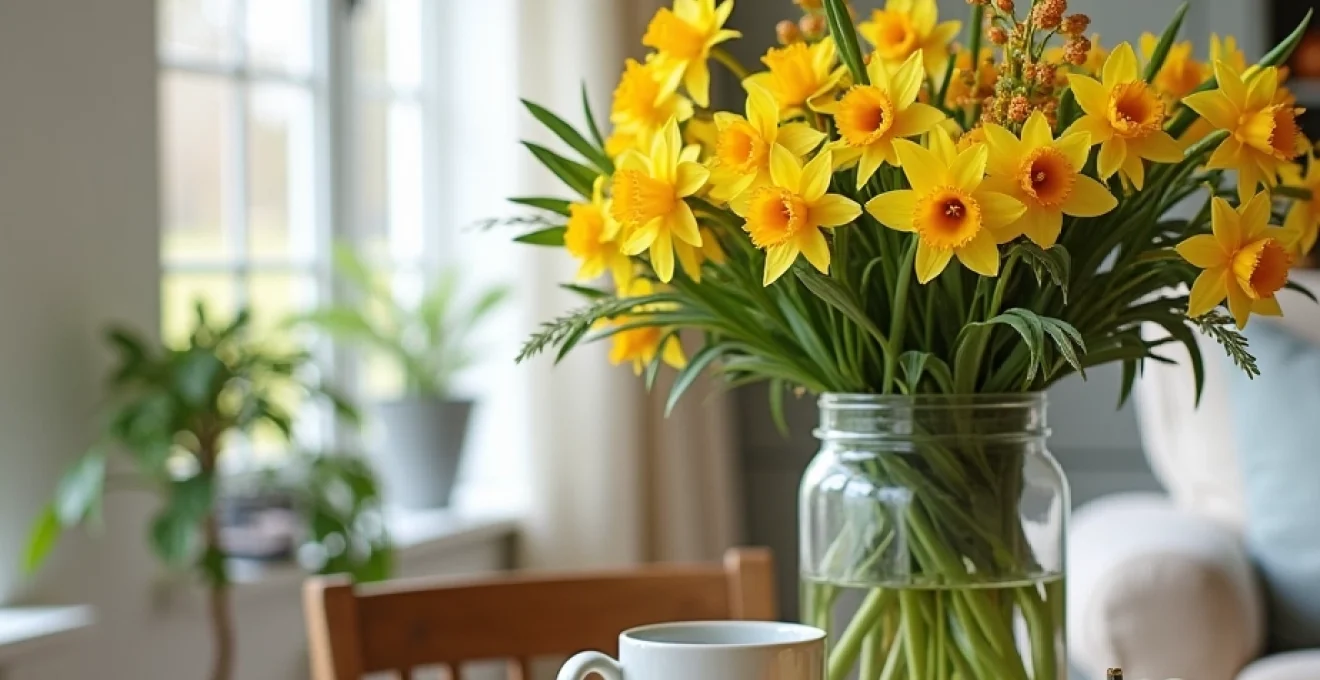
Mason jar arrangements offer an effortlessly charming approach to spring floral displays that perfectly captures the season’s casual elegance. These versatile containers provide the ideal backdrop for showcasing the delicate beauty of early spring bulbs whilst maintaining an accessible, approachable aesthetic that works across various interior styles. The key to creating stunning mason jar centrepieces lies in understanding proper proportions and colour coordination.
When selecting tulips and daffodils for your arrangements, choose stems at different stages of bloom to create visual interest and ensure longevity. Mix varieties with varying heights and petal formations—combine the classic cup shape of Darwin tulips with the ruffled edges of parrot varieties, or pair standard daffodils with delicate narcissus for textural contrast. The transparent nature of mason jars allows you to appreciate the entire stem structure, so ensure your flowers have clean, straight stems.
Incorporating cherry blossom branches for vertical display elements
Cherry blossom branches introduce dramatic vertical elements that transform ordinary spaces into sophisticated spring sanctuaries. These branches work particularly well in tall floor vases or large ceramic vessels, where their natural architecture can be fully appreciated. The delicate pink and white blooms create stunning focal points whilst their branching structure adds sculptural interest that complements both traditional and contemporary interiors.
For optimal display impact, select branches of varying lengths and arrange them asymmetrically to mimic natural growth patterns. Place your tallest branch slightly off-centre, then add shorter branches to create visual balance. This approach prevents arrangements from appearing too formal or contrived, maintaining the organic beauty that makes cherry blossoms so captivating.
Layering natural linen and cotton textiles in sage and cream palettes
Textile layering during spring should emphasise breathability, softness, and colours that reflect the season’s gentle awakening. Natural fibres like linen and cotton provide the perfect foundation for creating comfortable, inviting spaces that feel fresh without being stark. The sage and cream palette offers sophisticated neutrality whilst incorporating the subtle green tones that represent new growth and vitality.
Begin your textile refresh by replacing heavy winter fabrics with lighter alternatives. Swap thick woollen throws for lightweight linen versions, and consider cotton slipcovers for upholstered furniture to create a more relaxed, seasonal appearance. Layer different textures within your chosen colour palette—combine smooth cotton cushions with nubby linen throws, or pair crisp cotton curtains with soft, draping sage-coloured scarves.
Installing seasonal window box gardens with primrose and pansy varieties
Window box gardens create immediate kerb appeal whilst providing ongoing seasonal interest that evolves throughout spring’s progression. Primroses and pansies offer exceptional value for spring displays due to their extended blooming period, cold tolerance, and vibrant colour options. These hardy plants establish quickly and provide consistent visual impact from early spring through late season.
Design your window boxes with layered planting schemes that create depth and visual interest. Place taller plants like primroses towards the back, medium-height pansies in the centre, and trailing varieties like ivy or trailing pansies along the front edge. This arrangement creates a cascading effect that softens hard architectural lines whilst maximising the visual impact of your chosen flowers.
Summer coastal refresh: mediterranean and nautical design elements
Summer décor embraces relaxation, leisure, and the carefree atmosphere of holiday destinations. The coastal and Mediterranean aesthetic captures this seasonal spirit through its emphasis on natural materials , soothing colour palettes, and design elements that evoke seaside tranquillity. This approach works particularly well in creating spaces that feel like permanent vacation retreats, regardless of your actual proximity to the coast.
The foundation of successful summer styling lies in understanding how light, colour, and texture interact to create environments that feel cool, comfortable, and inherently relaxing. Natural materials play a crucial role in achieving this aesthetic, as they provide authentic textures and colours that resist feeling artificial or overly themed.
Implementing whitewashed driftwood accent pieces and rope detailing
Driftwood elements introduce authentic coastal character whilst providing versatile decorative opportunities throughout your home. Whitewashed finishes enhance driftwood’s natural beauty whilst ensuring pieces coordinate with diverse colour schemes and existing furniture. The weathered, organic shapes of driftwood create interesting contrast against clean, modern lines whilst complementing more traditional coastal furnishings.
Rope detailing adds nautical authenticity without appearing overly themed or cliché. Incorporate rope through picture frame borders, lamp base wrapping, or as decorative elements on mirrors and wall art. The key to successful rope application lies in choosing appropriate thickness and colour—natural jute rope provides earthy warmth, whilst white cotton rope maintains crisp, clean aesthetics.
Styling hydrangea and lavender arrangements in ceramic pitcher displays
Ceramic pitchers offer practical and aesthetically pleasing vessels for summer floral arrangements, particularly when showcasing the abundant blooms of hydrangeas and the fragrant spikes of lavender. These containers evoke European countryside charm whilst providing sturdy support for substantial flower arrangements. The combination of hydrangeas and lavender creates visual and aromatic appeal that enhances summer’s sensory experience.
When creating pitcher arrangements, consider the vessel’s proportions relative to your flowers. Large hydrangea blooms require substantial containers, whilst delicate lavender stems benefit from narrower openings that provide adequate support. Mix different sized pitchers throughout your space to create cohesive displays that avoid monotony whilst maintaining visual rhythm.
Introducing striped canvas cushions and linen throws in navy and white
The classic navy and white colour combination epitomises timeless summer elegance whilst providing versatile coordination opportunities with existing décor elements. Striped patterns add visual interest without overwhelming spaces, whilst the crisp contrast between navy and white creates freshness that feels inherently cooling. Canvas and linen fabrics enhance this aesthetic through their casual durability and natural texture.
Layer these textiles strategically throughout your space to create cohesive summer styling. Alternate between different stripe widths and fabric weights to maintain visual interest—pair thin-striped linen cushions with broad-striped canvas throws, or combine solid navy pieces with various striped elements to prevent pattern overload.
Creating shell and sea glass vignettes for mantelpiece styling
Shell and sea glass collections provide organic beauty that captures summer’s coastal essence without requiring elaborate arrangements or expensive accessories. These natural elements offer endless styling possibilities whilst maintaining authentic charm that feels collected rather than purchased. The key to successful vignette creation lies in understanding how to group these elements for maximum visual impact whilst maintaining natural, unforced appearances.
Arrange your collections using odd numbers and varying heights to create visually pleasing groupings. Combine large statement shells with smaller specimens, and use sea glass pieces as accent elements that catch and reflect light. Consider the background colours and textures when positioning these vignettes—white or light-coloured mantelpieces provide excellent contrast for displaying the subtle colours and forms of beach treasures.
Autumn harvest transformation: organic textures and warm colour palettes
Autumn decorating celebrates the season’s abundant harvest whilst embracing the cosy comfort needed as temperatures begin to drop. This seasonal transition requires careful balance between maintaining the openness of summer styling and introducing the warmth and richness that characterise successful autumn décor. The key lies in incorporating organic textures, deeper colour palettes, and natural elements that reflect the season’s changing landscape.
The autumn palette extends far beyond traditional orange and brown combinations to include sophisticated burgundies, warm golds, deep forest greens, and rich plums. These colours create depth and warmth whilst maintaining elegance that transcends seasonal trends. Layering becomes increasingly important during autumn as both a practical necessity for comfort and an aesthetic opportunity for creating visual richness.
Designing pumpkin and gourd displays with copper and bronze accents
Pumpkins and gourds provide the quintessential foundation for autumn displays, offering diverse shapes, sizes, and colours that create naturally beautiful arrangements. The addition of copper and bronze accents elevates these traditional elements into sophisticated seasonal décor that complements contemporary and traditional interiors alike. These metallic finishes enhance the warm tones naturally present in autumn produce whilst adding reflective surfaces that create visual depth.
Create dynamic displays by combining different varieties of pumpkins and gourds with copper planters, bronze candlesticks, or metallic serving pieces. The contrast between organic forms and polished metals creates sophisticated tension that prevents displays from appearing too rustic or informal. Consider scale relationships carefully—pair large pumpkins with substantial metallic elements, whilst smaller gourds work best with delicate copper accents.
Arranging chrysanthemum and sunflower bouquets in galvanised metal containers
Chrysanthemums and sunflowers represent autumn’s floral abundance whilst providing exceptional longevity and visual impact in seasonal arrangements. Galvanised metal containers complement these flowers’ natural beauty whilst adding industrial charm that works particularly well in contemporary and transitional interior styles. The silvery finish of galvanised metal provides neutral backdrop that allows flower colours to appear more vibrant whilst adding textural interest through its slightly weathered appearance.
When arranging these autumn blooms, consider their different characteristics—chrysanthemums offer dense, full forms that work well massed together, whilst sunflowers provide bold focal points that require careful spacing. Combine different sizes and colours within each flower type to create arrangements that feel abundant without appearing cluttered.
Layering plaid wool throws and faux fur cushions in burnt orange tones
Plaid patterns and wool textures epitomise autumn comfort whilst burnt orange tones capture the season’s signature warmth. The combination of these elements creates layered comfort that serves both practical and aesthetic purposes as cooler weather arrives. Faux fur additions introduce luxury and tactile appeal that invites relaxation whilst maintaining ethical considerations that concern many modern homeowners.
Layer these elements thoughtfully to avoid overwhelming spaces with pattern and texture. Begin with solid-coloured base pieces, then add plaid throws as accent layers. Use faux fur cushions sparingly as focal points rather than dominant elements—one or two strategically placed pieces provide sufficient impact without creating visual chaos.
Installing wheat sheaf and corn husk doorway arrangements
Doorway arrangements create welcoming first impressions whilst establishing seasonal themes that carry throughout your home’s interior spaces. Wheat sheaves and corn husks provide traditional autumn materials that offer natural beauty, seasonal appropriateness, and excellent durability throughout the season. These arrangements work particularly well for both front door displays and interior doorway treatments that connect different living spaces.
Secure wheat sheaves with natural jute or raffia ties, avoiding synthetic ribbons that appear artificial against these organic materials. Vary the heights and fullness of different sheaves to create visual interest, and consider adding subtle colour accents through small gourds or autumn leaves tucked amongst the wheat stalks.
Incorporating pinecone and acorn garlands with burlap ribbon detailing
Pinecone and acorn garlands provide versatile decorative elements that work throughout autumn and into winter, offering excellent value for seasonal decorating investments. These natural materials require minimal processing whilst providing authentic textures and forms that enhance any autumn décor scheme. Burlap ribbon detailing adds rustic charm whilst providing practical means for hanging and securing garland installations.
Create garlands by threading fishing line through pinecones and acorns, alternating sizes and types to maintain visual rhythm. Incorporate sections of burlap ribbon between natural elements to add colour and texture variation whilst providing attachment points for hanging. These garlands work beautifully along mantelpieces, stair railings, or doorway frames where their organic beauty can be fully appreciated.
Winter hygge styling: scandinavian minimalism and cosy textural elements
Winter décor embraces the Danish concept of hygge—creating atmosphere and enjoying life’s simple pleasures through comfort, warmth, and intentional living. This approach emphasises quality over quantity, focusing on carefully chosen elements that provide maximum comfort and visual appeal. Scandinavian design principles guide this aesthetic through their emphasis on functionality, natural materials, and serene colour palettes that create calm, restorative environments.
The foundation of successful winter hygge styling lies in understanding how to create warmth through layering, lighting, and textural contrast whilst maintaining the clean, uncluttered aesthetic that characterises Scandinavian design. This balance requires careful selection of elements that serve multiple purposes—providing both practical comfort and visual beauty. Minimalism doesn’t mean stark or cold ; instead, it emphasises intentional choices that create maximum impact through thoughtful curation.
Natural materials become particularly important during winter styling, as they provide authentic warmth and texture that synthetic alternatives cannot replicate. Wood, wool, linen, and stone create the foundation for hygge-inspired spaces that feel genuinely comfortable rather than merely stylish. The key lies in combining these materials in ways that feel organic and uncontrived whilst maintaining the sophisticated simplicity that defines Scandinavian aesthetics.
Colour palettes during winter hygge styling emphasise neutrals, soft whites, gentle greys, and warm wood tones that create serene backgrounds for daily living. These colours provide calming environments that support rest and relaxation whilst offering versatile backdrops for seasonal accents. The absence of bold colours doesn’t create boring spaces; instead, it allows subtle textural variations and natural material beauty to become focal points that provide visual interest through their inherent qualities rather than artificial enhancement.
The art of hygge lies not in accumulating beautiful objects, but in creating environments that support contentment, connection, and genuine comfort through thoughtful attention to atmosphere and ambiance.
Lighting design transitions: seasonal illumination techniques and fixture updates
Lighting serves as the most transformative element in seasonal home refreshing, capable of dramatically altering mood, atmosphere, and perceived warmth regardless of actual temperature changes. Understanding how to manipulate both natural and artificial light sources throughout the year creates the foundation for successful seasonal styling that transcends superficial decorative changes. The interplay between ambient, task, and accent lighting becomes particularly crucial as daylight hours fluctuate and indoor living increases during certain seasons.
Seasonal lighting transitions require understanding how different light sources interact with various materials, colours, and textures throughout your home. Spring’s increased daylight calls for lighter window treatments and strategic mirror placement to maximise natural illumination, whilst winter’s shorter days demand layered artificial lighting schemes that compensate for reduced natural light. Summer lighting emphasises creating cool, comfortable environments through strategic shade and reflected light, whilst autumn requires transitioning from bright, airy lighting to warmer, more intimate illumination schemes.
The temperature of light sources significantly impacts seasonal atmosphere creation. Cool, bright lights enhance spring and summer styling by maintaining the crisp, fresh feel these seasons embody, whilst warm, golden lights support autumn and winter’s cosy, intimate requirements. LED technology offers unprecedented control over light colour temperature, allowing homeowners to adjust their lighting schemes seasonally without changing fixtures or bulbs.
Candles and flame-base
d lighting creates the ultimate foundation for seasonal atmosphere, particularly during autumn and winter when extended evening hours call for intimate, warming illumination. The flickering quality of candlelight provides psychological comfort that static lighting cannot replicate, whilst flame-based sources introduce the primal warmth that connects us to traditional seasonal celebrations. Strategic placement of candles throughout your home creates pockets of ambient warmth that enhance seasonal styling whilst providing practical illumination for relaxed evening activities.
Layer different types of candles to create varied heights and lighting intensities—combine pillar candles for substantial illumination with votive candles for accent lighting and taper candles for elegant vertical elements. Group candles in odd numbers on trays or shallow bowls filled with seasonal elements like pinecones, pebbles, or dried flowers to create cohesive displays that enhance your seasonal décor themes whilst providing safe, attractive bases for flame sources.
Modern lighting fixtures benefit from seasonal updates through simple modifications rather than complete replacements. Change lampshades seasonally to alter the quality and colour of light they produce—light, natural fabrics for spring and summer create bright, airy illumination, whilst darker, textured shades for autumn and winter produce warm, intimate lighting. Consider how fixture finishes interact with seasonal colour palettes, and use temporary treatments like metallic spray paint or fabric wraps to update existing fixtures without permanent alterations.
Storage solutions for seasonal décor rotation: organisation systems and space planning
Successful seasonal decorating relies heavily on efficient storage systems that protect your investment whilst making items easily accessible for regular rotation. The key to sustainable seasonal styling lies in developing organised storage solutions that prevent damage, reduce clutter, and streamline the decorating process. Without proper storage systems, even the most beautiful seasonal collections become burdensome rather than enjoyable, ultimately discouraging the regular refreshing that keeps homes feeling current and alive.
Climate-controlled storage environments protect delicate materials like fabrics, dried flowers, and paper-based decorations from moisture damage, temperature fluctuations, and pest intrusion. Basements and attics often provide insufficient protection for seasonal décor investment, making interior closets, under-bed storage, or dedicated storage rooms more suitable for preserving collection quality. Understanding which materials require special storage considerations ensures your seasonal pieces maintain their beauty and functionality year after year.
Categorisation systems enable quick identification and retrieval of seasonal items whilst preventing the frustration of searching through multiple containers for specific pieces. Label containers clearly with both seasonal categories and specific contents—”Spring Textiles: Sage Linen Cushions, Cotton Throws” provides more useful information than simple “Spring” labelling. Photograph container contents and attach images to container exteriors for visual reference that eliminates guesswork during decorating sessions.
Clear storage containers offer obvious advantages for visual identification, but they also expose contents to light damage that can fade fabrics and degrade certain materials over time. Balance visibility needs with protection requirements by using clear containers for items that benefit from easy identification whilst choosing opaque containers for light-sensitive materials. Acid-free tissue paper provides excellent protection for delicate fabrics and prevents colour transfer between stored items.
Vacuum-sealed storage bags maximise space efficiency whilst providing excellent protection for textiles, but they require careful consideration of material compatibility. Natural fibres like wool and down benefit from some air circulation and may develop odours or texture changes when compressed for extended periods. Reserve vacuum sealing for synthetic materials and cotton items that handle compression well, whilst storing natural fibres in breathable cotton storage bags or cedar-lined containers.
Seasonal storage rotation schedules prevent overwhelming decorating sessions by spreading the work throughout the year rather than attempting complete seasonal transitions in single days. Begin transitioning decorative elements gradually as seasons change—start with easily changed items like candles and small accessories before moving to larger elements like textiles and furniture arrangements. This approach makes seasonal decorating feel natural and enjoyable rather than burdensome.
Digital inventory systems help track seasonal collections whilst identifying gaps or redundancies in your decorative arsenal. Simple spreadsheets or smartphone apps can document what you own, where items are stored, and when they were last used. This information proves invaluable when planning new seasonal purchases and prevents duplicate buying whilst highlighting areas where your collection might benefit from strategic additions.
Multi-seasonal storage pieces serve double duty by providing functional storage during off-seasons whilst contributing to current seasonal décor schemes. Ottoman storage benches, decorative trunks, and storage baskets can house seasonal items whilst serving as attractive furniture pieces that enhance your current decorating theme. Choose storage furniture in neutral finishes that coordinate with multiple seasonal palettes for maximum versatility.
The investment in quality storage solutions pays dividends through extended life of seasonal collections, reduced replacement costs, and increased enjoyment of the decorating process itself. When seasonal items remain in excellent condition and are easily accessible, homeowners feel more motivated to engage in regular refreshing that keeps their spaces feeling dynamic and personally meaningful. Consider storage solutions as essential infrastructure for successful seasonal decorating rather than afterthoughts to be addressed once collections become unwieldy.
Effective seasonal storage transforms decorating from a dreaded chore into an anticipated ritual that connects us with natural cycles whilst creating homes that feel perpetually fresh and intentionally curated.
By implementing these comprehensive seasonal decorating strategies, you create a home environment that evolves naturally with the changing year whilst maintaining your personal style and comfort preferences. The key to successful seasonal refreshing lies not in dramatic overhauls, but in thoughtful adjustments that honour both the season’s character and your home’s enduring beauty. Through careful attention to natural materials, appropriate colour palettes, strategic lighting choices, and efficient storage systems, seasonal decorating becomes an enjoyable practice that enriches daily living whilst creating spaces that feel both current and timelessly elegant.