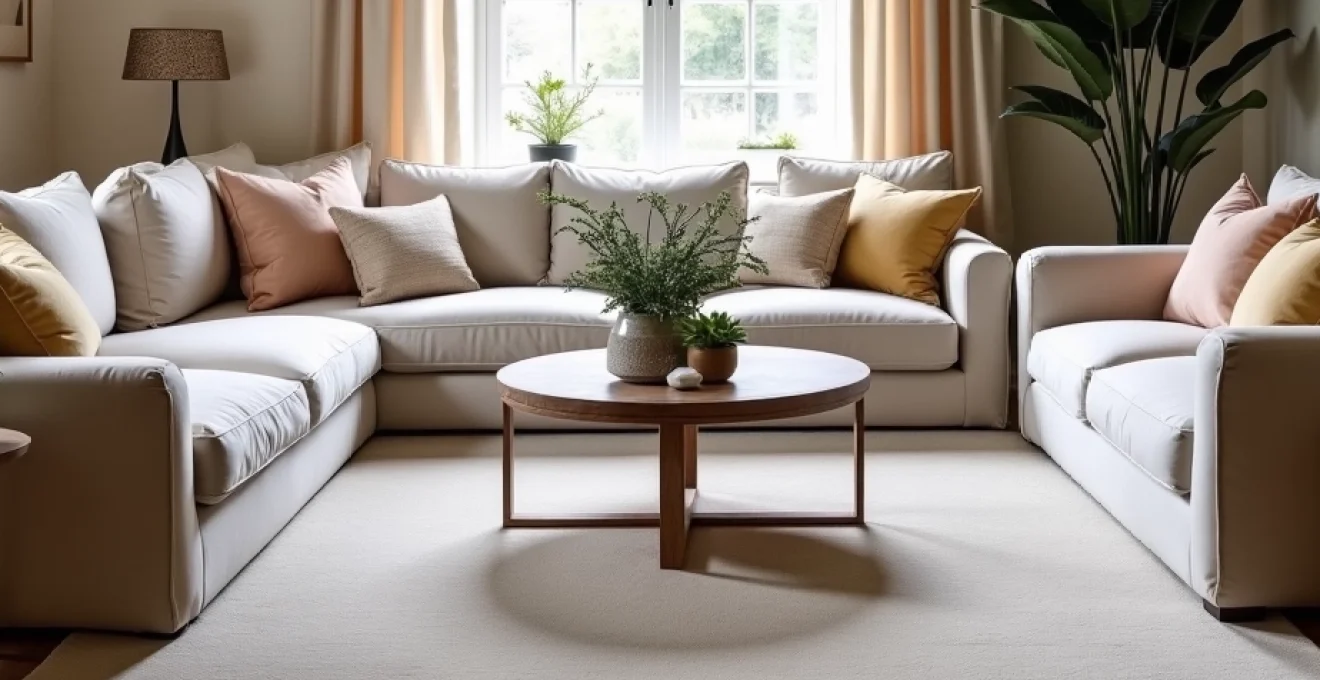
The power of textiles to transform interior spaces extends far beyond their traditional decorative role. In an era where homeowners increasingly seek cost-effective solutions for refreshing their living environments, strategic textile application emerges as the most versatile and impactful approach. Rather than investing in expensive furniture replacements or major renovations, thoughtful fabric placement can dramatically alter a room’s atmosphere, colour palette, and overall aesthetic appeal.
Professional interior designers have long recognised that textiles serve as the quickest route to visual transformation. By understanding the interplay between texture, pattern, and colour, you can create sophisticated design schemes that rival professionally decorated spaces. The beauty of this approach lies in its reversibility – unlike permanent structural changes, textile updates allow for seasonal adjustments and evolving style preferences without significant financial commitment.
Modern textile applications extend well beyond conventional cushions and curtains. Today’s design-conscious homeowners are discovering innovative ways to incorporate fabrics into unexpected areas, creating layered, multi-dimensional spaces that feel both contemporary and timeless. This comprehensive approach to textile integration considers every surface as a potential canvas for creative expression.
Strategic cushion and pillow placement techniques for maximum visual impact
The strategic deployment of cushions and pillows represents one of the most immediate and cost-effective methods for space transformation. Professional styling techniques go far beyond simply scattering decorative elements across seating areas. Instead, they focus on creating deliberate compositions that enhance both comfort and visual appeal through careful consideration of size, placement, and thematic coherence.
Layering contrasting textures: velvet, linen, and faux fur combinations
Texture layering creates visual depth and tactile interest that transforms flat surfaces into engaging focal points. The combination of smooth velvet cushions with roughly woven linen creates an appealing contrast that adds sophistication to any seating arrangement. Professional designers often employ the “rule of three textures” – combining smooth, medium, and rough textures within a single arrangement to achieve optimal visual balance.
Faux fur elements introduce luxury and warmth whilst providing an unexpected textural element that catches both light and attention. When incorporating faux fur cushions or throws, consider their placement carefully – they work particularly well as accent pieces rather than dominant elements. The key lies in understanding how different textures interact with natural and artificial lighting throughout the day.
Colour psychology applications: warm versus cool tonal palettes
Colour selection profoundly influences spatial perception and emotional response. Warm tonal palettes featuring terracotta, amber, and deep reds create intimate, cosy atmospheres that make large spaces feel more welcoming. Conversely, cool palettes incorporating blues, greys, and sage greens promote tranquillity and can visually expand smaller rooms through their recessive qualities.
The psychological impact of colour extends beyond personal preference to influence actual behaviour within spaces. Research indicates that warm colours encourage social interaction and longer dwelling times, making them ideal for entertainment areas. Cool colours, meanwhile, promote concentration and relaxation, making them suitable for bedrooms and study areas.
Geometric pattern integration with existing upholstery schemes
Pattern integration requires careful consideration of scale, repetition, and visual weight. Geometric patterns work particularly well when echoing existing architectural elements or furniture lines. For instance, striped cushions can emphasise vertical or horizontal lines present in built-in shelving or window frames, creating visual harmony throughout the space.
When working with existing patterned upholstery, introduce geometric cushions that share at least one colour with the base fabric. This creates cohesion whilst adding visual interest. The secret lies in varying pattern scales – if your sofa features small-scale patterns, introduce larger geometric designs in your cushions to create pleasing contrast without visual chaos.
Scale and proportion principles for throw pillow arrangements
Professional arrangement follows specific proportional guidelines that create visually pleasing compositions. The golden rule suggests using odd numbers of cushions, typically three or five per seating area, with varied sizes to create dynamic arrangements. Start with one large statement cushion (approximately 60cm square), add two medium cushions (45cm), and finish with smaller accent pieces (35cm) for optimal visual balance.
Consider the relationship between cushion size and furniture proportions. Oversized cushions can overwhelm delicate furniture, whilst tiny cushions may appear insignificant on substantial seating. The goal is achieving harmony between decorative elements and underlying furniture proportions, creating arrangements that feel intentional rather than accidental.
Seasonal rotation systems for maintaining fresh aesthetic appeal
Implementing seasonal rotation systems ensures your space feels current and refreshed throughout the year without requiring complete redecoration. Develop a systematic approach that considers both practical and aesthetic factors. Summer rotations might emphasise lightweight fabrics in cooling colours, whilst winter selections focus on warming textures and deeper hues.
Storage solutions play a crucial role in successful rotation systems. Invest in breathable storage containers that protect seasonal textiles whilst maintaining their quality. Vacuum-sealed bags work well for bulky items like throws and oversized cushions, whilst cedar-lined boxes preserve delicate fabrics and provide natural pest deterrence.
Window treatment transformation methods using fabric layering
Window treatments offer exceptional opportunities for dramatic space transformation through strategic fabric layering. Unlike furniture replacement, window treatment updates can be accomplished over weekends whilst delivering professional-quality results. The key lies in understanding how different fabric weights, textures, and hanging methods contribute to overall room ambience and functionality.
Sheer overlay techniques over existing blinds and shutters
Layering sheer fabrics over existing window treatments creates sophisticated depth whilst maintaining privacy and light control options. This technique works particularly well with roller blinds or venetian shutters, adding softness to hard architectural elements. Choose sheer fabrics that complement rather than compete with existing treatments – neutral tones typically work best for this application.
Installation methods vary depending on existing hardware and desired aesthetic outcomes. Tension rods offer the simplest solution for renters or those seeking temporary updates, whilst ceiling-mounted tracks provide more professional appearances for permanent installations. Consider fabric fullness carefully – insufficient gathering creates flat, uninspiring drapes, whilst excessive fullness may overwhelm smaller windows.
Curtain panel extensions: adding length without full replacement
Extending existing curtains creates the illusion of higher ceilings whilst improving proportion relationships between windows and surrounding architecture. Professional techniques include adding contrasting fabric panels to curtain hems, creating colour-blocking effects that appear intentional rather than makeshift. This approach proves particularly effective when working with neutral base curtains and introducing accent colours through extension panels.
Alternative extension methods include layering shorter panels over longer ones, creating depth and visual interest through strategic overlap. This technique works well when you want to introduce pattern or texture without replacing entire window treatments. Ensure proper hardware selection to support additional fabric weight and maintain smooth operation.
Valance and pelmet installation for header enhancement
Adding valances or pelmets transforms window proportions whilst concealing hardware and upper wall imperfections. These treatments work particularly well in rooms with standard ceiling heights, creating vertical emphasis that makes spaces appear taller. Choose proportions carefully – valances should typically measure one-sixth of total window height to maintain pleasing visual balance.
Fabric selection for valances requires consideration of both aesthetic and practical factors. Structured fabrics maintain crisp lines and formal appearances, whilst flowing materials create softer, more relaxed atmospheres. Consider the relationship between valance fabric and existing curtains – coordination doesn’t require exact matching, but should demonstrate clear intentional connection through colour, pattern, or texture.
Tie-back and holdback styling for dramatic silhouette changes
Strategic tie-back placement dramatically alters window treatment silhouettes and room proportions. High tie-backs create tall, elegant lines that emphasise ceiling height, whilst lower placements produce wider, more casual appearances. The position typically works best at two-thirds of the curtain length, creating pleasing proportional relationships.
Material selection for tie-backs contributes significantly to overall aesthetic outcomes. Coordinating fabric ties create seamless, cohesive appearances, whilst contrasting materials add visual interest and definition. Metal holdbacks offer more structured appearances suitable for contemporary settings, whilst rope or tassel tie-backs enhance traditional or casual décor schemes.
Floor textile applications: rugs, runners, and layering systems
Floor textiles serve multiple functions beyond basic decoration, including acoustic dampening, thermal insulation, and spatial definition. Strategic rug placement can visually restructure room layouts, create intimate conversation areas within larger spaces, and establish clear pathways through open-plan environments. Understanding rug proportions and placement principles enables you to maximise both aesthetic and functional benefits.
Layering rugs creates sophisticated, collected-over-time appearances whilst allowing for seasonal updates and evolving style preferences. This technique proves particularly effective when working with neutral base rugs and introducing pattern or colour through smaller overlay pieces. The key lies in ensuring adequate size contrast – overlay rugs should be significantly smaller than base layers to avoid visual confusion.
Consider traffic patterns when selecting rug materials and placements. High-traffic areas benefit from durable, easily cleaned materials like wool or synthetic fibres, whilst low-traffic zones can accommodate more delicate materials like silk or viscose. Proper rug padding extends textile life whilst improving comfort and safety through slip prevention.
Professional interior designers consistently emphasise that floor textiles should ground furniture arrangements rather than float independently within spaces, creating cohesive room compositions that feel intentionally designed.
Runner applications extend beyond traditional hallway uses to include kitchen islands, stairways, and even bathroom spaces when appropriate materials are selected. Runners create visual continuity between spaces whilst defining pathways and protecting high-wear floor areas. Choose lengths that extend slightly beyond furniture edges rather than stopping short, which can create awkward proportional relationships.
Seasonal rug rotation maintains fresh appearances whilst extending textile lifespans through reduced continuous wear. Develop storage systems that protect off-season rugs from moisture, pests, and crushing. Rolling rather than folding prevents permanent creases, whilst cedar blocks provide natural pest deterrence without chemical treatments that might affect sensitive individuals.
Wall-mounted textile solutions: tapestries, fabric panels, and gallery walls
Wall-mounted textiles offer exceptional versatility for renters and homeowners alike, providing substantial visual impact without permanent architectural modifications. These applications transform blank walls into focal points whilst adding acoustic benefits and thermal insulation. Modern mounting techniques have evolved beyond traditional tapestry hanging to include sophisticated panel systems and innovative display methods.
Fabric panel systems create custom wallpaper effects using favourite textiles, allowing for personalised décor schemes that reflect individual style preferences. These installations work particularly well in bedrooms, dining rooms, and home offices where softer acoustics enhance comfort and functionality. Consider fabric weight and drape characteristics when selecting mounting methods – heavier fabrics require more substantial support systems.
Gallery wall concepts incorporating textile elements add dimensional interest to traditional picture arrangements. Mix framed fabric samples with artwork and photography to create eclectic, personalised displays that reflect travel experiences, family history, or artistic interests. Ensure adequate lighting to showcase textile textures and patterns effectively – directional spotlights work particularly well for highlighting dimensional elements.
Contemporary wall textile applications extend far beyond decorative purposes to include functional elements such as sound absorption panels and thermal regulation systems, particularly valuable in open-plan living environments.
Installation considerations include wall composition, textile weight, and removal requirements. Plasterboard walls may require hollow wall fixings for heavier installations, whilst solid walls can accommodate more substantial mounting systems. For rental properties, consider removable mounting options such as command strips for lighter textiles or tension systems that don’t require wall penetration.
Textile selection for wall mounting should consider colorfastness and dimensional stability, particularly in areas exposed to direct sunlight or humidity variations. Natural fibres often provide better longevity than synthetic alternatives, though appropriate treatment and positioning remain crucial factors in maintaining appearance over time.
Furniture slipcover and throw styling techniques for complete makeovers
Slipcovers and throws represent the ultimate textile transformation tools, capable of completely altering furniture appearance whilst providing protection and seasonal adaptability. Professional styling techniques ensure these applications appear intentional rather than makeshift, creating polished results that rival reupholstering outcomes at fraction of the cost and commitment.
Sofa throw draping methods: casual versus structured approaches
Casual draping creates lived-in, comfortable appearances that work well in family rooms and relaxed environments. This approach emphasises natural fall and gentle gathering, appearing as though the throw was casually arranged rather than precisely positioned. The key lies in achieving seemingly effortless placement that actually requires careful consideration of fabric weight, colour placement, and overall composition balance.
Structured approaches create more formal appearances suitable for living rooms and entertainment spaces where polished presentation takes precedence. These techniques involve precise folding, strategic tucking, and careful attention to symmetry and proportion. Consider throw size relative to furniture dimensions – undersized throws appear insufficient, whilst oversized options can overwhelm delicate furniture proportions.
Chair cover solutions: stretch fabrics and tailored fits
Modern stretch fabrics offer unprecedented versatility for chair covering applications, accommodating various chair styles and proportions with minimal tailoring requirements. These solutions work particularly well for dining chairs, office seating, and occasional chairs that require frequent cleaning or seasonal updates. Choose fabrics with appropriate stretch ratios – too little stretch creates pulling and distortion, whilst excessive stretch may appear baggy and unprofessional.
Tailored fit solutions provide more sophisticated appearances for prominent seating pieces. These applications require careful measurement and potentially professional assistance, but deliver results that closely mimic reupholstering outcomes. Consider construction details such as piping, pleating, and closure methods to achieve professional appearances that withstand regular use and cleaning cycles.
Ottoman and footstool textile wrapping techniques
Ottoman wrapping offers excellent opportunities for introducing bold patterns or textures without overwhelming room compositions. These smaller pieces can accommodate more adventurous fabric choices than larger furniture pieces, serving as accent elements that tie colour schemes together or introduce new design directions. Consider practical factors such as fabric durability and cleaning requirements for frequently used pieces.
Wrapping techniques vary depending on ottoman construction and desired appearance outcomes. Simple rectangular forms accommodate basic wrapping methods secured with adhesive strips or decorative nails, whilst complex shapes may require professional assistance or custom slip-covering approaches. Ensure adequate fabric allowance for tucking and securing whilst maintaining smooth, professional appearances.
Table runner and cloth layering for surface transformation
Table textile layering creates sophisticated dining and surface treatments that can be adjusted for various occasions and seasonal preferences. Base cloths in neutral tones provide foundational coverage, whilst runners and toppers introduce pattern, colour, and textural interest. This approach proves particularly valuable for dining rooms and console tables where surface protection combines with aesthetic enhancement.
Layering principles follow similar guidelines to other textile applications – consider scale, proportion, and colour relationships carefully. Runners should extend appropriately beyond table edges whilst allowing adequate seating space. Multiple layer heights create visual interest, but avoid excessive thickness that interferes with practical use or appears unstable.
Lighting enhancement through fabric lampshade modifications and textile screens
Textile modifications to lighting elements offer subtle yet impactful methods for space transformation whilst addressing both aesthetic and functional lighting requirements. Lampshade covering techniques enable personalisation of existing fixtures using coordinating fabrics, creating cohesive design schemes that tie room elements together effectively. Consider light transmission properties when selecting fabrics – too dense materials may inadequately illuminate spaces, whilst very sheer options might not provide sufficient glare control.
Fabric screen applications serve dual purposes of light diffusion and decorative enhancement. These installations work particularly well in rooms with harsh overhead lighting or areas where privacy screening combines with illumination needs. Materials such as linen, cotton voile, and specially designed architectural fabrics provide appropriate light filtering whilst maintaining durability under constant illumination exposure.
Professional installation techniques ensure safety compliance whilst achieving attractive results. Fabric applications near heat sources require careful material selection and proper ventilation consideration. LED lighting systems generate less heat than traditional incandescent options, expanding fabric choice possibilities whilst improving energy efficiency and reducing fire hazards associated with textile/lighting combinations.
Contemporary lighting design increasingly incorporates textile elements not merely as decorative additions but as integral components that influence both light quality and spatial ambience through careful material selection and strategic placement techniques.
Maintenance considerations include dust accumulation, periodic cleaning requirements, and potential fabric degradation from continuous light exposure. Develop cleaning schedules appropriate for specific installations and traffic levels, whilst considering replacement timelines for fabrics subject to fading or wear. Document successful combinations and techniques for future reference and consistent aesthetic maintenance across seasonal updates and long-term style evolution.