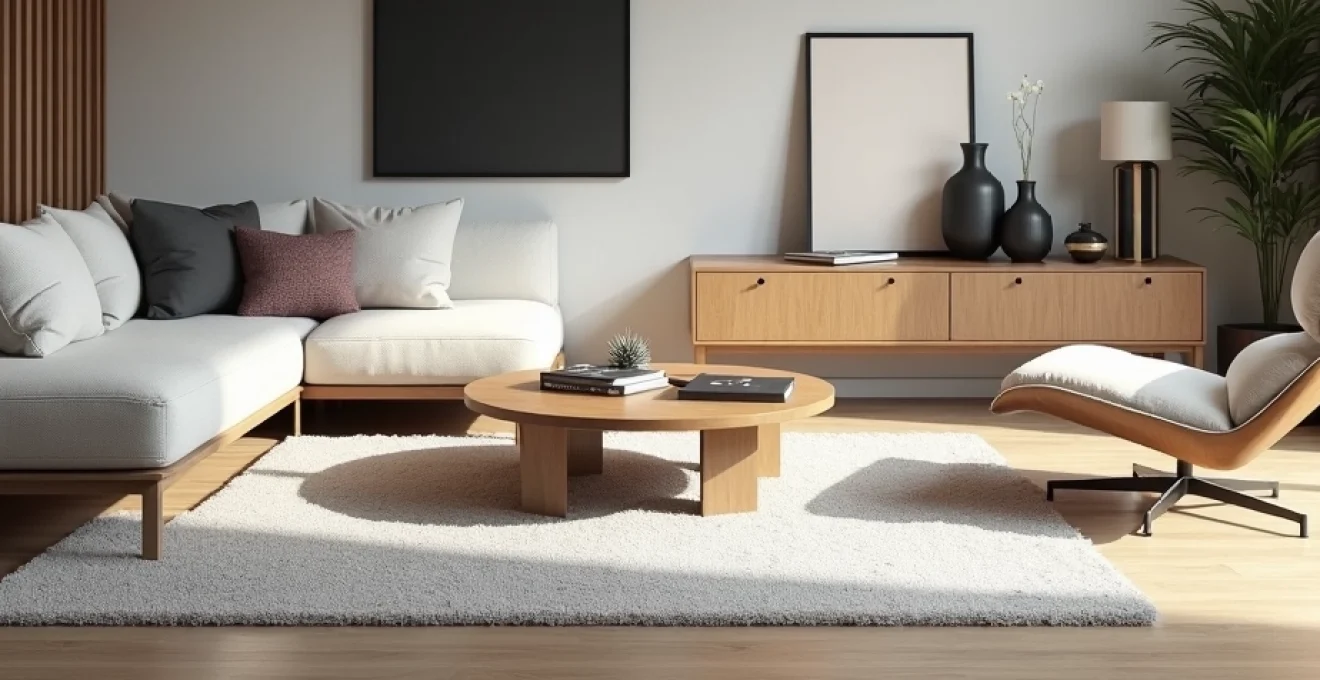
Modern interior design continues to captivate homeowners across the globe, transforming living spaces into sophisticated sanctuaries of contemporary elegance. This design philosophy emerged from the early 20th century modernist movement, emphasising functionality over ornamentation whilst celebrating the beauty of simplicity. Today’s interpretation of modern style builds upon these foundational principles, incorporating technological advances and sustainable materials to create environments that feel both timeless and utterly current. Understanding how to identify authentic modern design elements and successfully integrate them into your existing space requires a comprehensive grasp of the style’s core characteristics, from architectural features to furniture selection and decorative accessories.
Defining modern interior design aesthetics: core principles and visual characteristics
Modern interior design represents a deliberate departure from traditional decorative approaches, prioritising functionality and visual clarity above ornamental excess. This aesthetic philosophy emerged during the early-to-mid 20th century, influenced by architectural movements such as Bauhaus and the International Style. The fundamental principle underlying modern design centres on the concept that form follows function , meaning every element within a space should serve a practical purpose whilst contributing to the overall visual harmony.
The modern aesthetic embraces three primary characteristics: simplicity, functionality, and honesty of materials. Simplicity manifests through uncluttered spaces, minimal decorative elements, and a focus on essential furnishings. Functionality ensures that every design choice serves a practical purpose, from furniture placement to lighting selections. Honesty of materials celebrates the natural properties of construction materials, showcasing concrete, steel, and wood in their authentic forms rather than disguising them beneath decorative veneers.
Clean lines and geometric forms in contemporary architecture
Clean lines represent perhaps the most recognisable characteristic of modern interior design, manifesting through furniture profiles, architectural details, and decorative elements. These lines typically follow horizontal and vertical orientations, creating a sense of order and visual calm within the space. Geometric forms complement these clean lines, incorporating circles, squares, rectangles, and triangles as foundational shapes for furniture pieces, artwork, and architectural features.
Contemporary architecture embraces these principles through expansive window configurations, streamlined door frames, and simplified moulding profiles. Built-in furniture elements, such as floating shelves and integrated seating, exemplify how geometric precision can enhance both functionality and aesthetic appeal. These architectural interventions create visual continuity throughout the space whilst maximising usable square footage.
Neutral colour palettes: from scandinavian whites to industrial greys
Modern colour schemes typically favour neutral palettes that create serene, sophisticated environments conducive to relaxation and concentration. These palettes range from crisp Scandinavian whites that maximise natural light reflection to deeper industrial greys that add dramatic sophistication. Beiges, taupes, and warm whites provide versatile foundations that accommodate accent colours whilst maintaining the overall aesthetic coherence.
The strategic use of colour in modern interiors often involves the 60-30-10 rule: 60% dominant neutral colour, 30% secondary neutral shade, and 10% accent colour for visual interest. This approach ensures that bold colours enhance rather than overwhelm the space, allowing architectural features and furniture forms to remain the primary visual focus. Monochromatic colour schemes, featuring variations of a single hue, create particularly sophisticated modern environments.
Open floor plans and spatial flow optimisation
Open floor plans represent a cornerstone of modern design philosophy, eliminating unnecessary walls and barriers to create expansive, flowing living spaces. This approach maximises natural light distribution whilst encouraging social interaction and flexible furniture arrangements. The removal of structural divisions between kitchen, dining, and living areas reflects modern lifestyle preferences for casual, multifunctional living environments.
Spatial flow optimisation involves careful consideration of traffic patterns, furniture placement, and visual sightlines throughout the open space. Zoning techniques using furniture groupings, area rugs, and lighting schemes help define functional areas without reintroducing physical barriers. This approach creates distinct activity zones whilst maintaining the overall sense of spaciousness and connectivity.
Material authenticity: raw concrete, steel, and natural wood integration
Modern design celebrates the inherent beauty of construction materials, showcasing concrete, steel, and wood in their natural states rather than concealing them beneath decorative finishes. Raw concrete walls and floors provide dramatic textural interest whilst embodying the industrial aesthetic that characterises many modern spaces. Exposed steel beams and supports become architectural features rather than elements to be hidden, contributing to the overall design narrative.
Natural wood integration balances the potentially harsh industrial elements, introducing warmth and organic texture to modern environments. The wood species selection often favours those with distinctive grain patterns, such as walnut, teak, or oak, presented with minimal finishing to preserve their natural character. This honest approach to materials creates authentic, tactile environments that engage multiple senses whilst maintaining visual sophistication.
Modern furniture selection: iconic pieces and design movement influences
Furniture selection represents perhaps the most immediate opportunity to introduce modern design principles into existing spaces, with iconic pieces from legendary designers offering proven solutions for contemporary living requirements. The furniture landscape of modern design draws extensively from mid-20th century innovations, when designers revolutionised traditional forms to accommodate changing lifestyles and manufacturing technologies. These pieces continue to influence contemporary furniture design, establishing aesthetic and functional benchmarks that define modern style today.
The selection process for modern furniture involves balancing aesthetic considerations with practical requirements, ensuring that each piece contributes to both the visual harmony and functional efficiency of the space. Key characteristics include streamlined profiles, multifunctional capabilities, and high-quality construction that justifies long-term investment. The emphasis on timeless design ensures that modern furniture pieces maintain their relevance across decades, making them valuable additions to any contemporary home.
Mid-century modern classics: eames, saarinen, and knoll collections
Mid-century modern furniture represents the golden age of contemporary design, with pieces from Charles and Ray Eames, Eero Saarinen, and the Knoll collection establishing enduring standards for modern aesthetics. The Eames Lounge Chair and Ottoman, introduced in 1956, exemplifies the perfect marriage of comfort, craftsmanship, and visual elegance that defines exceptional modern furniture. Its moulded plywood construction and luxurious leather upholstery demonstrate how innovative materials and manufacturing techniques can create both functional and beautiful objects.
Saarinen’s Tulip Table and Chair series revolutionised dining furniture through their sculptural, single-pedestal bases that eliminated visual clutter whilst providing exceptional stability and comfort. These pieces demonstrate how organic forms can complement geometric environments, softening harsh angles whilst maintaining the overall modern aesthetic. The Knoll collection, featuring works by designers such as Ludwig Mies van der Rohe and Florence Knoll, established the foundation for office and residential furniture that seamlessly integrates professional and domestic environments.
Bauhaus design philosophy in contemporary seating solutions
The Bauhaus movement’s influence on modern seating design continues to resonate in contemporary furniture collections, emphasising the unity of form, function, and craftsmanship. Bauhaus principles advocate for designs that serve practical needs whilst expressing aesthetic beauty through honest construction and material selection. This philosophy manifests in seating solutions that prioritise ergonomic comfort, structural integrity, and visual simplicity.
Contemporary interpretations of Bauhaus seating include cantilever chairs that appear to defy gravity through innovative steel tube construction, modular seating systems that adapt to changing spatial requirements, and task chairs that integrate advanced materials with timeless aesthetic principles. These solutions demonstrate how historical design movements continue to inform modern furniture development, creating pieces that honour traditional craftsmanship whilst embracing contemporary manufacturing capabilities.
Minimalist storage systems: modular units and Built-In cabinetry
Modern storage solutions prioritise visual discretion whilst maximising functional capacity, employing modular systems and built-in cabinetry that integrate seamlessly with architectural elements. Modular storage units offer exceptional flexibility, allowing configurations that adapt to changing storage requirements and spatial constraints. These systems typically feature clean-lined frames with interchangeable components, creating customised solutions that maintain aesthetic coherence.
Built-in cabinetry represents the ultimate expression of integrated modern storage, with custom millwork that appears to emerge organically from wall and ceiling surfaces. These installations maximise storage efficiency whilst eliminating visual clutter, contributing to the streamlined appearance that defines modern interiors. The integration of concealed hardware, touch-latch mechanisms, and LED lighting transforms storage from functional necessity into sophisticated architectural feature.
Statement lighting: pendant fixtures and architectural illumination
Modern lighting design serves dual purposes, providing functional illumination whilst creating dramatic focal points that enhance the overall aesthetic composition. Statement pendant fixtures offer opportunities to introduce sculptural elements that complement rather than compete with furniture and architectural features. These fixtures often employ innovative materials and manufacturing techniques, showcasing the same attention to form and function that characterises exceptional modern furniture.
Architectural illumination techniques, including recessed lighting, LED strip applications, and integrated fixture solutions, create layered lighting schemes that enhance spatial perception and material textures. Track lighting systems provide flexibility for adjusting illumination patterns according to changing needs, whilst maintaining the clean-lined appearance essential to modern aesthetics. The strategic use of lighting can dramatically alter spatial perception, making rooms appear larger, highlighting architectural details, and creating intimate atmospheres within open-plan environments.
Architectural elements and structural modifications for modern integration
Integrating modern design principles often requires careful consideration of existing architectural elements and strategic modifications that enhance rather than compromise structural integrity. The most successful modern renovations work with existing building characteristics whilst introducing contemporary elements that create harmonious dialogue between old and new. This approach recognises that authentic modern design emerges from thoughtful problem-solving rather than wholesale replacement of existing features.
Structural modifications for modern integration typically focus on maximising natural light, creating open spatial flows, and exposing architectural elements that contribute to the overall aesthetic narrative. Window enlargement or addition projects can dramatically transform interior environments by increasing daylight penetration and establishing stronger connections with outdoor spaces. However, these modifications require professional structural assessment to ensure building integrity whilst achieving desired aesthetic outcomes.
The integration of modern elements into traditional structures often involves careful balance between preservation and innovation. Exposed structural elements, such as beams and columns, can become featured architectural details when properly integrated into the design scheme. Similarly, original materials like brick walls or wooden floors can provide textural contrast that enhances rather than detracts from contemporary furnishings and fixtures.
The most successful modern integrations respect the building’s inherent character whilst introducing contemporary elements that enhance functionality and aesthetic appeal without overwhelming the existing architectural narrative.
Interior wall removal represents one of the most impactful modifications for creating modern spatial flow, transforming compartmentalised room arrangements into open-plan living environments. However, these modifications require careful structural analysis to identify load-bearing elements and develop appropriate reinforcement strategies. Professional consultation ensures that desired spatial modifications can be achieved safely whilst maintaining building integrity and compliance with local building codes.
Modern technology integration: smart home systems and digital infrastructure
Contemporary modern design increasingly incorporates sophisticated technology systems that enhance functionality whilst maintaining visual discretion, reflecting the ongoing evolution of digital lifestyle integration. Smart home systems represent a natural extension of modern design principles, emphasising efficiency, convenience, and seamless operation that supports rather than complicates daily routines. The challenge lies in incorporating these advanced systems without compromising the clean, uncluttered aesthetic that defines modern interiors.
Digital infrastructure planning requires early consideration during renovation projects, as wiring and hardware placement significantly impact both functionality and appearance. Wireless technology solutions minimise visible infrastructure whilst providing comprehensive control over lighting, climate, security, and entertainment systems. The integration of voice-activated controls and smartphone applications eliminates the need for traditional wall-mounted switches and thermostats, contributing to the streamlined appearance characteristic of modern spaces.
Hidden technology integration represents a sophisticated approach to modern design, concealing functional elements within furniture and architectural features whilst maintaining full accessibility. Motorised window treatments, concealed television displays, and integrated sound systems provide modern convenience without visual disruption. These solutions require careful planning and professional installation but create environments that feel both technologically advanced and aesthetically pure.
Home automation systems offer unprecedented control over environmental conditions, allowing precise adjustment of lighting, temperature, and acoustic conditions to support various activities throughout the day. Automated lighting systems can simulate natural daylight patterns, gradually adjusting colour temperature and intensity to support circadian rhythms whilst reducing energy consumption. Climate control systems integrate with occupancy sensors and weather monitoring to optimise comfort whilst minimising environmental impact.
The integration of renewable energy systems, including solar panels and battery storage solutions, aligns with modern design’s emphasis on sustainability and environmental responsibility. These systems can significantly reduce operational costs whilst supporting grid independence and reduced carbon footprint. Modern installations incorporate sleek panel designs and discrete battery systems that complement rather than detract from architectural aesthetics, demonstrating how environmental responsibility and design excellence can work together harmoniously.
Contemporary art and decorative accessories: curating modern visual elements
The curation of contemporary art and decorative accessories requires sophisticated understanding of how visual elements interact within modern interior environments, balancing aesthetic impact with spatial harmony. Modern design philosophy favours selective placement of high-quality pieces that contribute meaningfully to the overall composition rather than accumulating numerous decorative objects that may create visual chaos. This approach emphasises the concept of edited collections , where each piece earns its place through aesthetic merit and contextual relevance.
Contemporary art selection for modern interiors often gravitates toward abstract compositions, minimalist sculptures, and photography that complement the clean-lined aesthetic whilst providing emotional and intellectual engagement. Large-scale artworks can serve as dramatic focal points that anchor furniture groupings and establish spatial hierarchy, whilst smaller pieces create intimate moments of discovery that reward closer inspection. The strategic use of negative space around artworks allows each piece to breathe and command appropriate visual attention.
Sculptural elements introduce three-dimensional interest that complements the predominantly geometric forms characteristic of modern furniture and architecture. Contemporary ceramics, metalwork, and glass objects provide opportunities to introduce organic shapes and varied textures that soften potentially austere environments. The selection of these objects should reflect careful consideration of scale, material compatibility, and colour harmony with existing design elements.
Successful modern art curation involves selecting pieces that enhance rather than compete with architectural and furniture elements, creating layered compositions that reveal new relationships upon repeated viewing.
Textile integration through area rugs, throw pillows, and window treatments provides opportunities to introduce pattern, texture, and controlled colour accents that humanise modern spaces without compromising their essential character. Natural fiber selections, including wool, linen, and silk, align with modern design’s preference for authentic materials whilst providing comfort and acoustic benefits. Geometric patterns and abstract designs maintain aesthetic consistency whilst adding visual interest and tactile appeal.
Plant integration represents an increasingly important aspect of modern decorating, introducing living elements that provide air purification benefits whilst softening hard surfaces and geometric forms. Architectural planters and sleek containers maintain design consistency whilst showcasing specimens selected for their sculptural qualities and maintenance requirements. Strategic placement near windows and in circulation areas maximises both aesthetic impact and plant health whilst contributing to the biophilic design principles increasingly valued in contemporary interiors.
Room-by-room modern design implementation strategies
Implementing modern design principles throughout different rooms requires tailored approaches that address specific functional requirements whilst maintaining overall aesthetic coherence across the home. Each space presents unique challenges and opportunities for incorporating modern elements, from the social demands of living areas to the practical needs of kitchens and bathrooms. The key to successful room-by-room implementation lies in understanding how modern principles adapt to various functional contexts whilst preserving the essential characteristics that define the style.
Living areas serve as the primary showcase for modern design principles, offering extensive opportunities for furniture arrangement, lighting design, and decorative curation. Open-plan configurations typical of modern homes require careful zoning strategies that create distinct functional areas without compromising spatial flow. Modular seating arrangements provide flexibility for various social configurations whilst maintaining the clean lines essential to modern aesthetics. Entertainment centers benefit from integrated solutions that conceal technology whilst providing convenient access and optimal viewing angles.
Kitchen design in modern contexts emphasises workflow efficiency and material authenticity , incorporating professional-grade appliances within streamlined cabinetry systems that maximise storage whilst minimising visual clutter. Island configurations provide additional work surface and informal dining opportunities whilst serving as architectural anchors within open floor plans. The integration of concealed storage solutions, including drawer organiser systems and pull-out pantries, maintains the uncluttered appearance essential to modern design whilst maximising functional capacity.
Bathroom modernisation focuses on creating spa-like environments that prioritise relaxation and rejuvenation through material selection, lighting design, and fixture placement. Floating vanities and wall-mounted toilets create visual lightness whilst simplifying cleaning maintenance. Large-format tiles and continuous surfaces minimise grout lines and create seamless visual flow that enhances spatial perception. The integration of heated floors, towel warmers, and smart mirrors provides luxury amenities whilst maintaining the essential simplicity of modern design.
Bedroom design balances the need for restful environments with storage requirements and personal expression, incorporating built-in wardrobes and platform bed systems that maximise floor space whilst providing essential functionality.
The integration of blackout curtains or motorised blinds provides light control essential for quality sleep whilst maintaining the streamlined appearance characteristic of modern design. Personal artwork and limited decorative accessories allow individual expression within the overall aesthetic framework, creating spaces that feel both sophisticated and personally meaningful.
Home office spaces benefit from ergonomic furniture solutions that support productivity whilst maintaining design consistency with the broader home aesthetic. Standing desk options and task lighting systems address contemporary work-from-home requirements whilst integrated cable management maintains visual order. The incorporation of sound-absorbing materials and strategic furniture placement creates focused work environments within open-plan configurations.
Outdoor living spaces extend modern design principles beyond interior boundaries, incorporating weather-resistant furniture and architectural elements that create seamless transitions between indoor and outdoor environments. Sustainable landscaping approaches complement modern architecture through geometric plantings, hardscape materials, and water features that reflect the same attention to form and function that characterises interior spaces.
Successfully implementing modern design throughout your home requires patience, careful planning, and often professional guidance to navigate complex decisions regarding structural modifications, technology integration, and material selections. The investment in quality modern elements typically provides long-term value through both aesthetic satisfaction and functional efficiency, creating environments that support contemporary lifestyles whilst maintaining timeless appeal.
Remember that authentic modern design emerges from understanding and applying fundamental principles rather than simply purchasing contemporary furniture or following current trends, ensuring that your space remains relevant and satisfying for years to come.
The journey toward modern design integration begins with honest assessment of your current space, lifestyle requirements, and aesthetic preferences, followed by systematic implementation of changes that honour both functional needs and design principles. Whether pursuing comprehensive renovation or selective updates, the key lies in maintaining consistency with core modern values whilst adapting them to your unique circumstances and personal style preferences.