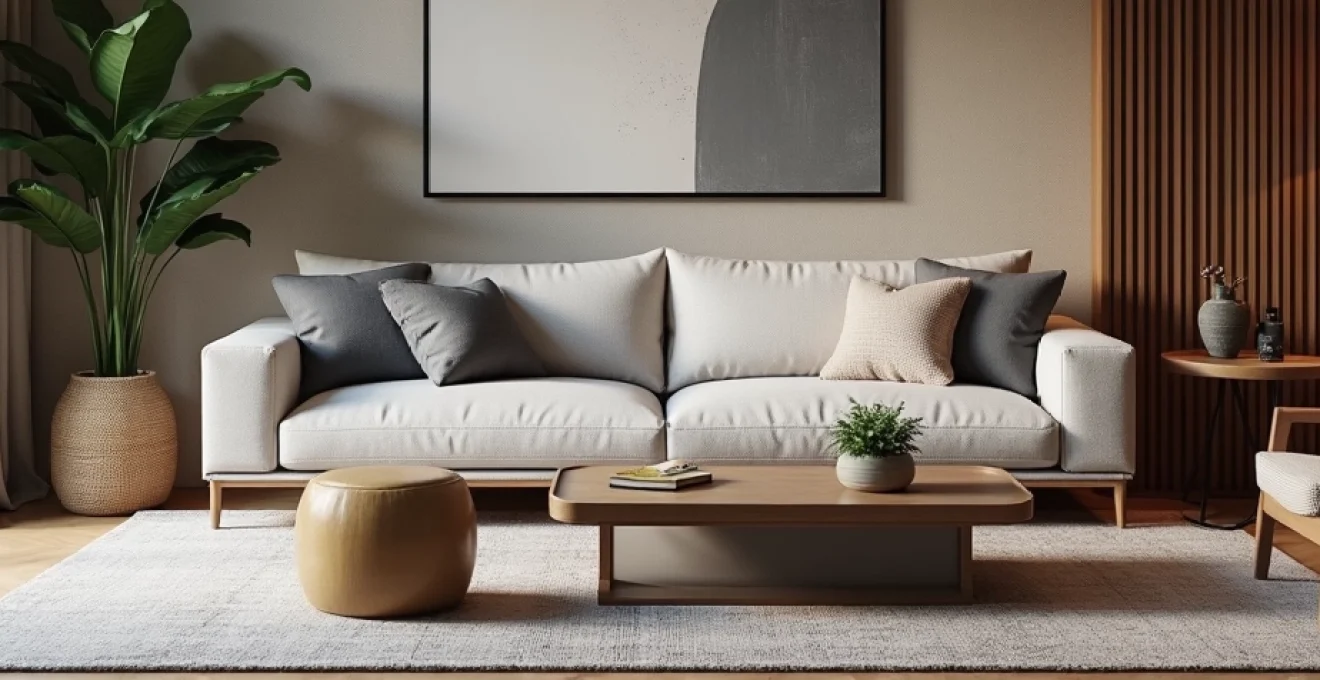
The art of blending diverse materials has become the cornerstone of contemporary interior design, transforming sterile spaces into dynamic environments that captivate and inspire. Modern homeowners increasingly seek authenticity and character in their living spaces, moving beyond monochromatic schemes toward rich, layered compositions that tell compelling stories through texture, colour, and form. This sophisticated approach to material mixing requires understanding the fundamental principles of visual harmony whilst embracing strategic contrasts that create depth and interest. The successful integration of varied materials—from weathered timber and polished metals to raw concrete and delicate fabrics—demands both technical knowledge and artistic sensibility, resulting in spaces that feel both curated and naturally evolved.
Understanding material compatibility and visual weight distribution in contemporary interior design
The foundation of successful material mixing lies in understanding how different surfaces, textures, and finishes interact within a space to create visual equilibrium. Contemporary interior design principles emphasise the importance of balancing visual weight—the perceived heaviness or lightness of materials—to achieve compositions that feel both dynamic and stable. This concept extends beyond mere colour coordination, encompassing the psychological impact of material combinations on spatial perception and emotional response.
Material compatibility assessment begins with evaluating the inherent characteristics of each component: its density, reflectivity, temperature, and cultural associations. Dense materials like stone and concrete naturally carry more visual weight than lighter options such as glass or fabric, requiring careful positioning and proportion to maintain balance. The interplay between these varying weights creates rhythm and movement within a space, guiding the eye through carefully orchestrated visual journeys.
Texture contrast theory: balancing rough and smooth surface finishes
The strategic juxtaposition of rough and smooth textures forms the backbone of compelling material compositions, creating tactile interest that engages multiple senses. Rough textures, such as honed limestone or reclaimed timber, absorb light and create visual anchors that ground a space, whilst smooth surfaces like polished marble or brushed steel reflect light and add luminosity. This fundamental contrast prevents spaces from becoming visually flat whilst ensuring each material maintains its distinct character.
Texture contrast ratios typically follow the 60-30-10 rule, where dominant smooth surfaces are balanced with moderate rough elements and accent textures that provide visual punctuation. The successful application of this theory requires considering the intended function of each space—kitchens benefit from easily maintained smooth surfaces with rough texture accents, whilst living areas can accommodate more varied textural combinations that prioritise comfort and visual interest.
Colour temperature coordination between warm woods and cool metals
The harmonious integration of warm and cool materials demands careful consideration of undertones and colour temperature relationships. Warm woods, characterised by golden, amber, and reddish hues, naturally complement brass, copper, and bronze fixtures, creating cohesive schemes that feel naturally evolved. However, the strategic introduction of cool metals like stainless steel or pewter can provide necessary contrast and prevent compositions from becoming overly monochromatic.
Successful colour temperature coordination often employs bridging elements that contain both warm and cool properties. Materials such as weathered concrete with iron oxide staining or aged brass with patina development serve as transitional components that allow seemingly incompatible materials to coexist harmoniously. This approach enables designers to create sophisticated palettes that feel both intentional and organic.
Scale proportioning: managing visual mass across different material densities
The proportional relationship between materials of varying densities significantly impacts spatial perception and aesthetic success. Heavy materials like granite or thick timber require larger surface areas to appear proportionally correct, whilst lighter materials such as mesh metals or translucent acrylics can be used in smaller quantities whilst maintaining visual presence. Understanding these relationships prevents any single material from overwhelming the composition.
Professional designers employ the principle of progressive scaling , where the largest surfaces feature the most neutral materials, medium surfaces showcase primary accent materials, and smallest surfaces incorporate the most dramatic or contrasting elements. This hierarchy ensures visual coherence whilst allowing for creative expression through carefully chosen focal points.
Light reflection properties of mixed material palettes
The interaction between natural and artificial light sources with mixed material surfaces creates complex visual environments that change throughout the day. Highly reflective materials like polished metals and glossy ceramics amplify available light, making spaces appear larger and brighter, whilst matte surfaces provide visual rest and prevent glare. The strategic placement of these varying reflection properties can manipulate spatial perception and create desired atmospheric effects.
Contemporary lighting design increasingly considers the cumulative effect of multiple reflective and absorptive surfaces when planning illumination schemes. Materials with high reflectivity coefficients require fewer light sources, whilst spaces dominated by light-absorbing materials may need enhanced illumination to achieve desired brightness levels. This technical understanding ensures that mixed material palettes function effectively under varying lighting conditions.
Strategic metal integration techniques for modern living spaces
The integration of metallic elements into contemporary interiors requires sophisticated understanding of how different metals interact with surrounding materials and lighting conditions. Modern metal applications extend far beyond traditional hardware and fixtures, encompassing structural elements, decorative panels, and integrated architectural details that contribute to overall spatial character. The key to successful metal integration lies in understanding each metal’s unique properties—its patina development, maintenance requirements, and compatibility with other materials in the composition.
Brushed steel and brass accent placement in scandinavian minimalism
Scandinavian design principles emphasise restraint and functionality, making metal accent placement particularly crucial for maintaining aesthetic coherence. Brushed steel components work exceptionally well in this context due to their understated appearance and compatibility with the clean lines and neutral palettes typical of Nordic interiors. The matte finish of brushed steel prevents excessive reflection whilst providing subtle contrast against pale woods and white surfaces.
Brass elements in Scandinavian spaces require more careful consideration due to their inherent warmth and visual weight. Strategic placement focuses on functional items such as cabinet hardware, light fixtures, and plumbing fixtures, where the material’s natural antimicrobial properties provide practical benefits alongside aesthetic appeal. The golden undertones of brass complement the honey hues found in Scandinavian woods, creating harmonious compositions that feel both sophisticated and approachable.
Copper patina development and maintenance in Industrial-Chic environments
Copper’s unique ability to develop natural patina over time makes it an ideal material for industrial-chic interiors that celebrate the beauty of aging and wear. The patina development process transforms bright copper surfaces into rich verde-green finishes that provide striking contrast against raw concrete, exposed brick, and weathered steel elements. This natural aging process requires understanding the environmental factors that influence patina formation, including humidity, air circulation, and exposure to various atmospheric conditions.
Maintenance strategies for copper elements in industrial settings focus on controlling rather than preventing patina development. Selective treatment of copper surfaces allows designers to achieve varied patina effects within a single space—heavily patinated elements provide visual anchors whilst newer copper components add brightness and warmth. This controlled aging process creates visual narratives that enhance the industrial aesthetic’s emphasis on authenticity and material honesty.
Aluminium framework applications for Mid-Century modern revival
Aluminium’s lightweight properties and resistance to corrosion made it a favourite material of mid-century architects and designers, who appreciated its ability to create delicate structural frameworks without compromising strength. Contemporary applications of aluminium in mid-century revivals focus on window frames, room dividers, and furniture components that maintain the period’s emphasis on clean lines and minimal visual weight.
The integration of aluminium elements requires careful attention to finish selection, as different surface treatments dramatically affect the material’s appearance and compatibility with surrounding elements. Anodised finishes provide colour options whilst maintaining the material’s inherent durability, whilst brushed surfaces complement the tactile qualities of mid-century woods and fabrics. The key lies in selecting finishes that enhance rather than compete with the overall composition.
Black iron hardware integration with natural material schemes
Black iron’s robust appearance and matte finish make it an excellent choice for anchoring natural material palettes whilst providing necessary visual contrast. The material’s association with traditional blacksmithing and industrial applications adds authentic character to spaces that feature reclaimed woods, natural stone, and organic textiles. Modern black iron applications range from subtle hardware elements to bold structural components that serve as design focal points.
The successful integration of black iron requires understanding its visual impact and proportional relationship to surrounding materials. Large iron elements can overwhelm delicate natural materials, whilst appropriately scaled components enhance the inherent beauty of wood grain and stone textures. The matte black finish prevents unwanted reflection whilst providing crisp definition that enhances the organic irregularities of natural materials.
The most successful material combinations often emerge from understanding the inherent properties of each component rather than forcing incompatible elements together through artificial means.
Natural material layering methods for authentic texture depth
The art of layering natural materials creates sophisticated compositions that celebrate the inherent beauty of organic textures, colours, and patterns. This approach requires deep understanding of how different natural materials age, weather, and interact over time, ensuring that compositions improve rather than deteriorate as they mature. Successful natural material layering creates visual and tactile richness that cannot be achieved through synthetic alternatives or monochromatic schemes.
Authentic texture depth emerges from the careful consideration of scale relationships, colour harmonies, and functional requirements. Each natural material brings unique characteristics—wood grain patterns, stone striations, metal oxidation, and fabric weaves—that must be orchestrated to create cohesive yet dynamic compositions. The challenge lies in maintaining individual material identity whilst achieving overall visual harmony through thoughtful proportion and placement.
Reclaimed oak and walnut grain pattern coordination
The combination of reclaimed oak and walnut creates rich compositions that showcase the distinct grain patterns and colour variations inherent in aged hardwoods. Reclaimed oak typically displays prominent grain patterns with golden to medium brown colouration, whilst walnut provides deeper chocolate tones with more subtle grain structures. The coordination of these contrasting characteristics requires understanding how different grain orientations and wood cuts affect visual flow and pattern recognition.
Professional installation techniques focus on creating intentional relationships between grain patterns rather than random placement. Quarter-sawn oak with its distinctive ray patterns pairs beautifully with plain-sawn walnut that emphasises cathedral grain structures, creating compositions that feel both organised and naturally varied. The key lies in establishing rhythm through repetition whilst maintaining enough variation to prevent monotony.
Stone veneer application: limestone, slate, and granite combinations
The successful combination of limestone, slate, and granite requires careful attention to colour temperature, texture variation, and proportional relationships. Limestone’s neutral tones and soft texture provide excellent background surfaces that allow the dramatic veining of granite and the linear characteristics of slate to shine as focal elements. The varying densities and hardness levels of these materials also influence their appropriate applications and maintenance requirements.
Contemporary stone veneer applications emphasise the natural beauty of material transitions rather than attempting to hide joints and connections. Book-matched granite slabs create dramatic focal walls, whilst limestone provides consistent background surfaces, and slate accents add linear contrast through stacked installations or geometric patterns. This layered approach celebrates each stone’s unique properties whilst creating cohesive compositions.
Rattan and cane weaving techniques for organic contrast elements
The integration of woven natural fibres provides essential organic contrast in spaces dominated by hard surfaces and geometric forms. Rattan and cane elements introduce curved forms, natural colour variations, and tactile warmth that soften contemporary interiors whilst maintaining structural integrity and functional utility. Modern weaving techniques allow for innovative applications beyond traditional furniture, including room dividers, lighting fixtures, and architectural panels.
The successful incorporation of woven elements requires understanding their visual weight and interaction with lighting conditions. Dense weaves create more visual mass and provide greater opacity, whilst open weaves maintain transparency and allow light filtration. The strategic placement of woven elements can define spaces, create privacy screens, and add textural interest without overwhelming minimalist compositions.
Raw concrete finishing methods for brutalist accent features
Raw concrete’s industrial character and monolithic appearance make it an powerful accent material in contemporary interiors that embrace brutalist design principles. Modern concrete finishing techniques allow for varied surface textures, from smooth trowel finishes to board-formed patterns that add visual interest and tactile appeal. The integration of concrete elements requires careful consideration of their visual impact and compatibility with more refined materials.
Contemporary concrete applications often focus on selected accent features rather than comprehensive coverage, allowing the material’s dramatic character to enhance rather than dominate interior compositions. Concrete countertops, fireplace surrounds, and accent walls provide opportunities to introduce industrial character whilst maintaining overall sophistication. The key lies in balancing concrete’s raw appearance with refined details and high-quality execution.
Synthetic material selection for durability and aesthetic continuity
Modern synthetic materials offer unprecedented opportunities for achieving specific aesthetic goals whilst meeting demanding performance requirements. The evolution of manufacturing techniques has produced synthetic options that convincingly mimic natural materials whilst offering superior durability, consistency, and maintenance characteristics. However, successful synthetic material integration requires understanding their unique properties and appropriate applications to avoid creating compositions that feel artificial or disconnected from natural elements.
The selection of synthetic materials should complement rather than compete with natural components, providing necessary performance benefits whilst maintaining aesthetic integrity. High-quality synthetic materials can fill specific functional requirements—moisture resistance, dimensional stability, or enhanced durability—whilst supporting overall design objectives. The challenge lies in selecting synthetic materials that enhance rather than compromise the authenticity and character of natural material compositions.
Contemporary synthetic materials increasingly focus on bio-based compositions and recycled content that align with sustainable design principles. These advanced materials offer environmental benefits alongside performance advantages, creating opportunities for responsible material selection that supports both aesthetic and ethical design goals. The integration of such materials requires understanding their lifecycle implications and long-term performance characteristics.
Quality assessment criteria for synthetic materials include colour stability, surface durability, maintenance requirements, and compatibility with adjacent materials. The best synthetic materials age gracefully alongside natural components, developing character over time rather than showing obvious wear patterns. This consideration becomes particularly important in high-traffic areas where material performance directly impacts long-term aesthetic success.
Colour palette coordination across mixed material compositions
The development of cohesive colour palettes across diverse material compositions requires sophisticated understanding of how different surfaces interact with light and affect colour perception. Natural materials bring inherent colour variations that change with lighting conditions and viewing angles, whilst synthetic materials offer more consistent colour properties that can provide stability within dynamic compositions. The challenge lies in creating colour harmony that accommodates these varying characteristics whilst maintaining visual interest and depth.
Professional colour coordination techniques employ undertone mapping to identify the subtle colour influences that affect overall palette harmony. Materials may appear neutral at first glance but reveal warm or cool undertones under different lighting conditions, affecting their compatibility with surrounding elements. Understanding these relationships enables designers to create palettes that remain harmonious throughout changing daily light cycles.
The strategic use of accent colours provides opportunities for creative expression within otherwise restrained material palettes. Bold accent colours can be introduced through replaceable elements such as textiles, artwork, or small accessories, allowing for seasonal variation and personal expression without compromising the fundamental material composition. This approach enables long-term satisfaction whilst accommodating changing preferences and trends.
Successful colour coordination often emerges from understanding the subtle relationships between material undertones rather than attempting to match obvious surface colours.
Contemporary colour theory emphasises the importance of creating visual anchors through strategic repetition of key colours across different materials and scales. A copper accent repeated in hardware, lighting, and decorative elements creates visual coherence whilst allowing each application to showcase the material’s unique properties. This repetition technique ensures that colour relationships feel intentional rather than accidental.
The psychological impact of colour choices significantly influences the success of mixed material compositions. Warm colour palettes create welcoming, intimate atmospheres that enhance the tactile qualities of natural materials, whilst cool palettes emphasise clean lines and modern aesthetics. Understanding these psychological associations enables designers to create environments that support intended lifestyle and emotional goals.
Professional installation techniques and maintenance protocols for Multi-Material schemes
The successful realisation of mixed material designs requires expert installation techniques that accommodate the unique properties and requirements of each component. Different materials expand and contract at varying rates, require specific fastening methods, and demand particular environmental conditions during installation. Professional installation protocols address these technical requirements whilst ensuring that aesthetic objectives are fully realised through precise execution and attention to detail.
Expansion joint planning becomes particularly critical when combining materials with significantly different thermal expansion coefficients. Metal components typically expand more than stone or concrete elements, requiring carefully planned joints and flexible connections that accommodate movement whilst maintaining visual continuity. Advanced installation techniques employ adjustable fastening systems and expansion-accommodating design details that prevent material stress and failure.
Maintenance protocols for mixed material compositions must address the specific requirements of each component whilst considering their interactive effects. Some material combinations may require coordination of maintenance schedules to prevent cleaning products or procedures from affecting adjacent materials. For example, natural stone cleaning products may discolour metal components, requiring protective measures or alternative cleaning approaches that maintain both materials effectively.
Quality control procedures during installation focus on verifying that material interfaces meet both aesthetic an
d functional standards. The installation team must verify proper material adhesion, appropriate joint spacing, and correct fastening torque specifications to ensure long-term performance and aesthetic integrity.
Professional documentation during installation includes detailed photography of connection details, material batch numbers, and environmental conditions during application. This documentation proves invaluable for future maintenance planning and warranty considerations, particularly when dealing with complex multi-material installations that may require specialist knowledge for proper care and repair.
Preventive maintenance scheduling addresses the varying lifecycles of different materials within a single composition. Natural materials may require more frequent attention due to their organic nature and susceptibility to environmental changes, whilst synthetic components often maintain consistent appearance with minimal intervention. Coordinated maintenance schedules ensure that all materials reach their optimal service life without compromising the overall composition’s integrity.
The development of material-specific maintenance kits enables property owners to address routine care requirements without professional intervention. These kits include appropriate cleaning products, application tools, and detailed instructions that prevent inadvertent damage whilst maintaining each material’s intended appearance. Professional training for maintenance staff ensures consistent application of approved techniques and early identification of potential issues.
Long-term performance monitoring involves regular assessment of material condition, joint integrity, and overall aesthetic consistency. Environmental factors such as humidity fluctuations, temperature extremes, and UV exposure can affect different materials at varying rates, requiring proactive adjustment of maintenance protocols. Advanced monitoring systems may employ sensors to track environmental conditions and predict maintenance requirements before visible deterioration occurs.
The longevity of mixed material compositions depends as much on thoughtful maintenance planning as on initial design and installation quality. Regular professional assessment ensures that each material continues to contribute positively to the overall aesthetic whilst maintaining structural integrity.
Emergency repair protocols address the unique challenges of maintaining material compatibility during urgent interventions. Temporary repair solutions must consider their impact on adjacent materials and overall aesthetic continuity, requiring specialised knowledge and carefully selected repair materials. Professional repair services maintain inventories of compatible materials and possess the technical expertise necessary for seamless restoration of complex multi-material installations.
The integration of smart home technology offers new opportunities for monitoring and maintaining mixed material environments. Automated systems can track environmental conditions, schedule routine maintenance reminders, and alert property owners to potential issues before they require expensive remediation. These technological solutions support the long-term success of sophisticated material compositions whilst minimising maintenance burden on property owners.
Quality assurance protocols extend beyond initial installation to encompass ongoing performance evaluation and maintenance effectiveness. Regular professional inspections identify emerging issues, verify maintenance quality, and recommend updates to care protocols as materials age and environmental conditions change. This comprehensive approach ensures that mixed material compositions continue to deliver intended aesthetic and functional benefits throughout their designed service life.