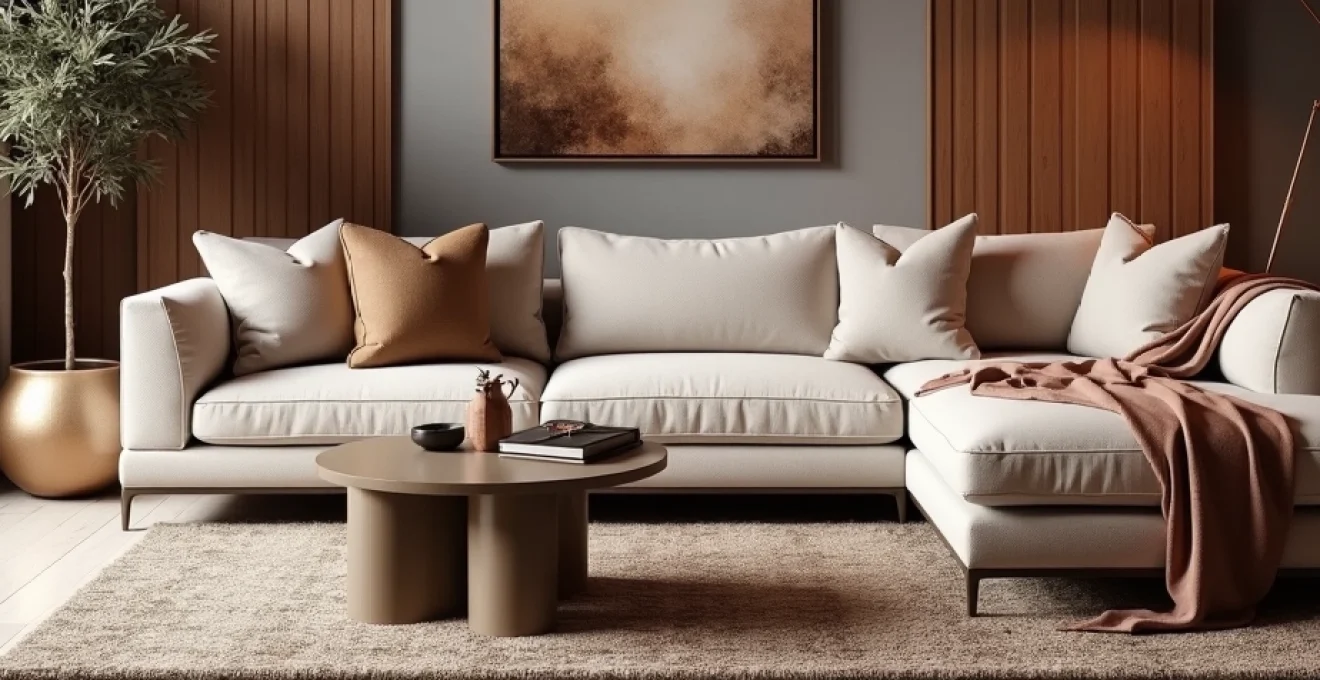
Winter transforms our homes into sanctuaries of warmth and comfort, and few design elements capture this seasonal essence quite like warm metallic accents. The interplay between natural light filtering through frost-kissed windows and the gentle gleam of copper, bronze, and brass creates an atmosphere that feels both luxurious and inviting. Unlike their cooler counterparts such as chrome or stainless steel, warm metallics possess an inherent ability to reflect and amplify ambient lighting whilst introducing depth and sophistication to interior spaces.
The strategic incorporation of warm metallic elements during winter months serves multiple purposes beyond mere aesthetic appeal. These finishes naturally complement the reduced daylight hours by maximising available light reflection, creating an illusion of brightness that counters the season’s inherent darkness. Professional interior designers increasingly recognise that warm metallics act as visual anchors, providing focal points that draw the eye whilst maintaining harmony with traditional winter colour palettes of deep burgundies, forest greens, and rich creams.
Copper finishes and brushed bronze applications in winter interior design
Copper and bronze finishes represent the pinnacle of warm metallic sophistication, offering unparalleled versatility in winter interior applications. These materials possess unique properties that distinguish them from other metallic options, particularly their ability to develop character through natural patina formation. The inherent warmth of copper tones creates an immediate sense of comfort, making spaces feel more intimate and welcoming during the colder months.
Antique copper statement lighting fixtures for cosy ambience
Antique copper lighting fixtures serve as transformative elements that can completely reshape a room’s atmospheric quality. Pendant lights crafted from aged copper cast warm, honeyed illumination that perfectly complements winter’s shorter days. The material’s natural ability to develop patina over time means these fixtures become more characterful with age, creating a living element within the interior design scheme.
When selecting copper lighting fixtures, consider the room’s primary function and existing colour palette. Kitchen islands benefit enormously from oversized copper pendant clusters, whilst dining areas achieve dramatic sophistication through statement chandeliers featuring copper accents. The key lies in balancing the fixture’s visual weight with surrounding elements to prevent overwhelming the space.
Brushed bronze cabinet hardware integration techniques
Brushed bronze cabinet hardware offers a sophisticated alternative to traditional brass or chrome options, providing subtle warmth without overwhelming existing design elements. The brushed finish eliminates reflective glare whilst maintaining the metal’s inherent elegance, making it particularly suitable for kitchen and bathroom applications where functionality meets aesthetic appeal.
Installation techniques for brushed bronze hardware require careful consideration of existing cabinet styles and room proportions. Contemporary shaker-style cabinets pair beautifully with sleek bronze pulls, whilst traditional raised-panel doors benefit from more ornate handle designs. The secret to successful integration lies in maintaining consistency throughout the space whilst allowing for subtle variations in scale and proportion.
Oxidised copper accent wall treatments and patina effects
Oxidised copper wall treatments represent one of interior design’s most striking applications of warm metallics, creating dramatic focal points that capture and reflect light in fascinating ways. The oxidation process produces unique patterns and colour variations, ensuring each installation remains completely individual. Professional application techniques can control the patina development, allowing designers to achieve specific aesthetic outcomes.
The installation process requires specialist knowledge of copper behaviour under various environmental conditions. Moisture levels, temperature fluctuations, and air circulation all influence the final appearance, making professional consultation essential for optimal results. The investment in properly executed oxidised copper treatments pays dividends through increased property value and unmatched visual impact.
Rose gold mirror frames and reflective surface applications
Rose gold finishes have emerged as sophisticated alternatives to traditional yellow gold, offering contemporary elegance with vintage undertones. Mirror frames finished in rose gold create stunning focal points whilst maximising light reflection throughout winter interiors. The subtle pink undertones complement a wide range of colour schemes, from neutral palettes to rich jewel tones.
Strategic placement of rose gold mirrors can dramatically alter a room’s perceived dimensions and brightness levels. Positioning mirrors opposite windows maximises natural light reflection, whilst clustered arrangements create gallery walls that serve as artistic statements. The key to successful rose gold integration lies in moderation – allowing the finish to accent rather than dominate the overall design scheme.
Strategic placement methodologies for metallic accent distribution
Effective metallic accent distribution requires understanding visual flow patterns and the psychological impact of reflective surfaces within interior spaces. Professional designers employ strategic placement methodologies that create balanced compositions whilst avoiding overwhelming visual clutter. The golden ratio principle applies directly to metallic accent placement, ensuring harmonious proportions that feel natural and unforced.
Room dimensions, ceiling heights, and natural light sources all influence optimal metallic placement strategies. Larger spaces can accommodate bolder metallic statements, whilst compact rooms benefit from subtle accents that enhance rather than compete with existing elements. The interaction between metallics and surrounding materials creates complex visual relationships that require careful orchestration for maximum impact.
Focal point theory applied to brass architectural elements
Brass architectural elements function as powerful focal points when strategically integrated into winter interior schemes. Door handles, light switches, and stair railings crafted from brass create cohesive design narratives that guide visual movement throughout spaces. The warm golden tones of brass complement winter lighting conditions, maintaining vibrancy even during overcast days.
Implementation of brass architectural elements requires consideration of maintenance requirements and long-term durability. High-quality brass develops an attractive patina over time, whilst inferior alternatives may tarnish or discolour. Investment in premium brass fittings ensures consistent appearance and lasting performance, making it a worthwhile consideration for discerning homeowners.
Visual weight balancing with pewter and gunmetal accessories
Pewter and gunmetal accessories provide essential counterbalances to warmer metallic tones, preventing colour schemes from becoming overly saturated with golden hues. These cooler metallics offer subtle contrast whilst maintaining overall harmony within winter decorating schemes. The matte finish characteristic of pewter creates textural variety that enhances visual interest without creating jarring contrasts.
Professional designers utilise the 60-30-10 rule when incorporating mixed metallics, with warm tones forming the dominant 60%, neutral metallics comprising 30%, and accent metallics making up the final 10%. This proportion creates visually balanced compositions that feel intentional and sophisticated rather than accidental or chaotic.
The art of metallic distribution lies not in matching every element perfectly, but in creating a harmonious dialogue between different finishes that enhances the overall design narrative.
Layered metallic texturing through Multi-Tonal approaches
Multi-tonal metallic approaches create sophisticated layering effects that add depth and complexity to winter interiors. By combining different metallic finishes within similar colour families, designers achieve nuanced compositions that reward closer inspection. Hammered textures, brushed finishes, and polished surfaces each interact differently with available light, creating dynamic visual experiences throughout the day.
The layering process requires understanding how different metallic textures complement and contrast with one another. Smooth polished surfaces reflect sharp highlights , whilst textured finishes create soft, diffused illumination. Combining these effects strategically throughout a space creates visual rhythm that guides the eye and maintains interest over time.
Proportion guidelines for mixed metal installations
Proportion guidelines for mixed metal installations prevent design schemes from appearing chaotic or unresolved. The scale relationship between different metallic elements must consider both individual piece dimensions and their cumulative visual impact. Oversized metallic statements require careful balancing with smaller accent pieces to maintain overall compositional harmony.
Professional installation techniques ensure mixed metallics enhance rather than compete with architectural features and existing furnishings. The relationship between metallic finishes and surrounding materials creates complex visual equations that benefit from experienced design guidance. Successful mixed metal installations appear effortless whilst requiring considerable planning and expertise to achieve.
Textile integration with warm metal threading and embellishments
The integration of metallic threads and embellishments within textile applications represents one of interior design’s most sophisticated techniques for introducing warm metallic accents. Unlike solid metal fixtures, metallic textiles offer flexibility and movement that creates dynamic visual effects as natural and artificial light conditions change throughout winter days. The interplay between fabric drape and metallic highlights generates constantly evolving patterns that maintain visual interest whilst providing essential comfort elements.
Professional textile artists and interior designers increasingly recognise the value of metallic thread integration in creating cohesive design narratives that span multiple room elements. From subtle copper threading in linen cushions to dramatic gold embroidery on silk curtains, these applications bridge the gap between functional comfort items and decorative artistic statements. The key lies in understanding how different metallic thread types interact with various fabric weights and weaves to achieve desired aesthetic outcomes.
Metallic thread embroidery on winter cushion collections
Metallic thread embroidery transforms ordinary cushions into artistic statements that capture and reflect available light throughout winter interiors. Modern embroidery techniques allow for intricate patterns that range from subtle geometric designs to elaborate botanical motifs, each enhanced by the warm gleam of copper, bronze, or gold threading. The three-dimensional quality of embroidered surfaces creates textural interest that complements smooth metallic fixtures whilst maintaining fabric flexibility.
Selection of appropriate base fabrics greatly influences the final appearance of metallic thread embroidery. Heavyweight cottons and linens provide stable foundations for complex embroidery patterns, whilst silk and velvet offer luxurious backdrops that enhance metallic thread brilliance. Professional embroiderers recommend testing thread compatibility with chosen fabrics to ensure long-term durability and colour retention.
Brass eyelet curtain treatments for seasonal window dressing
Brass eyelet curtain treatments offer elegant solutions for winter window dressing whilst incorporating essential metallic accents in functional applications. The warm golden tones of brass complement winter colour palettes beautifully, whilst the circular eyelet design creates interesting geometric patterns when curtains are gathered. Professional installation techniques ensure smooth curtain operation whilst maximising the decorative impact of brass hardware.
Fabric selection for brass eyelet treatments requires consideration of weight, drape characteristics, and colour compatibility. Heavy winter fabrics such as wool and thick cotton benefit from robust brass eyelets that can support substantial fabric weights without distortion. The relationship between eyelet spacing and fabric fullness affects both functional performance and aesthetic appearance, making professional measurement and installation highly recommended.
Copper-infused throw blanket weaving techniques
Copper-infused throw blankets represent innovative applications of metallic integration within textile design, offering both visual appeal and practical warmth for winter comfort. Advanced weaving techniques incorporate actual copper threads alongside traditional fibres, creating fabrics that possess unique thermal properties whilst maintaining textile flexibility. The natural antimicrobial properties of copper add practical benefits beyond aesthetic considerations.
Manufacturing processes for copper-infused textiles require specialist equipment and expertise to ensure consistent thread integration and long-term durability. The proportion of copper threading affects both appearance and performance characteristics, with higher concentrations providing greater metallic impact but potentially reducing fabric softness. Professional textile manufacturers balance these considerations to create products that excel in both form and function.
Gold leaf application on fabric surfaces for luxury touches
Gold leaf application on fabric surfaces creates ultimate luxury touches that rival the finest decorative arts applications. This specialist technique requires considerable skill and experience to achieve professional results, as fabric movement and texture present unique challenges compared to rigid surface applications. The resulting effects, however, justify the investment through unparalleled visual impact and enduring sophistication.
Fabric preparation for gold leaf application involves multiple stages designed to ensure optimal adhesion and long-term durability. Size application timing and environmental conditions critically influence final results, making temperature and humidity control essential during the application process. Professional artisans recommend testing techniques on fabric samples before committing to final installations.
Gold leaf on fabric represents the ultimate fusion of traditional decorative arts with contemporary textile design, creating pieces that function as both practical items and artistic statements.
Colour temperature coordination with warm metallic undertones
Understanding colour temperature relationships becomes crucial when integrating warm metallic accents into winter interior schemes. The interaction between artificial lighting colour temperatures and metallic finishes significantly affects perceived warmth and overall atmospheric quality. Professional lighting designers recognise that warm metallics perform optimally under specific colour temperature ranges, typically between 2700K and 3000K, which correspond to traditional incandescent lighting characteristics.
The psychological impact of colour temperature coordination extends beyond mere aesthetic considerations, influencing occupant mood and comfort levels during winter months when natural daylight exposure remains limited. Warm metallic accents naturally complement lower colour temperature lighting, creating cohesive environments that feel inviting and comfortable. The strategic coordination of these elements can counteract the potentially depressing effects of reduced winter daylight, promoting positive psychological responses through carefully orchestrated sensory experiences.
Advanced colour theory applications reveal complex relationships between metallic undertones and surrounding colour palettes. Copper and bronze metallics contain red undertones that harmonise beautifully with warm paint colours including terracottas, deep burgundies, and rich creams. Brass and gold finishes lean towards yellow undertones, making them ideal companions for warm whites, soft yellows, and sage greens. Understanding these subtle colour relationships enables designers to create sophisticated palettes that feel natural and harmonious rather than forced or artificial.
Professional colour matching techniques utilise specialised tools and methodologies to ensure optimal coordination between metallic finishes and surrounding elements. Digital colour analysis systems can identify precise undertone characteristics, enabling accurate predictions of how different combinations will appear under various lighting conditions. This technical approach eliminates guesswork whilst ensuring consistent results across multiple room applications and diverse lighting scenarios.
Maintenance protocols for tarnish prevention and metal preservation
Proper maintenance protocols ensure warm metallic accents retain their intended appearance and performance characteristics throughout winter months and beyond. Different metallic finishes require specific care approaches, with natural materials like copper and brass demanding more attention than modern plated alternatives. Understanding these requirements prevents costly damage whilst preserving the investment value of quality metallic installations.
Environmental factors significantly influence metallic deterioration rates, with humidity levels, temperature fluctuations, and air quality all playing crucial roles. Winter heating systems can create challenging conditions for metal preservation, with dry indoor air and temperature cycling potentially accelerating tarnish formation. Professional conservation specialists recommend maintaining consistent humidity levels between 40-60% to minimise environmental stress on metallic surfaces whilst preventing condensation damage.
Regular cleaning schedules prevent minor tarnish accumulation from developing into serious preservation challenges. Gentle cleaning solutions specifically formulated for each metal type remove surface contamination without damaging underlying finishes. Abrasive cleaning materials should be avoided as they can permanently damage protective coatings and create surface scratches that accelerate future tarnishing. Professional cleaning services offer specialised knowledge and equipment for maintaining valuable metallic installations.
| Metal Type | Cleaning Frequency | Recommended Products | Special Considerations |
|---|---|---|---|
| Brass | Monthly | Brass-specific polish | Avoid ammonia-based cleaners |
| Copper | Bi-weekly | Copper cleaner + soft cloth | Monitor patina development |
| Bronze | Quarterly | Mild soap solution | Preserve natural patina |
| Rose Gold | Monthly | Gentle metal cleaner | Test on inconspicuous areas |
Preventive measures prove more effective and economical than reactive restoration approaches. Protective coatings applied during initial installation can significantly extend maintenance intervals whilst preserving original appearance characteristics. Modern nanotechnology coatings offer invisible protection that maintains metallic brilliance without altering surface texture or colour. Professional application ensures optimal coverage and performance, making this investment worthwhile for valuable installations.
The longevity and beauty of warm metallic accents depend not on their initial quality alone, but on consistent, appropriate maintenance throughout their service life.
Budget-conscious metallic accent implementation strategies
Implementing warm metallic accents need not require substantial financial investment when approached strategically and creatively. Professional designers frequently achieve sophisticated metallic integration through carefully selected accent pieces that deliver maximum visual impact whilst maintaining reasonable cost parameters. The key lies in identifying high-impact opportunities where metallic accents can transform spaces disproportionately to their actual cost.
Hardware replacement represents one of the most cost-effective methods for introducing warm metallics throughout interior spaces. Cabinet handles, drawer pulls, light switches, and outlet covers finished in brass or bronze
can transform entire room aesthetics at remarkably affordable price points. Professional-grade metallic spray paints enable DIY enthusiasts to achieve sophisticated finishes on existing fixtures, creating custom appearances that rival expensive designer alternatives. The investment in quality preparation and application techniques yields results that remain durable and attractive for years.
Thrift store discoveries and vintage pieces offer exceptional opportunities for creative metallic transformation projects. Brass candlesticks, copper planters, and bronze decorative objects frequently appear at antique shops and estate sales at fraction of retail prices. With proper restoration techniques, these pieces can become stunning focal points that add authentic character whilst maintaining budget consciousness. The patina and wear characteristics of genuine vintage metallics cannot be replicated through modern manufacturing processes.
Accent lighting represents another cost-effective avenue for metallic integration, with table lamps and floor fixtures offering substantial visual impact relative to their purchase price. Warm-toned LED bulbs enhance metallic finishes significantly, creating expensive-looking effects through strategic illumination rather than costly materials. The combination of budget-friendly metallic fixtures with premium lighting technology delivers professional-quality results at accessible price points.
Strategic purchasing timing can dramatically reduce costs for quality metallic accent pieces. End-of-season sales, clearance events, and discontinued inventory often feature significant discounts on premium metallic fixtures and accessories. Professional designers frequently maintain relationships with suppliers to access trade discounts and sample sales, opportunities that astute homeowners can sometimes access through design consultations or showroom events.
DIY metallic leafing projects offer luxury appearances at minimal material costs, with gold leaf sheets and adhesive systems available through craft suppliers at reasonable prices. Small accent areas such as picture frames, mirror borders, and decorative objects provide ideal practice opportunities for developing leafing skills. Mastery of these techniques opens possibilities for creating custom metallic accents that perfectly match specific design visions whilst maintaining strict budget parameters.
Budget-conscious metallic implementation succeeds through strategic selection of high-impact applications rather than comprehensive metallic coverage, creating sophisticated effects through careful planning and creative problem-solving.
Rental property considerations require different approaches to metallic accent implementation, focusing on removable and reversible options that enhance spaces without permanent modifications. Adhesive metallic contact films, removable hardware, and freestanding metallic accessories provide flexibility for tenants seeking sophisticated design improvements. These solutions offer excellent cost-effectiveness whilst preserving security deposits and maintaining landlord relationships.
The psychology of perceived value plays crucial roles in budget metallic implementations, with strategic placement of quality pieces creating impressions of comprehensive luxury throughout spaces. A single premium brass mirror or copper light fixture can elevate entire rooms when supported by carefully coordinated budget accessories. Understanding visual hierarchy and focal point theory enables maximum impact from minimal investment, proving that sophisticated metallic integration remains accessible regardless of budget constraints.