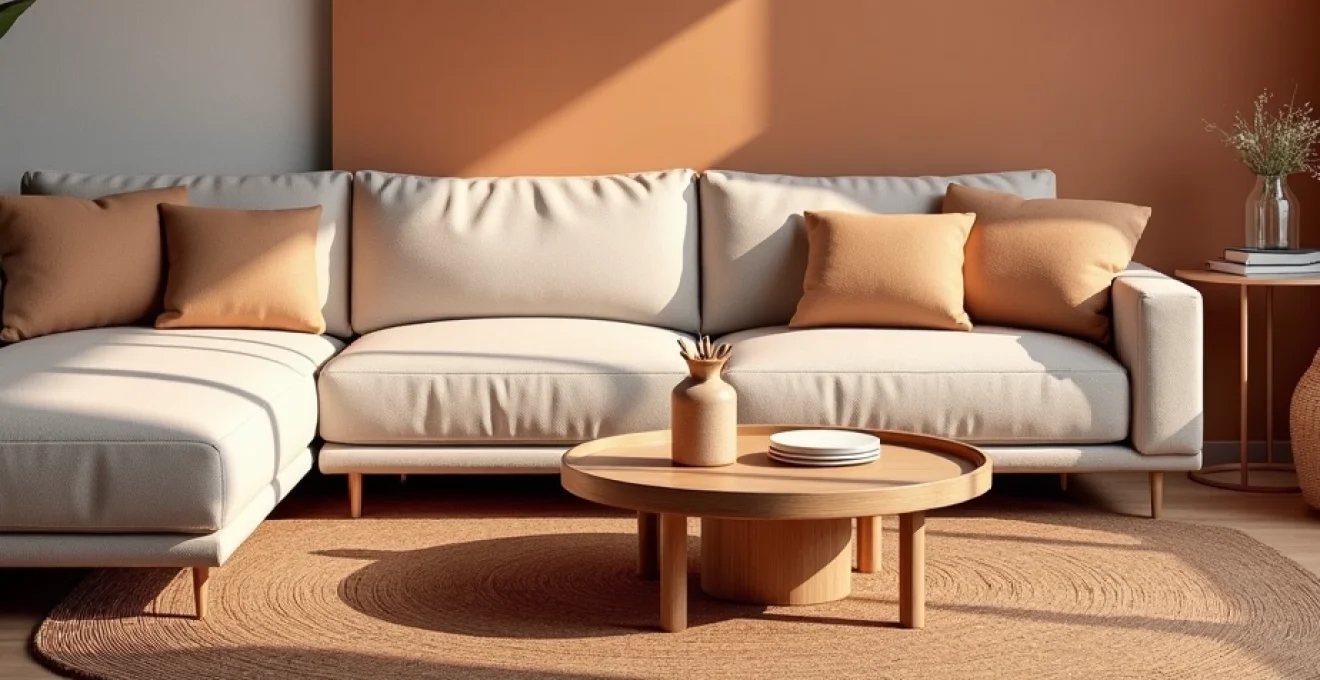
Creating a warm and welcoming atmosphere in your living space goes far beyond simply arranging furniture or choosing attractive decor. It involves understanding the psychological impact of design elements and how they influence our emotional response to interior environments. The science of spatial psychology reveals that certain combinations of colour, lighting, texture, and layout can trigger feelings of comfort, security, and contentment in residents and visitors alike.
Modern interior design increasingly recognises that our homes serve as sanctuaries from the outside world, making the creation of welcoming atmospheres more crucial than ever. Research indicates that people spend approximately 90% of their time indoors, making the emotional quality of these spaces fundamental to overall wellbeing. Whether you’re designing a compact studio flat or a sprawling family home, the principles of atmospheric design remain consistent across different scales and budgets.
Colour psychology and temperature theory in interior design
The foundation of any welcoming interior lies in understanding how colours affect human psychology and perception. Colour temperature theory provides a scientific framework for creating spaces that feel inherently comfortable and inviting. This approach considers not only individual colour preferences but also the biological and psychological responses that different hues trigger in the human brain.
Research conducted by the Institute of Environmental Psychology demonstrates that warm colours can increase heart rate and create feelings of energy and comfort, while cooler tones tend to lower blood pressure and promote relaxation. The key to successful atmospheric design lies in achieving the right balance between these opposing forces, creating spaces that feel both stimulating and restful.
Warm colour palettes: implementing reds, oranges, and earth tones
Warm colour palettes form the cornerstone of welcoming interior design, with reds, oranges, and earth tones creating immediate psychological warmth. These colours stimulate the production of dopamine and serotonin, neurotransmitters associated with happiness and comfort. When implementing warm palettes, consider using deeper, more muted versions of these colours as primary wall treatments, reserving brighter iterations for accent pieces and decorative elements.
The strategic application of warm colours requires careful consideration of natural light exposure and room function. Terracotta and burnt sienna shades work exceptionally well in north-facing rooms that receive limited natural light, while softer peach and coral tones complement south-facing spaces with abundant sunlight. Professional designers often recommend the 60-30-10 rule: 60% dominant warm neutral, 30% secondary warm colour, and 10% accent colour for optimal visual balance.
Cool colour balance: strategic use of blues and greens for contrast
While warm colours create the foundation of welcoming spaces, cool colours provide essential balance and prevent overwhelming sensory experiences. Blues and greens, when used strategically, can enhance the perceived warmth of a space by creating visual contrast and depth. This phenomenon, known as simultaneous contrast, makes warm colours appear even more vibrant when placed adjacent to cooler tones.
The incorporation of cool colours should follow the principle of proportional harmony , where cooler tones occupy smaller percentages of the overall colour scheme. Sage greens and powder blues work particularly well as accent colours in textiles, artwork, and decorative accessories, providing visual rest points that prevent colour fatigue while maintaining the overall warm atmosphere.
Benjamin moore and farrow & ball: premium paint selection for emotional impact
Premium paint manufacturers like Benjamin Moore and Farrow & Ball have developed sophisticated colour systems specifically designed to enhance emotional responses to interior spaces. Benjamin Moore’s Color Preview technology allows designers to visualise how colours will appear under different lighting conditions throughout the day, ensuring consistent atmospheric quality regardless of external factors.
Farrow & Ball’s unique pigment formulations create depth and richness that standard paint formulations cannot achieve. Their colours like ‘Setting Plaster’ and ‘Elephant’s Breath’ demonstrate how subtle colour variations can dramatically impact the perceived warmth and welcome of a space. These premium paints contain higher concentrations of titanium dioxide and natural pigments, resulting in colours that appear to change subtly throughout the day as lighting conditions shift.
Colour temperature measurement: understanding kelvin scale applications
The Kelvin scale provides objective measurement for colour temperature, ranging from warm (2700K) to cool (6500K) tones. Understanding this scale enables precise atmospheric control through both paint selection and lighting design. Colours with lower Kelvin ratings appear warmer and more inviting, while higher ratings create cooler, more clinical atmospheres.
Professional interior designers use spectrophotometers to measure the exact Kelvin rating of paint colours under different lighting conditions. This technical approach ensures that chosen colours maintain their welcoming qualities throughout various times of day and seasonal lighting changes, preventing the common problem of colours appearing dramatically different than expected.
Strategic lighting design for ambient warmth
Lighting design represents perhaps the most powerful tool for creating welcoming atmospheres, with the ability to instantly transform the emotional quality of any space. The strategic use of multiple light sources at varying intensities and colour temperatures can create depth, warmth, and visual interest that makes occupants feel comfortable and relaxed. Modern lighting technology offers unprecedented control over atmospheric quality, allowing for precise adjustment of both functional illumination and emotional ambiance.
The circadian rhythm research conducted by Harvard Medical School reveals that lighting colour temperature directly impacts human sleep patterns and emotional wellbeing. Spaces designed with biophilic lighting principles that mimic natural daylight patterns throughout the day create environments that feel more natural and welcoming to human occupants.
Layered lighting techniques: ambient, task, and accent integration
Professional lighting design relies on the integration of three distinct lighting types: ambient, task, and accent illumination. Ambient lighting provides overall room illumination, typically through ceiling-mounted fixtures or recessed lighting systems. Task lighting focuses on specific functional areas such as reading nooks or kitchen work surfaces. Accent lighting highlights architectural features, artwork, or decorative elements that contribute to the room’s welcoming character.
The ratio between these three lighting types significantly impacts atmospheric quality. Research suggests that welcoming spaces benefit from higher proportions of ambient and accent lighting relative to task lighting, creating a more relaxed and less functional atmosphere. Dimmer controls on all lighting circuits allow occupants to adjust the balance throughout the day, maintaining optimal atmospheric conditions for different activities and moods.
LED temperature control: 2700K to 3000K for residential comfort
LED technology has revolutionised residential lighting by offering precise colour temperature control within the optimal range for creating welcoming atmospheres. The 2700K to 3000K range closely mimics the warm light of traditional incandescent bulbs while providing superior energy efficiency and longevity. This temperature range stimulates the production of melatonin in the evening hours, promoting relaxation and comfort.
Modern LED systems allow for tunable white technology, enabling gradual colour temperature adjustments throughout the day. Morning lighting can begin at 3000K for alertness, gradually warming to 2700K in the evening for relaxation. This dynamic approach to lighting temperature creates spaces that feel naturally welcoming while supporting healthy circadian rhythms.
Philips hue and LIFX smart lighting systems for atmospheric control
Smart lighting systems from manufacturers like Philips Hue and LIFX offer unprecedented control over atmospheric lighting conditions. These systems enable scene programming that automatically adjusts colour temperature, brightness, and even colour throughout the day. The ability to create custom lighting scenes for different activities enhances the welcoming quality of spaces by ensuring optimal lighting conditions for relaxation, entertainment, or intimate gatherings.
The integration of smart lighting with home automation systems allows for seamless atmospheric control that responds to occupancy, time of day, and even weather conditions. Geofencing technology can automatically adjust lighting to welcoming settings when residents approach their homes, creating an immediate sense of comfort and arrival.
Natural light optimisation through window treatment strategies
Natural light represents the most powerful and cost-effective method for creating welcoming atmospheres, requiring strategic window treatment approaches that maximise beneficial illumination while controlling glare and privacy concerns. The quality and quantity of natural light directly impact serotonin production, making spaces feel more open, healthy, and inviting to occupants.
Window treatment strategies should prioritise light diffusion over complete blockage , using materials like linen curtains, bamboo blinds, or frosted glass films that maintain privacy while allowing natural illumination to penetrate interior spaces. Layered window treatments combining sheer and opaque materials provide maximum flexibility for atmospheric control throughout different times of day and seasons.
Textile selection and fabric psychology for tactile comfort
The psychological impact of textiles extends far beyond visual aesthetics, engaging our sense of touch to create deeper emotional connections with interior spaces. Fabric psychology research demonstrates that certain textures trigger specific neurological responses that can enhance feelings of comfort, security, and welcome. The strategic selection and placement of textiles throughout living spaces creates layers of tactile experience that invite interaction and relaxation.
Studies conducted by the Textile Research Institute reveal that natural fibre textiles create more positive psychological responses than synthetic alternatives, largely due to their irregular surface textures and thermal properties. This research supports the growing trend toward biophilic textile integration in residential design, where natural materials create unconscious connections to outdoor environments.
Natural fibre integration: wool, cotton, and linen applications
Natural fibres possess unique properties that contribute significantly to atmospheric warmth and comfort. Wool’s natural crimped structure creates insulating air pockets that provide both thermal comfort and acoustic dampening, making spaces feel quieter and more intimate. Cotton’s breathability and softness make it ideal for year-round comfort, while linen’s relaxed texture and natural irregularities create visual and tactile interest that enhances welcoming atmospheres.
The integration of these natural fibres should consider both functional and aesthetic properties. Merino wool throws provide luxury tactile experiences while offering practical temperature regulation. Organic cotton cushions and upholstery create healthy, chemical-free environments that appeal to environmentally conscious residents. Linen curtains and table linens introduce casual elegance that makes spaces feel more approachable and comfortable.
Texture layering principles: combining smooth and rough surface elements
Successful textile design relies on the strategic layering of contrasting textures to create visual and tactile depth. The juxtaposition of smooth surfaces like silk or satin with rougher textures such as jute or raw wool creates dynamic interplay that maintains visual interest while preventing monotony. This contrast principle applies to all textile applications, from upholstery combinations to decorative accent arrangements.
Professional designers often follow the rule of three textures within any single seating arrangement or decorative vignette. This might include a smooth leather sofa paired with a nubby wool throw and a silk velvet cushion. The combination creates tactile variety that invites exploration while maintaining overall design cohesion through careful colour coordination.
Hygge-inspired textile arrangements: scandinavian comfort methodology
The Danish concept of hygge provides a proven methodology for creating welcoming atmospheres through textile arrangements that prioritise comfort and cosiness. Hygge principles emphasise the importance of layered softness through multiple textile elements that can be adjusted according to comfort needs and seasonal changes. This approach recognises that welcoming spaces should adapt to occupant needs rather than maintaining static aesthetic arrangements.
Hygge-inspired textile arrangements typically include oversized throws that can envelope multiple occupants, floor cushions that create flexible seating options, and soft area rugs that define intimate conversation areas. The emphasis on natural colours and textures creates environments that feel inherently welcoming without appearing overly designed or formal.
Seasonal fabric rotation: adapting materials for Year-Round warmth
Seasonal fabric rotation maintains optimal atmospheric conditions throughout the year while preventing design stagnation. Summer arrangements might emphasise lighter linens and cottons in pale colours that reflect heat and create visual coolness. Winter textiles focus on warmer wools and deeper colours that absorb light and create psychological warmth during shorter daylight hours.
This rotation strategy extends beyond simple seasonal changes to include transitional periods where layered textile arrangements allow gradual adaptation to changing weather conditions. Spring and autumn arrangements might combine summer and winter textiles, providing flexibility for temperature variations while maintaining consistent atmospheric quality throughout transitional periods.
The most welcoming homes are those where textile comfort can be easily adjusted to match both weather conditions and personal comfort preferences, creating spaces that feel responsive to occupant needs.
Spatial layout optimisation using proxemics theory
Proxemics theory, developed by anthropologist Edward T. Hall, provides scientific foundation for creating welcoming spatial arrangements that respect human comfort zones while encouraging social interaction. This theory identifies four distinct distance zones – intimate, personal, social, and public – that influence how comfortable people feel in different spatial arrangements. Understanding these zones enables designers to create layouts that feel naturally welcoming rather than accidentally intimidating or uncomfortably intimate.
The application of proxemics theory to residential design considers both the physical dimensions of spaces and the psychological comfort of occupants. Conversation distance optimization ensures that seating arrangements facilitate comfortable communication without forcing uncomfortably close proximity. Research indicates that seating arrangements positioned 4-6 feet apart create optimal conditions for relaxed conversation, while distances greater than 8 feet require raised voices that can create tension rather than comfort.
Successful spatial layout also considers traffic flow patterns that allow easy movement without disrupting occupied spaces. The concept of circulation hierarchy prioritises main pathways while creating secondary routes that provide options for different movement patterns. This flexibility prevents spaces from feeling rigid or overly controlled, instead creating environments that adapt to different usage patterns and occupant preferences.
Furniture scale relative to room dimensions significantly impacts atmospheric quality, with oversized pieces creating intimacy in large spaces while appropriately scaled furniture prevents smaller rooms from feeling cramped. The golden ratio (1:1.618) provides mathematical guidance for optimal spatial proportions, ensuring that furniture arrangements feel naturally balanced and welcoming rather than accidentally awkward or forced.
Biophilic design integration for natural warmth enhancement
Biophilic design principles recognise the fundamental human need for connection with natural environments, providing powerful tools for creating inherently welcoming interior atmospheres. This design philosophy extends beyond simple plant placement to encompass natural materials, organic forms, natural lighting patterns, and even representations of natural processes. Research conducted by Harvard School of Public Health demonstrates that biophilic environments can reduce stress hormones by up to 15% while increasing cognitive function and overall wellbeing.
The integration of living plants serves multiple atmospheric functions beyond their obvious aesthetic contributions. Plants naturally humidify indoor air, creating more comfortable breathing conditions while filtering harmful chemicals and producing oxygen. The presence of living elements creates psychological connections to natural cycles that help residents feel more grounded and relaxed. Strategic plant placement near seating areas and in transitional spaces enhances the welcoming quality of these important zones.
Natural material integration extends biophilic principles throughout all design elements, from structural features to decorative accessories. Wood elements with visible grain patterns, stone surfaces with natural variations, and metal finishes that develop patina over time create environments that feel alive and authentic rather than sterile or manufactured. These materials age gracefully, developing character that enhances rather than diminishes their welcoming qualities over time.
Water features represent the most psychologically powerful biophilic elements, with the sound of moving water triggering immediate relaxation responses in most individuals. Even small-scale water features like tabletop fountains can significantly enhance atmospheric quality by providing natural white noise that masks intrusive sounds while creating auditory connections to natural environments. The negative ions produced by moving water also contribute to improved air quality and enhanced mood.
Biophilic design creates welcoming atmospheres by satisfying unconscious human desires for natural connection, resulting in spaces that feel inherently comfortable and restorative.
The incorporation of natural light patterns through strategic window placement and skylights mimics outdoor lighting conditions that support healthy circadian rhythms. Spaces designed with dynamic natural illumination feel more alive and welcoming than those relying solely on artificial lighting sources. Even in urban environments with limited natural views, the strategic use of mirrors and reflective surfaces can amplify available natural light while creating the illusion of expanded outdoor connection.
Organic architectural forms inspired by natural shapes create subconscious comfort through their familiar, non-threatening geometries. Curved walls, arched doorways, and flowing spatial transitions feel more welcoming than sharp angles and rigid geometric forms. This principle applies to both permanent architectural features and moveable elements like furniture and decorative objects, where organic shapes contribute to overall atmospheric softness and approachability.