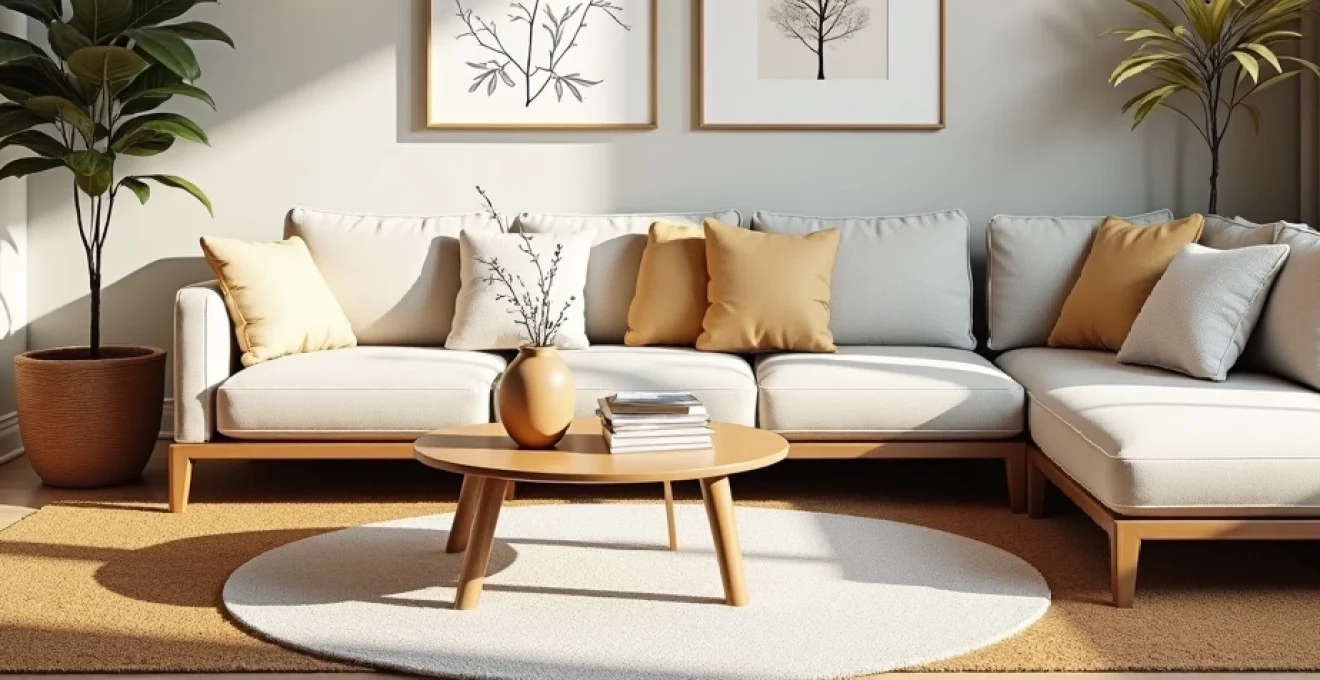
Creating a home that truly reflects your values and supports your well-being goes far beyond following the latest design trends or filling rooms with beautiful objects. Intentional decorating represents a fundamental shift from impulsive purchasing decisions to thoughtful curation, where every element serves a purpose and contributes to the overall harmony of your living environment. This approach transforms your home from merely a functional shelter into a sanctuary that nurtures your physical, emotional, and spiritual needs.
The modern world bombards us with countless decorating options, from fast furniture to endless Pinterest inspiration boards. However, intentional design principles encourage you to pause, reflect, and make conscious choices that align with your authentic self. By understanding the deeper connections between your environment and your well-being, you can create spaces that not only look beautiful but actively support your daily rituals, relationships, and personal growth.
Understanding intentional design principles and spatial psychology
Spatial psychology reveals how our physical environment profoundly impacts our mental state, productivity, and overall happiness. Research consistently demonstrates that thoughtfully designed spaces can reduce stress levels by up to 15% whilst improving focus and creativity by 25%. The key lies in understanding how different design elements trigger psychological responses and leveraging these insights to create environments that support your specific lifestyle needs.
The foundation of intentional design rests on the principle that form follows function , but extends beyond mere practicality to encompass emotional and spiritual functionality. Your living space should accommodate not only your physical activities but also your emotional rhythms and aspirations. This means considering how you want to feel in each room and selecting design elements that reinforce those desired emotions.
Successful intentional design begins with honest self-reflection about your daily habits, personal values, and long-term goals. Rather than copying magazine layouts or following prescriptive design rules, you must identify what genuinely brings you joy, peace, and inspiration. This personalised approach ensures that your home becomes an authentic extension of your identity rather than a superficial imitation of someone else’s aesthetic preferences.
Biophilic design elements and natural material integration
Biophilic design harnesses our innate connection to nature by incorporating natural elements, materials, and patterns into indoor environments. Studies show that exposure to natural materials can lower cortisol levels by 12% and improve air quality by up to 30%. The integration of wood, stone, plants, and natural fibres creates a sensory bridge between indoor comfort and outdoor vitality.
When selecting natural materials, consider their tactile qualities alongside their visual appeal. Raw oak flooring provides warmth underfoot whilst aging gracefully over time, developing character that synthetic alternatives cannot replicate. Similarly, natural stone surfaces offer cooling properties and unique mineral patterns that create visual interest without overwhelming the senses.
Living plants serve as dynamic design elements that evolve throughout seasons whilst purifying indoor air. Choose species that thrive in your specific lighting conditions rather than struggling to maintain high-maintenance varieties that contradict your lifestyle. The goal is to create sustainable natural elements that enhance rather than burden your daily routine.
Colour psychology theory and emotional response patterns
Colour profoundly influences mood, energy levels, and cognitive function through both psychological associations and physiological responses. Cool blues and greens activate the parasympathetic nervous system, promoting relaxation and reducing blood pressure by an average of 3-5 mmHg. Conversely, warm oranges and reds stimulate the sympathetic nervous system, increasing alertness and social interaction.
Understanding colour temperature helps you create appropriate atmospheres for different activities. Rooms intended for rest benefit from cooler colour palettes with temperatures below 3000K, whilst creative workspaces thrive with warmer tones above 4000K. This scientific approach to colour selection ensures that your choices support rather than hinder your intended room functions.
Personal colour preferences often stem from meaningful life experiences and cultural backgrounds. Rather than dismissing these instinctive attractions, explore ways to incorporate personally significant colours within psychologically appropriate contexts. A beloved childhood blue might work beautifully in a bedroom whilst proving too calming for a home office environment.
Feng shui bagua mapping for energy flow optimisation
The ancient practice of Feng Shui offers systematic methods for arranging physical spaces to promote positive energy flow and life balance. The Bagua map divides living spaces into nine zones, each corresponding to different life aspects such as career, relationships, and health. By aligning furniture placement and decorative elements with these energetic zones, you can create environments that support your personal and professional aspirations.
Effective energy flow requires clear pathways and balanced arrangements that avoid visual or physical obstacles. Furniture should create natural conversation areas whilst maintaining easy navigation throughout the room. Sharp corners and cluttered surfaces disrupt energy flow, whilst rounded edges and organised displays promote harmony and movement.
The commanding position principle suggests placing key furniture pieces where you can see the room’s entrance whilst feeling supported by a solid wall behind you. This arrangement reduces subconscious stress and increases feelings of security and control, particularly important for desks, beds, and primary seating areas.
Scandinavian hygge philosophy in contemporary interior spaces
Hygge represents a Danish lifestyle philosophy that emphasises cozy contentment and comfortable conviviality through simple pleasures and mindful living. This approach to interior design prioritises comfort, warmth, and authentic experiences over impressive aesthetics or expensive acquisitions. Creating hygge-inspired spaces involves selecting items that encourage relaxation, connection, and present-moment awareness.
Textural layering plays a crucial role in achieving hygge atmospheres through soft furnishings that invite touch and provide physical comfort. Wool blankets, linen cushions, and sheepskin throws create inviting surfaces that encourage slowing down and savoring quiet moments. These elements should feel generous and welcoming rather than precious or untouchable.
Lighting quality significantly impacts the hygge experience, with warm, diffused illumination creating more intimate and relaxing atmospheres than bright, direct lighting. Candles, table lamps, and string lights provide the gentle glow that makes spaces feel sanctuary-like and encourages evening relaxation and meaningful conversation.
Curating personal artefacts and Memory-Based collections
Meaningful possessions serve as tangible connections to important relationships, experiences, and personal milestones. Rather than displaying objects simply because they appear attractive or fashionable, intentional curation focuses on items that genuinely resonate with your personal narrative and values. This approach transforms your living space into a visual autobiography that reinforces your identity and inspires continued growth.
The process of meaningful curation requires regular evaluation and conscious decision-making about which possessions deserve prominent display versus storage or removal. Objects that no longer serve your current lifestyle or reflect outdated versions of yourself can create visual noise that undermines the clarity and intentionality of your space. Quality over quantity becomes the guiding principle, with each displayed item earning its place through genuine significance rather than default accumulation.
Effective personal curation also considers the emotional impact of groupings and arrangements. Items with similar energy or meaning often work well together, creating coherent vignettes that tell specific stories or evoke particular moods. However, contrasting elements can also create dynamic tension that sparks conversation and reflection, provided the overall composition maintains visual and emotional balance.
Vintage family heirloom display techniques and conservation
Family heirlooms carry irreplaceable historical and emotional value that requires thoughtful presentation and proper conservation. These pieces often represent multiple generations of family history and should be displayed in ways that honour their significance whilst protecting them from damage. Understanding basic conservation principles helps ensure that these treasures remain intact for future generations to appreciate and inherit.
Environmental factors such as temperature fluctuations, humidity levels, and direct sunlight can cause irreversible damage to vintage materials. Fabrics, photographs, and wood items particularly benefit from stable conditions with relative humidity between 45-55% and temperatures around 18-21°C. UV-filtering glass and strategic placement away from heat sources help preserve colours and prevent deterioration.
Display methods should balance visibility with protection, allowing family members and guests to appreciate heirlooms without subjecting them to unnecessary handling or environmental stress. Shadow boxes, glass-front cabinets, and wall-mounted display cases provide excellent protection whilst maintaining visual access. Regular gentle cleaning using appropriate materials helps maintain condition without causing damage.
Travel memento integration using gallery wall systems
Travel mementos serve as powerful triggers for positive memories and can inspire future adventures when thoughtfully integrated into your living space. However, random accumulation of souvenirs often creates visual chaos that diminishes rather than enhances the memories they represent. Strategic display systems help organise and showcase travel experiences in ways that create cohesive visual narratives.
Gallery wall systems provide flexible frameworks for combining various memento types whilst maintaining visual unity. Consistent framing or mounting techniques help disparate objects work together aesthetically, whilst strategic spacing and arrangement create rhythm and balance. Consider grouping items by geographic region, trip timeline, or thematic connections to create more meaningful displays.
Three-dimensional objects such as textiles, ceramics, or natural specimens require creative display solutions that accommodate their unique shapes and sizes. Floating shelves, shadow boxes, and display pedestals provide platforms for these items whilst contributing architectural interest to your walls. Proper lighting enhances texture and detail whilst creating dramatic focal points.
Artisan craft collections and handmade object curation
Handmade objects carry the energy and intention of their creators, adding authentic human connection to your living environment. Supporting artisan crafts also contributes to cultural preservation and sustainable economic practices that align with intentional living values. These pieces often feature unique imperfections and material variations that mass-produced items cannot replicate, creating visual interest and conversation opportunities.
When curating artisan collections, consider the stories behind each piece and how they reflect your values and interests. Pottery made by local artists, textiles woven by traditional craftspeople, or furniture built by regional woodworkers all contribute to a sense of place and community connection. These items often appreciate in value over time whilst providing daily pleasure and functional utility.
Proper display techniques help handmade objects maintain their integrity whilst showcasing their unique qualities. Natural lighting reveals texture and craftsmanship details that artificial lighting might obscure. Grouping similar materials or techniques can create compelling collections, whilst mixing different craft traditions adds international flair and cultural richness to your displays.
Photographic memory walls and digital frame technology
Photography serves as one of the most direct ways to personalise your living space with meaningful memories and relationships. However, the abundance of digital images created by modern technology requires intentional curation to avoid overwhelming displays that lose emotional impact. Thoughtful selection and presentation techniques help photographs function as powerful design elements that enhance rather than clutter your space.
Digital frame technology offers innovative solutions for displaying large photo collections whilst maintaining clean, updated presentations. Modern digital frames can cycle through hundreds of images, allowing you to enjoy extensive photo libraries without permanent wall commitment. Smart frames can automatically update with new images from cloud storage or social media accounts, ensuring displays remain current and relevant.
Traditional printed photographs provide tactile qualities and permanence that digital displays cannot replicate. High-quality printing and professional framing protect important images whilst creating more formal, gallery-like presentations. Mix sizes and orientations thoughtfully to create dynamic arrangements that guide the eye whilst maintaining overall cohesion and visual balance.
Sustainable furniture selection and ethical sourcing strategies
Sustainable furniture selection aligns your decorating choices with environmental responsibility whilst often resulting in higher quality pieces that provide better long-term value. The furniture industry significantly impacts global forests, with conventional manufacturing consuming approximately 40% of the world’s industrial wood supply. Choosing sustainably sourced materials and ethically manufactured pieces reduces this environmental burden whilst supporting responsible business practices.
Durability represents a crucial aspect of sustainable furniture selection, as longer-lasting pieces reduce replacement frequency and associated environmental costs. Solid wood construction typically outlasts particle board or veneer alternatives by decades, making the higher initial investment worthwhile over the furniture’s lifetime. Traditional joinery techniques such as mortise and tenon connections provide superior strength compared to modern fastener-based assembly methods.
Local sourcing strategies reduce transportation environmental impacts whilst supporting regional economies and craftspeople. Furniture made within 500 miles of your location typically has a 60% smaller carbon footprint compared to internationally shipped alternatives. Additionally, local artisans can often provide customisation options that ensure perfect fit and function for your specific space requirements.
The most sustainable furniture is that which you love enough to keep for a lifetime, regardless of changing trends or minor wear that adds character rather than diminishing appeal.
Vintage and antique furniture represent the ultimate in sustainable selection, as these pieces have already proven their durability whilst requiring no new resource consumption. Estate sales, auction houses, and speciality dealers offer access to well-made pieces from eras when furniture construction emphasised longevity over cost efficiency. Professional restoration can return these pieces to full functionality whilst preserving their historical character and craftsmanship.
Certification systems such as Forest Stewardship Council (FSC) and Sustainable Furnishings Council (SFC) provide reliable indicators of responsible manufacturing practices. These organisations verify that member companies meet strict environmental and social responsibility standards throughout their supply chains. Look for certified products when purchasing new furniture to ensure your choices support ethical business practices.
Lighting design architecture for mood and functionality
Lighting serves as the invisible architect of interior atmospheres, dramatically influencing how spaces feel and function throughout different times of day and seasons. Poor lighting can render the most beautifully furnished room uncomfortable or unusable, whilst thoughtful illumination transforms even modest spaces into inviting, functional environments. Understanding the interplay between natural and artificial light sources allows you to create dynamic environments that adapt to changing needs and preferences.
The concept of layered lighting involves combining multiple light sources at different heights and intensities to create flexible, nuanced illumination. This approach typically includes ambient lighting for general visibility, task lighting for specific activities, and accent lighting for visual interest and mood enhancement. Each layer serves distinct purposes whilst contributing to the overall lighting composition.
Successful lighting design requires careful consideration of both functional requirements and aesthetic goals. Reading areas need adequate task lighting to prevent eye strain, typically requiring 500-1000 lux at the reading surface. Conversely, dining areas benefit from softer, warmer lighting that creates intimate atmospheres conducive to conversation and relaxation. Understanding these specific requirements helps you make informed lighting choices that enhance rather than compromise intended room functions.
Circadian rhythm lighting systems and smart home integration
Circadian rhythm lighting systems synchronise indoor illumination with natural daily light cycles, supporting healthy sleep patterns and overall well-being. These systems automatically adjust colour temperature and intensity throughout the day, providing energising cool light during morning hours and gradually transitioning to warmer, dimmer illumination as evening approaches. Research indicates that properly timed light exposure can improve sleep quality by 23% and reduce seasonal depression symptoms by up to 40%.
Smart home integration allows circadian lighting systems to coordinate with other environmental controls such as temperature regulation and window treatments. This comprehensive approach creates seamless transitions between different daily activities whilst minimising manual adjustments. Voice control and smartphone apps provide convenient operation methods that encourage consistent use of circadian lighting benefits.
Installation considerations for circadian systems include compatibility with existing fixtures and electrical infrastructure. LED technology provides the colour temperature flexibility required for effective circadian lighting whilst offering energy efficiency and long operational life. Professional installation ensures proper system calibration and integration with home automation platforms.
Task lighting placement using ergonomic design principles
Effective task lighting placement eliminates shadows and glare whilst providing adequate illumination for specific activities. Ergonomic principles guide optimal positioning to minimise eye strain and physical discomfort during extended use. For desk work, light sources should be positioned to the side of the dominant hand to prevent writing shadows, typically at a 45-degree angle from the work surface.
Kitchen task lighting requires multiple sources to accommodate various food preparation activities. Under-cabinet lighting eliminates shadows cast by overhead fixtures, whilst pendant lights over islands provide focused illumination for detailed tasks. Adjustable fixtures allow customisation for different users and activities, ensuring comfort for all family members regardless of height or handedness.
Reading areas benefit from adjustable task lighting that accommodates different postures and materials. Floor lamps with adjustable arms and dimming capability provide flexibility for various reading situations, from newspaper browsing to detailed study. The light source should be positioned slightly behind and to the side of the reader to prevent glare whilst providing even illumination across the reading material.
Ambient lighting layering with dimmer control technology
Ambient lighting provides general room illumination whilst establishing overall mood and atmosphere. Layering multiple ambient sources creates more interesting and flexible lighting environments compared to single-source solutions. Ceiling fixtures, wall sconces, and floor lamps can work together to eliminate harsh shadows whilst providing even, comfortable illumination throughout the space.
Dimmer controls transform ambient lighting from static to dynamic, allowing adjustment for different activities and times of day. Modern LED-compatible dimmers provide smooth operation across the full brightness range without flick
ering or buzzing commonly associated with older dimmer technology.
Layered ambient lighting benefits from strategic placement at different vertical levels throughout the room. Upper-level sources such as ceiling-mounted fixtures provide general illumination, whilst mid-level table and floor lamps add warmth and visual interest. Lower-level sources including toe-kick lighting and accent strips create depth and architectural definition, particularly effective in evening hours when brighter sources are dimmed.
Color temperature coordination across ambient lighting layers ensures visual harmony whilst supporting circadian rhythm benefits. Mixing warm and cool light sources can create visual discord and undermine the calming effects of properly designed ambient lighting. Consistent temperature ranges within each layer, with gradual transitions between different zones, create more sophisticated and comfortable lighting environments.
Spatial flow optimisation through purposeful furniture placement
The arrangement of furniture within a room fundamentally determines how the space functions and feels, influencing everything from conversation patterns to daily movement efficiency. Strategic furniture placement creates natural pathways that guide movement whilst establishing distinct zones for different activities. Research in environmental psychology demonstrates that well-planned furniture arrangements can increase social interaction by 35% whilst reducing physical fatigue during daily routines by up to 20%.
The concept of traffic flow involves creating clear, unobstructed pathways between frequently used areas such as entrances, seating areas, and functional zones. These pathways should measure at least 90 centimetres wide for comfortable single-person passage, with wider corridors of 120-150 centimetres in high-traffic areas. Furniture placement that forces awkward navigation or creates bottlenecks generates subconscious stress and diminishes the room’s overall functionality.
Focal point establishment through furniture arrangement directs attention to architectural features, artwork, or views whilst creating visual anchors that prevent rooms from feeling scattered or chaotic. The largest piece of furniture, typically a sofa or dining table, often serves as the primary focal point around which other elements are arranged. Secondary focal points such as fireplaces, windows, or entertainment centres require careful balance to avoid competing for attention or creating visual confusion.
Conversation areas benefit from intimate furniture groupings that encourage face-to-face interaction whilst maintaining comfortable personal space boundaries. The optimal distance for casual conversation ranges from 1.2 to 2.1 metres, with seating arranged to avoid forcing participants to turn their bodies awkwardly. L-shaped and U-shaped seating configurations naturally promote inclusive conversations, whilst parallel arrangements can feel formal or confrontational depending on the context.
Scale and proportion considerations ensure that furniture pieces work harmoniously within the room’s architectural framework. Oversized furniture can overwhelm modest spaces, whilst undersized pieces may appear lost in large rooms. The golden ratio of 1:1.618 provides a mathematical guideline for pleasing proportional relationships, though personal preference and functional requirements should ultimately guide final decisions. Visual weight distribution across the room prevents areas from feeling heavy or empty.
Sensory engagement through texture, scent, and acoustic elements
Creating truly meaningful living spaces requires engaging multiple senses beyond the predominantly visual focus of traditional interior design. Neuroscience research reveals that multi-sensory environments create more vivid memories and stronger emotional connections, with tactile experiences increasing comfort perception by 40% and appropriate scent integration improving mood scores by 25%. This holistic approach transforms your home from a visual display into a fully immersive sanctuary that nurtures your complete sensory experience.
Texture layering provides opportunities for tactile engagement that invites physical interaction with your environment. Natural materials such as woven baskets, rough-hewn wood surfaces, and nubby textile weaves create contrast against smooth surfaces like glass, metal, and polished stone. This interplay between rough and smooth, soft and firm, warm and cool textures adds depth and interest whilst encouraging unconscious touching behaviours that increase feelings of comfort and ownership.
Strategic scent integration through candles, diffusers, and natural elements creates olfactory anchors that enhance emotional responses to different spaces. Lavender and chamomile promote relaxation in bedrooms, whilst citrus and peppermint energise workspace areas. However, scent application requires restraint and consideration for family members or guests with sensitivities. Natural options such as fresh flowers, herbs, and essential oils typically prove less overwhelming than synthetic fragrances.
Acoustic comfort significantly impacts how peaceful and functional your living spaces feel, yet receives insufficient attention in most decorating plans. Hard surfaces such as tile, hardwood, and large windows create sound reflection that can make spaces feel noisy and stressful. Soft furnishings including rugs, curtains, and upholstered furniture absorb sound and create more intimate acoustic environments. Understanding how different materials affect sound reflection and absorption helps you create spaces that support rather than hinder their intended functions.
Sound masking through water features, soft music, or nature sounds can help create privacy and reduce distracting noise intrusion from neighbouring rooms or outdoor sources. However, these additions should enhance rather than compete with natural conversation and activities. The goal involves creating acoustic backgrounds that promote tranquillity without drawing conscious attention to the sound sources themselves.
Temperature variation through material selection affects both comfort and aesthetic appeal throughout different seasons. Natural fibres such as wool and linen provide insulation whilst breathing with humidity changes, creating more comfortable micro-climates around seating and sleeping areas. Stone and tile surfaces offer cooling relief during warm weather, whilst wood and fabric surfaces provide warming comfort during cooler months. Understanding these thermal properties helps you create spaces that remain comfortable across seasonal temperature variations.
Intentional decorating represents a fundamental shift from passive consumption to active curation, where every design decision serves your authentic needs and values. By understanding the psychological principles behind spatial design, carefully selecting meaningful objects, choosing sustainable materials, and optimising sensory experiences, you create living environments that truly support your well-being and personal growth. This mindful approach to home decoration transforms your space from a collection of attractive objects into a deeply personal sanctuary that evolves with your changing needs whilst maintaining its essential character and meaning.