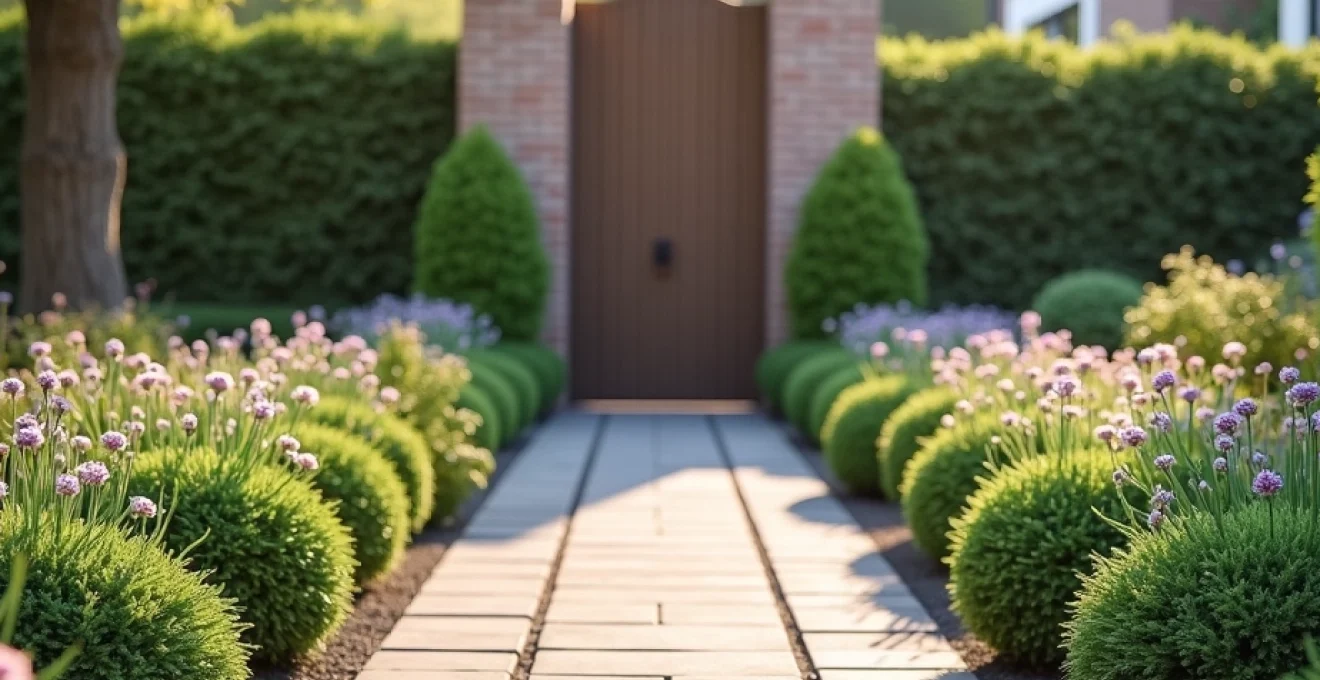
Creating an enchanting garden entrance requires thoughtful consideration of both functional and aesthetic elements. A well-designed pathway serves as the backbone of your garden’s visual narrative, guiding visitors through carefully curated spaces while establishing the tone for the entire outdoor experience. The integration of hardscape materials, strategic lighting, and complementary plantings transforms ordinary walkways into captivating features that enhance property value and create lasting impressions.
Modern pathway design has evolved beyond simple functionality to embrace sophisticated approaches that balance durability with visual appeal. Professional landscapers increasingly recognise the importance of holistic design principles that consider drainage, maintenance requirements, and seasonal interest when creating pathway systems. The most successful garden entrances combine traditional craftsmanship with contemporary materials to achieve timeless elegance that withstands changing trends and weather conditions.
Essential hardscape materials for professional pathway construction
The foundation of any exceptional pathway lies in the careful selection and proper installation of hardscape materials. Understanding the characteristics, benefits, and limitations of various options enables informed decisions that align with both aesthetic goals and practical requirements. Professional-grade materials offer superior longevity and performance compared to budget alternatives, making them worthwhile investments for homeowners seeking lasting results.
Contemporary pathway construction increasingly emphasises sustainable material choices that minimise environmental impact while maintaining visual appeal. Locally sourced materials reduce transportation costs and carbon footprint whilst ensuring compatibility with regional climate conditions. The integration of permeable surfaces addresses modern drainage concerns while contributing to sustainable stormwater management practices.
Natural stone selection: cotswold, york stone, and slate applications
Natural stone remains the gold standard for premium pathway construction, offering unparalleled durability and timeless aesthetic appeal. Cotswold stone provides warm honey-coloured tones that complement traditional English garden styles, whilst its naturally weathered surface creates authentic character that improves with age. The material’s excellent slip resistance makes it particularly suitable for high-traffic areas and regions with frequent rainfall.
York stone delivers exceptional longevity and sophistication, with its distinctive buff and grey colouration providing elegant contrast against green plantings. This premium material requires professional installation to achieve optimal results, but rewards careful craftsmanship with decades of maintenance-free performance. Its natural variation in colour and texture creates visual interest whilst maintaining overall cohesion throughout extended pathway systems.
Slate applications offer contemporary appeal with their sleek surfaces and consistent colouration options ranging from charcoal grey to deep purple. The material’s natural cleavage planes create subtle texture that prevents monotony whilst maintaining modern aesthetics. Welsh slate particularly excels in wet conditions, retaining its grip even during heavy rainfall periods.
Brick pathway installation: herringbone and basket weave patterns
Traditional brick pathways provide classic charm whilst offering exceptional value and longevity. Herringbone patterns create dynamic visual movement that draws the eye forward along the pathway, whilst the interlocking arrangement provides superior structural stability compared to straight-laid alternatives. This pattern particularly suits formal garden settings where geometric precision enhances overall design coherence.
Basket weave patterns offer more relaxed visual impact whilst maintaining structural integrity through their alternating orientation. This arrangement works exceptionally well in cottage garden settings where softer lines complement informal planting schemes. The pattern’s modular nature simplifies repairs and maintenance, allowing individual sections to be lifted and relaid without disrupting surrounding areas.
Professional brick selection considers factors beyond appearance, including frost resistance, absorption rates, and dimensional accuracy. Engineering bricks provide superior durability in harsh climates, whilst reclaimed varieties offer authentic character with proven longevity. Proper edge restraints and foundation preparation ensure pattern integrity and prevent brick migration over time.
Gravel and aggregate systems: Self-Binding and Resin-Bound options
Gravel pathways offer cost-effective solutions that complement naturalistic garden designs whilst providing excellent drainage characteristics. Self-binding gravel systems create firm surfaces through mechanical compaction of carefully graded aggregate mixtures. These systems require periodic maintenance but offer flexibility for curved layouts and seasonal adjustments.
Resin-bound gravel systems combine aesthetic appeal with enhanced durability through polymer binding agents that create seamless surfaces. These installations resist weed growth and provide excellent slip resistance whilst maintaining permeability for sustainable drainage. The wide range of available aggregate colours enables precise colour matching with existing hardscape elements.
Modern aggregate systems increasingly incorporate recycled materials that reduce environmental impact whilst maintaining performance standards. Glass aggregates provide sparkling effects under lighting, whilst crushed brick and concrete offer sustainable alternatives to quarried materials. Proper installation techniques ensure longevity and prevent surface degradation in high-traffic applications.
Concrete paver integration with permeable surface technology
Contemporary concrete pavers offer remarkable versatility through advanced manufacturing techniques that replicate natural stone appearances whilst providing consistent dimensions and performance. Permeable paver systems address modern drainage requirements through specially designed joints and base constructions that allow rapid water infiltration whilst maintaining surface stability.
Interlocking paver systems provide exceptional durability through distributed load transfer that prevents individual unit failure. The modular nature enables creative pattern development whilst simplifying future maintenance and modifications. Advanced surface treatments enhance slip resistance and UV stability, ensuring long-term appearance retention in exposed conditions.
Installation of permeable paver systems requires careful attention to base preparation and joint materials to achieve optimal performance. Properly constructed systems significantly reduce surface runoff whilst maintaining pedestrian safety and aesthetic appeal. The integration with sustainable drainage systems supports broader environmental objectives whilst creating attractive pathway surfaces.
Strategic pathway lighting design for enhanced visual appeal
Professional pathway lighting transforms garden entrances from daylight-dependent features into captivating evening destinations that extend outdoor living opportunities. Strategic illumination enhances safety whilst creating dramatic visual effects that highlight pathway materials and surrounding plantings. Modern lighting systems offer sophisticated control options that adapt to seasonal changes and usage patterns whilst minimising energy consumption.
The psychology of pathway lighting influences visitor behaviour and emotional responses to garden spaces. Warm colour temperatures create welcoming atmospheres that encourage exploration, whilst cooler tones emphasise architectural features and formal design elements. Layered lighting approaches combine multiple fixture types to achieve comprehensive illumination that maintains visual comfort whilst preventing harsh shadows or glare.
Low-voltage LED strip installation along pathway edges
LED strip lighting provides continuous illumination along pathway edges whilst offering exceptional energy efficiency and longevity. Professional installations utilise weatherproof channels that protect delicate electronic components whilst enabling precise light distribution. The linear nature of strip lighting creates smooth transitions between illuminated and dark areas, preventing jarring visual contrasts.
Advanced LED strip systems offer colour-changing capabilities and programmable sequences that adapt to seasonal celebrations or personal preferences. Integration with smart home systems enables remote control and scheduling functions that optimise energy usage whilst maintaining security lighting requirements. Professional installation ensures proper waterproofing and electrical safety compliance.
Solar bollard positioning for continuous illumination
Solar bollards provide sustainable lighting solutions that eliminate wiring requirements whilst offering reliable performance in most climatic conditions. Strategic positioning ensures adequate solar exposure during daylight hours whilst creating even illumination distribution along pathway lengths. Modern solar technology delivers consistent light output throughout extended winter periods with minimal maintenance requirements.
Contemporary bollard designs integrate advanced photovoltaic cells and lithium battery systems that provide superior performance compared to earlier solar lighting products. Professional installations consider potential shade sources and seasonal sun path variations to optimise charging efficiency. The elimination of mains electrical connections reduces installation costs whilst supporting sustainable energy objectives.
Recessed ground lighting with IP67 weatherproof ratings
Recessed ground fixtures create dramatic uplighting effects whilst maintaining clear pathway surfaces for safe pedestrian traffic. IP67 ratings ensure complete protection against dust ingress and temporary water immersion, making these fixtures suitable for challenging outdoor environments. Professional installations utilise robust mounting systems that prevent fixture displacement during ground freeze-thaw cycles.
Advanced ground lighting systems incorporate adjustable beam angles and glare shields that direct illumination precisely where needed whilst preventing light pollution. Integration with pathway materials requires careful planning to ensure proper drainage around fixtures whilst maintaining visual cohesion. High-quality fixtures justify their premium cost through extended service life and consistent performance.
Motion-sensor integration for Energy-Efficient pathway safety
Motion-sensor technology enables responsive lighting systems that provide illumination when needed whilst conserving energy during inactive periods. Advanced sensors distinguish between human movement and environmental factors to prevent false activations whilst ensuring reliable security coverage. Integration with existing lighting circuits enables seamless operation without complex rewiring requirements.
Professional sensor installations consider detection patterns and sensitivity settings to optimise performance for specific pathway configurations. Multiple sensors can create overlapping coverage zones that provide continuous illumination as visitors progress along extended pathways. Smart sensor systems learn usage patterns to anticipate lighting needs whilst maintaining security functions during extended absence periods.
Border planting schemes using structural evergreen species
The selection and arrangement of border plantings significantly influence pathway aesthetics throughout the year. Structural evergreen species provide consistent visual anchors that maintain garden interest during dormant seasons whilst supporting seasonal displays of flowering plants. Professional planting schemes balance immediate impact with long-term growth patterns to ensure sustainable design development.
Contemporary border design increasingly emphasises ecological functionality alongside aesthetic considerations. Native and adapted species support local wildlife whilst requiring minimal maintenance inputs once established. The integration of diverse plant communities creates resilient ecosystems that adapt to climate variations whilst maintaining visual appeal throughout seasonal transitions.
Strategic plant selection transforms utilitarian pathways into immersive garden experiences that engage multiple senses whilst providing year-round structural interest.
Lavandula angustifolia and santolina chamaecyparissus edging
Lavender edging creates aromatic boundaries that release fragrance when brushed by passing visitors, enhancing the sensory experience of pathway navigation. Lavandula angustifolia varieties offer superior hardiness compared to tender species whilst providing consistent flowering performance in well-drained conditions. The silvery foliage maintains visual interest between flowering periods whilst complementing both warm and cool colour schemes.
Santolina chamaecyparissus provides compact evergreen structure with distinctive cotton-like foliage that creates textural contrast against broader-leaved companions. This Mediterranean species thrives in challenging conditions whilst requiring minimal maintenance once established. Regular pruning maintains tidy appearance whilst preventing centre die-out that affects older, neglected specimens.
Both species benefit from excellent drainage and prefer slightly alkaline soil conditions that suit many pathway construction scenarios. Professional installations incorporate organic matter and drainage improvements to ensure long-term establishment success. The combination creates sustainable edging that withstands pedestrian traffic whilst maintaining aesthetic appeal throughout growing seasons.
Buxus sempervirens topiary framework installation
Box hedging provides formal structure that defines pathway edges whilst creating backdrops for seasonal colour displays. Buxus sempervirens offers superior longevity and shaping potential compared to alternative evergreen species, justifying its continued popularity in traditional garden settings. Professional installations consider mature dimensions to prevent overcrowding whilst ensuring immediate visual impact.
Topiary framework installation requires careful attention to soil preparation and drainage to prevent root rot diseases that affect box plantings. Modern installations increasingly incorporate preventive treatments and monitoring programmes that maintain plant health whilst minimising chemical interventions. Strategic spacing enables air circulation whilst creating continuous visual boundaries.
Ornamental grass combinations: festuca glauca and stipa tenuissima
Contemporary pathway designs increasingly feature ornamental grasses that provide movement and textural interest whilst requiring minimal maintenance. Festuca glauca creates compact blue-grey mounds that maintain colour intensity throughout growing seasons whilst providing excellent drought tolerance. The species’ clumping growth habit prevents aggressive spreading that can overwhelm pathway edges.
Stipa tenuissima offers ethereal movement through its fine-textured foliage and delicate flower heads that catch light and breeze. This species provides valuable contrast against broader-leaved plants whilst maintaining neat growth habits. Professional installations consider mature spread to prevent pathway encroachment whilst maximising visual impact through strategic groupings.
Seasonal bulb layering with narcissus and allium varieties
Bulb layering extends flowering interest throughout spring and early summer whilst requiring minimal ongoing maintenance once established. Narcissus varieties provide reliable early colour that naturalises effectively in border situations. Strategic variety selection ensures extended flowering periods that bridge seasonal transitions between winter dormancy and summer displays.
Allium species contribute architectural flower forms that complement formal pathway designs whilst providing valuable nectar sources for beneficial insects. The species’ neat foliage and distinctive spherical flowers create focal points that draw attention along pathway lengths. Professional planting schemes consider flowering sequences to maintain continuous interest whilst preventing overcrowding that reduces individual plant performance.
Architectural gateway features and entrance focal points
Gateway features establish strong visual anchors that announce pathway entrances whilst creating memorable experiences for garden visitors. Professional installations balance architectural elements with surrounding plantings to achieve cohesive design statements that enhance overall property value. The scale and style of gateway features must complement existing structures whilst providing proportional relationships with pathway dimensions.
Contemporary gateway design incorporates smart technology integration that enhances functionality whilst maintaining aesthetic appeal. Automated systems enable convenient access control whilst providing security monitoring capabilities. Professional installations ensure seamless integration of technology components that remain invisible whilst delivering enhanced performance and convenience.
Material selection for gateway features requires consideration of long-term durability and maintenance requirements alongside immediate visual impact. Natural materials offer authentic character that improves with age, whilst engineered alternatives provide consistent performance in challenging conditions. The investment in quality materials ensures lasting satisfaction whilst minimising ongoing maintenance commitments.
Strategic positioning of gateway features considers approach angles and viewing distances to optimise visual impact whilst maintaining practical functionality. Professional installations incorporate lighting elements that enhance evening visibility whilst creating dramatic architectural emphasis. The integration of plantings softens structural elements whilst providing seasonal interest that complements architectural features.
Drainage infrastructure planning for pathway longevity
Comprehensive drainage planning forms the foundation of successful pathway installations that maintain structural integrity and visual appeal throughout their service life. Professional systems address surface water management, groundwater control, and seasonal moisture variations that affect pathway stability. The investment in proper drainage infrastructure prevents costly repairs whilst ensuring consistent performance in varying weather conditions.
Modern drainage solutions increasingly emphasise sustainable water management that supports broader environmental objectives whilst protecting pathway investments. Permeable surfaces, bioretention areas, and constructed wetlands integrate seamlessly with pathway designs whilst providing effective stormwater management. These systems contribute to climate resilience whilst creating attractive landscape features.
Surface drainage design prevents water accumulation that creates slip hazards and accelerates material deterioration. Professional installations incorporate subtle grading that directs water away from pathway surfaces whilst maintaining accessible gradients for all users. Strategic placement of drainage outlets ensures rapid water removal without creating erosion problems in surrounding landscape areas.
Subsurface drainage systems protect pathway foundations from moisture damage that causes settlement and structural failure. Professional installations utilise geotextile fabrics and graded aggregate systems that provide effective moisture control whilst maintaining structural support. Regular inspection and maintenance protocols ensure long-term system effectiveness whilst preventing expensive reconstruction requirements.
Effective drainage infrastructure represents the invisible foundation that ensures pathway beauty remains uncompromised by weather challenges and seasonal variations.
Integration of pathway drainage with broader landscape water management systems creates comprehensive solutions that address multiple site challenges simultaneously. Professional planning considers upstream water sources and downstream capacity to prevent system overload during extreme weather events. The coordination of drainage elements ensures reliable performance whilst minimising visual impact on garden aesthetics.
Maintenance protocols for sustainable pathway aesthetics
Establishing comprehensive maintenance protocols ensures pathway investments continue delivering aesthetic and functional benefits throughout their extended service life. Professional maintenance approaches balance immediate appearance requirements with long-term preservation strategies that prevent premature deterioration. Regular maintenance schedules prove more economical than reactive repairs whilst maintaining consistent garden presentation standards.
Seasonal maintenance requirements vary significantly between pathway materials and local climate conditions. Natural stone surfaces benefit from periodic cleaning and joint maintenance that prevents weed establishment and water damage. Brick pathways require attention to edge restraints and surface levelling that maintains pattern integrity whilst preventing pedestrian hazards.
Preventive maintenance strategies address potential problems before they compromise pathway performance or appearance. Professional protocols include regular inspection schedules that identify emerging issues whilst they remain cost-effective to address. Documentation of maintenance activities enables tracking of performance patterns and optimisation of future care requirements.
Modern maintenance approaches increasingly utilise environmentally sustainable practices that minimise chemical inputs whilst maintaining appearance standards. Integrated pest management strategies combine cultural, biological, and targeted chemical controls that protect pathway investments whilst supporting broader environmental objectives. Professional maintenance services adapt techniques to specific site conditions whilst maintaining consistent quality standards.
Equipment selection for pathway maintenance requires consideration of surface materials and accessibility constraints that affect maintenance efficiency. Professional operators utilise specialised tools that clean effectively whilst preventing surface damage that compromises long-term appearance. Investment in quality maintenance equipment proves economical through improved efficiency and extended pathway service life.
Long-term maintenance planning considers aging characteristics of pathway materials and surrounding plantings to anticipate future requirements. Professional
maintenance programmes recognise the evolution of garden aesthetics and adapt care strategies accordingly. Proactive replacement schedules for high-wear areas ensure continuous performance whilst minimising disruption to established garden routines. The integration of maintenance requirements into initial pathway design decisions creates realistic expectations for ongoing care commitments whilst optimising long-term value.
Documentation of maintenance activities enables performance tracking that informs future pathway projects whilst building institutional knowledge for property management. Professional maintenance contracts often include performance guarantees that protect pathway investments whilst ensuring consistent care standards. The value of professional maintenance expertise justifies associated costs through improved pathway longevity and sustained aesthetic appeal.
Training programmes for property maintenance staff ensure consistent application of appropriate care techniques that preserve pathway investments whilst preventing damage from inappropriate treatments. Certified maintenance protocols provide quality assurance that protects warranty coverage whilst maintaining manufacturer specifications for pathway materials. Regular training updates address evolving best practices and new product developments that enhance maintenance effectiveness.
Seasonal adjustment of maintenance protocols addresses varying environmental pressures that affect pathway performance throughout the year. Winter preparation procedures protect surfaces from freeze-thaw damage whilst summer care focuses on weed control and moisture management. Professional maintenance services adapt techniques to local climate patterns whilst maintaining consistent quality standards across diverse geographic regions.
The integration of sustainable maintenance practices reduces environmental impact whilst maintaining pathway aesthetics through ecologically responsible approaches. Organic weed control methods, water-efficient cleaning techniques, and recycled maintenance materials support broader sustainability objectives whilst delivering effective results. Modern maintenance equipment increasingly incorporates electric power systems that reduce emissions whilst providing reliable performance for pathway care requirements.
Professional maintenance protocols transform pathway investments from depreciating assets into enduring landscape features that enhance property value whilst providing decades of reliable service.
Quality assurance procedures ensure maintenance activities meet professional standards whilst protecting pathway warranties and performance guarantees. Regular inspection protocols identify maintenance needs before they compromise pathway function whilst documenting compliance with care requirements. Professional maintenance services provide detailed reporting that tracks pathway condition whilst supporting insurance and warranty claims when necessary.
Cost-benefit analysis of maintenance options enables informed decision-making that balances immediate expenses with long-term value preservation. Professional maintenance contracts often prove more economical than ad-hoc repairs whilst providing predictable budgeting for property management. The investment in quality maintenance ensures pathway installations continue delivering intended benefits throughout their design service life whilst maintaining visual appeal that justifies initial construction investments.