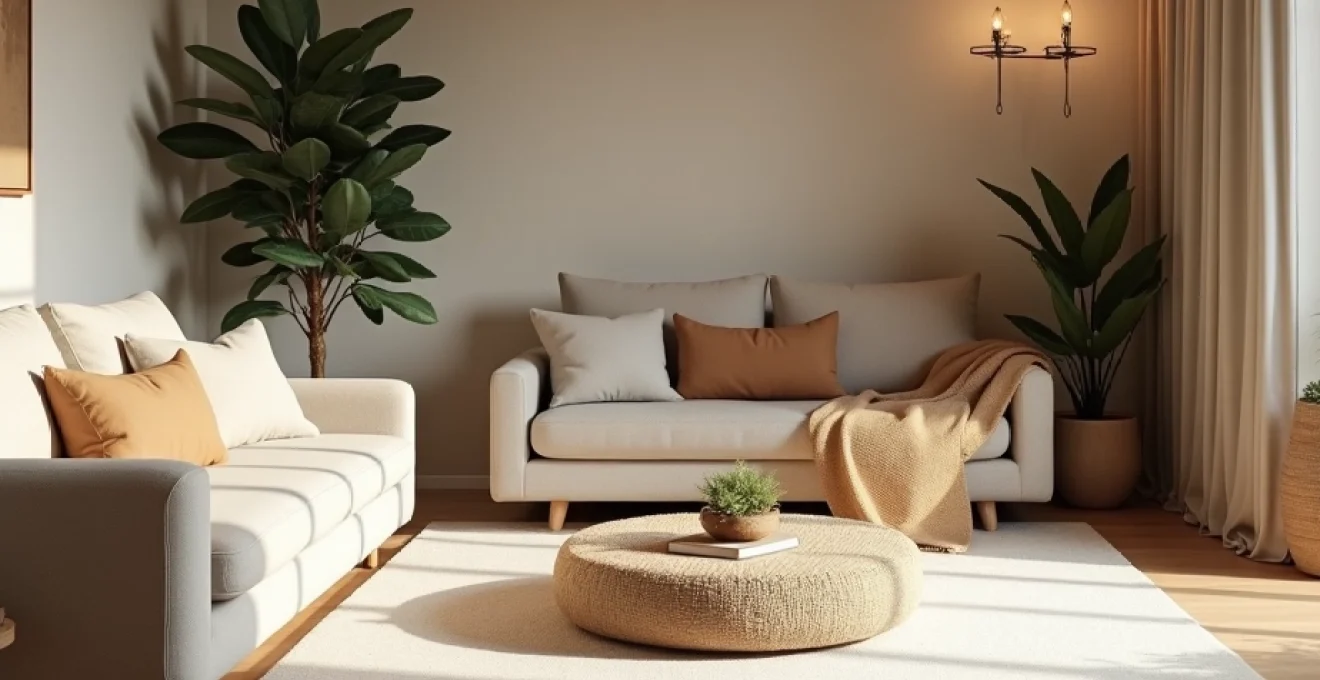
Modern living demands spaces that offer respite from daily stressors and digital overwhelm. Creating cozy corners dedicated to relaxation and mindful living transforms underutilised areas into powerful sanctuaries for mental wellbeing. These intimate spaces serve as retreats within your home, fostering contemplation, stress reduction, and personal renewal. Whether you’re working with a compact flat or spacious house, thoughtfully designed relaxation corners can dramatically enhance your quality of life by providing dedicated zones for meditation, reading, or simply disconnecting from external pressures.
The concept extends beyond mere comfort, incorporating evidence-based design principles that actively promote psychological healing and emotional balance. From carefully selected materials that engage your sensory experience to strategic lighting that supports natural circadian rhythms, every element contributes to creating an environment conducive to mindfulness and restoration.
Psychological principles of spatial design for stress reduction
Understanding the psychological impact of spatial design forms the foundation for creating truly effective relaxation corners. Research in environmental psychology demonstrates that specific design elements can measurably reduce cortisol levels and activate the parasympathetic nervous system, promoting a state of calm alertness essential for mindful living. The concept of prospect and refuge theory suggests that humans feel most comfortable in spaces that provide both a sense of security and visual connection to their surroundings.
Spatial boundaries play a crucial role in creating psychological safety within relaxation corners. Even subtle demarcations, such as area rugs or strategic furniture placement, can establish a sense of containment that signals to your brain that this space is distinct from everyday activities. This psychological boundary effect helps facilitate the mental transition from active engagement to contemplative awareness.
Research indicates that individuals who have access to designated relaxation spaces within their homes report 34% lower stress levels compared to those without such dedicated areas.
Biophilic design elements and natural light optimisation
Incorporating biophilic design principles into your relaxation corner taps into humanity’s innate connection with nature, promoting restoration and wellbeing. Natural light serves as the cornerstone of effective biophilic design, with studies showing that exposure to daylight increases serotonin production and regulates melatonin cycles. Position your relaxation corner near windows when possible, utilising sheer curtains to diffuse harsh sunlight whilst maintaining luminosity.
The integration of natural patterns and organic shapes enhances the biophilic effect. Consider incorporating furniture with curved edges, nature-inspired artwork featuring fractals, or decorative elements that mimic natural forms. These subtle references to the natural world can reduce mental fatigue and improve cognitive function, making your relaxation corner more effective for mindful practices.
Colour psychology and chromotherapy applications in interior spaces
Colour selection profoundly influences mood and stress levels within relaxation corners. Cool colours such as soft blues and greens activate the parasympathetic nervous system, naturally lowering heart rate and blood pressure. However, warm neutrals like sage green, warm grey, and soft beiges create psychological warmth whilst maintaining the calming properties essential for mindful spaces.
Chromotherapy principles suggest that different colours can support specific therapeutic outcomes. Lavender promotes emotional balance and spiritual awareness, making it ideal for meditation corners. Soft yellows enhance mental clarity and optimism, whilst earthy browns provide grounding energy that supports contemplative practices. Consider incorporating these colours through textiles, wall treatments, or decorative accents rather than overwhelming the space with bold hues.
Acoustic design strategies for noise reduction and sound masking
Effective acoustic design transforms potentially distracting environments into peaceful sanctuaries conducive to mindful living. Sound absorption materials, such as thick rugs, upholstered furniture, and fabric wall hangings, significantly reduce ambient noise levels. Strategic placement of these elements can create an acoustic cocoon that isolates your relaxation corner from household activities.
Sound masking techniques utilise consistent, gentle background sounds to obscure disruptive noises. Water features, such as small fountains or tabletop cascades, provide natural white noise that promotes relaxation whilst adding humidity to the environment. Alternatively, high-quality speakers playing nature soundscapes or binaural beats can enhance meditation practices and deepen relaxation responses.
Ergonomic furniture positioning and anthropometric considerations
Proper ergonomic design ensures that your relaxation corner supports extended periods of comfortable use without physical discomfort. Seating height should allow feet to rest flat on the floor with knees at approximately 90 degrees. For meditation practices, consider floor cushions that maintain spinal alignment whilst accommodating various sitting positions.
Anthropometric data suggests that furniture placement should account for natural reach zones and movement patterns. Position essential items, such as water, reading materials, or meditation props, within easy arm’s reach to minimise disruption during relaxation sessions. The relationship between seating and nearby surfaces should facilitate smooth transitions between activities without requiring awkward positioning or stretching.
Essential textiles and materials for Hygge-Inspired environments
Textile selection significantly impacts both the aesthetic appeal and functional effectiveness of relaxation corners. The Danish concept of hygge emphasises the importance of tactile comfort in creating cozy, nurturing environments. Premium natural fibres provide superior comfort whilst offering environmental benefits and improved durability compared to synthetic alternatives. The layering of different textures creates visual depth and sensory richness that enhances the overall relaxation experience.
Beyond comfort considerations, textiles serve important functional roles in relaxation corners. They provide acoustic dampening, thermal regulation, and moisture management—all crucial factors for maintaining optimal comfort during extended relaxation sessions. The psychological impact of textile choice cannot be understated; soft, natural materials signal safety and comfort to our subconscious minds, facilitating the transition into relaxed states.
Natural fibre selection: wool, linen, and organic cotton applications
Wool offers exceptional temperature regulation properties, naturally wicking moisture whilst providing insulation that adapts to ambient conditions. Merino wool, in particular, remains comfortable against skin and resists odours, making it ideal for throw blankets and cushion covers in relaxation corners. The natural crimp in wool fibres creates insulating air pockets that maintain warmth without bulk.
Linen provides cooling properties and develops a softer texture with use, making it perfect for summer relaxation sessions. Its natural antibacterial properties and breathability make linen an excellent choice for cushion covers and light throws. Organic cotton offers versatility and softness, particularly when selecting percale weaves that provide crisp coolness or sateen finishes that offer silky smoothness against skin.
Texture layering techniques using bouclé, chenille, and sherpa fabrics
Effective texture layering creates visual interest whilst providing varied tactile experiences that engage multiple senses. Bouclé fabric, with its distinctive looped construction, adds architectural interest to seating whilst providing slight texture variation that prevents visual monotony. Its dimensional quality creates subtle shadows that enhance the cozy atmosphere of relaxation corners.
Chenille offers luxurious softness with its velvety pile construction, making it ideal for accent pillows or lap blankets. The fabric’s light-catching properties create visual warmth that complements dim lighting conditions typical in relaxation spaces. Sherpa fabrics provide the ultimate in tactile comfort, mimicking the cozy feeling of wool fleece whilst offering easy care properties that maintain appearance over time.
Sustainable material sourcing: bamboo, cork, and reclaimed wood integration
Sustainable material choices align with mindful living principles whilst providing unique aesthetic and functional benefits. Bamboo fabric offers silk-like softness with natural antimicrobial properties, making it excellent for clothing and bedding used in relaxation corners. Its rapid growth and regenerative harvesting make bamboo an environmentally responsible choice that supports ecological consciousness.
Cork provides excellent thermal and acoustic insulation properties when used as flooring or wall treatments in relaxation corners. Its natural resilience creates comfortable surfaces for floor-based meditation practices whilst its antimicrobial properties maintain hygiene. Reclaimed wood elements add warmth and character whilst reducing environmental impact, creating visual connections to nature that support biophilic design principles.
Weighted blanket therapy and deep pressure stimulation benefits
Weighted blankets utilise deep pressure stimulation to activate the parasympathetic nervous system, promoting relaxation and reducing anxiety levels. Clinical studies demonstrate that weighted blankets can decrease cortisol production by up to 31% whilst increasing serotonin and dopamine levels. The optimal weight ranges between 8-12% of body weight, distributed evenly through glass beads or steel shot for consistent pressure application.
The therapeutic mechanism mimics the calming effect of being held or hugged, triggering the release of oxytocin whilst reducing stress hormones. This makes weighted blankets particularly effective for meditation practices, reading sessions, or general relaxation in cozy corners. Select weighted blankets with breathable covers that can be easily removed for washing, ensuring long-term hygiene and comfort.
Lighting design methodologies for circadian rhythm regulation
Effective lighting design in relaxation corners supports natural circadian rhythms whilst creating ambiance conducive to mindful practices. The human circadian system responds to light intensity, colour temperature, and timing, making strategic lighting choices crucial for optimising relaxation responses. Natural daylight provides the ideal baseline, with its dynamic colour temperature changes throughout the day serving as a template for artificial lighting design.
Layered lighting approaches offer flexibility to accommodate different activities and times of day within your relaxation corner. Ambient lighting provides overall illumination, task lighting supports specific activities like reading, and accent lighting creates visual focal points and mood enhancement. The key lies in achieving balance between these layers whilst maintaining the ability to adjust intensity and colour temperature as needed.
Research indicates that exposure to warm, dim lighting in the evening promotes melatonin production and prepares the body for restorative sleep. Conversely, cooler, brighter lighting during morning meditation sessions can enhance alertness and cognitive function. Modern LED technology allows for precise control over both intensity and colour temperature, enabling your relaxation corner to adapt to natural circadian patterns.
Consider incorporating dawn simulation lighting that gradually increases intensity and shifts towards cooler temperatures during morning practices. This approach supports natural awakening patterns and can be particularly beneficial for those who use their relaxation corners for morning meditation or contemplative activities. Smart lighting systems can automate these transitions, creating seamless integration with your daily routines.
Candles remain an excellent choice for evening relaxation sessions, providing warm light with gentle flickering that naturally slows brain wave patterns. The ritual of lighting candles also serves as a transitional cue, signalling to your mind that it’s time to shift into relaxation mode. Choose soy or beeswax candles to avoid synthetic fragrances that might interfere with respiratory comfort during deep breathing exercises.
Aromatherapy integration and scent diffusion systems
Scent profoundly influences mood, memory, and physiological responses, making aromatherapy integration essential for effective relaxation corners. The olfactory system connects directly to the limbic brain, bypassing cognitive processing to trigger immediate emotional and physiological responses. This direct pathway makes carefully selected fragrances powerful tools for inducing relaxation states and supporting mindfulness practices.
Essential oil selection should align with your specific relaxation goals and personal preferences. Lavender offers well-documented anxiolytic properties, reducing cortisol levels and promoting sleep quality. Bergamot provides uplifting properties whilst maintaining calming effects, making it ideal for meditation sessions. Frankincense enhances spiritual awareness and deepens contemplative states, whilst sandalwood promotes grounding and emotional balance.
Diffusion method selection impacts both scent distribution and overall ambiance within relaxation corners. Ultrasonic diffusers provide silent operation with gentle misting effects that add humidity to dry environments. Reed diffusers offer consistent, subtle fragrance release without electricity requirements, making them ideal for maintaining ambient scent levels. Heat-based diffusers, whilst effective for scent distribution, may alter essential oil chemical composition and reduce therapeutic benefits.
Consider seasonal scent rotation to maintain novelty and support natural rhythms. Spring fragrances like citrus and floral blends energise and uplift, whilst autumn scents such as cedarwood and cinnamon provide grounding warmth. Winter aromatherapy might include eucalyptus for clarity or pine for forest-like freshness, whilst summer calls for lighter, cooling scents like peppermint or cucumber.
Scent intensity requires careful calibration to avoid overwhelming sensitive individuals or competing with meditation focus. Start with minimal amounts and adjust based on room size and personal sensitivity. The goal is subtle enhancement rather than obvious fragrance presence, allowing the scent to support relaxation without becoming a focal point or distraction.
Studies show that individuals exposed to lavender aromatherapy during relaxation sessions demonstrate 23% greater stress reduction compared to unscented environments.
Mindfulness practice zones and meditation corner architecture
Dedicated mindfulness practice zones require thoughtful architectural consideration to support various contemplative activities effectively. The spatial relationship between different elements within your relaxation corner influences the flow and effectiveness of meditation, yoga, and other mindful practices. Creating distinct micro-zones within a larger relaxation area allows for activity-specific optimisation whilst maintaining overall cohesion.
Floor space allocation depends on intended activities and available square footage. Meditation practices require minimal space but benefit from consistent positioning that builds familiarity and routine. Yoga or stretching activities need adequate clearance for movement, typically requiring a minimum 6×8 foot area for basic poses. Multi-functional design approaches can accommodate various activities within limited space through strategic furniture selection and storage solutions.
Zen garden microcosms and sand tray therapeutic arrangements
Miniature zen gardens provide tactile meditation opportunities that engage both visual and kinaesthetic senses. The repetitive motion of raking sand patterns activates the parasympathetic nervous system whilst providing gentle mental focus that quiets racing thoughts. Select fine-grained sand that holds patterns well without being dusty, typically requiring depth of 1-2 inches for effective raking.
Sand tray arrangements can incorporate carefully chosen stones, crystals, or miniature sculptures that serve as focal points for contemplation. The process of arranging and rearranging these elements becomes a form of active meditation, allowing for creative expression whilst maintaining mindful awareness. Position zen gardens at comfortable viewing height, either on low tables or floor platforms that accommodate cross-legged sitting positions.
Tibetan singing bowl placement and vibrational healing setups
Tibetan singing bowls generate harmonic frequencies that promote deep relaxation and enhanced meditation states. Proper placement requires stable, resonant surfaces that won’t dampen vibrations whilst positioning bowls at accessible heights for easy striking or rim singing. Wooden surfaces typically provide better resonance than metal or glass, enhancing the bowl’s natural harmonic properties.
Multiple bowl arrangements can create complex harmonic patterns, but require careful frequency selection to avoid discordant combinations. Consider starting with a single, high-quality bowl in the fundamental frequency of 256Hz (C note), which corresponds to heart chakra resonance and general healing properties. Position bowls within arm’s reach of your primary meditation seating to facilitate integration into practice sessions.
Yoga props storage solutions: bolsters, blocks, and meditation cushions
Effective storage systems maintain prop accessibility whilst preserving the serene aesthetics essential for relaxation corners. Built-in storage benches serve dual purposes, providing seating whilst concealing yoga blocks, straps, and smaller props. Open shelving displays meditation cushions and bolsters attractively whilst keeping them readily available for use.
Consider the frequency of prop usage when determining storage solutions. Daily-use items like meditation cushions might remain permanently positioned, whilst occasional props like yoga blocks benefit from hidden storage. Woven baskets provide attractive storage that complements natural material themes whilst offering easy access to frequently used items.
Digital detox stations and Technology-Free zone implementation
Creating technology-free zones supports digital wellness and enhances the effectiveness of mindfulness practices. Establish clear boundaries regarding device usage within relaxation corners, potentially using physical barriers like decorative screens or designated storage areas for phones and tablets. The absence of digital stimulation allows for deeper contemplative states and reduced cognitive load.
If technology integration is necessary for guided meditations or ambient soundscapes, choose minimal, discrete options that don’t dominate the visual environment. Bluetooth speakers with wood or fabric coverings blend better with natural material themes than obvious electronic devices. Consider analogue alternatives where possible, such as mechanical timers for meditation sessions or traditional books instead of e-readers.
Indoor plant selection and phytoremediation for air quality enhancement
Strategic plant selection transforms relaxation corners into living ecosystems that actively improve air quality whilst providing psychological benefits. NASA’s Clean Air Study identified numerous houseplants capable of removing
common indoor air pollutants, including formaldehyde, benzene, and trichloroethylene. These findings demonstrate that houseplants function as natural air purifiers, making them essential components of healthy relaxation corners.
Snake plants excel in low-light conditions whilst producing oxygen at night, making them ideal for bedroom relaxation corners. Their architectural form requires minimal maintenance whilst providing continuous air purification benefits. Peace lilies remove ammonia and formaldehyde whilst producing elegant white blooms that enhance visual appeal. Their preference for indirect light makes them perfect for interior corners away from windows.
Spider plants multiply readily, creating cascading displays that add vertical interest to relaxation corners. Their ability to remove carbon monoxide and other toxins makes them particularly valuable in urban environments with elevated pollution levels. Boston ferns provide excellent humidity regulation, creating comfortable atmospheric conditions for extended relaxation sessions whilst removing xylene and toluene from indoor air.
Plant placement should consider both aesthetic impact and functional benefits. Larger specimens like rubber trees or fiddle leaf figs can serve as natural room dividers whilst providing substantial air purification capacity. Smaller plants arranged at varying heights create visual layers that enhance the natural ambiance essential for mindful environments. Consider grouping plants with similar care requirements to simplify maintenance whilst creating lush, garden-like displays.
The psychological benefits of indoor plants extend beyond air purification, with research indicating that plant presence reduces stress hormones and improves cognitive function. The process of plant care itself becomes a mindful activity, fostering connection with natural cycles and providing gentle responsibility that enhances overall wellbeing. Choose plants that align with your lifestyle and commitment level, ensuring long-term success in maintaining your relaxation corner ecosystem.
Research demonstrates that rooms with live plants show 15% higher humidity levels and 25% reduction in airborne dust particles compared to plant-free environments.
Seasonal plant rotation can maintain visual interest whilst supporting different therapeutic goals throughout the year. Spring introductions of flowering plants like orchids or bromeliads provide uplifting energy after winter dormancy. Summer additions might include fragrant herbs like lavender or mint that enhance aromatherapy integration. Autumn transitions could incorporate plants with warming foliage colours, whilst winter selections might focus on evergreen varieties that maintain vitality during darker months.
Consider the water requirements and drainage needs of your selected plants to prevent moisture damage to flooring or furniture in your relaxation corner. Self-watering planters can reduce maintenance requirements whilst preventing over-watering that leads to root rot. Humidity-loving plants benefit from pebble trays that increase local moisture levels without affecting the broader room environment.
For those with limited natural light, LED grow lights can supplement available illumination whilst maintaining the aesthetic integrity of relaxation corners. Modern grow lights use full-spectrum LEDs that appear similar to natural daylight, avoiding the harsh purple glow associated with older plant lighting technology. Timer-controlled systems can automate light cycles, ensuring plants receive consistent illumination without manual intervention.
Plant selection should also consider any allergies or sensitivities that might affect relaxation corner usage. Hypoallergenic options like snake plants, ZZ plants, or peace lilies produce minimal pollen whilst providing excellent air purification benefits. Avoid flowering plants if pollen sensitivity is a concern, focusing instead on foliage plants that offer visual interest through leaf shape, texture, and colour variation.
The integration of plant care into daily routines can enhance the mindful qualities of your relaxation corner. Morning watering sessions provide gentle activity that transitions from sleep to wakefulness, whilst evening misting creates calming rituals that signal day’s end. The cyclical nature of plant care aligns with mindfulness principles, fostering present-moment awareness and connection with natural rhythms that support overall wellbeing.