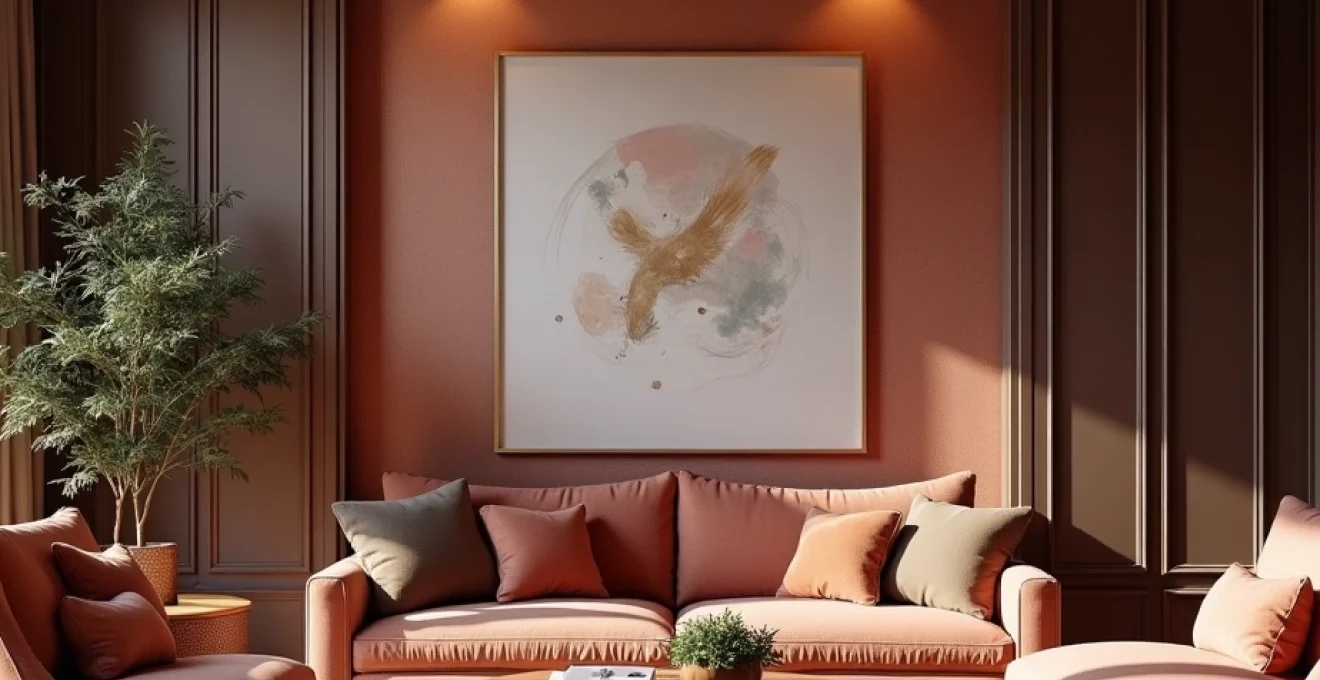
Bold home decor has transcended from a niche design approach to a mainstream movement that transforms ordinary spaces into extraordinary environments. Contemporary interior design increasingly embraces maximalist principles , vibrant colour palettes, and statement-making elements that challenge the minimalist trends of previous decades. This shift reflects a growing desire for personalised spaces that celebrate individuality and create emotional connections with inhabitants.
The psychology behind bold design choices reveals fascinating insights about human behaviour and spatial perception. Research conducted by environmental psychologists demonstrates that vibrant interiors can significantly impact mood, creativity, and overall wellbeing. When implemented thoughtfully, dramatic design elements create focal points that guide the eye, establish hierarchy within spaces, and generate memorable experiences for occupants and visitors alike.
Creating impactful interiors requires understanding the delicate balance between visual excitement and functional comfort. The most successful bold design schemes incorporate strategic layering techniques, sophisticated colour theory applications, and carefully curated statement pieces that work harmoniously rather than competing for attention.
Maximalist design principles for High-Impact interior transformation
Maximalist design represents a sophisticated approach to interior decoration that embraces abundance whilst maintaining visual coherence. Unlike chaotic accumulation of objects, successful maximalism follows specific principles that create intentional complexity. The foundation lies in establishing a unifying element – whether through colour repetition, material consistency, or stylistic threads – that weaves disparate elements into a cohesive narrative.
The concept of controlled chaos becomes essential when implementing maximalist principles. Professional interior designers achieve this by creating visual anchors throughout the space, using larger furniture pieces or architectural elements as stabilising forces. These anchors prevent the eye from becoming overwhelmed whilst allowing for playful experimentation with patterns, textures, and decorative objects.
Kelly wearstler’s layered texture methodology in contemporary spaces
Kelly Wearstler’s revolutionary approach to texture layering has fundamentally transformed contemporary interior design practices. Her methodology involves creating tactile landscapes through strategic material combinations that engage multiple senses simultaneously. The technique begins with establishing a neutral base layer, typically incorporating natural materials like stone, wood, or linen, which provides textural foundation without overwhelming visual competition.
The second layer introduces metallic elements – brass, bronze, or brushed steel – which add reflective qualities and sophisticated glamour. These materials create light play throughout the space, enhancing depth perception and adding dynamic visual interest. The final layer incorporates organic textures such as fur, leather, or woven fibres, which provide tactile warmth and human connection to the overall composition.
Dopamine decor psychology and neurological response to bold patterns
Neuroscientific research reveals compelling evidence about the brain’s response to vibrant patterns and colours in interior environments. The concept of dopamine decor stems from studies showing that certain visual stimuli trigger dopamine release, creating positive emotional associations with specific spaces. Bold geometric patterns, particularly those incorporating high contrast elements, activate neural pathways associated with pleasure and reward systems.
The implementation of dopamine-inducing design elements requires careful consideration of pattern scale and distribution. Large-scale patterns work effectively as feature walls or statement pieces, whilst smaller patterns can be incorporated through textiles, artwork, or decorative accessories. The key lies in creating visual rhythm through pattern repetition whilst avoiding sensory overload that could trigger stress responses.
Maximalist colour theory using pantone’s ultra violet and living coral palettes
Advanced colour theory applications in maximalist design transcend traditional complementary relationships, embracing complex colour interactions that create sophisticated visual narratives. Pantone’s influential colour selections, including Ultra Violet and Living Coral, provide excellent foundations for bold colour schemes due to their inherent depth and versatility. These colours possess sufficient complexity to anchor elaborate decorative schemes whilst remaining harmonious with diverse accent colours.
The strategic implementation of these statement colours involves understanding their psychological impact and spatial effects. Ultra Violet creates intimate, contemplative atmospheres whilst possessing sufficient vibrancy to energise spaces. Living Coral brings warmth and optimism, making spaces feel welcoming and dynamic. Both colours work exceptionally well as accent walls, upholstery choices, or through large-scale artwork installations.
Scale disruption techniques through oversized furniture and art installations
Scale disruption represents one of the most powerful tools in creating memorable interior spaces. This technique involves deliberately incorporating elements that challenge expected proportions, creating visual surprise and establishing dramatic focal points. Oversized furniture pieces – such as grand sectional sofas, statement dining tables, or imposing bookcases – can transform the perceived dimensions of rooms whilst providing functional benefits.
Art installations offer another avenue for scale manipulation, with large-scale photography, sculptural pieces, or commissioned murals creating immersive experiences. The key to successful scale disruption lies in maintaining balance through careful spatial planning and ensuring that oversized elements enhance rather than overwhelm the room’s functionality. Professional designers often use the golden ratio principles to guide these decisions, creating harmonious proportional relationships even when incorporating dramatically scaled pieces.
Statement wall treatments and surface transformation strategies
Wall treatments serve as the foundation for bold interior design schemes, providing opportunities to establish colour, texture, and pattern that influence the entire room’s character. Contemporary surface transformation techniques extend far beyond traditional paint applications, incorporating innovative materials and installation methods that create three-dimensional visual experiences. The selection of appropriate wall treatments depends on factors including room function, natural light levels, architectural features, and desired atmospheric qualities.
Professional interior designers increasingly utilise feature wall concepts to create dramatic impact without overwhelming spaces. This approach allows for experimental treatments on single walls whilst maintaining visual balance through complementary neutral surfaces. The strategic placement of statement walls – typically behind beds, sofas, or dining areas – ensures maximum visual impact whilst supporting functional room layouts.
Venetian plaster applications with metallic pigmentation systems
Venetian plaster represents one of the most sophisticated wall treatment techniques available to contemporary designers. This ancient Italian method creates lustrous, marble-like surfaces through multiple application layers and specialised burnishing techniques. Modern innovations include metallic pigmentation systems that add shimmer and depth, creating surfaces that change appearance throughout the day as light conditions shift.
The application process requires considerable expertise, with skilled craftspeople building up multiple thin layers over several days. Each layer is carefully troweled and burnished to create the characteristic depth and luminosity. Metallic additives – typically bronze, gold, or silver particles – are incorporated during specific application stages to achieve desired effects. The resulting surfaces possess durability superior to traditional paint whilst offering unmatched visual sophistication.
Grasscloth and natural fibre wallcovering installation methods
Natural fibre wallcoverings bring organic texture and warmth to interior spaces whilst supporting sustainable design practices. Grasscloth, woven from renewable materials including bamboo, hemp, and sea grass, creates tactile surfaces that add visual interest without overwhelming colour schemes. Professional installation requires specific techniques due to the materials’ natural variations and moisture sensitivity.
The installation process begins with proper wall preparation, including priming with specialised sealers that prevent moisture migration. Natural fibre materials expand and contract with humidity changes, requiring careful measurement and cutting techniques. Adhesive selection becomes crucial, with many professionals using starch-based products that allow for removal without damaging substrate surfaces. The random match hanging method accommodates natural material variations whilst creating seamless visual flow.
Trompe-l’œil murals and Hand-Painted feature wall techniques
Hand-painted murals offer unlimited creative possibilities for personalising interior spaces. Trompe-l’œil techniques create convincing illusions that can visually expand rooms, add architectural details, or incorporate landscape elements. Contemporary mural artists combine traditional painting methods with modern materials and techniques, creating durable artwork that integrates seamlessly with interior design schemes.
The design process typically begins with detailed consultations to understand spatial requirements and aesthetic preferences. Professional muralists create scaled drawings or digital renderings before beginning work, ensuring client satisfaction and accurate execution. Paint selection becomes crucial, with many artists preferring acrylic systems for their durability and colour stability. Proper surface preparation and sealing ensure longevity whilst protecting the investment in custom artwork.
3D wall panel systems and geometric relief installations
Three-dimensional wall panel systems create dramatic shadow play and textural interest that transforms flat surfaces into sculptural elements. These systems range from modular panels that create repeating geometric patterns to custom installations that incorporate complex mathematical relationships. Materials include lightweight composites, natural wood, metal, and innovative recycled products that support environmental objectives.
Installation techniques vary depending on panel systems and wall conditions. Many modern systems utilise hidden fastening methods that create seamless appearances whilst allowing for future modifications. Lighting integration becomes essential, with strategic placement of accent lights enhancing the three-dimensional effects and creating dynamic visual experiences throughout the day. Professional installation ensures proper alignment and structural integrity whilst maximising visual impact.
Bold lighting architecture and sculptural illumination design
Lighting architecture extends beyond functional illumination to become an integral design element that shapes spatial perception and emotional response. Contemporary lighting design embraces sculptural qualities, with fixtures serving dual purposes as functional lighting sources and artistic installations. The strategic layering of different lighting types – ambient, task, accent, and decorative – creates complex lighting environments that adapt to various activities and moods throughout the day.
Professional lighting designers increasingly utilise circadian lighting principles that support natural biological rhythms whilst maintaining design integrity. This approach involves incorporating tunable LED systems that adjust colour temperature and intensity throughout the day, supporting wellness objectives whilst preserving aesthetic coherence. The integration of smart lighting controls allows for scene programming that transforms spaces dramatically through lighting changes alone.
Statement lighting fixtures serve as focal points that anchor design schemes and create memorable visual experiences. These pieces often incorporate unusual materials, oversized proportions, or innovative technologies that challenge conventional lighting expectations. The selection process requires consideration of scale, style compatibility, installation requirements, and maintenance needs to ensure long-term satisfaction with these significant investments.
Sculptural lighting installations offer opportunities for customisation that reflects personal style whilst meeting specific functional requirements. Commissioned pieces can incorporate meaningful materials, reference architectural elements, or respond to particular spatial challenges. The collaboration between lighting designers, artists, and electrical contractors ensures successful integration of complex installations whilst maintaining safety standards and building code compliance.
Dramatic furniture selection and Room-Defining anchor pieces
Furniture selection in bold interior design schemes requires strategic thinking about scale, proportion, and visual weight distribution. Anchor pieces – typically large-scale furniture items such as sofas, dining tables, or bed frames – establish the spatial hierarchy and influence all subsequent design decisions. These pieces should possess sufficient visual presence to hold their own against dramatic wall treatments and decorative elements whilst providing essential functional requirements.
The concept of furniture as sculpture becomes particularly relevant in maximalist design approaches. Contemporary furniture designers create pieces that blur the boundaries between functional objects and artistic installations. These statement pieces often incorporate unusual materials, innovative construction techniques, or provocative forms that generate conversation and establish unique spatial character.
Color coordination between furniture and overall design schemes requires sophisticated understanding of colour theory and spatial relationships. Bold furniture pieces can either complement existing colour palettes or provide strategic contrast that creates visual tension and interest. The durability of colour choices becomes essential, as furniture represents significant investments that should maintain their appeal over extended periods.
Custom furniture solutions offer opportunities for perfect integration with specific spatial requirements and design visions. Skilled furniture makers can create pieces that respond to architectural constraints, incorporate specific materials or colours, and provide tailored functional features. The collaboration process typically involves detailed consultations, technical drawings, material selection, and regular progress reviews to ensure satisfaction with these substantial investments.
The most successful bold interiors balance visual excitement with functional comfort, creating spaces that energise occupants whilst supporting daily activities and long-term wellbeing.
Art curation strategies for maximum visual impact and gallery wall composition
Art curation in residential settings requires different approaches than traditional gallery environments, with considerations including scale relationships, viewing distances, lighting conditions, and integration with furnishings. Professional art consultants develop acquisition strategies that build cohesive collections over time whilst allowing for spontaneous discoveries and personal connections. The most successful residential collections reflect inhabitant personalities whilst demonstrating sophisticated aesthetic sensibilities.
Gallery wall compositions offer opportunities for creative display that can transform entire rooms through strategic arrangement of multiple pieces. The planning process involves considering individual artwork characteristics, frame compatibility, spacing relationships, and overall visual balance. Contemporary approaches often incorporate three-dimensional elements, mixed media, and non-traditional materials that expand beyond conventional painting and photography.
Mixed media installations and contemporary british artist showcasing
Mixed media installations bring dynamic energy to interior spaces through the combination of diverse materials and techniques. Contemporary British artists increasingly work across traditional boundaries, creating pieces that incorporate painting, sculpture, digital elements, and found objects. These installations often respond to specific architectural features or spatial conditions, creating site-specific experiences that enhance both artwork and interior design.
The integration of mixed media work requires careful consideration of conservation requirements, structural support needs, and maintenance accessibility. Professional art installers collaborate with conservation specialists to ensure proper mounting, environmental protection, and long-term preservation. Insurance considerations become more complex with valuable mixed media pieces, requiring detailed documentation and professional appraisals.
Oversized photography prints and Museum-Quality framing systems
Large-scale photography creates immersive visual experiences that can transform room atmospheres dramatically. Contemporary printing technologies enable reproduction at architectural scales whilst maintaining exceptional quality and colour accuracy. The selection of appropriate subjects becomes crucial, with considerations including colour harmony, compositional strength, and emotional resonance with intended spaces.
Museum-quality framing systems protect photographic investments whilst enhancing presentation quality. These systems incorporate conservation matting, UV-filtering glazing, and archival mounting techniques that prevent deterioration over time. Professional framers work closely with conservation specialists to develop mounting solutions that accommodate thermal expansion, protect from environmental hazards, and facilitate future conservation treatments if required.
Sculptural objects integration with functional furniture pieces
The integration of sculptural objects with functional furniture creates layered environments that blur boundaries between art and design. Contemporary artists and furniture designers collaborate to create hybrid pieces that serve practical purposes whilst maintaining artistic integrity. These pieces often become conversation focal points that demonstrate sophisticated design sensibilities and personal collecting interests.
Placement strategies for sculptural objects require consideration of viewing angles, lighting conditions, safety requirements, and interaction with room circulation patterns. Professional interior designers develop display solutions that showcase individual pieces effectively whilst maintaining spatial functionality and visual harmony. The curation process often evolves over time as collections grow and spatial needs change.
Gallery lighting systems for artwork presentation and drama
Specialized lighting systems enhance artwork presentation whilst creating dramatic architectural effects. Contemporary gallery lighting incorporates LED technologies that provide exceptional colour rendering, minimal heat generation, and extended operational life. The design process requires collaboration between lighting specialists, electrical contractors, and conservation professionals to ensure optimal presentation without compromising artwork preservation.
Track lighting systems offer flexibility for changing exhibitions whilst maintaining professional presentation standards. These systems accommodate various fixture types, beam angles, and intensity levels to suit different artwork requirements. Wireless control systems enable scene programming and remote adjustment, supporting the dynamic presentation of collections and special events.
Textile layering techniques and luxury fabric implementation
Textile layering creates sensory richness that transforms interior spaces from visually appealing to emotionally engaging environments. Professional interior designers utilise sophisticated fabric combinations that incorporate diverse textures, patterns, and weights to create complex sensory experiences. The layering process begins with foundational elements – typically larger pieces such as rugs, curtains, or upholstery – which establish colour palettes and stylistic directions for subsequent additions.
Luxury fabric implementation requires understanding of material characteristics, maintenance requirements, and appropriate applications for different textile types. Natural fibres such as silk, cashmere, and linen offer superior tactile qualities and ageing characteristics but require specific care protocols. Synthetic alternatives provide enhanced durability and easier maintenance whilst achieving similar aesthetic effects. The strategic combination of natural and synthetic materials optimises both performance and sensory appeal.
Successful textile layering creates depth and warmth that invites physical interaction whilst supporting the overall design narrative through colour and pattern coordination.
Pattern mixing represents one of the most challenging aspects of textile implementation, requiring sophisticated understanding of scale relationships, colour theory, and visual balance. Professional designers often utilise the rule of three – incorporating patterns at different scales (large, medium, small) whilst maintaining colour connections throughout the combination. This approach creates visual interest without overwhelming spatial harmony.
Seasonal textile rotation allows for dynamic interior transformation that responds to changing weather conditions and natural light patterns. This approach requires strategic storage solutions and careful documentation of combinations that work effectively. Professional textile care becomes essential for maintaining luxury fabrics through multiple seasons and ensuring long-term investment protection.
The most impactful bold interiors demonstrate courage in colour selection, confidence in pattern mixing, and commitment to quality materials that create lasting emotional connections with inhabitants.
The integration of window treatments as textile layers requires consideration of both functional and aesthetic requirements. Professional-grade curtains or drapes should incorporate proper lining systems that provide light control, insulation, and fabric protection whilst maintaining elegant drape characteristics. The selection of appropriate hardware – including custom rods, decorative finials, and mounting systems – becomes crucial for achieving polished presentations that complement overall design schemes.
Cushion and throw arrangements provide opportunities for frequent textile updates that refresh interior spaces without major investment commitments. Professional designers often maintain libraries of seasonal textiles that can transform rooms dramatically through strategic placement and combination. The layering of different pillow sizes, shapes, and textures creates visual complexity whilst providing comfort and functionality for daily use.
Upholstery fabric selection requires balancing aesthetic preferences with practical performance requirements. High-traffic areas demand fabrics with appropriate durability ratings, whilst accent pieces can incorporate more delicate materials that provide visual interest. Professional fabric suppliers provide detailed specifications including abrasion resistance, colour fastness, and cleaning requirements that inform appropriate selection decisions.
Custom textile commissions offer opportunities for completely personalised design elements that cannot be replicated elsewhere. Skilled textile artists and manufacturers can create bespoke fabrics, rugs, or window treatments that incorporate specific colours, patterns, or meaningful elements. The collaboration process typically involves extensive consultations, sample development, and regular progress reviews to ensure satisfaction with these unique investments.
The art of bold interior design lies not in overwhelming spaces with colour and pattern, but in creating intentional compositions that celebrate personal style whilst supporting daily life and long-term wellbeing.
Maintenance protocols for luxury textiles require professional understanding of different material characteristics and appropriate care methods. Regular professional cleaning extends fabric life whilst preserving colour integrity and structural stability. Documentation of care requirements, warranty information, and maintenance schedules ensures optimal performance and protects significant textile investments over time.
The psychological impact of textile choices extends beyond visual appreciation to encompass tactile experiences that influence emotional responses to interior spaces. Natural fibres provide sensory warmth and connection that synthetic alternatives cannot replicate, whilst innovative synthetic materials offer performance benefits that support active lifestyles. The strategic balance of different material types creates environments that satisfy both sensory and practical requirements for contemporary living.
Storage solutions for seasonal textiles require climate-controlled environments that protect against moisture, insects, and temperature fluctuations. Professional textile storage systems incorporate archival materials, proper folding techniques, and documentation systems that facilitate easy rotation whilst preserving fabric integrity. Investment in appropriate storage infrastructure protects valuable textile collections and supports sustainable design practices through extended product lifecycles.
The future of bold interior design continues evolving through technological innovations, changing lifestyle requirements, and growing environmental consciousness. Smart textiles incorporating responsive fibres, integrated lighting systems, and performance monitoring capabilities represent emerging possibilities that will expand design opportunities whilst supporting wellness and sustainability objectives. Professional interior designers increasingly integrate these innovations with traditional craftsmanship to create spaces that honour heritage whilst embracing contemporary possibilities.
Creating truly impactful bold interiors requires courage to embrace personal preferences, confidence in colour and pattern selections, and commitment to quality materials that provide lasting satisfaction. The most successful projects demonstrate sophisticated understanding of design principles whilst reflecting individual personalities and supporting specific lifestyle requirements. Whether through dramatic wall treatments, sculptural lighting installations, or carefully curated art collections, bold design choices transform ordinary spaces into extraordinary environments that inspire and energise daily life.