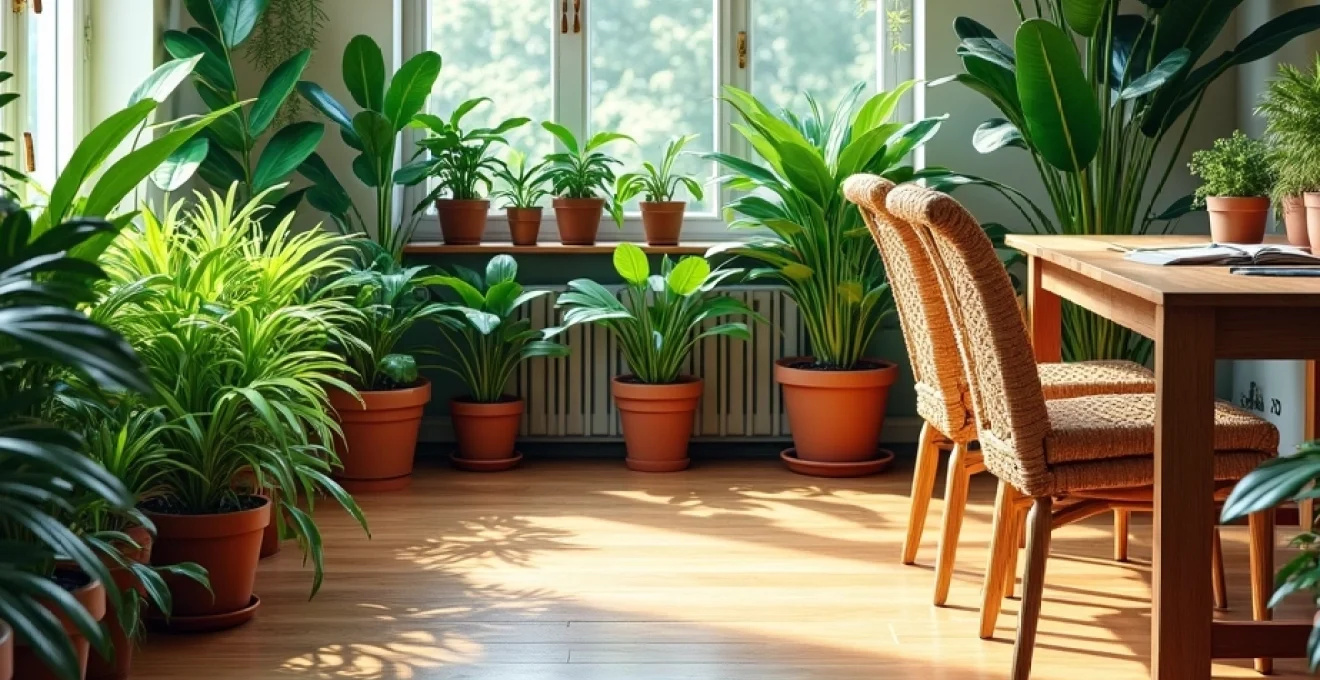
Creating an indoor plant oasis transforms your living space from a simple shelter into a vibrant ecosystem that enhances both air quality and mental well-being. Modern homes often lack sufficient connection to nature, leading to increased stress levels and poor indoor air quality. By strategically selecting and positioning high-performance plants throughout your home, you can establish a thriving botanical sanctuary that purifies the air, regulates humidity, and provides psychological benefits that extend far beyond mere decoration. The science behind successful indoor gardening combines botanical knowledge with environmental engineering, requiring careful consideration of light spectrums, moisture levels, and spatial dynamics to create optimal growing conditions.
Selecting High-Performance Air-Purifying species for maximum oxygen production
The foundation of any effective indoor plant oasis lies in selecting species that offer superior air purification capabilities whilst thriving in indoor environments. Research conducted by NASA’s Clean Air Study identified numerous plant species that excel at removing common household toxins including formaldehyde, benzene, and trichloroethylene from indoor air. These botanical air filters operate through a process called phytoremediation, where plants absorb harmful compounds through their leaves and root systems, converting them into harmless byproducts whilst simultaneously releasing fresh oxygen into your home environment.
Understanding the specific air-purifying capabilities of different plant species allows you to create targeted solutions for various indoor air quality challenges. Each plant species possesses unique biochemical pathways that enable it to process specific types of airborne contaminants, making strategic plant selection crucial for comprehensive air purification. The most effective indoor plant oases incorporate multiple species that work synergistically to address the full spectrum of indoor air pollutants commonly found in modern homes.
Sansevieria trifasciata and chlorophytum comosum for nocturnal oxygen release
Snake plants ( Sansevieria trifasciata ) and spider plants ( Chlorophytum comosum ) represent exceptional choices for bedroom environments due to their unique ability to release oxygen during nighttime hours. Unlike most plants that cease oxygen production after dark, these species continue photosynthesis through Crassulacean Acid Metabolism (CAM), making them ideal companions for improved sleep quality. Snake plants demonstrate remarkable tolerance for low-light conditions whilst requiring minimal watering, making them perfect for busy households seeking low-maintenance air purification solutions.
Epipremnum aureum and philodendron hederaceum for formaldehyde filtration
Golden pothos ( Epipremnum aureum ) and heartleaf philodendron ( Philodendron hederaceum ) excel at removing formaldehyde from indoor air, a common volatile organic compound found in furniture, carpeting, and building materials. These trailing species adapt readily to various light conditions and propagate easily, allowing you to expand your collection throughout multiple rooms. Their vigorous growth patterns and attractive foliage make them excellent choices for vertical gardening systems and hanging installations.
Spathiphyllum wallisii and chrysanthemum morifolium for benzene removal
Peace lilies ( Spathiphyllum wallisii ) and chrysanthemums ( Chrysanthemum morifolium ) demonstrate exceptional efficiency in removing benzene from indoor air, a carcinogenic compound commonly found in plastics, synthetic fabrics, and cleaning products. Peace lilies offer the additional benefit of visual indicators for watering needs, as their leaves droop noticeably when moisture levels become insufficient. These species prefer moderate to bright indirect light and benefit from regular misting to maintain optimal humidity levels.
Ficus benjamina and dracaena marginata for trichloroethylene absorption
Weeping figs ( Ficus benjamina ) and dragon trees ( Dracaena marginata ) specialise in absorbing trichloroethylene, a chemical commonly found in adhesives, paint removers, and spot removers. These larger specimens serve as excellent focal points within room designs whilst providing substantial air purification capacity. Both species require consistent care routines but reward attentive gardeners with impressive growth and long-term air quality improvements.
Strategic spatial planning and light optimisation techniques
Successful indoor plant oasis creation requires meticulous planning of spatial arrangements and lighting conditions to ensure optimal plant health and maximum air purification efficiency. The distribution of plants throughout your home should follow principles of light availability, air circulation patterns, and aesthetic balance to create harmonious living environments that support both human comfort and botanical growth. Professional indoor gardeners utilise sophisticated measurement techniques and positioning strategies to maximise the photosynthetic potential of each plant whilst maintaining visual appeal and practical accessibility.
Light optimisation represents the most critical factor in determining plant placement success, as photosynthetically active radiation (PAR) varies dramatically throughout indoor environments depending on window orientation, seasonal changes, and architectural features. Creating zones of appropriate light intensity allows you to match specific plant species with their optimal growing conditions, ensuring vigorous growth and maximum air purification capacity. Understanding the interplay between natural and artificial lighting sources enables you to extend growing zones beyond traditional window-adjacent areas.
PAR meter analysis for photosynthetically active radiation zones
Professional PAR meters measure the specific light wavelengths (400-700 nanometers) that plants utilise for photosynthesis, providing precise data for optimal plant positioning. Most houseplants require PAR values between 50-150 μmol/m²/s for healthy growth, with high-light species needing 200+ μmol/m²/s. Mapping PAR levels throughout your home at different times of day and seasons allows you to create microclimatic zones tailored to specific plant requirements, maximising both growth potential and air purification efficiency.
Full-spectrum LED growth light positioning for monstera deliciosa and fiddle leaf figs
Large-leafed species such as Monstera deliciosa and Ficus lyrata require supplemental lighting in most indoor environments to maintain their characteristic robust growth patterns. Full-spectrum LED arrays positioned 18-24 inches above plant canopies provide optimal light distribution without excessive heat generation. These fixtures should deliver 6000-8000K colour temperature with adjustable intensity controls to accommodate seasonal variations and plant growth cycles.
South-facing window placement for succulents and cacti collections
Xerophytic species including various cacti and succulents thrive in the intense light conditions provided by unobstructed south-facing windows. These locations receive 6-8 hours of direct sunlight during peak growing seasons, supporting the compact growth forms and stress coloration that make these plants visually striking. Rotating containers weekly ensures even light exposure and prevents phototropic leaning that can compromise plant architecture.
Humidity gradient management using tropical species clustering
Grouping tropical species creates beneficial humidity microclimates through transpiration, where moisture released by plant leaves increases local humidity levels. This clustering technique proves particularly effective for species requiring 50-70% relative humidity, such as ferns, orchids, and tropical foliage plants. Strategic placement near bathrooms or kitchens further enhances humidity levels naturally without requiring mechanical humidification systems.
Advanced hydroponic and Soil-Based growing systems integration
Modern indoor plant oases benefit tremendously from integrating both traditional soil-based growing methods with contemporary hydroponic technologies to optimise plant health and maintenance efficiency. Hydroponic systems offer precise nutrient control, reduced pest issues, and accelerated growth rates, whilst soil-based plantings provide natural buffering capacity and traditional aesthetic appeal. The combination of these growing methodologies allows you to maximise the air purification potential of your indoor garden whilst accommodating different plant species’ specific requirements and your personal maintenance preferences.
Hydroponic growing systems operate on the principle of delivering precisely controlled nutrient solutions directly to plant root systems, eliminating the variables associated with soil quality and consistency. These systems range from simple passive wicking setups suitable for herbs and small foliage plants to sophisticated active circulation systems capable of supporting large specimens like indoor trees and substantial flowering plants. The integration of automated monitoring systems enables precise control over pH levels, electrical conductivity, and nutrient concentrations, ensuring optimal growing conditions regardless of your gardening experience level.
Soil-based growing remains essential for many plant species that require the complex biological interactions provided by mycorrhizal networks and beneficial soil microorganisms. Premium potting mixtures incorporating organic compost, perlite, and vermiculite provide excellent drainage whilst retaining essential moisture and nutrients. The addition of slow-release fertilisers and beneficial microorganisms creates sustainable growing environments that support long-term plant health without constant intervention. Many successful indoor gardeners utilise hybrid approaches where hydroponic systems supply primary nutrition whilst soil provides structural support and biological diversity.
The most effective indoor plant oases combine multiple growing methodologies to accommodate diverse plant species whilst maximising air purification efficiency and minimising maintenance requirements.
Advanced growing systems also incorporate automated watering technologies that monitor soil moisture levels and deliver precise amounts of water based on individual plant requirements. These systems prevent both under-watering and over-watering issues that commonly plague traditional indoor gardening efforts. Smart irrigation controllers can be programmed to accommodate seasonal variations in plant water requirements and can integrate with environmental sensors to adjust watering schedules based on ambient humidity and temperature conditions.
Microclimate engineering through temperature and humidity control
Creating optimal growing conditions for diverse plant species requires sophisticated microclimate engineering that addresses temperature fluctuations, humidity variations, and air circulation patterns throughout your home. Professional-grade environmental control systems enable you to establish distinct growing zones that accommodate plants with vastly different climatic preferences, from tropical rainforest species requiring high humidity and stable temperatures to desert cacti thriving in dry, variable conditions. These controlled environments not only optimise plant health but also enhance their air purification capabilities by maintaining ideal conditions for maximum metabolic activity.
Temperature management involves understanding both daily and seasonal fluctuations that affect plant physiological processes including photosynthesis, transpiration, and nutrient uptake. Most tropical houseplants prefer consistent temperatures between 18-24°C (65-75°F), whilst temperature-tolerant species can accommodate wider ranges. Strategic placement of plants relative to heating and cooling sources prevents thermal stress that can compromise immune systems and reduce air purification efficiency. Advanced practitioners utilise programmable thermostats and zone-specific climate control to maintain optimal temperature ranges for different plant collections.
Humidity control represents perhaps the most challenging aspect of indoor plant cultivation, as most homes maintain relative humidity levels between 30-50%, significantly below the 50-80% preferred by many tropical species. Professional humidification systems, including ultrasonic humidifiers and evaporative cooling units, can raise ambient humidity levels effectively. However, targeted humidity delivery through localised misting systems and humidity trays provides more efficient solutions for individual plant groupings. These systems prevent over-humidification of living spaces whilst ensuring optimal moisture levels for plant health.
Air circulation plays a crucial role in preventing stagnant conditions that promote fungal diseases and pest infestations whilst ensuring efficient gas exchange for photosynthesis and transpiration. Gentle air movement, provided by ceiling fans or small circulation fans, strengthens plant stems through natural stress responses whilst preventing the accumulation of moisture and volatile compounds around plant canopies. The integration of air purification systems with plant-based filtration creates synergistic effects that dramatically improve overall indoor air quality beyond what either system could achieve independently.
Vertical garden architecture using living walls and moss systems
Vertical gardening represents the pinnacle of space-efficient indoor plant cultivation, allowing you to maximise green coverage and air purification capacity within limited floor space. Living wall systems transform bare vertical surfaces into thriving ecosystems that can accommodate dozens of plants whilst creating stunning visual focal points. These architectural installations require sophisticated irrigation systems, structural support mechanisms, and carefully selected plant palettes that thrive in vertical growing conditions. Modern living wall technologies incorporate modular growing panels that simplify installation and maintenance whilst providing optimal root zone conditions for diverse plant species.
The engineering of successful living walls requires careful consideration of water distribution, drainage, and structural loading to prevent moisture damage to building materials. Professional-grade systems utilise closed-loop irrigation with integrated drainage collection to recycle nutrient solutions and prevent water waste. Lightweight growing media specifically formulated for vertical applications provide excellent drainage whilst retaining sufficient moisture for plant health. These systems often incorporate capillary matting and drip irrigation zones to ensure even moisture distribution across all planting positions regardless of elevation.
Moss wall systems offer an alternative approach to vertical greening that requires minimal maintenance whilst providing excellent air purification and acoustic dampening properties. Preserved moss installations maintain their natural appearance without requiring water, light, or nutrients, making them ideal for challenging locations such as interior walls far from natural light sources. Living moss systems require higher humidity levels but provide superior air filtration capabilities and can thrive in lower light conditions than most vascular plants. The integration of both preserved and living moss elements creates dynamic vertical landscapes that evolve over time.
Vertical garden systems can increase your home’s plant coverage by 300-500% compared to traditional floor and surface plantings, dramatically amplifying air purification benefits whilst creating striking architectural features.
Plant selection for vertical systems requires species that adapt well to restricted root zones and potential moisture variations between upper and lower planting positions. Trailing species such as pothos, philodendrons, and various fern species excel in living wall environments due to their natural epiphytic growing habits. Compact foliage plants including peperomias, small bromeliads, and air plants provide textural variety whilst maintaining appropriate scale for vertical installations. Strategic arrangement of plants with complementary water and light requirements ensures system-wide compatibility and reduces maintenance complexity.
Biophilic design principles for psychological well-being enhancement
The integration of biophilic design principles elevates indoor plant oases beyond mere air purification to encompass comprehensive psychological and physiological well-being benefits. Biophilic design recognises the innate human connection to nature and leverages this relationship to create indoor environments that reduce stress, enhance cognitive function, and promote overall health. Research demonstrates that exposure to indoor plants can reduce cortisol levels by up to 37% whilst improving concentration and productivity by 15%. These benefits compound when plants are integrated thoughtfully into living spaces according to established biophilic principles that maximise human-nature interactions.
The psychological impact of indoor plants extends beyond simple visual appreciation to encompass multisensory experiences that engage touch, smell, and even subtle acoustic elements. Plants with interesting textures invite tactile interaction, whilst fragrant species such as jasmine, gardenias, and scented geraniums provide aromatic experiences that trigger positive emotional responses. The gentle rustling of bamboo leaves or ornamental grasses creates subtle soundscapes that mask urban noise pollution and promote relaxation. Strategic incorporation of water features alongside plantings amplifies these sensory benefits through the calming sounds of flowing water and increased negative ion generation.
Colour psychology plays a significant role in optimising the psychological benefits of indoor plant collections. The predominant green colouration of most foliage plants naturally promotes feelings of calm and renewal, whilst flowering species provide seasonal colour accents that stimulate creativity and emotional well-being. The strategic placement of plants with varying shades of green creates visual depth and complexity that prevents monotony whilst maintaining the calming influence of natural colour palettes. Seasonal rotation of flowering plants ensures year-round visual interest and provides psychological markers for natural rhythms despite indoor living conditions.
Biophilic design principles suggest that visual access to nature from primary living and working areas can improve mental health outcomes by up to 25% compared to environments lacking natural elements.
The spatial arrangement of plants according to biophilic principles involves creating natural sight lines and organic groupings that mimic forest understory patterns rather than rigid geometric arrangements. This approach includes establishing visual pathways through plant collections that encourage exploration and discovery, incorporating plants at various heights to create canopy effects, and utilising natural materials such as stone, wood, and organic textiles to complement botanical elements. The most effective biophilic spaces provide opportunities for direct plant care activities that engage occupants in nurturing behaviours known to reduce anxiety and promote mindfulness. Regular interaction with plants through watering, pruning, and general maintenance creates meaningful connections that enhance the psychological benefits of indoor gardening beyond passive observation.