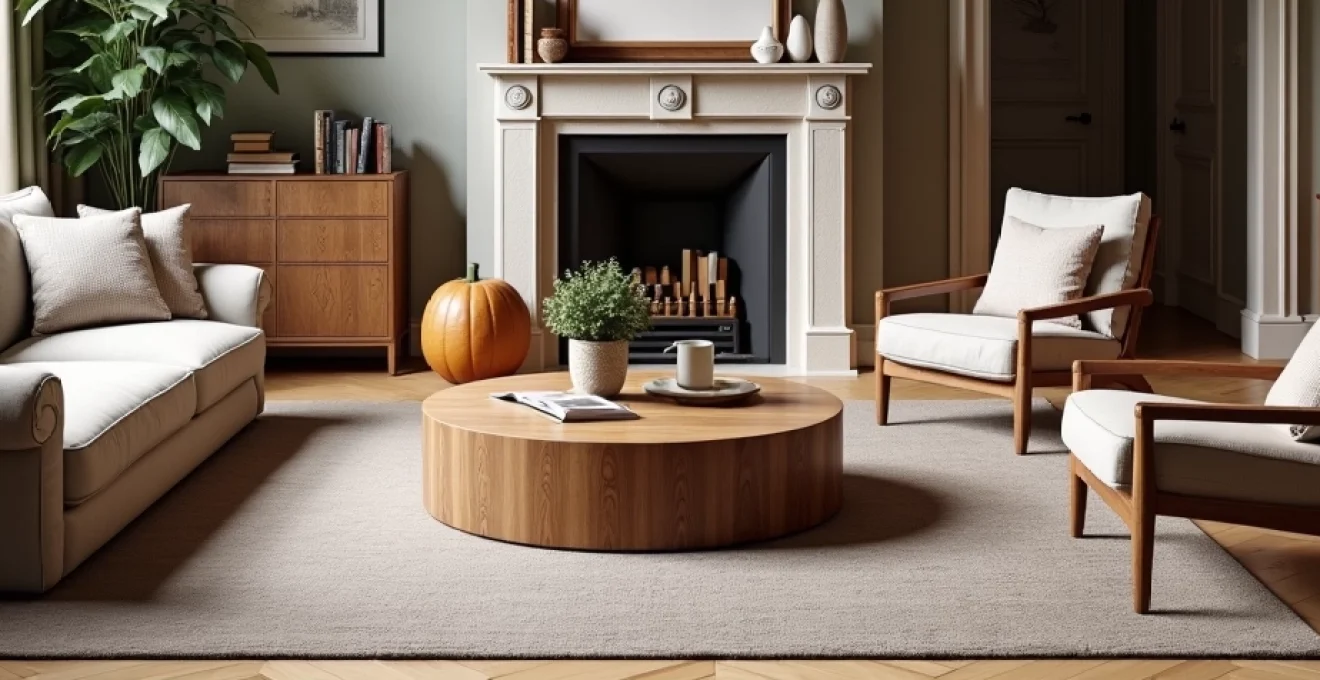
Creating a harmonious blend of vintage treasures and contemporary furnishings represents one of interior design’s most rewarding challenges. The art of combining old and new pieces goes far beyond simply placing antique furniture alongside modern accessories—it requires a sophisticated understanding of visual balance, proportional relationships, and aesthetic cohesion. When executed thoughtfully, this approach transforms spaces into layered narratives that reflect both personal history and contemporary living needs.
The appeal of mixed-era interiors lies in their ability to create depth and character that neither purely traditional nor strictly modern spaces can achieve alone. Curated aesthetics emerge when disparate elements unite through careful consideration of colour, scale, texture, and spatial relationships. This design philosophy celebrates the patina of aged materials whilst embracing the clean functionality of modern pieces, resulting in interiors that feel both timeless and thoroughly contemporary.
Understanding curated aesthetic principles for Mixed-Era interior design
The foundation of successful vintage-contemporary integration rests upon understanding how different design periods can complement rather than compete with each other. Visual harmony emerges when pieces from various eras share common denominators—whether through materials, proportions, or underlying design philosophies. Georgian furniture’s refined proportions can beautifully complement mid-century modern pieces, whilst Victorian ornate details provide striking contrast against minimalist contemporary forms.
Professional interior designers recognise that successful curation requires establishing a hierarchy of importance within each space. Determine which pieces will serve as anchors—typically larger furniture items or statement artworks—and build supporting elements around these focal points. This approach prevents spaces from appearing chaotic whilst maintaining the eclectic character that makes mixed-era design so compelling.
Visual weight distribution between antique and contemporary furnishings
Antique pieces often carry significant visual weight due to their ornate details, rich patinas, and substantial construction. Balancing these elements with contemporary furnishings requires understanding how different pieces command attention within a room. A heavily carved Victorian sideboard might anchor one wall, whilst sleek modern lighting fixtures provide visual counterpoints that prevent the space from feeling overwhelmed by historical gravitas.
Consider the principle of optical balance when positioning mixed-era pieces. Asymmetrical arrangements often prove more dynamic than perfectly symmetrical layouts, particularly when combining pieces with vastly different design languages. A substantial antique armoire on one side of a room might be balanced by a grouping of contemporary furniture pieces on the opposite side, creating equilibrium without monotony.
Colour palette cohesion strategies for Multi-Period pieces
Establishing a cohesive colour palette serves as the invisible thread connecting disparate design periods. Successful mixed-era spaces often employ a restricted colour scheme that allows various pieces to coexist harmoniously. This doesn’t mean everything must match—rather, colours should relate to each other through undertones, intensity levels, or temperature ranges.
Natural wood tones provide excellent unifying elements, as they span centuries of furniture production whilst offering warmth that complements both vintage textiles and contemporary finishes. Consider how the honey tones of mid-century teak might harmonise with the deeper hues of Georgian mahogany, united by their shared organic origins and rich patinas developed over time.
Scale and proportion balancing techniques in eclectic spaces
Proportion plays a crucial role in creating visual comfort within mixed-era environments. Furniture pieces from different periods often reflect varying approaches to scale—Victorian pieces tend toward substantial presence, whilst mid-century modern designs emphasise streamlined profiles. Successfully combining these requires understanding how proportional relationships affect spatial perception.
Large-scale antique pieces benefit from breathing room and carefully chosen contemporary companions that won’t compete for attention. Conversely, smaller vintage accessories can be grouped together to create collective visual impact that holds its own alongside substantial modern furniture. This scaling strategy ensures no single piece appears lost or overwhelmed within the overall composition.
Textural harmony creation through Cross-Temporal material selection
Texture provides another layer of connection between pieces from different eras. The smooth patina of aged bronze complements contemporary brushed steel, whilst weathered wood surfaces create dialogue with modern concrete or stone finishes. Understanding these material relationships allows you to create sensory coherence that transcends stylistic differences.
Consider how light interacts with various textures throughout the day. Polished surfaces reflect and amplify illumination, whilst matte finishes absorb light to create visual anchors. Balancing reflective and absorptive surfaces helps establish rhythm and prevents spaces from feeling either too stark or too heavy. Textural variety keeps spaces interesting whilst maintaining overall harmony through careful selection and placement.
Strategic vintage sourcing and authentication methods
Successful vintage acquisition requires developing expertise in identifying authentic pieces, understanding market values, and recognising quality construction that will stand the test of time. Professional antiquarians recommend focusing on provenance, condition, and rarity when evaluating potential acquisitions. Understanding maker’s marks, construction techniques, and period-appropriate materials helps distinguish genuine vintage pieces from modern reproductions.
Building relationships with reputable dealers, attending estate sales regularly, and developing expertise in specific periods or styles enhances sourcing success. Many collectors focus on particular movements—such as Scandinavian modern or British Arts and Crafts—developing deep knowledge that enables confident purchasing decisions. This specialised approach often yields better results than attempting to cover all periods and styles superficially.
Estate sale navigation and Mid-Century modern identification
Estate sales offer exceptional opportunities for acquiring authentic mid-century pieces, but success requires preparation and knowledge. Research upcoming sales through online listings, arrive early for best selection, and bring measuring tools for space planning. Authentic mid-century pieces often bear maker’s marks, exhibit characteristic joinery techniques, and display the clean lines and functional design philosophy that defined the movement.
Key identifiers include dovetail joints in drawer construction, solid wood versus veneer construction, and period-appropriate hardware. Scandinavian pieces often feature oil finishes rather than lacquer, whilst American mid-century furniture might display laminated construction techniques pioneered during this era. Understanding these technical details enables confident identification and valuation of potential acquisitions.
Antique market evaluation techniques for georgian and victorian pieces
Georgian and Victorian furniture requires different evaluation criteria due to varying construction methods and design philosophies. Georgian pieces emphasise refined proportions and superior craftsmanship, often featuring hand-cut dovetails, solid wood construction, and restrained decorative elements. Victorian furniture tends toward more elaborate ornamentation, heavier construction, and diverse material combinations.
Examine joinery carefully, as period pieces display hand-crafted irregularities that machine production cannot replicate. Look for signs of age in hardware, checking for appropriate patination and wear patterns. Authentic Georgian pieces often show subtle asymmetries in hand-carved elements, whilst Victorian furniture might display elaborate marquetry or inlay work that demonstrates period craftsmanship standards.
Online marketplace authentication for scandinavian teak and rosewood items
Digital marketplaces have revolutionised vintage furniture acquisition, but online purchasing requires enhanced authentication skills. Request detailed photographs showing joinery, hardware, and maker’s marks. Scandinavian teak pieces should display characteristic grain patterns, appropriate aging, and period-correct construction details. Rosewood items require particular scrutiny due to CITES regulations and the proliferation of veneer-over-particle-board reproductions.
Develop relationships with sellers who provide detailed provenance information and accept returns if pieces don’t meet described conditions. Understanding shipping logistics for large furniture items prevents costly mistakes, whilst knowledge of restoration costs helps determine whether purchase prices represent good value. Authentication expertise develops through experience, but initial investments in reference materials and consultation with established dealers can prevent expensive errors.
Provenance documentation and Investment-Grade vintage selection
High-value vintage pieces benefit from documented provenance, particularly items from renowned designers or manufacturers. Maintain detailed records including purchase information, restoration history, and any available documentation about previous ownership. This information not only enhances personal enjoyment but also protects investment value should you later decide to sell.
Investment-grade pieces typically feature superior construction, documented design provenance, and enduring aesthetic appeal. Focus on works by recognised designers, pieces that exemplify particular movements, or items with interesting historical connections. Understanding market trends helps identify undervalued categories that might appreciate over time, though acquisition should primarily reflect personal aesthetic preferences rather than purely financial considerations.
Contemporary piece selection for heritage integration
Selecting contemporary furniture that harmonises with vintage pieces requires understanding both current design trends and timeless aesthetic principles. The most successful contemporary pieces for mixed-era spaces tend to exhibit clean lines, quality construction, and neutral colour palettes that won’t compete with more elaborate historical pieces. Modern furniture’s role often involves providing functional solutions whilst maintaining visual restraint that allows vintage pieces to command attention.
Contemporary lighting deserves particular consideration, as modern fixtures can dramatically enhance vintage furniture through improved illumination. LED technology enables precise light control that can highlight vintage pieces’ best features whilst providing excellent task lighting for contemporary living needs. Consider how modern upholstery fabrics might complement antique furniture frames, creating hybrid pieces that merge historical craftsmanship with contemporary comfort and durability.
Quality contemporary pieces should demonstrate construction standards that complement rather than contrast negatively with vintage craftsmanship. Solid wood contemporary furniture often integrates more successfully than particle board alternatives, whilst modern pieces featuring traditional joinery techniques create stronger aesthetic connections with historical furniture. Contemporary selections should enhance rather than diminish the overall sophistication of mixed-era spaces.
Spatial flow optimisation through Cross-Period furniture arrangement
Creating optimal spatial flow in mixed-era environments requires understanding how different furniture styles affect movement patterns and visual navigation. Victorian furniture’s substantial presence might naturally define room boundaries, whilst mid-century modern pieces’ lower profiles facilitate visual continuity between spaces. Professional space planning considers both physical navigation and visual sightlines when positioning diverse furniture pieces.
Successful arrangements often establish conversation areas that incorporate pieces from multiple periods whilst maintaining functional clarity. Consider how antique pieces’ varying heights create visual rhythm, and position contemporary elements to complement these natural focal points. Spatial relationships between pieces should feel intentional rather than accidental, demonstrating thoughtful curation rather than random placement.
Traffic pattern analysis for Mixed-Era room layouts
Different furniture periods often reflect varying approaches to room usage and circulation patterns. Georgian furniture was designed for formal entertaining with clearly defined traffic flows, whilst mid-century modern pieces emphasise flexible, casual arrangements. Understanding these underlying philosophies helps create layouts that respect both historical furniture’s intended usage and contemporary lifestyle needs.
Analyse natural movement patterns through spaces, ensuring vintage pieces don’t create awkward bottlenecks whilst maintaining their aesthetic impact. Large antique pieces might anchor room corners, allowing contemporary furniture to define main circulation routes. This approach preserves vintage pieces’ dignity whilst acknowledging modern living’s more casual requirements.
Focal point hierarchy using statement antiques and modern anchors
Establishing clear focal point hierarchies prevents mixed-era spaces from appearing chaotic or overwhelming. Primary focal points might feature exceptional antique pieces—perhaps a Georgian secretary or Victorian Gothic Revival chair—whilst secondary focal points incorporate contemporary elements that support rather than compete with these statements. This layered approach creates visual interest without confusion.
Consider how modern artwork might complement antique furniture, or how contemporary lighting can enhance vintage pieces’ visual impact. Focal point planning ensures each significant piece receives appropriate attention whilst contributing to overall compositional harmony. Avoid placing too many statement pieces in direct competition, as this diminishes each piece’s individual impact.
Negative space utilisation in maximalist curated environments
Even richly furnished spaces require strategic negative space to prevent visual overwhelm. Vintage pieces often benefit from breathing room that allows their details to be appreciated, whilst contemporary pieces might be grouped more tightly to create collective impact. Understanding when to leave areas unadorned demonstrates curatorial sophistication and prevents spaces from crossing the line into cluttered territory.
Negative space also provides visual rest areas that enhance appreciation of furnished zones. Consider how empty wall areas might highlight particularly beautiful vintage pieces, or how unadorned floor space can emphasise furniture groupings. Strategic emptiness paradoxically enhances the impact of carefully chosen furnishings whilst maintaining spatial clarity and comfort.
Lighting design strategies for Vintage-Contemporary synthesis
Lighting plays a crucial role in unifying mixed-era interiors, as inappropriate illumination can emphasise disconnections between different periods rather than highlighting their harmonious relationships. Contemporary lighting technology offers unprecedented control over colour temperature, intensity, and beam patterns, enabling precise highlighting of vintage pieces’ best features whilst providing excellent general illumination for modern living requirements.
Consider how different lighting types interact with various materials and finishes commonly found in vintage furniture. Warm light temperatures often complement wood tones and traditional textiles, whilst cooler lighting might enhance contemporary pieces’ metallic finishes. Layered lighting schemes incorporating ambient, task, and accent lighting create flexibility that accommodates both vintage pieces’ display needs and contemporary functionality requirements.
Pendant light integration with edwardian and art deco elements
Modern pendant lights can create striking juxtapositions with Edwardian and Art Deco furniture pieces, particularly when contemporary fixtures echo historical proportions or material choices. Brass or bronze contemporary pendants might harmonise beautifully with Art Deco furniture’s metallic accents, whilst simple glass pendant forms can complement Edwardian pieces’ refined elegance without competing for attention.
Consider scale relationships carefully when positioning pendant lights above vintage furniture. Art Deco pieces’ bold geometries might accommodate dramatic contemporary lighting, whilst Edwardian furniture’s more delicate proportions require subtler lighting companions. Pendant positioning should enhance rather than overwhelm vintage pieces’ inherent character whilst providing practical illumination for contemporary activities.
Task lighting solutions for antique desks and modern workspaces
Antique desks present particular challenges for contemporary task lighting, as historical pieces weren’t designed to accommodate modern electrical requirements or computer equipment. Contemporary desk lamps must provide adequate illumination for screen-based work whilst respecting vintage furniture’s aesthetic integrity. Look for adjustable LED fixtures with appropriate scale and finish compatibility.
Wireless charging capabilities and USB integration in contemporary task lighting can enhance antique desk functionality without compromising their historical character. Consider how cable management solutions might be discretely incorporated to maintain clean sightlines whilst providing necessary contemporary connectivity. Functional integration should appear seamless rather than obviously retrofitted onto historical pieces.
Ambient lighting temperature coordination for mixed material palettes
Coordinating lighting temperature across mixed-era spaces requires understanding how different colour temperatures affect various materials and finishes. Vintage wood furniture generally appears most attractive under warm light temperatures (2700K-3000K), whilst contemporary metals and glass might benefit from slightly cooler lighting. Creating smooth transitions between different lighting zones prevents jarring colour temperature changes that could emphasise rather than minimise period differences.
Dimming capabilities become essential in mixed-era spaces, as different pieces might require varying illumination levels to achieve optimal visual impact. Vintage textiles and paintings often benefit from lower light levels to prevent fading, whilst contemporary pieces might accommodate higher illumination without damage concerns. Temperature coordination creates cohesive ambiance that enhances rather than fragments overall spatial harmony.
Maintenance and preservation protocols for Mixed-Collection interiors
Maintaining mixed-era collections requires understanding different materials’ specific care requirements whilst implementing consistent protocols that protect both vintage and contemporary pieces. Antique furniture often requires specialised cleaning products and techniques that won’t damage historical finishes, whilst contemporary pieces might accommodate more aggressive cleaning methods. Developing material-specific maintenance routines ensures all pieces remain in optimal condition regardless of their age or origin.
Environmental controls become particularly important in mixed collections, as different materials respond differently to humidity, temperature, and light exposure variations. Vintage leather requires different environmental conditions than contemporary synthetic materials, whilst antique wood finishes might be more sensitive to humidity fluctuations than modern lacquered surfaces. Regular monitoring of environmental conditions helps prevent damage to sensitive pieces whilst maintaining comfortable living conditions.
Insurance considerations for mixed-era collections require documentation of each piece’s value, condition, and provenance. Professional appraisals might be necessary for high-value vintage pieces, whilst contemporary furniture typically requires only purchase documentation. Regular photographic documentation helps track condition changes over time whilst providing valuable records for insurance purposes. Preservation protocols should balance protection requirements with practical usability, ensuring collections remain functional parts of daily life rather than untouchable museum displays.