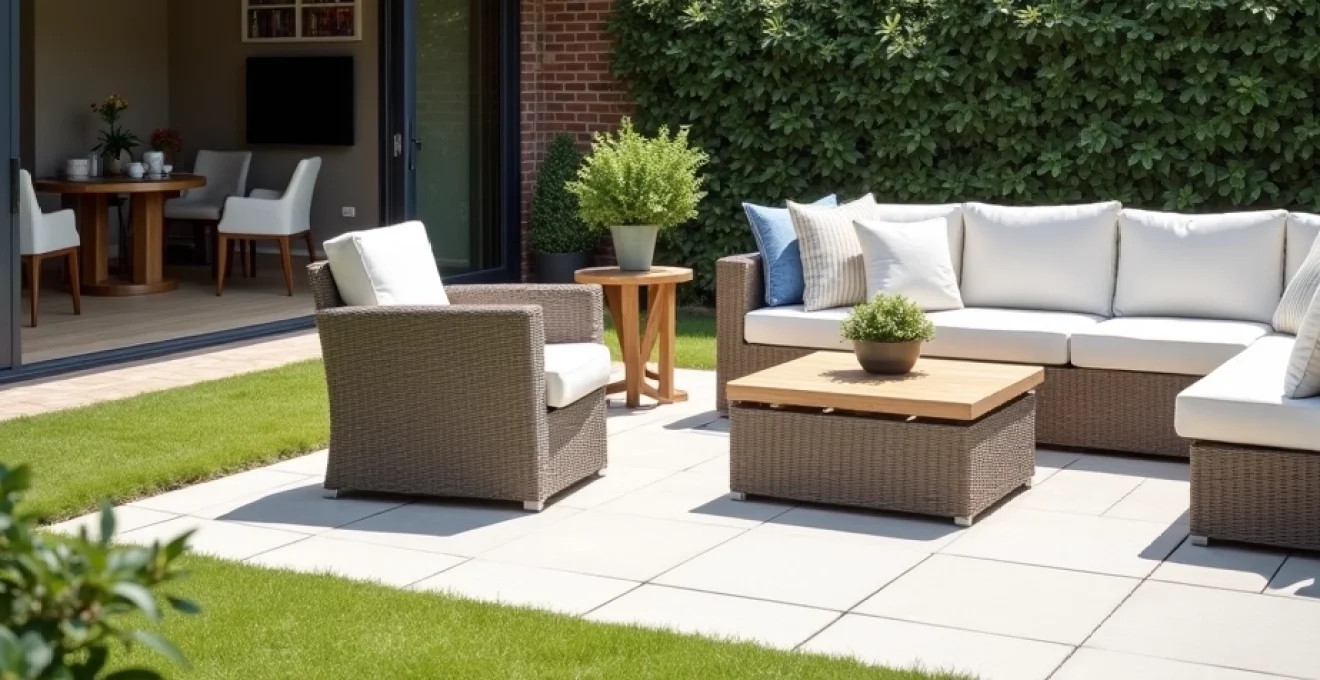
Selecting the perfect garden furniture represents far more than simply purchasing outdoor seating and tables. Your choice directly impacts how you experience your external living space, influences the frequency of outdoor activities, and determines whether your garden becomes a cherished retreat or an underutilised area. The British climate presents unique challenges that require careful consideration of materials, seasonal adaptability, and long-term durability. Modern outdoor furniture technology has evolved significantly, offering solutions that withstand our unpredictable weather whilst maintaining comfort and aesthetic appeal throughout multiple seasons.
The decision-making process involves balancing functional requirements with personal preferences, budget constraints with quality expectations, and immediate needs with future lifestyle changes. Understanding your specific outdoor living patterns, space limitations, and maintenance capabilities forms the foundation for making an informed investment that will serve you well for years to come.
Assessing your outdoor living patterns and space requirements
Before exploring specific furniture options, establishing a clear understanding of your outdoor lifestyle patterns proves essential for making appropriate selections. Your usage frequency, preferred activities, and seasonal habits significantly influence which furniture types will provide the greatest satisfaction and value.
Evaluating garden dimensions and layout constraints
Accurate spatial assessment forms the cornerstone of successful garden furniture selection. Measuring your available space includes more than simply recording length and width dimensions. Consider traffic flow patterns, existing landscape features, and seasonal variations that might affect furniture placement. Account for minimum clearance distances around seating areas to ensure comfortable movement and access. Standard recommendations suggest allowing at least 60cm behind dining chairs for easy movement and 90cm for wheelchair accessibility.
Garden topography influences furniture stability and drainage considerations. Sloped areas may require adjustable feet or levelling solutions, whilst naturally damp zones need elevated positioning to prevent moisture absorption. Proximity to buildings affects wind patterns and sun exposure throughout the day, directly impacting comfort levels and material durability requirements.
Analysing seasonal usage patterns and climate considerations
British weather patterns demand furniture that performs reliably across diverse conditions. Summer usage typically focuses on dining and entertainment, requiring robust table surfaces and comfortable seating for extended periods. Spring and autumn usage often involves shorter sessions with variable weather protection needs. Winter storage or weatherproofing requirements vary significantly based on your commitment to year-round outdoor furniture maintenance.
Regional climate variations within the UK affect material selection priorities. Coastal areas experience higher salt exposure and moisture levels, demanding superior corrosion resistance. Urban environments may face increased pollution exposure, requiring materials that resist staining and degradation. Highland regions encounter more extreme temperature fluctuations, necessitating materials with excellent thermal expansion characteristics.
Identifying primary activity zones: dining, lounging, and entertainment areas
Successful garden furniture selection aligns with your primary outdoor activities and entertainment preferences. Dining-focused spaces require sturdy tables with appropriate height and surface area for comfortable meal service. Consider whether you regularly host large gatherings or prefer intimate family meals, as this directly influences size requirements and seating capacity needs.
Lounging areas prioritise comfort and relaxation, demanding furniture that supports extended periods of rest and contemplation. Reclining capabilities, ergonomic design, and adequate cushioning become primary considerations. Entertainment zones may require modular furniture arrangements that adapt to varying group sizes and activities, from casual conversations to outdoor cinema experiences.
Calculating Weight-Bearing capacity for decking and patio surfaces
Understanding your outdoor surface limitations prevents structural damage and ensures safety throughout furniture lifespan. Timber decking typically supports 1.5-2.5 kN/m² (approximately 150-250 kg/m²) distributed load, whilst concrete patios handle significantly higher weights without concern. Raised decking structures require careful consideration of point loads, particularly for heavy furniture pieces or concentrated weight areas.
Furniture weight distribution affects surface longevity and stability. Wide-based designs spread loads more effectively than narrow-legged alternatives. Consider seasonal weight variations when adding cushions, covers, or temporary accessories that might exceed original calculations.
Material selection based on weather resistance and durability standards
Material choice represents the most critical decision affecting long-term satisfaction with your garden furniture investment. Each material category offers distinct advantages and limitations that must align with your specific requirements, maintenance capabilities, and aesthetic preferences.
Teak and eucalyptus hardwood performance in british climate conditions
Teak remains the gold standard for outdoor hardwood furniture, offering exceptional natural weather resistance through high oil content and tight grain structure. This premium timber naturally repels moisture, resists insect damage, and develops an attractive silvery patina when left untreated. Initial investment costs prove substantial, but decades-long durability justifies the expense for serious outdoor living enthusiasts.
Eucalyptus provides excellent value as a hardwood alternative, offering similar weather resistance at approximately 60-70% of teak pricing. FSC-certified eucalyptus sources ensure sustainable harvesting practices whilst delivering comparable performance in British climate conditions. Both species require minimal maintenance when allowed to weather naturally, though annual oil treatments preserve original colouring if preferred.
Proper hardwood care involves seasonal cleaning with specialised timber cleaners and annual assessment for any developing splits or joint looseness. Quality hardwood furniture typically lasts 15-25 years with basic maintenance, making it an excellent long-term investment for committed outdoor living enthusiasts.
Powder-coated aluminium vs galvanised steel frame construction
Aluminium frame construction offers superior corrosion resistance and lightweight portability whilst maintaining structural integrity under normal outdoor conditions. Powder coating provides additional UV protection and colour stability, with quality finishes lasting 10-15 years without significant degradation. Weight advantages make aluminium furniture easier to rearrange and store, though wind resistance may require securing during severe weather.
Galvanised steel frames provide enhanced strength for heavy-duty applications and superior wind resistance due to increased mass. Modern galvanising processes offer excellent corrosion protection, though scratches or coating damage can lead to localised rusting. Steel construction suits permanent installations and high-traffic commercial applications where maximum durability outweighs portability concerns.
Frame joint construction quality significantly affects long-term performance regardless of material choice. Welded joints typically outperform mechanical fasteners in outdoor environments, providing superior weather sealing and structural integrity.
HDPE rattan weaving and UV-Stabilised synthetic materials
High-density polyethylene (HDPE) rattan replicates natural rattan appearance whilst providing superior weather resistance and consistency. Quality HDPE weaving incorporates UV stabilisers that prevent colour fading and material degradation for 8-12 years under normal exposure conditions. Synthetic rattan flexibility accommodates thermal expansion without cracking, making it ideal for variable temperature environments.
UV stabilisation technology varies significantly between manufacturers, with premium grades offering fade warranties up to 5 years. Look for materials with UV additive percentages above 2% for optimal longevity. Cheaper alternatives may begin degrading within 2-3 years, ultimately proving false economy despite lower initial costs.
Maintenance requirements for quality synthetic rattan involve periodic cleaning with mild detergent solutions and annual inspection for weave looseness or damage. Proper care typically extends serviceable life to 10-15 years, making synthetic rattan an excellent balance of aesthetics and practicality.
Textilene and olefin fabric weather resistance ratings
Textilene fabric combines PVC-coated polyester threads in an open-weave structure that provides excellent ventilation whilst resisting moisture absorption. This technical fabric typically achieves fade ratings of 4-5 on the Blue Wool Scale, indicating superior colour stability under extended UV exposure. Textilene’s quick-dry properties prevent mould and mildew development whilst maintaining structural integrity through multiple seasons.
Solution-dyed olefin offers premium weather resistance with colour integrated throughout the fibre rather than surface-applied. This construction method provides exceptional fade resistance and stain rejection whilst maintaining softness comparable to natural fibres. Quality olefin fabrics carry warranties up to 7 years for colour retention and structural integrity.
Both fabric types require regular cleaning to prevent dirt accumulation that can accelerate wear. Professional-grade treatments enhance water repellency and stain resistance, extending serviceable life significantly beyond untreated alternatives.
Ergonomic design principles for comfort and functionality
Ergonomic considerations directly impact your enjoyment and usage frequency of outdoor furniture. Properly designed pieces support natural body positions, reduce fatigue during extended use, and accommodate users across different age ranges and physical capabilities. Understanding key ergonomic principles helps identify furniture that provides long-term comfort rather than short-term aesthetic appeal.
Seating height represents a critical comfort factor, with optimal dimensions ranging from 40-45cm for dining chairs and 35-40cm for lounge seating. Seat depth should accommodate approximately 75% of thigh length, typically 38-42cm for average adults. Backrest angles between 100-110 degrees provide optimal support for extended sitting periods whilst allowing easy conversation and movement.
Armrest height and positioning significantly affect user comfort, particularly for older adults who rely on armrests for assistance when rising. Standard armrest heights of 18-23cm above seat level accommodate most users effectively. Width considerations ensure adequate space for different body sizes whilst maintaining structural integrity and aesthetic proportions.
Table height coordination with seating ensures comfortable dining and work surface access. Standard outdoor dining tables measure 70-75cm high, requiring careful coordination with chair seat heights to maintain 25-30cm clearance for comfortable leg positioning. Adjustable furniture systems accommodate varying user preferences and multi-functional space requirements.
Weight capacity ratings reflect both structural integrity and user safety margins. Quality outdoor furniture typically supports 120-150kg per seat position with appropriate safety factors. Consider potential overloading scenarios, including multiple users per seat or additional weight from wet clothing and accessories.
Quality ergonomic design enhances outdoor living experiences whilst reducing physical strain and fatigue during extended use periods.
Maintenance requirements and Long-Term care protocols
Establishing realistic maintenance expectations prevents disappointment and ensures optimal furniture performance throughout its intended lifespan. Different materials demand varying care levels, from minimal annual cleaning to comprehensive seasonal treatment protocols. Understanding these requirements before purchase helps align furniture selection with your available time and interest in maintenance activities.
Seasonal deep cleaning techniques for different material types
Spring cleaning protocols prepare furniture for active season use whilst addressing winter damage or deterioration. Hardwood furniture benefits from thorough cleaning with specialised wood cleaners that remove accumulated grime without damaging protective finishes. Pressure washing remains acceptable for robust materials like teak and eucalyptus, though lower pressure settings prevent grain damage.
Metal frame cleaning involves removing all cushions and accessories before washing with mild detergent solutions. Particular attention to joint areas and crevices prevents dirt accumulation that can harbour moisture and accelerate corrosion. Annual inspection identifies developing rust spots or coating damage requiring immediate attention.
Synthetic rattan cleaning requires gentle brush action to remove debris from weave intersections whilst avoiding excessive pressure that might loosen connections. Steam cleaning effectively sanitises whilst preserving material integrity, though adequate drying time prevents trapped moisture issues.
Protective covering systems and storage solutions
Quality furniture covers provide essential protection during harsh weather periods whilst allowing adequate ventilation to prevent condensation buildup. Breathable fabric covers outperform plastic alternatives by permitting moisture evaporation whilst blocking UV radiation and precipitation. Custom-fitted covers provide superior protection compared to universal sizing, reducing wind damage and ensuring complete coverage.
Storage solutions range from complete disassembly and indoor storage to weather-resistant outdoor cabinet systems. Modular furniture designs facilitate efficient storage through nesting or stacking capabilities. Consider storage space limitations before purchasing large furniture sets that require complete disassembly for winter protection.
Cushion storage demands particular attention due to fabric susceptibility to moisture damage and pest infiltration. Dedicated storage containers with proper ventilation prevent mould development whilst protecting against rodent damage. Vacuum-sealed storage reduces space requirements whilst providing maximum protection for seasonal storage periods.
Wood treatment schedules using teak oil and marine varnishes
Hardwood maintenance scheduling depends on desired appearance and protection level preferences. Natural weathering requires minimal intervention beyond annual cleaning, allowing wood to develop characteristic silver-grey patina. Oil treatments preserve original colour whilst enhancing natural weather resistance through deeper penetration and moisture repulsion.
Teak oil applications typically occur annually in spring before active season use, with additional treatments after deep cleaning or severe weather exposure. Quality marine-grade oils penetrate effectively whilst maintaining breathability essential for hardwood stability. Application techniques involve thin, even coats with adequate drying time between applications.
Marine varnish systems provide maximum protection for furniture exposed to extreme conditions, though maintenance requirements increase significantly. Varnish systems require complete removal and reapplication every 3-5 years, making them suitable only for users committed to intensive maintenance schedules.
Cushion care and mildew prevention strategies
Cushion longevity depends heavily on moisture management and regular cleaning protocols. Quick-dry foam cores resist moisture absorption whilst maintaining shape and comfort through multiple wet/dry cycles. Regular cushion rotation ensures even wear patterns and extends overall lifespan significantly.
Mildew prevention requires adequate air circulation and moisture elimination before storage. UV exposure provides natural antimicrobial benefits whilst fresh air circulation prevents stagnant conditions that promote mould development. Professional cleaning services offer deep treatment options for valuable cushions showing early signs of deterioration.
Removable cushion covers facilitate regular washing and seasonal deep cleaning. Quality covers feature robust zippers and reinforced stress points that withstand repeated removal and installation. Consider purchasing additional cover sets to enable rotation during cleaning periods.
Budget allocation and investment return analysis
Garden furniture represents a significant investment that requires careful financial planning and realistic expectation setting. Quality outdoor furniture pricing reflects material costs, construction complexity, and expected lifespan, with substantial variations across different categories and manufacturers. Understanding cost-per-year calculations helps justify higher initial investments for superior durability and performance.
Entry-level furniture typically costs £200-500 for basic dining sets, with expected lifespans of 3-5 years under normal usage conditions. Mid-range options at £500-1,500 offer improved materials and construction, typically lasting 6-10 years with proper maintenance. Premium furniture investments of £1,500-5,000 provide exceptional durability and comfort, often surviving 15-25 years with basic care.
Consider total ownership costs including maintenance supplies, storage solutions, and replacement cushions when evaluating options. Quality furniture often requires fewer replacement parts and less frequent maintenance, reducing long-term expenses despite higher initial costs. Factor in warranty coverage and manufacturer support availability when comparing pricing across different brands and retailers.
Seasonal purchasing strategies can reduce costs significantly, with end-of-season sales offering 30-50% discounts on current inventory. However, selection limitations and delivery timing constraints may outweigh savings for immediate needs. Consider purchasing off-season for future use when storage space permits.
Financing options enable access to higher-quality furniture through manageable payment schedules, though interest costs must factor into total investment calculations. Many retailers offer interest-free periods that align with seasonal usage patterns, making premium furniture more accessible for budget-conscious buyers.
Successful garden furniture investment requires balancing initial costs with expected lifespan and maintenance requirements to achieve optimal value over time.
Brand comparison: kettler, alexander rose, and bramblecrest performance metrics
Leading garden furniture manufacturers demonstrate varying strengths across material quality, design innovation, warranty support, and pricing strategies. Kettler has established reputation for robust construction and comprehensive warranty coverage, particularly in aluminium frame furniture and modular seating systems. Their German engineering approach emphasises functionality and durability over cutting-edge aesthetics, resulting in furniture that performs reliably for decades under normal usage conditions.
Alexander Rose focuses on traditional craftsmanship combined with modern materials technology, offering extensive hardwood collections alongside synthetic alternatives. Their commitment to sustainable sourcing and FSC certification appeals to environmentally conscious consumers whilst maintaining competitive pricing across multiple product categories. Warranty terms typically extend 2-5 years depending on material type and construction methods.
Bramblecrest represents the premium segment with innovative designs and superior material specifications. Their emphasis on modular systems and customisation options provides flexibility for unique space requirements whilst maintaining cohesive aesthetic themes. Higher pricing reflects advanced manufacturing techniques and comprehensive customer support services, including design consultation and extended warranty coverage.
Performance testing across these manufacturers reveals consistent quality within their respective market segments, though material specifications and construction details vary significantly. Independent durability testing demonstrates correlation between pricing and longevity, with premium brands typically exceeding expected lifespan projections by 20-40% under normal usage conditions.
Customer service quality and after-sales support differentiate these manufacturers significantly in real-world ownership experiences. Kettler provides comprehensive technical support with detailed assembly instructions and replacement part availability extending beyond warranty periods. Alexander Rose maintains regional service centres offering repair services and refurbishment options for older furniture, demonstrating commitment to product longevity. Bramblecrest delivers white-glove service including delivery, assembly, and seasonal maintenance programs for premium customers.
Value propositions vary considerably across these brands, with each targeting distinct market segments. Budget-conscious buyers often find Alexander Rose provides optimal balance between quality and affordability, particularly in their synthetic rattan collections. Luxury-focused consumers typically prefer Bramblecrest’s innovative features and customisation capabilities despite premium pricing. Professional landscapers frequently specify Kettler products for commercial installations due to proven durability and comprehensive warranty coverage.
Material sourcing transparency increasingly influences purchasing decisions among environmentally conscious consumers. Alexander Rose leads in sustainable forestry certification and recycling programs, whilst Bramblecrest emphasises local manufacturing and reduced transport emissions. Kettler focuses on material recyclability and end-of-life disposal programs, supporting circular economy principles.
Regional availability and dealer networks affect purchasing convenience and ongoing support access. Kettler maintains the most extensive UK dealer network with showrooms in major metropolitan areas, enabling hands-on product evaluation before purchase. Alexander Rose utilises a hybrid approach combining online sales with selected retail partnerships, offering competitive pricing through reduced overhead costs. Bramblecrest operates through exclusive dealers providing personalised service and design consultation, though geographic coverage remains more limited.
Performance warranties reflect manufacturer confidence in product durability and construction quality. Standard warranty terms range from 2 years for basic synthetic materials to 10 years for premium hardwood furniture. Extended warranty options provide additional coverage for high-investment pieces, though terms and conditions vary significantly between manufacturers. Consider warranty transferability if furniture relocation seems likely within the coverage period.
Manufacturer selection should align with your priorities regarding price, service, sustainability, and long-term support requirements rather than focusing solely on initial product specifications.
Independent testing data from consumer organisations provides objective performance comparisons across manufacturers, though testing methodologies may not reflect your specific usage patterns. Weather resistance ratings, structural integrity assessments, and user satisfaction surveys offer valuable insights for decision-making. However, individual product variations within manufacturer ranges can significantly affect real-world performance outcomes.
The evolution of garden furniture technology continues advancing through innovations in materials science, manufacturing processes, and design optimisation. Smart furniture integration, including built-in charging stations and LED lighting systems, represents emerging trends that may influence future purchasing decisions. Consider whether cutting-edge features align with your lifestyle requirements or represent unnecessary complexity for your outdoor living goals.
Selecting garden furniture that truly matches your outdoor lifestyle requires systematic evaluation of multiple interconnected factors rather than focusing on any single aspect. Your space constraints, usage patterns, maintenance capabilities, and aesthetic preferences must align harmoniously with material characteristics, construction quality, and long-term ownership costs. The most successful furniture investments result from thorough assessment of your specific requirements balanced against realistic expectations for performance and longevity.
Quality garden furniture transforms outdoor spaces into genuine living extensions of your home, providing years of enjoyment and functionality when selected thoughtfully. Whether your priorities centre on entertaining large groups, creating intimate relaxation spaces, or maximising year-round usability, appropriate furniture selection enhances every aspect of your outdoor experience. Take time to evaluate your needs comprehensively, research options thoroughly, and invest in pieces that will serve you well throughout many seasons of outdoor living.