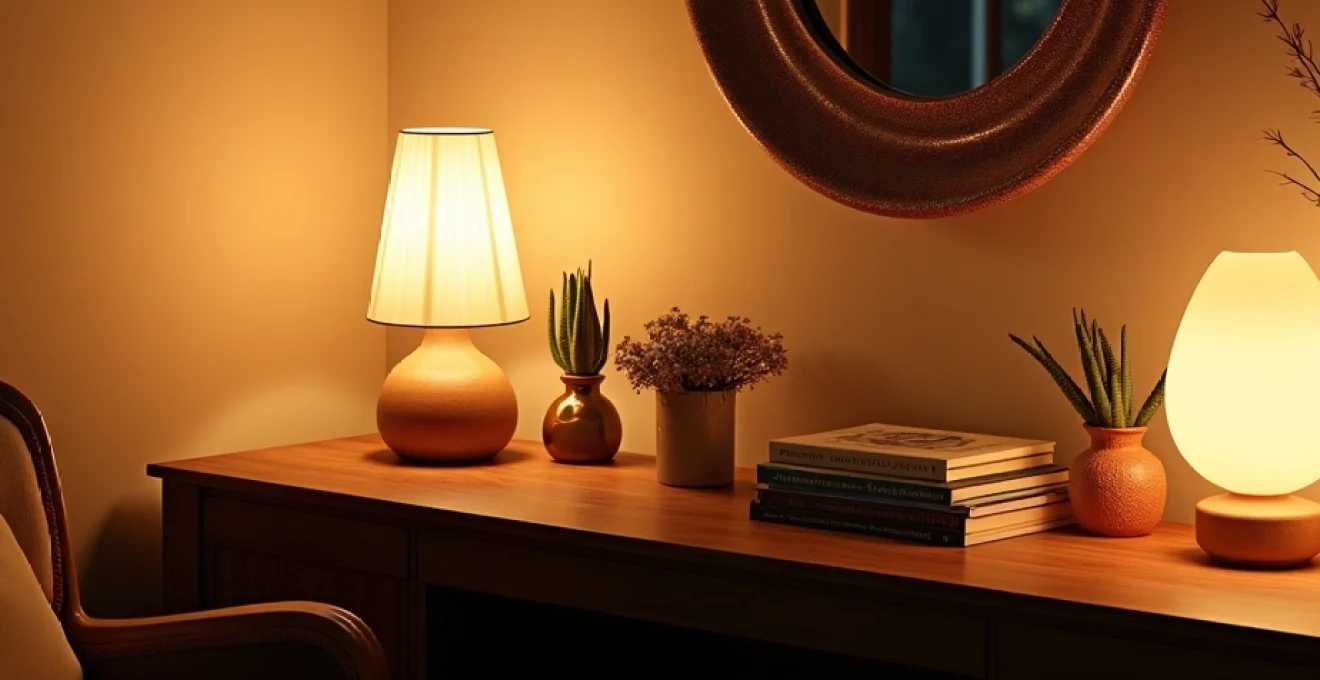
Designer lighting represents far more than mere illumination—it serves as the emotional heartbeat of your living space, transforming sterile rooms into inviting sanctuaries. The careful selection of premium luminaires can dramatically alter how you experience your home, creating layers of comfort that extend beyond visual appeal. When choosing designer lamps, the interplay between technical specifications and aesthetic vision becomes crucial, as these fixtures must balance functional requirements with the sophisticated ambiance you seek to achieve.
The modern lighting landscape offers an unprecedented range of designer solutions, from handcrafted artisanal pieces to cutting-edge smart fixtures that respond to your daily rhythms. Understanding how different materials, technologies, and design philosophies impact the quality of light in your space enables you to make informed decisions that will enhance your décor for years to come.
Understanding colour temperature and kelvin ratings for ambient lighting design
The science behind colour temperature fundamentally shapes how designer lamps influence the atmosphere in your home. Measured in Kelvin (K), colour temperature determines whether light appears warm, neutral, or cool, directly affecting the psychological response to your lighting environment. This technical specification serves as the foundation for creating the cosy, welcoming atmosphere that premium designer fixtures are renowned for delivering.
Warm white LED technology: 2700K-3000K specifications for cosy atmospheres
The 2700K-3000K range represents the gold standard for residential ambient lighting, closely mimicking the warm glow of traditional incandescent bulbs whilst delivering superior energy efficiency. Designer lamps equipped with LED technology in this spectrum produce light that appears golden-yellow, creating an immediate sense of comfort and intimacy. This colour temperature range proves particularly effective in living rooms, bedrooms, and dining areas where relaxation takes precedence over task performance.
Premium LED drivers in designer fixtures offer exceptional dimming capabilities within this warm spectrum, allowing you to fine-tune the atmosphere throughout the day. The technology behind modern warm white LEDs has evolved considerably, with high-quality fixtures now achieving colour rendering indices (CRI) exceeding 95, ensuring that fabrics, artwork, and natural materials appear vibrant and true to life under artificial illumination.
Soft white halogen alternatives: 3000K-3500K range applications
The 3000K-3500K spectrum bridges the gap between warm ambiance and functional clarity, offering versatility that suits transitional spaces and contemporary interiors. Designer lamps operating in this range provide sufficient brightness for detailed activities whilst maintaining the welcoming character essential for residential environments. This colour temperature works exceptionally well in kitchens, studies, and multi-purpose areas where both comfort and productivity matter.
Modern halogen alternatives utilising advanced LED technology deliver consistent colour temperature throughout their operational lifespan, unlike traditional halogen bulbs that shift warmer as they age. The soft white spectrum particularly complements neutral colour schemes and natural materials, enhancing the sophisticated aesthetic that characterises premium interior design.
Candlelight simulation: Sub-2700K dimming capabilities in contemporary fixtures
The most intimate lighting experiences occur below 2700K, where designer lamps can simulate the flickering warmth of candlelight through sophisticated dimming systems. This ultra-warm spectrum, ranging from 1800K to 2600K, creates profound emotional connections to space, evoking feelings of security and tranquillity that higher colour temperatures cannot achieve.
Contemporary designer fixtures incorporate advanced dimming technologies that enable smooth transitions into these candlelight ranges without compromising light quality or colour consistency. Phosphor-converted LED technology ensures that even at the deepest dimming levels, the light maintains its warm, golden character rather than shifting towards unnatural orange or amber tones.
Circadian rhythm considerations: variable CCT lighting systems
The integration of circadian lighting principles into designer lamp selection represents a significant advancement in residential lighting design. Variable CCT (Correlated Colour Temperature) systems automatically adjust colour temperature throughout the day, supporting natural sleep-wake cycles whilst maintaining aesthetic excellence. These systems typically range from energising cool whites (5000K-6500K) during morning hours to deeply relaxing warm whites (1800K-2700K) in the evening.
Premium circadian lighting systems can improve sleep quality by up to 37% whilst reducing eye strain and supporting natural hormone production cycles throughout the day.
Luminaire material selection: impact on light diffusion and thermal properties
The materials comprising designer lamps significantly influence both the quality of illumination and the fixture’s performance characteristics. Understanding how different materials interact with light enables you to select pieces that not only complement your aesthetic vision but also deliver optimal functionality. The relationship between material properties and light behaviour determines whether a fixture creates harsh shadows or gentle, diffused illumination that enhances the warmth of your space.
Blown glass techniques: murano and venetian craftsmanship in statement pieces
Murano and Venetian blown glass techniques produce designer lamps that transform light into art, creating unique patterns and colour variations that cannot be replicated through industrial manufacturing. The thickness variations inherent in hand-blown glass create subtle gradients in light intensity, producing the organic, lived-in quality that characterises truly exceptional lighting design. These artisanal techniques result in fixtures where each piece possesses individual character, making your lighting selection genuinely unique.
The optical properties of hand-blown glass depend heavily on the specific techniques employed during creation. Venetian masters utilise traditional methods such as reticello and filigrana to embed patterns within the glass structure itself, creating fixtures that reveal new details as light conditions change throughout the day. The thermal properties of quality blown glass also contribute to fixture longevity, as the material’s ability to expand and contract without stress cracking ensures decades of reliable performance.
Natural fabric lampshades: linen, cotton, and silk light filtering characteristics
Natural fabric lampshades offer unparalleled warmth and texture in designer lighting applications, with each material providing distinct light filtering characteristics that influence the overall ambiance. Linen shades create beautifully textured light patterns due to the material’s irregular weave, whilst cotton provides more uniform diffusion suitable for task lighting applications. Silk lampshades produce the most luxurious light quality, with the material’s natural lustre adding subtle shimmer effects that enhance the perceived quality of illumination.
The thread count and weave density of natural fabrics directly impact light transmission rates, with loosely woven materials allowing approximately 60-70% light transmission compared to tightly woven fabrics that may only transmit 30-40%. Understanding these characteristics enables you to select shades that provide appropriate light levels whilst maintaining the desired aesthetic impact. Premium natural fabric shades also age gracefully, developing subtle patinas that enhance their character over time.
Ceramic and porcelain bases: heat dissipation and durability factors
Ceramic and porcelain lamp bases excel in both thermal management and aesthetic versatility, making them ideal choices for designer fixtures intended for daily use. The thermal mass of quality ceramic bases helps regulate LED operating temperatures, extending component lifespan whilst maintaining consistent light output. Porcelain bases offer even superior heat dissipation properties due to their denser molecular structure and lower porosity levels.
The glazing techniques applied to ceramic and porcelain bases significantly influence their interaction with ambient light, with certain finishes reflecting and amplifying illumination to create more dynamic lighting effects. Crystalline glazes produce particularly striking results, creating surfaces that seem to glow independently whilst maintaining the sophisticated aesthetic expected from premium designer fixtures.
Sustainable bamboo and rattan weaving: organic texture light patterns
Sustainable bamboo and rattan materials create designer lamps that celebrate organic forms whilst producing intricate shadow patterns that change throughout the day. The natural variations in bamboo density create subtle differences in light transmission, resulting in fixtures that cast dynamic patterns reminiscent of filtered sunlight through forest canopies. Rattan weaving techniques allow for complex geometric patterns that transform simple illumination into sophisticated light art.
The sustainability credentials of bamboo and rattan make these materials increasingly attractive for environmentally conscious consumers, with bamboo growing up to 35 times faster than traditional hardwoods. Modern treatment processes ensure these organic materials maintain their structural integrity and appearance for decades, making them viable alternatives to synthetic materials without compromising durability or performance.
Iconic designer collections: tom dixon, flos, and artemide signature styles
The world’s most celebrated lighting designers have developed distinctive approaches to creating atmosphere through illumination, with their signature collections offering proven solutions for enhancing residential environments. Understanding the philosophy behind these iconic designs enables you to select pieces that align with your aesthetic vision whilst benefiting from decades of research and development in lighting technology.
Tom Dixon’s approach to designer lighting emphasises material innovation and industrial craftsmanship, creating fixtures that serve as sculptural elements even when not illuminated. His Melt collection utilises advanced vacuum metallisation techniques to create surfaces that appear molten, producing warm, diffused light that transforms throughout the day. The Beat collection celebrates traditional metalworking techniques, with hand-spun brass and copper shades that develop unique patinas over time, creating truly personalised lighting solutions.
Flos represents the pinnacle of Italian design excellence, with collections that balance technical innovation with timeless aesthetic appeal. The company’s collaboration with renowned designers like Philippe Starck and Patricia Urquiola has produced fixtures that redefine how artificial light integrates with contemporary interiors. The IC collection by Michael Anastassiades exemplifies this approach, utilising precision-balanced geometries to create fixtures that appear to defy gravity whilst delivering exceptional light quality.
Artemide’s scientific approach to lighting design focuses on human-centric illumination, developing fixtures that support wellbeing whilst maintaining aesthetic excellence. Their Metamorfosi collection incorporates advanced optical technologies that enable precise control over light distribution, allowing you to create exactly the atmosphere you desire. The Tolomeo series demonstrates how functional design can achieve iconic status, with adjustable mechanisms that provide infinite positioning possibilities without compromising visual elegance.
Research indicates that exposure to well-designed artificial lighting can improve mood by up to 25% and increase productivity by 18% compared to generic lighting solutions.
Spatial lighting calculations: lumen output and room proportions
Accurate calculation of lighting requirements ensures that designer lamps provide adequate illumination whilst maintaining the warm, inviting atmosphere essential for residential spaces. The relationship between lumen output, room dimensions, and desired light levels determines whether your carefully selected fixtures will achieve their intended effect. Understanding these calculations prevents over-illumination, which can destroy ambiance, or under-illumination, which creates uncomfortable dark zones.
The general rule for ambient lighting suggests 20-30 lumens per square foot for living areas, with variations based on ceiling height, surface reflectance, and intended use patterns. However, designer lighting schemes often intentionally deviate from these standards to create more dramatic effects. A 400 square foot living room typically requires 8,000-12,000 lumens for general illumination, but this total should be distributed among multiple sources to avoid harsh shadows and create the layered lighting that characterises sophisticated interiors.
Ceiling height significantly impacts lighting requirements, with rooms featuring 10-foot ceilings requiring approximately 25% more light output than standard 8-foot spaces to achieve equivalent illumination at floor level. The inverse square law governs light intensity, meaning that doubling the distance between source and surface reduces illumination to one-quarter of the original level. This principle explains why table lamps and floor lamps prove more effective than ceiling fixtures for creating intimate lighting atmospheres.
Surface reflectance values dramatically influence effective light levels, with light-coloured walls and ceilings reflecting 70-80% of incident light compared to dark surfaces that may only reflect 10-20%. When selecting designer lamps for rooms with dark décor schemes, increase lumen requirements by 30-50% to compensate for reduced reflection. Matte finishes provide more even light distribution than glossy surfaces, which can create bright spots and uncomfortable glare.
| Room Size (sq ft) | Ambient Lighting (lumens) | Task Lighting (lumens) | Accent Lighting (lumens) |
|---|---|---|---|
| 100-200 | 2,000-4,000 | 1,500-3,000 | 500-1,500 |
| 200-300 | 4,000-6,000 | 3,000-4,500 | 1,000-2,000 |
| 300-500 | 6,000-10,000 | 4,500-7,500 | 1,500-3,000 |
Dimmer compatibility and smart home integration technologies
Modern designer lamps increasingly incorporate sophisticated dimming capabilities and smart home integration features that enable precise control over atmosphere and energy consumption. The compatibility between dimming systems and LED fixtures requires careful consideration, as not all combinations produce satisfactory results. Understanding the technical requirements for seamless dimming ensures that your designer lighting investment delivers the performance flexibility essential for creating various moods throughout the day.
Leading-edge dimmer technologies utilise phase-cut control methods specifically optimised for LED loads, preventing the flickering and buzzing issues that plague inferior systems. TRIAC dimmers work effectively with most designer LED fixtures, whilst ELV (Electronic Low Voltage) dimmers provide superior performance with more sensitive lighting systems. The dimming range capabilities vary significantly between manufacturers, with premium fixtures offering smooth control from 100% down to 1% output without noticeable flicker or colour shift.
Smart home integration platforms like Lutron Caseta, Philips Hue, and Control4 enable comprehensive lighting management that extends beyond simple on/off control. These systems allow you to create custom lighting scenes that adjust multiple fixtures simultaneously, supporting activities from intimate dining to productive work sessions. Geofencing capabilities automatically adjust lighting based on occupancy, whilst scheduling functions align artificial lighting with natural circadian rhythms.
Wireless protocols including Zigbee, Z-Wave, and WiFi each offer distinct advantages for designer lighting applications. Zigbee mesh networks provide exceptional reliability and extended range, making them ideal for comprehensive whole-home lighting systems. Z-Wave offers robust security features and interference resistance, whilst WiFi integration enables direct smartphone control without additional hubs. The choice between protocols depends on existing smart home infrastructure and desired functionality levels.
Voice control integration through Amazon Alexa, Google Assistant, and Apple HomeKit adds convenience whilst maintaining the sophisticated aesthetic of designer fixtures. Advanced voice commands enable complex scene adjustments, such as “movie night lighting” or “dinner party ambiance,” creating seamless transitions between different atmospheric requirements. Adaptive brightness features automatically adjust output based on ambient light levels, ensuring consistent comfort whilst maximising energy efficiency.
Studies demonstrate that homes equipped with smart lighting systems consume 30% less energy than those relying on traditional switching methods, whilst providing superior user satisfaction ratings.
Investment-grade designer lighting: authentication and Long-Term value retention
Designer lighting represents a significant investment that, when selected wisely, provides decades of reliable performance whilst potentially appreciating in value. Authentication becomes crucial when purchasing premium fixtures, as the secondary market contains numerous replicas that compromise both performance and long-term value. Understanding the hallmarks of authentic designer pieces protects your investment whilst ensuring you receive the quality and craftsmanship that justify premium pricing.
Authentic designer lighting features distinctive manufacturing marks, serial numbers, and documentation that verify provenance. Established manufacturers like Flos, Artemide, and Louis Poulsen maintain comprehensive databases tracking authentic pieces, enabling verification through official channels. Original packaging, installation instructions, and warranty documentation provide additional authentication evidence, whilst build quality differences become apparent through direct comparison with known authentic examples.
The materials and construction techniques employed in genuine designer fixtures demonstrate superior quality that becomes apparent through extended use. Authentic pieces utilise high-grade metals, premium fabrics, and optical components that maintain their appearance and performance characteristics over decades. The precision of mechanical components, smoothness of adjustment mechanisms, and consistency of finish quality distinguish genuine articles from inferior reproductions.
Value retention depends heavily on the designer’s reputation, production numbers, and historical significance of specific pieces. Limited edition fixtures and pieces by deceased designers often appreciate significantly, with iconic designs from the mid-20th century commanding premium prices at auction. Contemporary pieces by established designers typically maintain their value better than mass-produced alternatives, making them sound investments for those who appreciate both form and function.
Market demand for specific designer lighting follows predictable patterns, with certain periods and styles experiencing cyclical popularity. Mid-century modern fixtures currently enjoy strong demand, whilst Post-
modern and contemporary pieces from the 1970s and 1980s are experiencing renewed interest among collectors and interior designers alike.
Professional appraisals provide accurate valuations for insurance purposes and resale considerations, with certified appraisers specialising in decorative arts offering the most reliable assessments. Documentation including original receipts, provenance records, and maintenance history significantly enhances value retention potential. Regular maintenance by qualified technicians ensures that mechanical components remain in optimal condition, preserving both functionality and collectible status.
The investment potential of designer lighting extends beyond monetary considerations to encompass the daily enjoyment and aesthetic enhancement these pieces provide. Unlike traditional investments that remain hidden away, designer lamps serve dual purposes as functional objects and appreciating assets. The psychological benefits of living with exceptional design contribute to overall quality of life, making these investments particularly rewarding for those who value both financial returns and daily aesthetic pleasure.
Vintage designer lighting from established manufacturers has shown average annual appreciation rates of 8-12% over the past decade, outperforming many traditional investment categories whilst providing continuous utility and aesthetic value.
Insurance considerations become crucial for investment-grade lighting, with specialist policies covering both replacement costs and appreciation value. Standard homeowner’s insurance may not adequately protect high-value designer pieces, necessitating additional coverage for complete protection. Proper documentation including professional photography, detailed descriptions, and current appraisals ensures adequate coverage whilst facilitating claims processing in the event of damage or theft.
The secondary market for designer lighting continues expanding through specialised auction houses, gallery sales, and online platforms dedicated to authentic vintage and contemporary pieces. Understanding market dynamics helps identify acquisition opportunities whilst avoiding overpriced or problematic pieces. Estate sales and designer showroom clearances occasionally yield exceptional values, though authentication remains paramount regardless of the purchase source.
Caring for investment-grade designer lighting requires understanding specific maintenance requirements for different materials and technologies. Regular cleaning schedules, appropriate storage during renovations, and professional servicing for complex mechanical systems preserve both appearance and functionality. Temperature and humidity control prevent deterioration of natural materials, whilst proper handling during relocations protects delicate components from damage.
The convergence of exceptional design, superior functionality, and investment potential makes carefully selected designer lighting an intelligent choice for discerning homeowners. These pieces transform living spaces whilst potentially appreciating in value, providing returns that extend far beyond mere illumination. Whether you gravitate towards timeless classics or cutting-edge contemporary designs, the key lies in selecting authentic pieces from respected manufacturers that align with your aesthetic vision and lifestyle requirements.