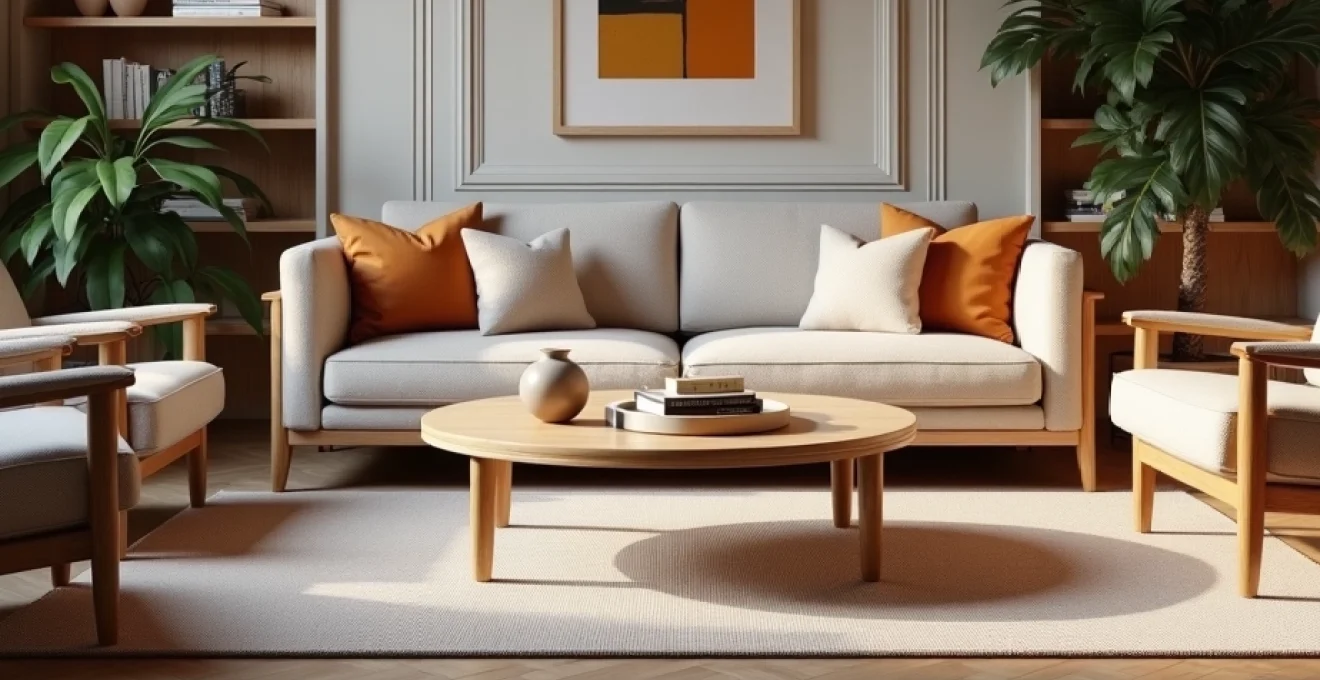
Your home serves as a canvas for self-expression, where every colour choice, furniture piece, and decorative element tells a story about who you are. The art of selecting décor that genuinely reflects your personality goes far beyond following the latest design trends or purchasing items that simply look appealing in a showroom. It requires a deep understanding of your psychological makeup, cultural influences, and personal experiences that have shaped your aesthetic preferences over time.
Creating an authentic living space demands careful consideration of how different design elements interact with your emotional well-being, lifestyle needs, and sensory preferences. When you understand the psychological principles behind interior design choices, you can make informed decisions that not only enhance your space aesthetically but also support your mental health and daily functioning. This approach transforms your home from a mere shelter into a personalised sanctuary that energises, comforts, and inspires you every day.
Psychological design principles for authentic Self-Expression through interior décor
Understanding the psychological impact of design choices enables you to create spaces that resonate with your authentic self rather than conforming to external expectations. Environmental psychology research demonstrates that our surroundings significantly influence our mood, productivity, and overall well-being. When you align your décor choices with your psychological needs and preferences, you create an environment that supports your mental health whilst expressing your unique identity.
The concept of environmental coherence suggests that spaces feel most comfortable when they reflect the inhabitant’s personality traits and values. This principle explains why certain rooms immediately feel welcoming whilst others may seem beautiful but somehow disconnected from your personal experience. By applying psychological design principles, you can identify which colours, textures, and arrangements naturally appeal to your subconscious mind and support your emotional equilibrium.
Colour psychology fundamentals: warm versus cool palette selection
Your response to colour operates on both conscious and subconscious levels, influencing everything from your energy levels to your social interactions. Warm colours like terracotta, amber, and deep reds typically appeal to individuals who thrive on social connection, physical activity, and emotional expression. These hues create intimate, energising environments that encourage conversation and creativity, making them ideal for extroverted personalities who enjoy entertaining and collaborative activities.
Cool palettes featuring blues, greens, and purples tend to attract those who value tranquillity, intellectual pursuits, and personal reflection. These colours promote focus, reduce stress, and create serene environments conducive to deep thinking and restorative activities. If you find yourself naturally gravitating towards cool tones, you likely appreciate order, privacy, and spaces that facilitate concentration and contemplation.
Carl jung’s personality archetypes applied to spatial design choices
Jungian psychology offers valuable insights into how different personality archetypes naturally express themselves through environmental design. The Creator archetype gravitates towards spaces filled with art supplies, works in progress, and inspirational imagery that fuel their creative endeavours. Their homes often feature bold colour combinations, eclectic furniture arrangements, and designated areas for artistic expression that may appear chaotic to others but feel perfectly organised to the creative mind.
The Sage archetype prefers environments that support learning and intellectual growth, typically favouring extensive libraries, comfortable reading nooks, and organised filing systems. Their décor choices emphasise functionality and knowledge preservation, with neutral colour schemes that minimise distractions and furniture arrangements that facilitate study and contemplation.
Biophilic design elements for Nature-Connected personalities
Individuals with strong connections to nature benefit enormously from incorporating biophilic design elements throughout their living spaces. This approach goes beyond simply adding houseplants and encompasses the use of natural materials, organic shapes, and design patterns that mirror those found in natural environments. Wood furniture with visible grain patterns, stone textures, and flowing water features can significantly enhance well-being for nature-loving personalities.
Natural light optimisation plays a crucial role in biophilic design, requiring strategic placement of mirrors, light-coloured surfaces, and window treatments that maximise daylight exposure. Consider incorporating seasonal decoration rotations that reflect natural cycles, using materials like pinecones, dried flowers, and seasonal colour palettes that maintain your connection to nature’s rhythms throughout the year.
Minimalist versus maximalist aesthetic alignment with Introversion-Extraversion scales
Your position on the introversion-extraversion spectrum significantly influences your optimal environmental design preferences. Introverted personalities often thrive in minimalist environments that provide visual calm and reduce sensory overwhelm. Clean lines, uncluttered surfaces, and carefully curated décor pieces create spaces that support the introvert’s need for peaceful reflection and mental restoration.
Extraverted individuals frequently prefer maximalist approaches that provide rich sensory experiences and multiple focal points for engagement. Their homes might feature gallery walls, collections of interesting objects, and furniture arrangements that facilitate social interaction. The key lies in understanding that neither approach is inherently superior; the optimal choice depends entirely on your personal energy patterns and social preferences.
Cultural heritage integration: incorporating ancestral and regional design elements
Your cultural background provides a rich source of design inspiration that can add depth, meaning, and authenticity to your living space. Integrating ancestral and regional design elements creates a sense of continuity with your heritage whilst expressing pride in your cultural identity. This approach goes beyond superficial decoration to incorporate fundamental design philosophies, colour preferences, and spatial arrangements that reflect your cultural values and traditions.
The challenge lies in balancing cultural authenticity with contemporary functionality and personal taste. Rather than creating a museum-like display, successful cultural integration involves selecting elements that resonate with your personal connection to your heritage and adapting traditional concepts to suit modern living requirements. This might involve reinterpreting traditional colour palettes in contemporary applications or incorporating ancestral motifs into modern furniture designs.
Scandinavian hygge philosophy for Comfort-Seeking personalities
The Danish concept of hygge appeals particularly to individuals who prioritise comfort, simplicity, and intimate social connections in their daily lives. This design philosophy emphasises creating warm, inviting spaces through the use of soft textiles, warm lighting, and natural materials. Hygge-inspired décor typically features neutral colour palettes with touches of muted pastels, comfortable seating arrangements that encourage relaxation, and personal touches that evoke positive memories and emotions.
Implementing hygge principles involves careful attention to lighting design, favouring warm, soft illumination over harsh overhead lighting. Candles, table lamps, and string lights create the gentle ambiance that supports relaxation and intimate conversation. Natural materials like wool, linen, and untreated wood add tactile comfort whilst maintaining the understated elegance that characterises Scandinavian design aesthetics.
Mediterranean terracotta and mosaic patterns for Warm-Climate aficionados
Mediterranean design elements appeal to personalities drawn to warmth, social connection, and outdoor living. Terracotta colours, mosaic patterns, and textured surfaces create environments that evoke sunny climates and relaxed social gatherings. This aesthetic typically incorporates warm earth tones, blues reminiscent of sea and sky, and white accents that reflect Mediterranean architecture and landscape.
Natural materials play a crucial role in authentic Mediterranean design, including stone surfaces, wrought iron details, and ceramic accessories. The integration of indoor plants, particularly those with silvery or grey-green foliage like olive trees or lavender, reinforces the connection to Mediterranean landscapes and provides the biophilic elements that enhance psychological well-being.
Japanese Wabi-Sabi principles for Imperfection-Embracing individuals
The Japanese aesthetic philosophy of wabi-sabi resonates deeply with individuals who appreciate natural imperfection, simplicity, and the beauty of aging and weathering. This design approach celebrates asymmetry, irregular textures, and objects that show signs of use and time passage. Wabi-sabi décor typically features handmade ceramics with visible imperfections, weathered wood furniture, and arrangements that appear effortless yet thoughtful.
Colour palettes in wabi-sabi design tend toward muted, earthy tones that reflect natural aging processes. The philosophy emphasises finding beauty in worn materials, faded colours, and objects that tell stories through their imperfections. This approach particularly appeals to individuals who value authenticity over perfection and prefer environments that feel lived-in rather than pristinely maintained.
Art deco revival pieces for Glamour-Oriented personality types
Art Deco design elements attract personalities drawn to sophistication, luxury, and dramatic visual impact. This aesthetic emphasises geometric patterns, rich materials like velvet and brass, and bold colour contrasts that create striking focal points. Art Deco-inspired décor typically features symmetrical arrangements, angular furniture designs, and accessories that make strong style statements.
The integration of Art Deco elements requires careful balance to avoid overwhelming smaller spaces. Selective use of signature elements like sunburst mirrors, geometric light fixtures, and furniture with clean, angular lines can provide the desired sophistication without creating visual chaos. Metallic accents in gold, silver, or copper add the glamorous touches that define this aesthetic whilst reflecting light to enhance spatial perception.
Lifestyle-driven furniture selection and spatial arrangement strategies
Your daily routines, work requirements, and social patterns should fundamentally influence your furniture choices and spatial arrangements. Rather than selecting pieces based solely on aesthetic appeal, consider how each item will support your actual lifestyle needs and movement patterns. This functional approach ensures that your space not only looks appealing but also enhances your daily productivity and comfort.
Begin by analysing your typical daily activities and identifying which furniture arrangements would best support these behaviours. If you work from home frequently, prioritise ergonomic seating and adequate surface space for technology and paperwork. Social entertainers require flexible seating arrangements and surfaces that can accommodate guests, whilst individuals who prefer quiet evenings might prioritise comfortable reading areas and personal retreat spaces.
Traffic flow patterns throughout your home significantly impact both functionality and psychological comfort. Furniture arrangements that impede natural movement create subconscious stress, whilst thoughtful layouts that support smooth transitions between spaces enhance overall well-being. Consider the psychological impact of different seating orientations: arrangements facing windows provide connection to outdoor environments, whilst inward-facing configurations encourage intimate conversation and social bonding.
The scale relationship between furniture and room dimensions affects both practical usage and emotional comfort. Oversized furniture in small spaces can create feelings of claustrophobia, whilst undersized pieces in large rooms may feel lost and fail to provide adequate comfort. Measure your spaces carefully and consider the visual weight of different materials and colours when selecting appropriately scaled furniture pieces that support both function and psychological comfort.
Personal collection curation: displaying meaningful artefacts and memorabilia
The objects you choose to display serve as visual representations of your experiences, values, and relationships, transforming your house into a personalised narrative space. Effective collection curation involves more than simply arranging objects attractively; it requires thoughtful consideration of which items genuinely represent your identity and how their arrangement supports both aesthetic appeal and personal meaning. The goal is to create displays that spark joy and positive memories whilst contributing to your overall design scheme.
Successful collection display balances personal significance with visual cohesion, ensuring that meaningful objects enhance rather than overwhelm your living space. This involves editing your collections to showcase the most important pieces whilst storing or rotating others to prevent visual clutter. Consider the story you want your collections to tell about your personality and experiences, then arrange items in ways that highlight these narratives through strategic grouping, lighting, and placement within your overall décor scheme.
Gallery wall composition techniques for art enthusiast personalities
Creating compelling gallery walls requires understanding both compositional principles and the psychological impact of different arrangement strategies. Begin by laying out your intended arrangement on the floor, experimenting with different compositions before committing to wall placement. The most successful gallery walls maintain consistent spacing between pieces whilst varying the sizes and orientations to create visual interest without chaos.
Consider the emotional journey you want viewers to experience as they examine your gallery wall. Grouping pieces by theme, colour, or time period can create cohesive narratives, whilst mixing different styles and subjects can reflect an eclectic, adventurous personality. The height at which you hang artwork significantly affects its psychological impact: eye-level placement feels most comfortable for daily viewing, whilst higher placement can create drama and grandeur in spaces with tall ceilings.
Travel souvenir integration methods for Wanderlust-Driven individuals
Travel souvenirs pose unique display challenges because they often vary dramatically in size, style, and cultural context. Successful integration requires finding common threads that unite disparate pieces whilst allowing each item to maintain its individual significance. Consider grouping items by colour palette, material, or geographical region to create coherent vignettes that tell travel stories without appearing cluttered or chaotic.
Functional integration often works better than purely decorative display for travel souvenirs. Textiles can be used as throws or wall hangings, ceramics can serve as vases or storage containers, and artwork can be incorporated into gallery wall arrangements. This approach ensures that your travel memories remain actively present in your daily life rather than becoming static museum displays that lose their emotional resonance over time.
Book display systems for Literary-Minded personality types
Book lovers face the challenge of balancing extensive collections with aesthetic appeal and practical accessibility. Traditional shelf arrangements by author or subject matter work well for reference purposes but may not create the most visually appealing displays. Consider mixing vertical and horizontal arrangements, incorporating books of varying heights and colours to create rhythm and visual interest whilst maintaining organisational systems that support your reading habits.
The psychological comfort of being surrounded by books should be balanced with the need for visual calm and spatial functionality. Negative space between book groupings allows the eye to rest and prevents overwhelming visual density. Incorporating decorative objects, plants, or artwork amongst book displays creates breathing room and opportunities for personalisation that reflect interests beyond literature.
Musical instrument showcasing for Creative-Expressive characters
Musical instruments serve dual purposes as functional tools and decorative objects, requiring display strategies that support both accessibility and aesthetic appeal. Wall-mounted displays work well for frequently used instruments whilst protecting them from accidental damage and creating striking visual focal points. Consider the sculptural qualities of different instruments when determining placement: guitars and violins create appealing silhouettes, whilst keyboards and percussion instruments add horizontal lines that can balance vertical elements in room compositions.
The acoustic properties of your space should influence instrument placement and room arrangement. Hard surfaces reflect sound whilst soft furnishings absorb it, affecting both the quality of music production and the overall acoustic comfort of your living space. Strategic placement of rugs, curtains, and upholstered furniture can optimise acoustics for music-making whilst maintaining the aesthetic appeal of your instrument displays.
Textile and fabric selection based on sensory personality preferences
Your sensory preferences significantly influence which textiles and fabrics will enhance your psychological comfort and daily enjoyment of your living space. Some individuals are highly sensitive to texture and require soft, smooth materials that provide tactile comfort, whilst others prefer more varied textures that provide sensory stimulation and visual interest. Understanding your tactile preferences enables you to select fabrics that support both your aesthetic goals and your sensory well-being.
The psychological impact of different fabric weights and textures extends beyond mere comfort to influence mood and energy levels. Heavy, plush materials like velvet and wool create feelings of security and warmth, making them ideal for individuals who value comfort and relaxation. Lighter materials like linen and silk provide a sense of airiness and sophistication that appeals to those who prefer crisp, clean environments that feel fresh and unencumbered.
Fabric durability and maintenance requirements should align with your lifestyle and personality traits. Perfectionist personalities may prefer stain-resistant, easy-care fabrics that maintain their appearance with minimal effort, whilst those who enjoy the patina of age and use might select natural materials that develop character over time. The key is to choose fabrics that will age gracefully according to your personal preferences and maintenance capabilities, ensuring long-term satisfaction with your textile choices.
Pattern selection in textiles offers opportunities for personality expression through scale, motif, and colour relationships. Large-scale patterns make bold statements and reflect confident, dramatic personalities, whilst small-scale patterns provide subtle interest that appeals to more reserved individuals. Mixing patterns requires understanding scale relationships and colour harmonies, with successful combinations typically sharing at least one common colour or similar scale proportions to maintain visual cohesion.
Lighting design psychology: ambient, task, and accent illumination for mood expression
Lighting design profoundly affects both the functional usability and emotional atmosphere of your living space, with different lighting types supporting various activities and mood states. Your personal circadian rhythms, work patterns, and social preferences should guide your lighting choices to ensure that your illumination supports your natural energy cycles and daily activities. Understanding the psychological effects of different lighting scenarios enables you to create environments that enhance your well-being whilst reflecting your aesthetic preferences.
Ambient lighting provides overall illumination and sets the foundational mood for your space. Warm ambient lighting creates intimate, relaxing atmospheres
that appeals to individuals seeking comfort and intimate social interactions, whilst cool ambient lighting with higher colour temperatures creates alert, focused environments preferred by those with analytical personalities. The intensity and colour temperature of your ambient lighting should shift throughout the day to support natural circadian rhythms, with warmer, dimmer lighting in evening hours promoting relaxation and sleep preparation.
Task lighting addresses specific functional needs whilst revealing aspects of your work style and daily priorities. Individuals who engage in detailed creative work require bright, focused illumination that reduces eye strain and supports precision activities. Reading enthusiasts benefit from adjustable task lighting that can be positioned to eliminate shadows and glare. The placement and style of task lighting fixtures reflect your primary activities and demonstrate how you prioritise different aspects of your daily routine within your living environment.
Accent lighting creates visual hierarchy and emotional focal points that express your aesthetic preferences and values. Highlighting artwork, collections, or architectural features through strategic accent lighting draws attention to elements that represent your personality and interests. The drama and intensity of accent lighting reveal whether you prefer subtle sophistication or bold theatrical effects. Consider how different accent lighting techniques can support seasonal mood changes, allowing you to adjust your environment’s emotional tone throughout the year.
Layered lighting systems provide the flexibility to create multiple mood scenarios within the same space, reflecting the complexity of modern personalities who engage in varied activities throughout their homes. Smart lighting controls enable personalised lighting scenes that can instantly transform your environment to support different activities or emotional states. The sophistication of your lighting control systems often correlates with your comfort level with technology and your desire for environmental customisation.
Natural light integration remains crucial for psychological well-being and should influence all artificial lighting decisions. Your response to natural light patterns throughout the day provides insights into your optimal lighting preferences and can guide the selection of artificial lighting that complements rather than competes with available daylight. Window treatments, mirror placement, and reflective surfaces all contribute to natural light optimisation and should be considered as integral components of your overall lighting design strategy.
The quality and direction of light sources affect both practical functionality and emotional comfort within your living space. Uplighting creates expansive, airy feelings that appeal to individuals who value openness and freedom, whilst downlighting provides intimate, grounding effects preferred by those seeking security and cosiness. Side lighting emphasises textures and creates dramatic shadows that can enhance the sculptural qualities of furniture and decorative objects, appealing to visually sophisticated personalities who appreciate complexity and depth in their environmental design.