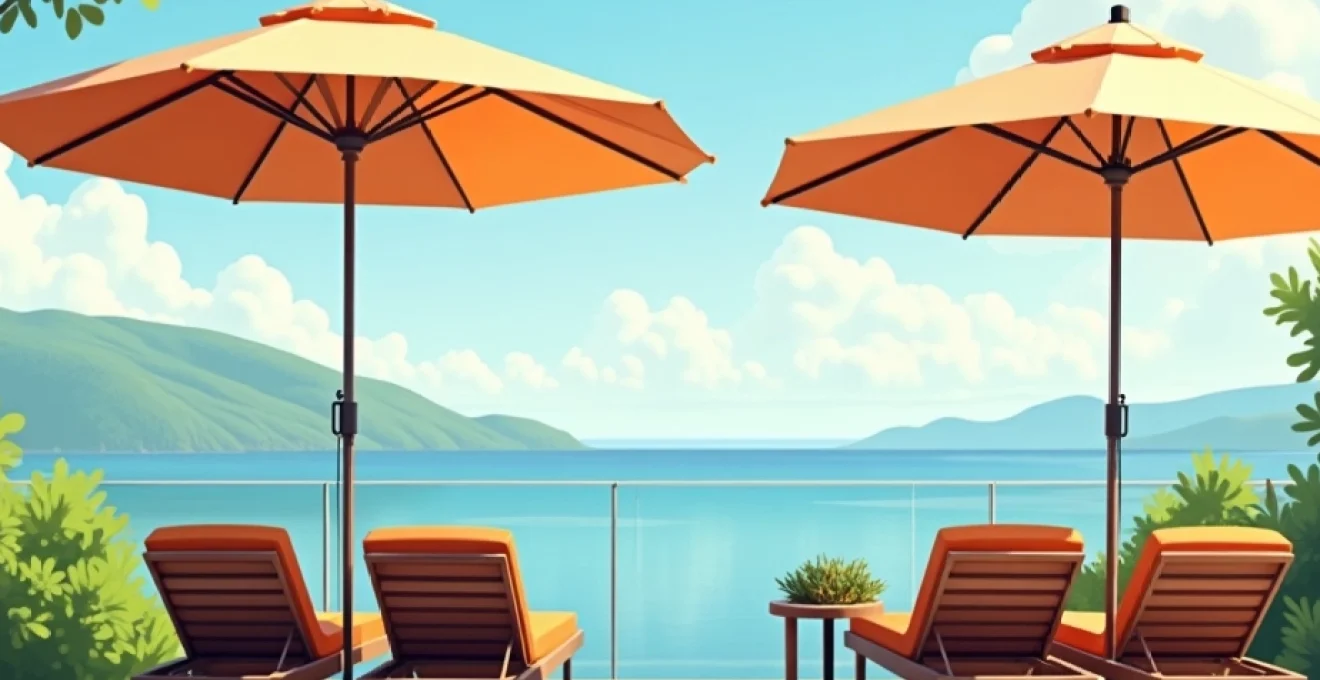
Garden umbrellas have evolved from simple shade providers to sophisticated outdoor comfort systems that can transform any outdoor space into a luxurious retreat. The strategic selection and positioning of these essential garden accessories requires careful consideration of multiple factors, from construction materials and environmental conditions to aesthetic preferences and functional requirements. Modern garden umbrellas offer unprecedented levels of customisation, durability, and performance, making them indispensable elements for creating comfortable outdoor living environments that can be enjoyed throughout the seasons.
Understanding the intricacies of umbrella selection involves examining everything from frame engineering and fabric technology to base systems and positioning strategies. Whether you’re creating an intimate dining area for two or establishing expansive shade coverage for large gatherings, the decisions you make regarding umbrella specifications and placement will directly impact your outdoor comfort and enjoyment for years to come.
Garden umbrella construction materials and durability assessment
Aluminium frame engineering vs steel reinforcement systems
The structural foundation of any quality garden umbrella begins with its frame material, where the choice between aluminium and steel significantly influences both performance and longevity. Aluminium frames offer exceptional corrosion resistance and lightweight manoeuvrability, making them ideal for umbrellas that require frequent repositioning or storage. Modern aluminium alloys used in premium umbrella construction provide tensile strength comparable to steel whilst maintaining a weight advantage of approximately 60-70%.
Steel reinforcement systems excel in applications requiring maximum stability and wind resistance, particularly for larger cantilever designs exceeding 3 metres in diameter. Powder-coated steel frames undergo specialised treatment processes that create protective barriers against moisture infiltration and UV degradation. The trade-off involves increased weight and potential maintenance requirements, though properly treated steel frames can deliver decades of reliable service in challenging environmental conditions.
Sunbrella fabric technology and UV protection ratings
Premium umbrella fabrics incorporate advanced UV protection technologies that determine both comfort levels and fabric longevity. Solution-dyed acrylic fabrics represent the gold standard for outdoor umbrella applications, offering exceptional fade resistance and UV blocking capabilities that can exceed 98% protection efficiency. These fabrics undergo colour saturation during the fiber formation process, creating permanent colour integration that resists fading even under intense solar exposure.
Fabric density measurements, expressed in grams per square metre (GSM), directly correlate with UV protection effectiveness and durability. Professional-grade umbrella fabrics typically range from 200-300 GSM, providing optimal balance between protection, airflow, and structural integrity. Fabric treatments including fluorocarbon coatings enhance water repellency whilst maintaining breathability, preventing heat accumulation beneath the canopy whilst offering protection from light precipitation.
Modern umbrella fabrics can reduce ambient temperature beneath the canopy by up to 15 degrees Celsius compared to unshaded areas, whilst blocking 99% of harmful UV radiation that contributes to skin damage and furniture fading.
Wind resistance mechanisms in cantilever vs market umbrella designs
Wind resistance capabilities vary dramatically between umbrella designs, with cantilever models requiring sophisticated engineering solutions to counteract the increased leverage forces created by offset positioning. Cantilever umbrellas incorporate reinforced pivot points and heavy-duty cross-bracing systems that distribute wind loads across multiple structural elements. These designs typically feature wind ratings between 25-35 mph when properly anchored, though actual performance depends heavily on base system selection and installation quality.
Traditional market umbrellas achieve superior wind stability through central pole positioning that creates balanced load distribution. The symmetrical design allows wind forces to be transmitted directly through the central support structure to the base system. Enhanced venting systems integrated into umbrella canopies facilitate airflow whilst reducing wind pressure accumulation, with properly designed vents capable of reducing wind load by 20-30% compared to solid canopy designs.
Waterproof coating applications and Fade-Resistant treatments
Advanced waterproof coatings extend umbrella functionality beyond simple sun protection, enabling year-round outdoor comfort even during unexpected weather changes. Modern hydrophobic treatments create molecular-level water repellency without compromising fabric breathability, allowing moisture vapour to escape whilst preventing water penetration. These treatments maintain effectiveness for 3-5 years under normal usage conditions before requiring reapplication.
Fade-resistant treatments involve both chemical and physical protection mechanisms that preserve fabric appearance and structural integrity. UV stabilisers incorporated into fabric fibres absorb harmful radiation wavelengths before they can break down colour molecules, whilst reflective treatments deflect infrared radiation that contributes to heat buildup and accelerated aging. Premium umbrellas often include warranty coverage for colour retention, typically guaranteeing minimal fading for 5-7 years under normal usage conditions.
Strategic positioning techniques for optimal shade coverage
Solar path analysis and shadow projection calculations
Effective umbrella positioning requires comprehensive understanding of solar path variations throughout both daily and seasonal cycles. The sun’s trajectory varies significantly between summer and winter months, with maximum altitude angles ranging from 23.5 degrees in winter to 66.5 degrees in summer for locations at 40 degrees north latitude. This dramatic variation necessitates positioning strategies that accommodate changing shadow patterns whilst maintaining coverage over priority areas during peak usage times.
Shadow projection calculations enable precise determination of umbrella placement for maximum coverage efficiency. A 3-metre diameter umbrella positioned at optimal height will cast shadows ranging from 4.5 metres in summer to over 8 metres during winter months, depending on time of day and geographic location. Digital solar path tools and smartphone applications can provide accurate predictions for specific locations, enabling data-driven positioning decisions that maximise shade coverage throughout the season.
Microclimate assessment for garden layout integration
Garden microclimates significantly influence umbrella performance and positioning requirements, with factors including prevailing winds, reflected heat sources, and existing vegetation creating unique environmental conditions. Areas adjacent to light-coloured surfaces such as concrete patios or white walls can experience temperature increases of 5-10 degrees due to reflected radiation, necessitating larger shade coverage or additional umbrellas for adequate comfort.
Natural windbreaks provided by hedges, fencing, or architectural features can enhance umbrella stability whilst creating more comfortable environments for relaxation. However, these same features can create wind tunnels or downdrafts that increase stress on umbrella structures. Professional landscape assessment considers these factors alongside drainage patterns, underground utilities, and future growth projections for nearby vegetation to ensure long-term positioning success.
Adjustable tilt mechanisms and Multi-Angle positioning systems
Modern tilt mechanisms transform static shade structures into dynamic comfort systems capable of adapting to changing conditions throughout the day. Collar tilt systems enable angle adjustments ranging from vertical to 45-degree inclinations, allowing users to block low-angle morning and evening sun whilst maintaining optimal headroom during midday hours. These mechanisms typically incorporate locking systems that maintain selected positions even under moderate wind conditions.
Advanced cantilever umbrellas feature 360-degree rotation capabilities combined with multi-axis tilt functions, enabling precise shade positioning without relocating the base structure. The T2 tilt mechanism represents the pinnacle of umbrella adjustment technology, offering both horizontal rotation and dual-axis tilting that accommodates virtually any shade requirement. These systems incorporate smooth-operating gear trains and ergonomic controls that enable effortless adjustments even for larger umbrella sizes.
Proximity planning for outdoor furniture and activity zones
Strategic proximity planning ensures umbrella coverage aligns with actual usage patterns whilst maintaining adequate clearance for movement and activities. Dining areas require umbrella coverage extending at least 1 metre beyond table edges to accommodate chairs and serving activities, whilst lounge areas benefit from coverage that encompasses entire seating arrangements plus circulation space. The relationship between umbrella height and coverage area becomes critical, with insufficient height creating cramped conditions and excessive height reducing shade effectiveness.
Activity zone analysis considers both current furniture arrangements and potential future reconfigurations, enabling umbrella positioning that accommodates evolving outdoor living needs. High-traffic pathways require adequate clearance beneath umbrella canopies, typically 2.2-2.5 metres minimum height, whilst entertainment areas may benefit from multiple smaller umbrellas rather than single large installations that could obstruct sight lines or conversation flow.
Seasonal sun angle variations and repositioning strategies
Seasonal sun angle variations necessitate either umbrella repositioning or supplementary shade solutions to maintain consistent comfort levels throughout the year. Spring positioning optimises for moderate temperatures and longer daylight hours, whilst summer arrangements must accommodate intense midday sun and extended afternoon exposure. Autumn adjustments account for lower sun angles that can penetrate beneath canopies, requiring increased tilt angles or alternative positioning strategies.
Winter sun management presents unique challenges, with low solar angles creating opportunities for passive solar heating whilst maintaining protection from occasional bright conditions. Some homeowners implement seasonal umbrella storage systems, utilising lighter-weight models during shoulder seasons and deploying heavy-duty installations only during peak summer months. This approach maximises protection when needed whilst reducing maintenance requirements and extending equipment lifespan.
Professional outdoor designers recommend positioning primary umbrellas to provide maximum coverage during peak usage hours, typically between 11 AM and 4 PM, whilst utilising adjustable features to accommodate morning and evening comfort requirements.
Base selection and ground anchoring solutions
Weighted base systems: Sand-Filled vs Water-Filled options
Base selection represents a critical safety and performance decision that directly impacts umbrella stability and user confidence. Sand-filled bases offer superior stability due to sand’s higher density compared to water, typically providing 40-50% more ballast weight in equivalent volumes. Sand maintains consistent weight regardless of temperature variations and eliminates freezing concerns that can damage water-filled systems in cold climates. However, sand-filled bases require more effort during initial setup and cannot be easily adjusted for seasonal storage requirements.
Water-filled base systems provide exceptional convenience for seasonal installations and storage applications, enabling easy emptying for winter storage or relocation purposes. Modern water-filled bases incorporate anti-algae additives and UV-resistant materials that prevent degradation and maintain appearance over multiple seasons. The primary limitation involves reduced effectiveness in high-wind conditions, where the lower density of water compared to sand or concrete can result in insufficient ballast weight for larger umbrella installations.
In-ground sleeve installation for permanent positioning
In-ground sleeve installations represent the ultimate stability solution for permanent umbrella positioning, providing unmatched wind resistance and aesthetic integration with landscape design. Professional installation involves excavating holes 60-80 centimetres deep, depending on umbrella size and local wind conditions, followed by concrete setting that creates permanent anchor points capable of withstanding extreme weather events. These installations typically accommodate multiple umbrella sizes through interchangeable sleeve systems.
The installation process requires careful consideration of drainage, underground utilities, and future landscape modifications to ensure long-term functionality. Professional consultation becomes essential for installations in areas with underground irrigation, electrical systems, or planned construction activities. Properly installed ground sleeves can support umbrellas indefinitely whilst maintaining the flexibility to remove umbrellas for seasonal storage or maintenance requirements.
Rolling base mechanisms for portable umbrella movement
Rolling base mechanisms enable effortless repositioning of heavy umbrella installations, combining stability requirements with mobility convenience. Modern rolling bases incorporate high-capacity wheels rated for outdoor use, featuring sealed bearings and corrosion-resistant materials that maintain smooth operation despite exposure to moisture and debris. These systems typically include locking mechanisms that secure wheels during use, preventing unwanted movement under normal operating conditions.
The design challenge involves balancing base weight requirements with mobility needs, as insufficient weight compromises stability whilst excessive weight makes repositioning difficult even with wheel assistance. Premium rolling bases incorporate ergonomic handles and balanced weight distribution that enables single-person operation for most residential applications. Some models feature removable weight systems that allow seasonal adjustment of ballast levels based on expected wind conditions and umbrella size requirements.
Cantilever umbrella counterweight requirements
Cantilever umbrella installations demand significantly higher counterweight requirements due to the leverage forces created by offset positioning. The physics of cantilever design means that wind forces acting on the canopy create multiplied stress loads at the base connection point, typically requiring 50-100% more ballast weight compared to equivalent centre-pole designs. Professional-grade cantilever bases often incorporate 90-150 kilogram weight systems to ensure adequate stability for umbrellas exceeding 3 metres in diameter.
| Umbrella Diameter | Centre-Pole Base Weight | Cantilever Base Weight | Wind Rating |
| 2.5 metres | 25-35 kg | 40-55 kg | 25 mph |
| 3.0 metres | 35-50 kg | 60-80 kg | 30 mph |
| 3.5 metres | 50-70 kg | 90-120 kg | 35 mph |
Size specifications and coverage area calculations
Determining optimal umbrella size requires precise calculations based on intended coverage areas, furniture dimensions, and user requirements. The fundamental principle involves providing shade coverage that extends beyond the protected area by sufficient margin to accommodate sun angle variations throughout the day. A dining table measuring 1.5 metres requires an umbrella diameter of at least 2.5 metres to ensure adequate coverage for seated guests, whilst larger gatherings necessitate proportionally increased umbrella dimensions or multiple umbrella installations.
Coverage area calculations must account for umbrella height, which directly influences effective shade projection. Lower mounting heights increase shade density but reduce coverage area, whilst higher installations provide broader coverage with potentially reduced protection intensity. The optimal height typically ranges between 2.2-2.8 metres for residential applications, balancing headroom requirements with shade effectiveness. Professional designers often recommend oversizing umbrella coverage by 20-30% to accommodate furniture repositioning and ensure comprehensive protection during peak sun exposure periods.
Rectangular and square canopy shapes offer advantages for specific applications, particularly when protecting elongated dining tables or matching architectural features. Rectangular umbrellas measuring 3×4 metres can efficiently shade large rectangular tables whilst minimising unused coverage areas that increase wind loading and installation costs. However, round canopies typically provide more balanced coverage patterns and superior wind performance due to their aerodynamic characteristics and even stress distribution around the canopy perimeter.
Advanced features and ergonomic enhancements
Modern garden umbrellas incorporate sophisticated features that extend functionality beyond basic shade provision, transforming outdoor spaces into fully equipped entertainment venues. Integrated LED lighting systems enable evening usage whilst creating ambient atmosphere for outdoor dining and socialising. These systems typically operate on low-voltage DC power, either through rechargeable batteries or solar charging systems that eliminate the need for electrical connections. Advanced installations feature dimming controls and colour temperature adjustment capabilities that accommodate various activities and preferences throughout the evening hours.
Climate control enhancements include integrated heating elements that extend outdoor season usage into cooler months, whilst misting systems provide evaporative cooling during extreme heat conditions. These features require careful electrical planning and may necessitate professional installation to ensure safety and weather resistance. Smart control systems enable remote operation through smartphone applications, allowing users to adjust lighting, heating, or positioning features without leaving comfortable seating areas.
Ergonomic enhancements focus on operational convenience and user comfort, including counterbalanced opening mechanisms that reduce effort required for daily setup and breakdown. Premium umbrellas feature smooth-operating crank systems with gear reduction that enables effortless operation even for large canopies. Quick-release mechanisms facilitate rapid umbrella removal for storage or severe weather preparation, whilst integrated storage solutions provide convenient locations for cushions, accessories, or seasonal equipment.
Advanced umbrella installations can incorporate weather monitoring systems that automatically close canopies when wind speeds exceed safe operating limits, providing protection for both equipment and users whilst preventing potential property damage.
Maintenance protocols and longevity optimisation
Comprehensive maintenance protocols significantly extend umbrella lifespan whilst ensuring optimal performance and appearance throughout years of outdoor exposure. Regular cleaning schedules should address both canopy fabric and frame components, with monthly inspections during active seasons identifying potential issues before they compromise safety or functionality. Fabric maintenance involves gentle cleaning with mild soap solutions followed by thorough rinsing and complete drying before storage, preventing mold and mildew development that can permanently damage premium materials.
Frame maintenance focuses on lubrication of moving components, inspection of connection points
and tightening of hardware connections, which can loosen due to thermal expansion and vibration cycles during normal use. Stainless steel hardware components should be inspected for corrosion signs, whilst moving parts benefit from silicone-based lubricants that maintain effectiveness across wide temperature ranges without attracting dirt or debris.
Seasonal maintenance protocols adapt to changing environmental conditions and usage patterns throughout the year. Spring preparation involves comprehensive inspection of all components following winter storage, checking for rodent damage, moisture infiltration, or UV degradation that may have occurred during dormant periods. Summer maintenance emphasises frequent cleaning and adjustment of positioning systems to accommodate peak usage demands, whilst autumn protocols focus on thorough cleaning and preparation for extended storage periods.
Professional maintenance services provide expertise for complex umbrella systems incorporating electrical components, automated positioning systems, or specialised fabric treatments. These services typically include annual comprehensive inspections, component replacement recommendations, and warranty maintenance requirements that preserve manufacturer coverage. Preventive maintenance contracts can significantly reduce long-term ownership costs whilst ensuring optimal performance and safety compliance for commercial installations or high-value residential systems.
Storage protocols during off-seasons dramatically impact umbrella longevity and performance reliability. Proper storage begins with complete cleaning and drying of all components, followed by careful folding that avoids stress concentration points in fabric panels. Storage environments should maintain stable temperature and humidity levels whilst protecting against rodent access and UV exposure through windows or openings. Premium umbrellas benefit from breathable storage covers that prevent moisture accumulation whilst allowing air circulation around stored components.
Properly maintained garden umbrellas can provide 15-20 years of reliable service, with professional-grade installations often exceeding 25 years when maintenance protocols are consistently followed and components are replaced proactively before failure occurs.
Replacement part availability and upgrade pathways ensure long-term investment protection for quality umbrella installations. Premium manufacturers typically maintain parts inventory for 10-15 years following product introduction, enabling targeted component replacement rather than complete system renewal. Upgrade opportunities include fabric replacement with improved UV protection, mechanism upgrades for enhanced functionality, and base system modifications that accommodate changing usage requirements or environmental conditions.
The integration of garden umbrellas into comprehensive outdoor living environments requires ongoing attention to changing needs, evolving technology, and environmental factors that influence performance and comfort. By understanding the complex relationships between materials, positioning, and maintenance requirements, homeowners can create outdoor spaces that provide decades of reliable comfort and protection whilst enhancing property value and lifestyle quality. The investment in quality umbrella systems, combined with thoughtful selection and positioning strategies, transforms ordinary outdoor spaces into extraordinary living environments that extend the usable seasons and maximize the potential of outdoor entertaining and relaxation opportunities.