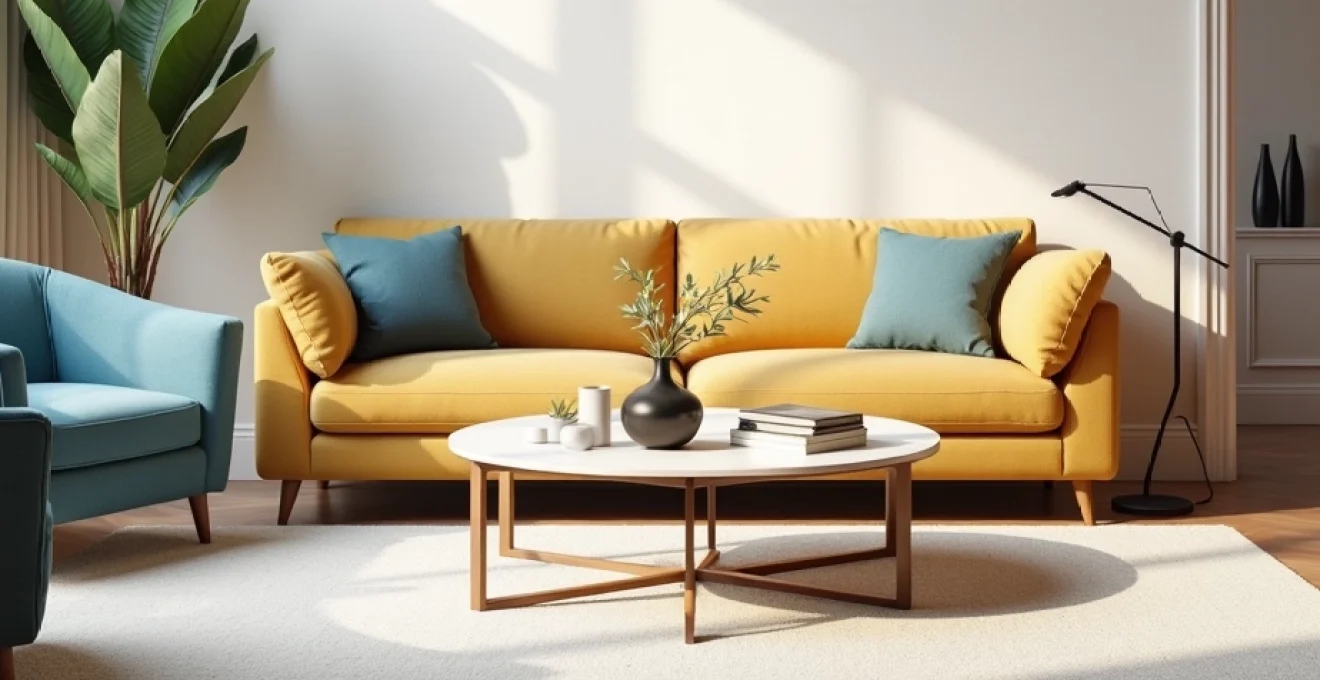
Strategic furniture selection transforms ordinary spaces into extraordinary environments that reflect personal style while maintaining functional excellence. Accent furniture serves as the punctuation marks in interior design sentences, providing visual emphasis and personality without overwhelming the primary elements. Professional interior designers understand that these carefully chosen pieces can instantly elevate a room’s aesthetic appeal, create focal points, and establish cohesive design narratives that captivate visitors and residents alike. The art lies in selecting pieces that complement existing furnishings while introducing fresh energy and character into living spaces.
Today’s design landscape offers unprecedented variety in accent furniture options, from statement seating to sculptural storage solutions. The key to successful accent selection involves understanding scale, proportion, material harmony, and colour psychology while considering the specific functional requirements of each space. Whether you’re refreshing a single room or undertaking a comprehensive home transformation, the right accent pieces can achieve dramatic results with focused investment and thoughtful placement strategies.
Understanding accent furniture categories and their spatial impact
Accent furniture encompasses a diverse range of pieces designed to enhance rather than dominate interior spaces. These selections typically represent 20-30% of a room’s furniture investment while delivering disproportionate visual impact through strategic positioning and distinctive design elements. Understanding the various categories helps homeowners make informed decisions that align with both aesthetic preferences and practical requirements.
Statement chairs: wingback, bergère, and barcelona chair applications
Statement chairs represent perhaps the most versatile accent furniture category, offering immediate personality injection while providing essential seating functionality. Wingback chairs bring traditional elegance with their high backs and protective side panels, originally designed for draught protection but now serving as sophisticated reading nooks or conversation anchors. These pieces work exceptionally well in libraries, master bedrooms, and formal living areas where their substantial presence commands attention without overwhelming surrounding elements.
Bergère chairs, with their exposed wooden frames and upholstered seats, bridge traditional and contemporary aesthetics seamlessly. Their moderate scale makes them suitable for smaller spaces while their refined proportions complement both antique and modern furnishings. The Barcelona chair’s iconic modernist silhouette transforms any environment into a gallery-like space, particularly effective in minimalist interiors where its sculptural qualities can shine without visual competition.
Console tables and credenza positioning for visual weight distribution
Console tables and credenzas function as horizontal accent elements that anchor wall spaces while providing essential storage and display opportunities. Strategic placement along empty walls creates visual balance, particularly in open-plan environments where furniture positioning defines functional zones. These pieces excel at bridging different ceiling heights, filling awkward spaces beneath stairwells, or creating entryway moments that establish design tone immediately upon entry.
The ideal console table height ranges from 28-32 inches, allowing for comfortable lamp placement while maintaining proper proportions with nearby seating. Credenzas work best when their length corresponds to approximately two-thirds of the wall space they occupy, preventing both overwhelming dominance and insignificant presence. Material selection significantly impacts visual weight, with glass-topped pieces appearing lighter in cramped quarters while solid wood options provide grounding stability in larger rooms.
Sculptural lighting: arc floor lamps and pendant statement pieces
Lighting fixtures transcend mere functionality when selected as accent pieces, becoming sculptural elements that define spatial character while providing essential illumination. Arc floor lamps create dramatic overhead lighting without ceiling modifications, their sweeping curves adding movement and elegance to static furniture arrangements. These pieces work particularly well beside sectional sofas or in reading corners where their adjustable nature accommodates various activities throughout the day.
Statement pendant lights transform dining areas and kitchen islands into focal points, with their suspended position drawing eyes upward and creating intimate gathering spaces below. The scale relationship between pendant size and table dimensions follows the rule of pendant diameter equalling one-third of table width, ensuring proper proportion while maximising visual impact. Contemporary sculptural fixtures introduce artistic elements that spark conversation while serving practical lighting needs.
Decorative storage solutions: ottoman benches and accent cabinets
Decorative storage combines practicality with aesthetic appeal, addressing common organisational challenges while contributing to overall design schemes. Ottoman benches offer hidden storage within upholstered forms that complement seating arrangements or provide flexible furniture options for entertaining. Their mobility allows for versatile placement, serving as coffee table extensions, extra seating, or foot rests depending on immediate needs.
Accent cabinets introduce vertical storage elements that break up wall expanses while housing frequently used items behind attractive facades. Vintage-inspired apothecary cabinets bring character through weathered finishes and unique hardware, while sleek contemporary designs maintain clean lines that support minimalist aesthetics. The key lies in selecting pieces that provide meaningful storage capacity without sacrificing visual appeal or spatial flow.
Room-specific accent selection strategies
Effective accent furniture selection requires understanding each room’s unique functional demands and traffic patterns. Living spaces prioritise conversation facilitation and entertainment support, while bedrooms emphasise relaxation and personal retreat qualities. Successful accent placement considers both immediate visual impact and long-term usability, ensuring investments serve multiple purposes throughout evolving lifestyle needs.
Living room focal points: coffee table styling and corner accent integration
Living room accent furniture should enhance gathering spaces while reflecting personal style preferences. Coffee tables serve as central anchoring elements that bring seating arrangements together, with their surface area providing styling opportunities through carefully curated accessories. Round tables soften angular sofa configurations, while rectangular options complement linear furniture layouts. Glass-topped designs maintain visual lightness in compact spaces, whereas substantial wooden pieces ground larger rooms with appropriate weight.
Corner spaces often remain underutilised despite their accent furniture potential. Tall plant stands bring natural elements into interior corners while adding vertical interest that draws eyes upward. Reading chairs paired with side tables create intimate retreats within larger social spaces, offering quiet zones for individual activities. The strategic placement of corner accents prevents rooms from feeling incomplete while maximising functional square footage through thoughtful furniture arrangement.
Bedroom accent placement: nightstand alternatives and reading nook furniture
Bedroom accent furniture should promote restful atmospheres while accommodating personal routines and storage requirements. Traditional nightstand alternatives include floating shelves that maintain clean lines, vintage stools that add character, or small chests that provide additional organisation space. The key consideration involves maintaining bedside functionality while introducing visual interest that complements the room’s overall design narrative.
Reading nooks transform bedroom corners into personal sanctuaries through strategic accent placement. A comfortable chair paired with adequate lighting creates spaces for quiet contemplation away from sleep-focused areas. Window-adjacent placement maximises natural light during daytime reading while maintaining separation from the bed’s primary function. Storage integration through nearby bookcases or side tables keeps favourite volumes accessible without cluttering essential pathways.
Entryway impact pieces: hall trees, accent mirrors, and bench seating
Entryway accent furniture creates immediate impressions while addressing practical arrival and departure needs. Hall trees provide vertical storage solutions that accommodate coats, bags, and accessories without requiring wall-mounted hardware. Their sculptural qualities contribute to entryway aesthetics while keeping frequently used items organised and readily accessible. Modern interpretations feature sleek metal construction, while traditional designs showcase carved wooden details that establish formal welcoming atmospheres.
Accent mirrors serve dual purposes by reflecting light to brighten entrance areas while providing last-minute appearance checks before departing. Oversized circular mirrors create contemporary focal points, whereas ornate rectangular designs support traditional décor schemes. Strategic positioning opposite windows or light sources amplifies natural illumination, making modest entryways appear more spacious and inviting to residents and guests alike.
Bench seating addresses practical shoe removal while offering concealed storage for seasonal accessories. Upholstered options provide comfort during daily routines, while wooden designs emphasise durability and timeless appeal. The ideal entryway bench height measures 16-18 inches, accommodating various user heights while maintaining proportional relationships with nearby elements like console tables or coat storage.
Dining room statement furniture: buffet styling and bar cart positioning
Dining room accent pieces should support entertaining functions while contributing to the space’s formal or casual character. Buffets provide essential serving surfaces during meals while offering permanent storage for dining linens, servingware, and seasonal decorations. Their horizontal emphasis balances vertical elements like tall dining chairs or pendant lighting, creating visual harmony that enhances the overall dining experience through thoughtful proportion relationships.
Bar carts introduce mobility and flexibility to dining spaces, allowing for beverage service throughout entertaining areas while maintaining sophisticated presentation. Brass and glass constructions reflect light beautifully, adding glamour to evening gatherings, while wooden designs provide warmth that complements traditional dining furniture. Strategic placement near dining tables facilitates easy access during meals, while positioning near living areas extends their utility to casual socialising.
Material selection and finish coordination techniques
Material coordination creates visual cohesion while allowing accent pieces to maintain their distinctive character within established design schemes. The most successful interiors feature intentional material mixing that demonstrates understanding of texture relationships, finish compatibility, and durability considerations. Professional designers typically limit material palettes to three primary options per room, ensuring variety without creating visual chaos that overwhelms the senses.
Wood finishes require careful coordination to prevent competing tones that fragment visual unity. The general principle involves selecting one dominant wood tone while introducing accent pieces in complementary or contrasting finishes that enhance rather than compete with existing elements. Warm oak pairs beautifully with rich walnut accents, while cool ash complements darker ebony selections. Mixed wood environments benefit from unifying elements like consistent hardware finishes or repeated upholstery colours that tie disparate pieces together.
Metal finishes provide opportunities for sophisticated accent coordination through strategic repetition throughout spaces. Brass elements warm contemporary interiors while adding luxury touches that elevate overall design quality. Chrome and stainless steel maintain crisp, modern aesthetics that complement glass and stone surfaces. The key involves selecting one primary metal finish while allowing secondary metals to appear sparingly in hardware, lighting, or decorative accessories rather than competing focal pieces.
Upholstery materials significantly impact both visual and tactile experiences within interior spaces. Natural fibres like linen and cotton provide texture and breathability, while synthetic options offer enhanced durability and stain resistance. Pattern mixing requires understanding of scale relationships, with large-scale patterns balanced by smaller motifs or solid colours that provide visual rest areas. Texture variation through smooth leathers, nubby wools, and sleek velvets creates tactile interest that enhances the sensory richness of interior environments.
The most impactful accent furniture selections demonstrate restraint in material variety while maximising textural contrast, creating sophisticated environments that feel both cohesive and dynamically interesting.
Scale and proportion analysis for maximum visual impact
Proper scale relationships determine accent furniture success more than any other design consideration. Pieces that appear perfect in showrooms may overwhelm modest living spaces or disappear entirely within grand interiors. Understanding proportional relationships between accent pieces, existing furniture, and architectural elements prevents costly mistakes while ensuring maximum visual impact from every investment.
The golden ratio principle applies effectively to furniture arrangement, with accent pieces typically measuring approximately 60% of nearby primary furniture dimensions. Side tables positioned beside sofas should reach arm height or slightly below, typically 24-27 inches for standard seating. Accent chairs require sufficient space for comfortable access, with 30-36 inches of clearance around all sides ensuring easy movement without cramping walkways or conversation areas.
Vertical proportions significantly impact perceived room height and spatial relationships. Tall accent pieces like floor lamps or plant stands draw attention upward, effectively raising perceived ceiling height in rooms with standard 8-9 foot ceilings. Conversely, low profile pieces like benches or ottomans emphasise horizontal space, making narrow rooms appear wider through strategic placement. Understanding these visual tricks allows homeowners to manipulate spatial perceptions through thoughtful accent selection.
Room size directly influences appropriate accent furniture scale, with compact spaces benefiting from pieces that provide maximum function within minimal footprints. Multi-purpose selections like storage ottomans or nesting tables offer flexibility that single-function pieces cannot match in space-constrained environments. Larger rooms accommodate substantial accent pieces that might overwhelm smaller spaces, with oversized chairs or dramatic lighting fixtures creating appropriate focal points within expansive environments.
Colour psychology and accent furniture placement strategies
Colour selection profoundly influences emotional responses to interior spaces, with accent furniture providing controlled opportunities to introduce psychological impacts through strategic hue choices. Warm colours like deep reds, golden yellows, and rich oranges create inviting atmospheres that encourage social interaction and extended gathering periods. These selections work particularly well in dining areas, family rooms, and other spaces designed for communal activities.
Cool colour palettes featuring blues, greens, and purples promote relaxation and contemplation, making them ideal for bedroom accent pieces or reading nook furniture. The intensity of colour selection affects psychological impact, with muted tones providing subtle influence while saturated hues create dramatic focal points that command attention. Understanding colour temperature helps homeowners select accent pieces that support intended room functions rather than contradicting desired atmospheric qualities.
Neutral accent colours provide sophisticated alternatives that complement rather than dominate existing colour schemes. Rich grays, warm beiges, and creamy whites allow for easy coordination with changing seasonal decorations while maintaining timeless appeal that transcends temporary trends. These selections prove particularly valuable for investment pieces like quality seating or substantial storage furniture intended for long-term use across various decorative evolution phases.
Pattern integration requires understanding of visual weight relationships between accent pieces and surrounding elements. Large-scale patterns demand solid colour companions that provide visual rest areas, while small motifs can layer successfully with other detailed elements. The distance between patterned pieces affects their visual interaction, with closely positioned items requiring careful coordination while separated elements can accommodate greater pattern variety without creating visual competition.
Successful colour coordination in accent furniture selection demonstrates understanding that hues should enhance existing design elements rather than competing for attention, creating harmonious environments that feel intentionally curated rather than accidentally assembled.
Budget-conscious accent sourcing and investment prioritisation
Strategic accent furniture investment maximises design impact while respecting financial constraints through careful prioritisation and sourcing decisions. Quality accent pieces often cost less than primary furniture items while delivering comparable visual transformation, making them excellent entry points for significant interior upgrades. Understanding where to invest heavily versus where to economise ensures optimal resource allocation across complete room transformations.
Investment prioritisation should focus on frequently used pieces that directly impact daily comfort and convenience. Accent chairs require substantial construction quality to withstand regular use, making them worthy of higher budget allocation compared to decorative accessories with minimal functional demands. Similarly, storage pieces benefit from quality hardware and durable finishes that maintain appearance and functionality throughout extended use periods. High-traffic accent pieces justify premium investment through their combination of aesthetic and practical value.
Vintage and antique sourcing provides access to unique character pieces at competitive prices compared to contemporary designer options. Estate sales, auction houses, and specialised dealers offer opportunities to discover distinctive items that provide instant personality while often featuring superior construction quality compared to mass-produced alternatives. However, vintage selections require careful condition assessment and potential restoration costs factored into total investment calculations.
DIY customisation allows budget-conscious homeowners to achieve high-end appearances through strategic improvements to affordable base pieces. Reupholstering vintage chairs, refinishing wooden surfaces, or updating hardware transforms ordinary items into custom accent pieces that perfectly match specific design requirements. These projects require time and skill investment but can achieve remarkable results for determined individuals with appropriate tools and workspace access.
Seasonal sales cycles provide predictable opportunities for accent furniture acquisition at reduced prices. End-of-season clearances, holiday promotions, and inventory transitions offer substantial savings on quality pieces from reputable retailers. Planning accent purchases around these cycles requires patience but can significantly extend budget capabilities while accessing desired items from preferred sources. Professional designers often maintain wish lists throughout the year, purchasing ideal pieces when pricing opportunities align with client projects or personal needs.