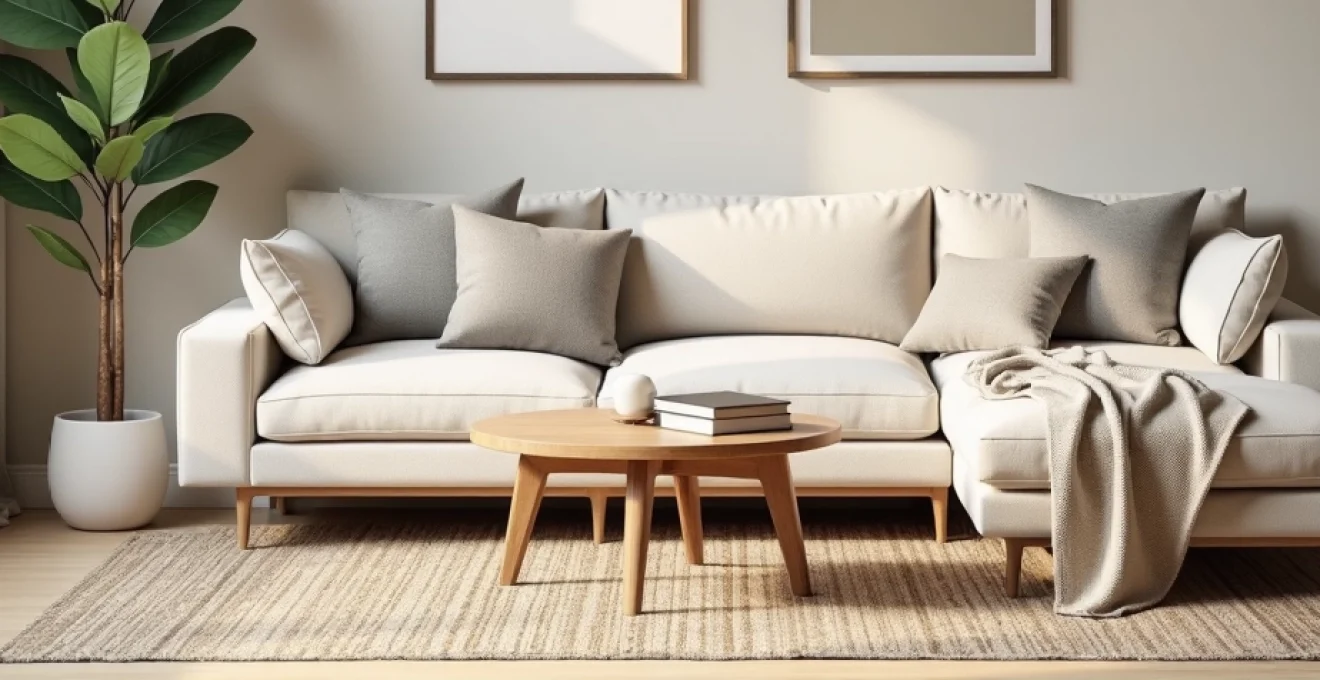
Creating a home that effortlessly transitions through the seasons requires more than simply swapping out throw pillows every few months. The most successful seasonal decorating strategies begin with establishing a sophisticated neutral foundation that serves as a canvas for year-round style evolution. This approach allows you to invest in quality pieces that maintain their relevance while accommodating the natural rhythm of seasonal changes that keep your space feeling fresh and current.
Professional interior designers understand that the key to sustainable, cost-effective decorating lies in building a versatile base that can accommodate both the cozy textures of autumn and winter alongside the lighter, brighter elements of spring and summer. This strategic approach eliminates the need for major overhauls while ensuring your home always feels current and intentionally curated.
Establishing your neutral foundation palette through strategic colour theory
The foundation of any seasonally adaptable interior begins with understanding how neutral colours interact with both natural light and seasonal accent colours. True neutrals serve as the backbone of flexible design, providing stability while allowing seasonal elements to take centre stage without competing for attention.
Implementing the 60-30-10 rule with warm and cool undertones
Professional designers rely on the 60-30-10 rule to create balanced, harmonious spaces that can accommodate seasonal variations. The dominant 60% should consist of your neutral base colours, typically applied to walls, large furniture pieces, and major textiles. This foundation allows you to introduce seasonal colours through the 30% secondary elements like area rugs, window treatments, and substantial accent pieces.
Understanding undertones becomes crucial when selecting your neutral palette. Warm undertones in beiges, creams, and soft greys complement autumn’s rich oranges and winter’s deep jewel tones, while cool undertones in whites, pale greys, and soft blues provide the perfect backdrop for spring pastels and summer’s vibrant greens. The most versatile neutrals contain balanced undertones that can lean either warm or cool depending on surrounding colours and lighting conditions.
Selecting benjamin moore and farrow & ball timeless neutrals
Premium paint manufacturers offer carefully formulated neutrals that maintain their integrity across different lighting conditions and seasonal contexts. Benjamin Moore’s “White Dove” and “Revere Pewter” exemplify colours that shift subtly throughout the day, appearing warmer in evening light and cooler in bright morning sun. These chameleon-like qualities make them ideal for seasonal adaptability.
Farrow & Ball’s “Elephant’s Breath” and “Skimming Stone” demonstrate how sophisticated neutrals can provide depth and interest while maintaining versatility. These colours contain complex undertones that respond beautifully to seasonal accent colours, appearing more dramatic with autumn’s rich burgundies and more serene with spring’s soft lavenders and sage greens.
Creating visual continuity with monochromatic base schemes
Monochromatic neutral schemes create sophisticated foundations that never compete with seasonal elements. Using varying shades and tones of the same neutral family—from the palest cream to rich taupe—creates depth and visual interest while maintaining the flexibility needed for seasonal transitions. This approach works particularly well in open-plan spaces where visual continuity between rooms enhances the overall sense of flow and harmony.
The key to successful monochromatic schemes lies in incorporating texture and varying finishes to prevent the space from feeling flat or monotonous. Combining matte wall paint with satin woodwork, glossy ceramics, and natural linen textures creates visual interest within the neutral palette while preserving the clean backdrop essential for seasonal decorating success.
Balancing natural light exposure with paint finish selection
Different paint finishes respond uniquely to natural light changes throughout the seasons, affecting how your neutral base appears in various conditions. Eggshell and satin finishes reflect light subtly, maintaining colour integrity while accommodating the dramatic light variations between winter’s low angles and summer’s bright intensity. These finishes also provide practical benefits, being easier to clean and maintain than flat finishes.
Rooms with abundant natural light can accommodate deeper neutrals and matte finishes, while spaces with limited natural light benefit from lighter tones in finishes that reflect and amplify available light. Consider how your chosen neutrals will appear during different seasons—winter’s cooler light can make warm neutrals appear muddy, while summer’s intense brightness might wash out pale colours entirely.
Investment-grade furniture selection for Multi-Seasonal adaptability
Building a seasonally flexible home requires strategic furniture investments that maintain their relevance and beauty across multiple design iterations. The most successful approach involves selecting pieces with classic proportions and neutral upholstery that can accommodate varying seasonal colour palettes and styling approaches without appearing dated or incompatible.
Choosing classic silhouettes from west elm and CB2 contemporary lines
Contemporary furniture retailers like West Elm and CB2 offer modern interpretations of classic silhouettes that provide the perfect foundation for seasonal decorating. Clean-lined sofas with simple cushions, mid-century inspired dining tables, and streamlined storage pieces maintain their visual appeal regardless of surrounding seasonal elements. These pieces typically feature the neutral colour palettes and quality construction necessary for long-term versatility.
When selecting furniture from contemporary lines, prioritise pieces with removable, washable covers or neutral upholstery that can accommodate both warm autumn throws and cool summer linens. The investment in quality construction pays dividends when pieces need to withstand regular styling changes and the wear associated with seasonal accessory rotations.
Prioritising natural materials: solid wood, linen, and wool foundations
Natural materials possess inherent seasonal adaptability, appearing warm and cozy during colder months while feeling fresh and organic during spring and summer. Solid wood furniture develops character over time, complementing both rustic autumn styling and clean summer aesthetics. The natural variation in wood grain provides visual interest that prevents neutral schemes from appearing sterile or cold.
Linen upholstery and window treatments offer exceptional versatility, appearing casual and breezy in summer contexts while providing sophisticated texture during formal winter styling. The natural irregularities in linen weave create visual depth that complements seasonal accessories without competing for attention. Wool area rugs provide similar adaptability, offering warmth and texture in winter while defining spaces elegantly during warmer months when they’re layered with lighter textiles.
Modular seating systems and convertible storage solutions
Modular furniture systems provide the flexibility essential for seasonal room transformations. Sectional sofas that can be reconfigured, storage ottomans that serve multiple functions, and nesting tables that adapt to various entertaining needs ensure your furniture investments remain relevant across different seasonal styling approaches and functional requirements.
Convertible storage solutions prove particularly valuable for seasonal decorating, providing places to store off-season accessories while serving as functional furniture year-round. Storage benches, lift-top coffee tables, and built-in window seats with hidden compartments maximize space efficiency while maintaining the clean lines essential for versatile seasonal styling.
Implementing the pareto principle for High-Impact furniture purchases
The Pareto Principle suggests that 80% of your decorating impact comes from 20% of your purchases—typically the largest, most visible furniture pieces. Investing in a high-quality, neutrally upholstered sofa, a solid wood dining table, and a well-designed storage system provides the foundation necessary for endless seasonal variations without requiring additional major purchases.
This strategic approach allows you to allocate more budget toward seasonal accessories, artwork, and textiles that provide maximum visual impact at lower individual cost points. Quality foundational pieces maintain their relevance for decades, while seasonal elements can be updated regularly to reflect current trends and personal style evolution.
Layering techniques for textile rotation and seasonal transitions
Mastering textile layering techniques enables seamless seasonal transitions without major decorating overhauls. The key lies in understanding how different textures, patterns, and weights can be combined and rotated to create entirely different atmospheric effects using the same foundational pieces.
Professional designers approach textile layering systematically, beginning with large foundational pieces like area rugs and window treatments, then building layers through upholstery, throw pillows, and finally accent textiles like throws and table linens. This methodical approach ensures cohesion while providing multiple opportunities for seasonal adjustment.
Seasonal textile rotation works most effectively when you maintain consistent colour temperatures within each season while varying textures and patterns to create interest. Autumn and winter textiles typically feature deeper colours, heavier weights, and rich textures like velvet, wool, and faux fur. Spring and summer textiles emphasize lighter colours, breathable fabrics, and crisp patterns that reflect the energy and freshness of warmer seasons.
Storage solutions for off-season textiles become crucial for this systematic approach. Cedar chests, vacuum storage bags, and climate-controlled closet space preserve textile quality while keeping seasonal options readily accessible. Investing in quality storage prevents damage and extends the life of seasonal textiles, making the rotation system more cost-effective over time.
The most successful layering systems incorporate textiles at multiple scales—from room-sized area rugs to small accent pillows. This multi-scale approach allows for subtle seasonal adjustments that can be as minimal as swapping throw pillow covers or as dramatic as changing area rugs and window treatments. The flexibility to make both minor and major adjustments ensures your space can evolve gradually or transform completely as seasons change.
Strategic lighting infrastructure for Year-Round ambience control
Lighting infrastructure forms the invisible backbone of seasonal decorating success, providing the ability to adjust ambience, highlight seasonal elements, and compensate for natural light variations throughout the year. Professional-level lighting design incorporates multiple layers and control systems that can be adjusted to complement different seasonal moods and functional requirements.
Installing dimmer systems and smart home integration
Modern dimmer systems and smart home integration provide unprecedented control over lighting environments, allowing you to create custom settings for different seasons and times of day. Smart lighting systems can be programmed to automatically adjust colour temperature and intensity to complement natural light patterns, creating seamless transitions that enhance seasonal decorating schemes.
Programmable systems can simulate the longer daylight hours of summer or the cozy, intimate lighting appropriate for winter evenings. These automated adjustments support seasonal decorating by ensuring lighting always complements your current styling choices without requiring manual adjustments throughout the day.
Combining task, ambient, and accent lighting principles
Professional lighting design incorporates three distinct categories that work together to create versatile, seasonally appropriate environments. Task lighting remains relatively consistent throughout seasonal transitions, providing necessary illumination for reading, cooking, and other activities. Ambient lighting creates overall room atmosphere and can be adjusted seasonally to complement different moods and colour schemes.
Accent lighting provides the greatest opportunity for seasonal adaptation, highlighting artwork, architectural features, or seasonal displays. Track lighting, picture lights, and decorative table lamps can be repositioned or adjusted to complement changing seasonal elements, ensuring focal points remain properly illuminated regardless of styling changes.
Seasonal bulb temperature adjustments: kelvin scale applications
Understanding the Kelvin scale enables precise lighting adjustments that support seasonal decorating schemes. Warmer light temperatures (2700K-3000K) complement autumn and winter styling, enhancing rich colours and creating intimate atmospheres. Cooler temperatures (3500K-4000K) support spring and summer schemes, providing bright, energizing light that complements fresh colours and natural materials.
The ability to adjust colour temperature seasonally transforms how spaces feel and function, creating environments that truly support the emotional and aesthetic goals of seasonal decorating.
Many modern LED systems allow colour temperature adjustment without changing bulbs, providing the flexibility needed for seasonal lighting adaptation. This technology eliminates the expense and inconvenience of seasonal bulb changes while providing professional-level lighting control that enhances every aspect of your seasonal decorating efforts.
Botanical integration through hardy indoor plant varieties
Indoor plants provide natural seasonal variation while maintaining year-round presence, offering living elements that can be styled and repositioned to complement different seasonal themes. The most successful botanical integration relies on selecting hardy varieties that tolerate varying light conditions and seasonal styling changes while providing consistent visual interest.
Large-scale plants like fiddle leaf figs, monstera deliciosa, and snake plants provide architectural presence that complements both minimalist summer styling and layered winter schemes. These substantial plants can be repositioned seasonally to highlight different areas or create varying focal points as room arrangements change with seasonal decorating updates.
Seasonal plant styling involves more than simple repositioning—it includes adjusting planters, adding seasonal botanical accents, and incorporating flowering plants that reflect current seasonal themes. Spring might feature flowering branches and bulb arrangements, while autumn could emphasize dried grasses and preserved seasonal foliage that extends natural outdoor elements into interior spaces.
Maintenance considerations become crucial when integrating plants into seasonal decorating schemes. Selecting varieties with similar watering and light requirements simplifies care while ensuring plant health remains consistent regardless of seasonal repositioning. Hardy varieties that tolerate some neglect prevent seasonal styling enthusiasm from compromising plant welfare.
Container selection provides another opportunity for seasonal adaptation—neutral planters can be dressed with seasonal covers, ribbons, or natural elements, while multiple container sizes allow plants to be regrouped seasonally for different visual impact. This approach maximizes the seasonal decorating potential of your botanical investments while maintaining plant health and visual appeal.
Accessory curation systems for efficient seasonal storage and display
Developing systematic approaches to accessory curation and storage ensures seasonal transitions remain manageable and enjoyable rather than overwhelming. Professional organizers recommend creating seasonal accessory collections that are properly stored, catalogued, and easily accessible when needed for seasonal room updates.
Effective curation begins with honest assessment of existing accessories, eliminating pieces that no longer serve your seasonal decorating goals or aesthetic preferences. Quality over quantity principles apply strongly to seasonal accessories—a carefully selected collection of versatile, high-quality pieces provides more styling options than numerous lower-quality items that may appear dated or incompatible with your evolving design preferences.
Storage systems should protect accessories while keeping them organized and accessible. Clear storage containers, detailed inventory lists, and photographs of seasonal arrangements help streamline the transition process while preventing damage to delicate items. Climate-controlled storage prevents deterioration of natural materials, fabrics, and artwork that might be damaged by temperature or humidity fluctuations.
Rotation schedules help maintain freshness and prevent accessory fatigue—even within seasons, periodic rearrangement keeps displays interesting and prevents rooms from appearing static. Monthly minor adjustments, combined with major seasonal overhauls, create dynamic spaces that feel intentionally curated rather than accidentally assembled.
The most successful seasonal decorating systems treat accessories as a curated collection rather than random accumulations, ensuring every piece contributes meaningfully to the overall aesthetic goals.
Documentation through photographs helps track successful combinations and provides inspiration for future seasonal arrangements. Digital catalogues of seasonal styling successes eliminate guesswork and provide reference points for recreating particularly effective combinations or adapting successful concepts to new spaces or updated colour schemes.