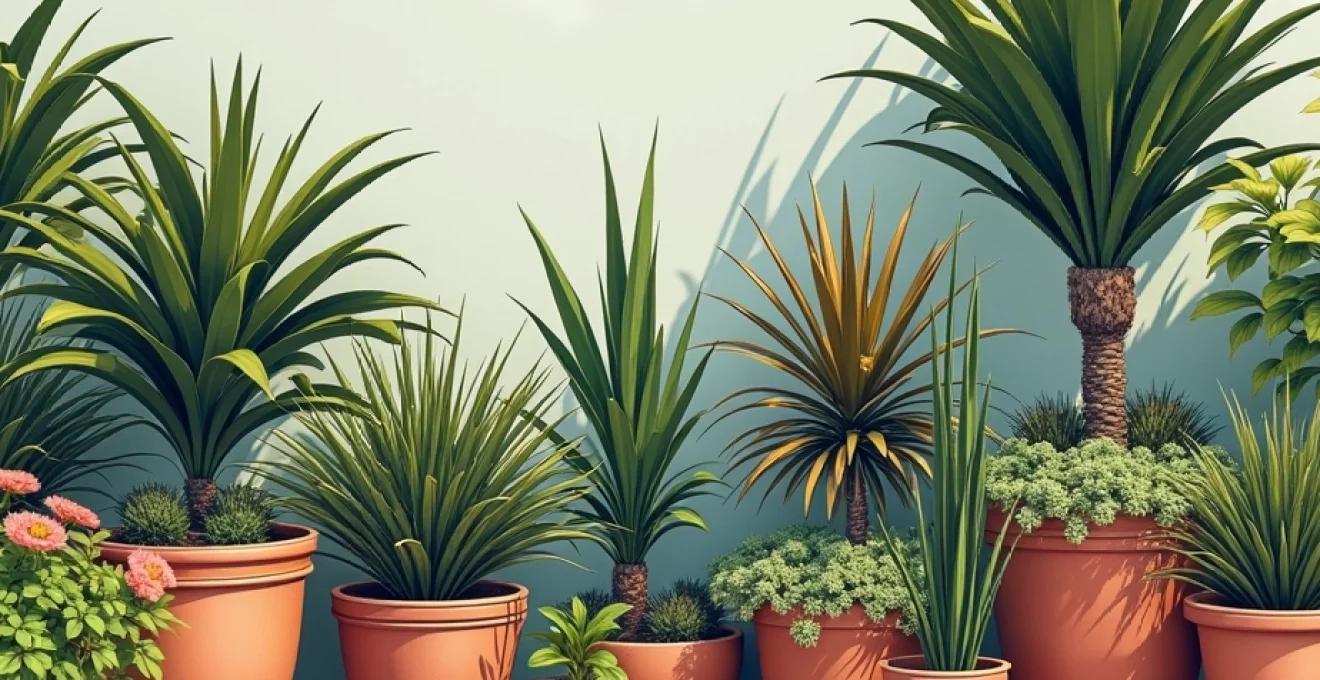
Creating stunning outdoor displays with potted plants requires more than simply arranging containers haphazardly across your patio or garden space. The art of blending potted plants for maximum visual impact involves sophisticated design principles, horticultural expertise, and strategic planning that transforms ordinary outdoor areas into extraordinary living landscapes. Professional landscapers and garden designers understand that successful container arrangements depend on careful consideration of plant selection, container proportions, spatial relationships, and seasonal dynamics.
Modern outdoor living spaces increasingly rely on potted plant arrangements to provide flexibility, structure, and year-round interest. Unlike permanent garden beds, container gardens offer the unique advantage of mobility whilst delivering dramatic visual impact when properly orchestrated. The key lies in understanding how different elements work together harmoniously, creating depth, texture, and visual flow that captures attention whilst maintaining botanical health and longevity.
Container selection and sizing strategies for tiered plant arrangements
The foundation of any successful potted plant arrangement begins with thoughtful container selection. Professional designers recognise that vessel choice directly impacts both aesthetic outcomes and plant health, making this initial decision crucial for long-term success. Contemporary container gardening embraces diversity in materials, sizes, and shapes, yet maintains underlying principles that ensure cohesive visual results.
Proportional vessel ratios using fibonacci sequences in garden design
Mathematical principles governing natural beauty find practical application in container garden design through Fibonacci sequences . These ratios, appearing throughout nature, create inherently pleasing proportional relationships between containers of different sizes. When planning your arrangement, consider using containers with diameter ratios following the golden ratio of approximately 1:1.618, resulting in naturally harmonious groupings that feel balanced to the human eye.
For example, if your largest container measures 60cm in diameter, complementary vessels should measure approximately 37cm and 23cm respectively. This mathematical approach eliminates guesswork whilst ensuring professional-looking results. Many successful garden designers unconsciously apply these principles, but conscious implementation yields more consistent outcomes across diverse planting schemes.
Drainage coefficient calculations for Multi-Container water management
Effective drainage becomes increasingly complex when managing multiple containers with varying plant requirements and soil compositions. Each container should maintain a drainage coefficient of approximately 15-20% of total soil volume, achieved through strategic hole placement and drainage layer implementation. Professional installations often incorporate drainage tiles or gravel layers measuring 2-5cm depending on container depth.
Calculate drainage needs by multiplying container volume by 0.15-0.20 to determine minimum drainage material requirements. For instance, a 40-litre container requires 6-8 litres of drainage material, ensuring adequate water management without compromising root health. This systematic approach prevents waterlogging whilst maintaining consistent moisture levels across your entire arrangement.
Terracotta vs fibreglass performance metrics in outdoor conditions
Material selection significantly impacts both plant performance and maintenance requirements throughout seasonal changes. Terracotta containers offer superior breathability with moisture evaporation rates of approximately 2-3mm daily, making them ideal for Mediterranean plants and drought-tolerant species. However, their thermal mass creates temperature fluctuations that may stress sensitive root systems during extreme weather conditions.
Conversely, fibreglass containers maintain more stable soil temperatures whilst offering superior durability in harsh outdoor conditions. Their insulation properties reduce root zone temperature variations by up to 40% compared to terracotta, making them preferable for arrangements requiring consistent growing conditions. Weight considerations also favour fibreglass for elevated installations or frequently relocated arrangements.
Weight distribution analysis for elevated planting configurations
Structural integrity becomes paramount when creating tiered or elevated container arrangements. Professional installations require careful weight distribution analysis to prevent toppling whilst maintaining visual appeal. Calculate total weight including saturated soil, mature plant mass, and container weight to ensure adequate support structures.
A standard 50-litre container with mature plantings typically weighs 60-80kg when fully saturated, requiring support systems capable of handling distributed loads exceeding 100kg per square metre. Consider wind loading factors for tall arrangements, particularly in exposed locations where lateral forces may compromise stability. Strategic placement of heavier containers at arrangement bases creates natural counterbalances for taller, lighter vessels.
Architectural plant layering using Thriller-Filler-Spiller methodology
The thriller-filler-spiller concept provides a systematic framework for creating visually compelling container arrangements that maintain interest throughout growing seasons. This methodology ensures balanced compositions by assigning specific roles to different plant categories, creating depth and movement whilst avoiding common pitfalls of overcrowding or sparse arrangements. Professional designers have refined this approach to accommodate diverse aesthetic preferences and growing conditions.
Vertical anchor plants: cordyline australis and phormium tenax selection
Thriller plants serve as dramatic focal points, providing vertical structure and visual anchors for entire arrangements. Cordyline australis offers architectural form with its sword-like leaves and eventual trunk development, reaching heights of 1.5-3 metres in large containers. Its tolerance for both sun and partial shade makes it versatile for varied positioning within complex arrangements.
Phormium tenax varieties provide similar structural benefits with enhanced colour options, including bronze, variegated, and burgundy cultivars. These robust perennials withstand wind exposure better than many alternatives, making them ideal for elevated or exposed locations. Their fibrous root systems establish quickly in containers whilst tolerating occasional drought conditions that might stress other architectural plants.
Both species benefit from regular feeding during active growth periods, requiring balanced fertilisers applied monthly throughout spring and summer. Container cultivation allows precise nutrient management, often resulting in more compact growth habits compared to ground-planted specimens whilst maintaining their distinctive architectural qualities.
Mid-canopy density optimisation with heuchera and ajuga reptans
Filler plants create the bulk and substance essential for professional-looking arrangements whilst bridging visual gaps between thriller and spiller components. Heuchera cultivars offer exceptional versatility with their diverse foliage colours and compact growth habits, typically reaching 20-40cm in both height and spread. Their tolerance for partial shade makes them valuable for creating depth in arrangements positioned away from full sun exposure.
Ajuga reptans provides complementary texture with its glossy, semi-evergreen foliage and attractive spring flower spikes. This ground-covering perennial spreads naturally to fill available space whilst remaining controllable within container confines. Its purple-bronze foliage creates stunning contrasts with lighter-coloured companions whilst requiring minimal maintenance once established.
Optimal spacing for filler plants typically follows the triangular planting pattern , positioning individual specimens 15-25cm apart depending on mature size expectations. This spacing allows natural growth whilst preventing overcrowding that reduces air circulation and increases disease susceptibility.
Cascading edge plants: bacopa monnieri and dichondra argentea placement
Spiller plants soften container edges whilst adding movement and textural interest to arrangements. Bacopa monnieri produces delicate white or purple flowers on trailing stems reaching 30-50cm length, creating gentle cascades that integrate containers with surrounding landscape elements. Its drought tolerance and heat resistance make it particularly valuable for summer displays in challenging conditions.
Dichondra argentea offers striking silver foliage on trailing stems that can extend over 100cm from container edges. This drought-tolerant perennial creates dramatic contrasts against darker foliage whilst maintaining its distinctive colouring throughout extended growing seasons. Its minimal flowering habit ensures foliage remains the primary ornamental feature.
Strategic placement of spiller plants requires consideration of growth direction and maintenance accessibility. Position trailing species where their natural growth patterns enhance overall composition whilst avoiding interference with pedestrian areas or adjacent plantings. Regular pinching encourages bushier growth and prevents excessive elongation that may compromise arrangement balance.
Seasonal succession planning for continuous visual interest
Professional container arrangements incorporate succession planting strategies to maintain visual appeal throughout extended growing seasons. Early spring arrangements might feature cool-season annuals like pansies and primulas, gradually transitioning to heat-tolerant species as temperatures rise. This approach requires forward planning and staged plantings to avoid gaps in display quality.
Autumn transitions present opportunities to incorporate ornamental cabbage, asters, and chrysanthemums whilst maintaining established structural plants. Many perennial thriller and filler plants provide excellent autumn interest through foliage colour changes or persistent seed heads that extend seasonal appeal well into winter months.
Consider incorporating evergreen elements that provide year-round structure, allowing seasonal changes through strategic replacement of annual components. This approach reduces overall maintenance whilst ensuring continuous visual impact regardless of seasonal variations or weather extremes.
Microclimate engineering through strategic container positioning
Understanding and manipulating microclimates through strategic container positioning transforms ordinary outdoor spaces into thriving plant communities that exceed expectations. Professional landscape designers recognise that thoughtful placement can extend growing seasons, protect sensitive plants, and create optimal growing conditions that maximise both plant health and visual impact. This sophisticated approach considers multiple environmental factors simultaneously.
Solar exposure patterns change dramatically throughout seasons, requiring arrangements that accommodate varying light conditions whilst maintaining aesthetic appeal. South-facing positions typically receive maximum solar radiation, making them ideal for heat-loving Mediterranean species and sun-demanding flowering annuals. However, these locations also experience extreme temperature fluctuations that may stress sensitive plants without adequate protection.
Wind patterns significantly influence plant selection and arrangement success, particularly in urban environments where building configurations create unpredictable air currents. Strategic container placement can create wind breaks that protect delicate specimens whilst channelling beneficial air movement for plants requiring good ventilation. Dense arrangements may inadvertently create stagnant air pockets that encourage fungal diseases and pest infestations.
Thermal mass effects from nearby structures, paving materials, and large containers create localised temperature variations that experienced gardeners exploit for improved plant performance. Positioning heat-sensitive plants near thermal mass objects provides temperature buffering that reduces stress during extreme weather events. Conversely, heat-loving species benefit from reflected warmth that extends effective growing seasons.
Strategic positioning transforms individual containers into integrated landscape systems that function as unified ecosystems rather than isolated plant displays.
Soil science applications for Multi-Container root zone management
Successful container arrangements require sophisticated understanding of soil science principles that differ significantly from traditional ground-based gardening approaches. Container growing mediums must simultaneously provide adequate drainage, moisture retention, nutrient availability, and structural support within confined spaces. Professional-grade potting mixtures incorporate multiple components specifically formulated to address these competing requirements whilst maintaining long-term stability.
Organic matter percentages in container soils typically range from 25-40%, significantly higher than garden soils, to compensate for rapid decomposition and nutrient leaching in containerised environments. Composted bark provides excellent structure whilst slowly releasing nutrients over extended periods. Perlite additions improve drainage and aeration, preventing compaction that restricts root development and water infiltration.
pH management becomes particularly critical in containers where buffering capacity is limited compared to large soil volumes. Most ornamental plants perform optimally in slightly acidic to neutral conditions (pH 6.0-7.0), requiring regular monitoring and adjustment through limestone or sulfur additions. Containerised plants often require more frequent pH corrections due to concentrated fertiliser applications and limited soil buffering capacity.
Nutrient cycling in containers operates differently from natural soil systems, requiring supplementation strategies that account for rapid leaching and limited root exploration areas. Slow-release fertilisers provide consistent nutrient availability over 3-6 month periods, reducing maintenance requirements whilst preventing the feast-or-famine cycles common with frequent liquid feeding. Incorporation of controlled-release formulations during initial potting reduces ongoing maintenance whilst ensuring optimal plant nutrition throughout growing seasons.
Root zone temperature management significantly impacts plant performance, particularly during extreme weather conditions. Container soils warm and cool more rapidly than ground soils, creating stress conditions that may limit plant growth or cause root damage. Light-coloured containers reflect heat whilst dark containers absorb solar radiation, creating temperature differences of 10-15°C under identical conditions. Strategic container selection and positioning can optimise root zone temperatures for improved plant performance.
Irrigation system design for clustered potted plant networks
Sophisticated irrigation systems transform container garden maintenance from labour-intensive daily chores into automated systems that deliver precise water applications based on individual plant requirements. Modern drip irrigation technology adapted for container applications provides targeted delivery whilst conserving water resources and reducing plant stress associated with inconsistent moisture levels. Professional installations incorporate multiple zones to accommodate varying water requirements within single arrangements.
Emitter selection depends on container size, plant water requirements, and soil characteristics, with flow rates typically ranging from 1-4 litres per hour for standard container applications. Adjustable emitters allow fine-tuning for optimal delivery rates whilst compensating for elevation differences and varying container sizes within networked systems. Pressure-compensating emitters ensure consistent delivery rates regardless of system pressure variations.
Timer programming requires consideration of seasonal variations, plant maturity, and weather conditions to maintain optimal soil moisture levels without overwatering. Advanced controllers incorporate weather station data and soil moisture sensors to automatically adjust irrigation schedules based on real-time conditions. This technology prevents water waste whilst ensuring plants receive adequate moisture during periods of high demand or extreme weather.
System maintenance involves regular inspection of emitters for clogging, verification of timer programming accuracy, and seasonal adjustments for changing plant requirements. Filtration systems prevent debris from clogging precision emitters whilst pressure regulation ensures consistent performance across entire networks. Professional installations typically include maintenance access points at strategic locations to facilitate system servicing without disrupting established plantings.
| Container Size | Emitter Flow Rate | Irrigation Duration | Daily Frequency |
|---|---|---|---|
| 20-30 litres | 2 L/hr | 15-20 minutes | 1-2 times |
| 30-50 litres | 2-4 L/hr | 20-30 minutes | 1-2 times |
| 50+ litres | 4 L/hr | 30-45 minutes | 1 time |
Water quality considerations become particularly important in container systems where salt accumulation can occur more rapidly than in ground-based applications. Regular flushing with clear water helps prevent salt buildup that may damage sensitive plants or interfere with nutrient uptake. Water testing allows adjustment of fertiliser programmes to account for existing mineral content and pH levels.
Professional irrigation systems eliminate guesswork whilst providing consistent moisture levels that support optimal plant growth and extended flowering periods.
Colour theory integration using monochromatic and complementary palettes
Sophisticated colour integration transforms ordinary container arrangements into visually striking compositions that create lasting impressions and enhance outdoor living spaces. Professional designers apply established colour theory principles to create harmonious relationships between foliage, flowers, and container finishes that satisfy aesthetic preferences whilst maintaining horticultural compatibility. Understanding colour relationships enables confident plant selection and arrangement decisions that produce consistently successful results.
Monochromatic colour schemes utilise varying shades, tints, and tones of single colours to create subtle yet sophisticated visual effects. Green monochromatic arrangements showcase the incredible diversity available within single colour families, incorporating everything from pale chartreuse Heuchera to deep forest green conifers. These arrangements succeed through textural contrasts and form variations that maintain visual interest without colour competition.
Complementary colour relationships create dynamic visual tension through strategic placement of opposing colour wheel positions. Purple and yellow combinations provide classic examples, with deep purple Heuchera foliage contrasting brilliantly against golden Bidens or yellow-variegated grasses. These high-contrast combinations require careful balance to prevent visual chaos whilst maximising dramatic impact.
Analogous colour schemes incorporate adjacent colour wheel segments to create harmonious transitions that feel naturally integrated. Blue-purple-violet combinations might feature lavender flowers, purple-leafed Coleus, and blue-tinted ornamental grasses that blend seamlessly whilst providing sufficient variation to maintain interest. These arrangements often prove most successful for beginning gardeners due to their inherently harmonious nature.
Container colour coordination extends colour theory applications beyond plant materials to include vessel finishes that either complement or deliberately contrast with plant colours. Neutral container colours like terracotta, grey, or white allow plant colours to dominate, whilst coloured containers become integral design elements that must coordinate with overall colour schemes. Dark containers visually recede whilst light containers advance, influencing spatial perception within arrangements.
Seasonal colour planning ensures arrangements maintain visual appeal throughout extended growing periods as flowers fade and foliage changes. Spring arrangements might emphasise fresh greens and pale pastels, gradually intensifying through summer’s
bold summer displays, then transitioning to rich autumn tones of bronze, gold, and deep red that complement shorter daylight hours and cooler temperatures.
Foliage colour contributions often prove more reliable than flower colours for sustained visual impact, particularly in arrangements requiring year-round appeal. Variegated plants like Heuchera ‘Palace Purple’ or Coleus 'Redhead' provide consistent colour throughout growing seasons whilst flowering plants contribute seasonal highlights. Strategic integration of both permanent foliage colour and seasonal flower colour creates dynamic arrangements that evolve naturally whilst maintaining underlying design integrity.
Light conditions significantly influence colour perception, with morning and evening light enhancing warm colours whilst midday sun intensifies cool colours. Arrangements positioned in filtered light may require stronger colour contrasts to maintain visual impact, whilst full-sun locations allow subtle colour relationships to register effectively. Professional designers often evaluate colour combinations under various lighting conditions to ensure consistent appeal throughout daily light cycles.
Successful colour integration creates emotional responses that transform functional container arrangements into memorable landscape features that enhance property value and owner satisfaction.
Understanding seasonal colour psychology enables designers to create arrangements that support desired moods and activities within outdoor living spaces. Cool blues and purples promote relaxation and contemplation, making them ideal for seating areas designed for quiet reflection. Warm oranges and reds stimulate energy and conversation, perfect for entertaining spaces where social interaction is encouraged. These psychological considerations influence both plant selection and spatial arrangement within larger landscape contexts.
Container finish selection requires careful consideration of colour temperature relationships with plant materials. Cool-toned containers in blues, greys, and whites harmonise naturally with cool-coloured plants whilst creating contrast with warm plant colours. Conversely, warm-toned terracotta and bronze containers complement warm plant colours whilst providing dramatic contrast with cool foliage. Neutral finishes offer maximum flexibility but may lack the visual impact achieved through strategic colour coordination.
Advanced colour applications incorporate principles of simultaneous contrast, where adjacent colours influence perception of neighbouring hues. Purple foliage appears more vibrant when positioned next to yellow flowers, whilst green foliage seems richer against red blooms. These optical effects allow experienced designers to intensify colour impact without requiring more saturated plant materials. Understanding these interactions enables confident colour mixing that produces professional-quality results consistently across diverse planting combinations.