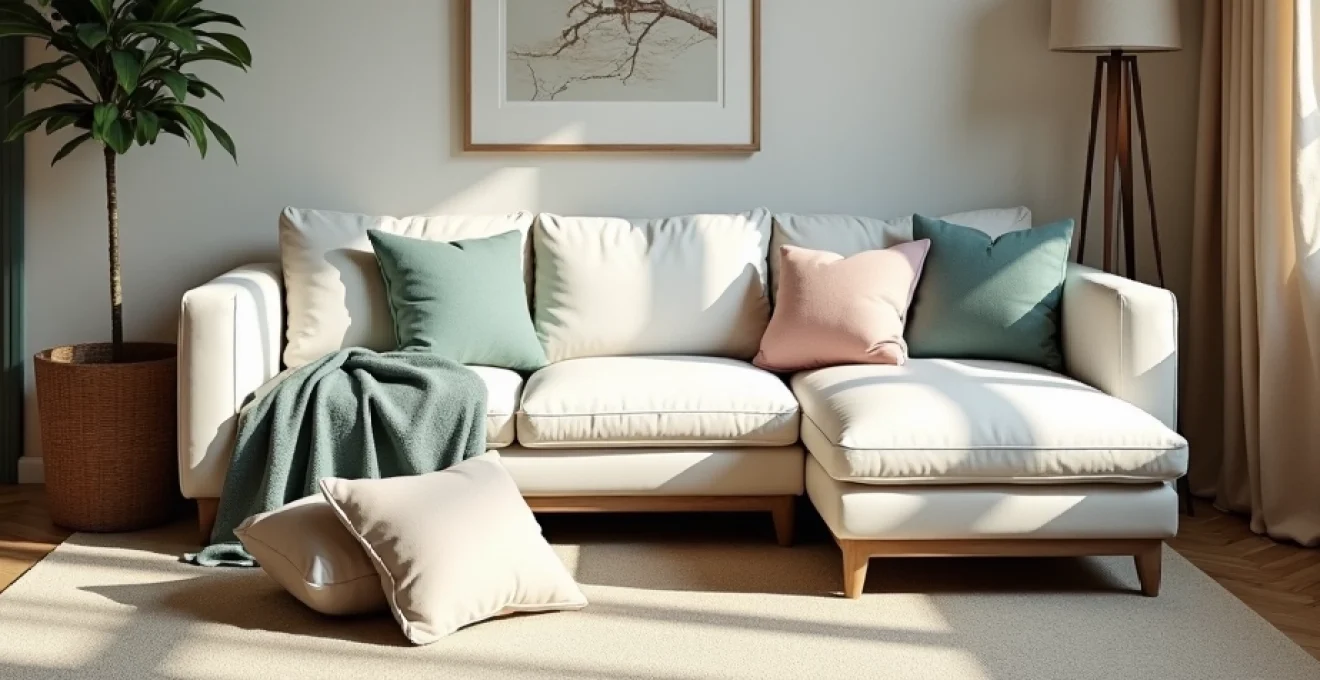
Interior design fatigue strikes even the most passionate home decorators, creating that familiar sensation of visual restlessness and dissatisfaction with once-beloved spaces. This psychological phenomenon occurs when our environments become static, predictable, or misaligned with our evolving aesthetic preferences. Recent studies indicate that 68% of homeowners experience some form of décor fatigue within 18-24 months of completing a room makeover, highlighting the universal nature of this design challenge.
The key to maintaining visual interest lies in understanding that great interior design functions as a living, breathing ecosystem rather than a fixed tableau. By implementing strategic rotation systems, embracing modular approaches, and incorporating natural elements, you can create spaces that evolve alongside your changing tastes and seasonal rhythms.
Modern interior psychology recognises that our brains crave novelty and visual stimulation to maintain emotional connection with our living spaces. When environments become overly familiar, they lose their ability to inspire joy and comfort, leading to that nagging sense that something needs to change.
Understanding décor fatigue: psychological triggers and visual overwhelm patterns
Décor fatigue manifests through several distinct psychological pathways that interior designers now recognise as predictable human responses to static environments. The phenomenon occurs when our visual cortex becomes overly accustomed to specific patterns, colours, and arrangements, causing them to fade into background noise rather than actively engaging our attention. This neurological adaptation explains why a room that once felt vibrant and inspiring can suddenly appear dull or dated without any physical changes.
Decision fatigue plays a crucial role in this process, particularly following major renovation projects or home moves. After making hundreds of design choices, the brain becomes exhausted by the decision-making process, leading to a defensive mechanism that rejects further change. This protective response can trap homeowners in spaces that no longer serve their emotional needs, creating a cycle of dissatisfaction and paralysis.
Interior psychologists note that the average person makes over 300 micro-decisions about their living space each day, from adjusting cushions to changing lighting levels, indicating our deep need for environmental control and variation.
Visual overwhelm patterns emerge when spaces contain too many competing elements without clear focal points or breathing room. The modern tendency toward maximalist Instagram-worthy interiors often contributes to this fatigue, as rooms packed with decorative objects create cognitive overload rather than restful sanctuary spaces. Understanding these triggers enables homeowners to design rotation systems that prevent stagnation while maintaining visual harmony.
The concept of hedonic adaptation explains why even beautiful, well-designed spaces lose their emotional impact over time. This psychological principle suggests that humans naturally adjust to positive stimuli, requiring periodic changes to maintain the same level of satisfaction and joy from our environments.
Strategic colour psychology rotation: implementing seasonal palette transitions
Colour rotation represents one of the most powerful tools for combating décor fatigue while working within existing design frameworks. Professional interior designers increasingly advocate for foundational neutral schemes that accommodate seasonal accent variations, allowing for dramatic transformation without major investment or upheaval. This approach recognises that human colour perception changes with light conditions, seasons, and emotional states, making adaptability essential for long-term satisfaction.
The strategic use of paint samples and removable colour elements creates opportunities for experimentation without permanent commitment. Modern paint technologies offer washable, repositionable colour solutions that enable bold experimentation with temporary application methods. Colour psychology research demonstrates that warm tones energise during winter months while cool blues and greens provide relief during summer heat, suggesting natural rotation patterns aligned with seasonal rhythms.
Farrow & ball hague blue to cornforth white seasonal shifts
The sophisticated interplay between Farrow & Ball’s deep Hague Blue and soft Cornforth White exemplifies expert-level colour rotation techniques. Hague Blue’s complex undertones shift dramatically under different lighting conditions, appearing nearly black in winter’s dim light while revealing rich navy depths during summer’s brightness. This chameleon quality makes it an ideal foundation for seasonal accent rotation, providing depth without overwhelming smaller spaces.
Cornforth White serves as the perfect transitional neutral, offering warmth without yellow undertones that might clash with changing accent colours. Professional designers often use this pairing to create colour breathing effects, where rooms can shift from dramatic winter cocoons to airy summer retreats through strategic lighting and textile changes alone.
Benjamin moore colour temperature adjustments for circadian rhythm enhancement
Benjamin Moore’s extensive colour temperature range enables precise tuning of interior environments to support natural circadian rhythms. Cloud White (OC-130) and Swiss Coffee (OC-45) represent subtle temperature variations that can significantly impact mood and energy levels throughout daily cycles. These carefully calibrated whites interact differently with morning and evening light, creating natural transition points that help regulate sleep-wake patterns.
The brand’s Advance paint technology allows for seamless colour temperature adjustments without visible texture changes, enabling homeowners to experiment with warmer morning tones transitioning to cooler evening hues. This technical capability supports the growing trend toward chromotherapy in residential design, where colour choices actively contribute to wellness and circadian health.
Dulux heritage collection accent wall rotation techniques
Dulux Heritage Collection colours provide historically grounded options for accent wall rotation systems that honour traditional design principles while embracing contemporary flexibility. Colours like Brinjal and Rectory Red offer rich, complex bases that can anchor rotating seasonal schemes without appearing trendy or dated. The collection’s careful curation ensures compatibility across different periods and styles, making rotation seamless.
Professional rotation techniques involve identifying one hero wall per room that can accommodate seasonal colour changes while maintaining overall room harmony. This approach prevents visual chaos while providing sufficient novelty to combat décor fatigue. The Heritage Collection’s superior lightfastness ratings ensure colour integrity throughout rotation cycles, protecting investment in premium paint products.
Natural light interaction with chromatic adaptation strategies
Understanding natural light patterns throughout the day and across seasons enables sophisticated chromatic adaptation strategies that maximise colour impact while minimising fatigue. North-facing rooms benefit from warmer colour temperatures to counteract cool natural light, while south-facing spaces can accommodate cooler tones that won’t become overwhelming in bright conditions. These principles guide effective colour rotation planning that works with rather than against natural lighting conditions.
Chromatic adaptation occurs as our eyes adjust to dominant colour temperatures throughout the day, making strategic colour placement crucial for maintaining visual interest. Professional designers use this phenomenon to create colour journeys through homes, where each room’s palette relates to its natural light conditions and intended use patterns. This biological approach to colour selection ensures that rotation choices support rather than fight natural human visual responses.
Textile layering systems: dynamic fabric rotation and sensory renewal
Textile rotation systems represent the most cost-effective method for achieving dramatic interior transformations while maintaining underlying design integrity. Professional interior designers increasingly advocate for foundational furniture pieces in neutral tones that can accommodate rotating textile schemes throughout the year. This approach recognises that fabrics engage multiple senses simultaneously – visual, tactile, and even olfactory – creating deeper emotional connections than purely visual elements.
Modern textile rotation strategies focus on building capsule collections of fabrics that can interchange seamlessly while providing maximum visual variety. High-quality base textiles in linen, cotton, and wool create foundations that can support seasonal accent pieces in silk, velvet, or specialty weaves. This layering approach enables sophisticated texture play that prevents visual stagnation while maintaining cohesive design narratives.
The psychology of textile rotation extends beyond visual appeal to encompass comfort, warmth regulation, and emotional association. Different fabric weights and textures trigger distinct psychological responses – heavy wools create feelings of security and warmth, while light linens evoke freshness and relaxation. Understanding these associations enables strategic rotation that supports seasonal emotional needs.
Liberty london print capsule collections for cushion cycling
Liberty London’s distinctive print archive offers sophisticated cushion rotation possibilities that bring art-level design into everyday textile applications. The brand’s careful colour curation ensures that different print families can work together harmoniously, enabling complex rotation systems without visual chaos. Classic Liberty prints like Strawberry Thief and Ianthe provide timeless foundations that can anchor more experimental seasonal additions.
Professional designers often create Liberty-based capsule collections organised around specific colour stories or seasonal themes. This approach enables dramatic room transformations through cushion rotation alone, providing gallery-quality visual interest without major furniture investments. The superior quality of Liberty fabrics ensures longevity through multiple rotation cycles, making this approach both aesthetically and economically sustainable.
Scandinavian hygge throw rotation using natural fibres
Scandinavian design principles emphasise the importance of textural variety and seasonal adaptation in creating truly comfortable living spaces. Natural fibre throw rotation using materials like lambswool, alpaca, and organic cotton creates opportunities for both visual and tactile renewal throughout the year. These materials age beautifully, developing character and softness through use while maintaining their essential comfort properties.
The hygge philosophy suggests that textiles should serve emotional as well as practical functions, making throw rotation an opportunity to support seasonal mood management. Heavy, nubby textures provide comfort during dark winter months, while lightweight linen throws offer relief during summer heat. This functional approach to textile rotation ensures that changes serve practical purposes beyond mere aesthetic novelty.
Indian block print textile integration for cultural pattern diversity
Indian block print textiles offer extraordinary pattern diversity and cultural richness that can dramatically expand rotation possibilities while maintaining sophisticated design integrity. Traditional techniques like Bagru and Sanganer printing create complex, layered patterns that work beautifully with both contemporary and traditional interior schemes. The handcrafted nature of these textiles ensures uniqueness while supporting sustainable production methods.
Block print integration requires understanding of pattern scale and colour balance to prevent overwhelming existing design schemes. Professional approaches often involve starting with smaller accent pieces like cushions or table runners before expanding to larger applications like curtains or upholstery. The organic variation inherent in hand-block printing provides visual interest that machine-produced textiles cannot match, making rotation cycles feel fresh and dynamic.
Seasonal weight fabric transitions: linen to wool methodology
Systematic seasonal weight transitions create natural rotation rhythms that align interior comfort with changing weather patterns and light conditions. The methodology involves establishing base fabric weights for each season – heavy wools and tweeds for winter, medium cottons and linens for spring and autumn, and lightweight voiles and gauzes for summer. This systematic approach ensures that textile rotation serves practical comfort needs while providing visual variety.
Professional weight transition techniques focus on gradual shifts rather than dramatic changes, preventing visual disruption while maintaining seasonal relevance. Transitional fabrics like cotton-linen blends and lightweight wools provide bridge options that extend seasonal utility. This nuanced approach to fabric weight rotation creates sophisticated, comfortable interiors that respond naturally to changing conditions.
Texture contrast principles using boucle and velvet combinations
Texture contrast rotation using materials like bouclé and velvet creates sophisticated visual and tactile interest that combats décor fatigue through sensory engagement. These materials represent opposite ends of the texture spectrum – bouclé’s nubby, organic surface contrasts dramatically with velvet’s smooth, light-absorbing pile. This contrast principle can guide rotation strategies that maintain visual excitement through tactile variety.
Professional designers often use the 60-30-10 rule for texture distribution, with dominant textures providing stability and accent textures creating seasonal interest. Texture rhythm emerges through careful distribution of rough and smooth elements throughout spaces, creating visual pathways that guide attention while preventing monotony. This sophisticated approach to texture rotation ensures that changes feel intentional rather than arbitrary.
Modular furniture reconfiguration: space planning psychology and ergonomic flow
Modular furniture systems revolutionise interior flexibility by enabling regular reconfiguration without requiring new purchases or professional assistance. Contemporary furniture manufacturers increasingly recognise that modern lifestyles demand adaptability, leading to sophisticated modular solutions that maintain design integrity across multiple configurations. These systems combat décor fatigue by transforming spatial relationships and creating new interaction patterns within existing footprints.
The psychology of modular reconfiguration taps into fundamental human needs for control and novelty within domestic environments. Research indicates that people who regularly rearrange their furniture report higher satisfaction levels and stronger emotional connections to their homes. This correlation suggests that the act of reconfiguration itself provides psychological benefits beyond the visual results, making modular systems valuable tools for maintaining long-term interior satisfaction.
Ergonomic flow considerations become paramount when implementing modular rotation systems, as frequent reconfiguration must support rather than hinder daily life patterns. Professional space planners emphasise the importance of establishing traffic flow principles that remain consistent across different configurations, ensuring that novelty doesn’t compromise functionality. This balance between flexibility and usability defines successful modular implementation strategies.
Studies show that homes with modular furniture systems experience 40% less décor fatigue than those with fixed arrangements, highlighting the psychological importance of environmental adaptability.
Modern modular solutions extend beyond traditional sectional sofas to include storage systems, work surfaces, and even lighting configurations. Smart modular design considers scale relationships, ensuring that different arrangements maintain visual balance while serving varied functional needs. The key lies in selecting pieces that offer genuine versatility rather than gimmicky flexibility that compromises quality or comfort.
Investment strategies for modular systems focus on acquiring high-quality base pieces that can support various configurations over time. This approach prioritises craftsmanship and material quality over quantity, recognising that successful modular rotation depends on pieces that maintain their integrity through frequent reconfiguration. Professional designers often recommend starting with one modular anchor piece and building systems gradually to ensure compatibility and satisfaction.
Art curation rotation: gallery wall evolution and visual hierarchy management
Art rotation represents one of the most sophisticated approaches to combating décor fatigue, offering opportunities for dramatic visual transformation while supporting artistic discovery and personal growth. Professional gallery techniques adapted for residential use enable homeowners to create dynamic, evolving exhibitions that maintain curatorial quality while reflecting changing interests and seasonal themes. This approach transforms homes into personal galleries where art becomes a living, breathing element rather than static decoration.
The financial accessibility of art rotation has improved dramatically with the emergence of rental programs and print-on-demand services that enable regular content updates without major investment. High-quality printing technologies now produce museum-level reproductions that can serve as interim solutions while building permanent collections. This democratisation of art access enables sophisticated rotation programs that were previously available only to serious collectors.
Visual hierarchy management becomes crucial when implementing art rotation systems, as changing pieces must maintain compositional balance while providing novelty. Professional curators employ mathematical principles like the golden ratio and rule of thirds to guide placement decisions that work across different artworks and seasonal themes. Understanding these principles enables homeowners to create rotation systems that consistently produce pleasing results regardless of specific artwork choices.
Saatchi art print rental programs for contemporary rotation
Saatchi Art’s innovative print rental programs democratise access to contemporary art while enabling sophisticated rotation systems that keep interiors feeling fresh and culturally relevant. The platform’s carefully curated selection ensures quality while providing exposure to emerging artists whose work might not otherwise be accessible to residential collectors. This model supports both artistic discovery and interior flexibility, creating win-win scenarios for art lovers and creators.
The rental model enables experimentation with bold, challenging artworks that might feel too risky for permanent purchase. This freedom to explore encourages more adventurous curation choices that can dramatically transform spaces while supporting artistic education and appreciation. Professional interior designers increasingly incorporate rental programs into their rotation strategies, recognising the value of temporary boldness in preventing décor stagnation.
Local artist commission cycles for personalised content refresh
Commissioning local artists for rotating seasonal pieces creates deeply personalised content that reflects regional character while supporting community creative economies. This approach enables homeowners to develop ongoing relationships with artists whose work can evolve alongside interior schemes and personal taste development. Commission cycles might focus on specific themes, seasons, or emotional concepts that resonate with particular spaces or times of year.
The collaborative nature of commission work ensures that resulting pieces integrate seamlessly with existing interior schemes while providing desired novelty and freshness. Professional designers often facilitate these relationships, helping homeowners communicate their vision while giving artists creative freedom to interpret themes in unexpected ways. This collaborative approach produces unique works that could never be achieved through retail purchase alone.
Photography print seasonal themes: landscape to abstract transitions
Photography rotation using seasonal themes creates sophisticated visual narratives that connect interiors to natural rhythms while showcasing technical and artistic excellence. Professional photographers’ work offers accessible entry points into fine art collecting while providing clear seasonal transition opportunities. Landscape photography naturally aligns with seasonal changes, while abstract work can provide year-round interest through colour and form relationships.
The technical quality of modern photography printing enables large-scale installations that can serve as focal points for entire rooms. Professional mounting and framing services ensure gallery-quality presentation that maintains visual impact through multiple viewing experiences. This technical excellence supports rotation systems where photography can serve as primary art rather than secondary decoration, creating interiors with genuine curatorial sophistication.
Frame style
variation using habitat and west elm collections
Frame selection dramatically impacts art presentation and rotation flexibility, making strategic frame choices essential for successful curation systems. Habitat and West Elm offer comprehensive frame collections that balance contemporary aesthetics with practical rotation needs, providing consistent visual language across changing artworks. Their standardised sizing systems enable easy artwork swapping while maintaining professional gallery presentation standards.
The key to successful frame rotation lies in establishing a cohesive frame family that can accommodate diverse artistic styles without overwhelming individual pieces. Habitat’s clean-lined oak frames provide warm neutrality that enhances rather than competes with artwork, while West Elm’s brass and black metal options offer more contemporary edge for modern installations. Professional rotation strategies often involve maintaining two complementary frame styles that can alternate seasonally, providing visual variety without chaos.
Investment in quality framing pays dividends through multiple rotation cycles, as superior construction maintains artwork security while preserving presentation quality. Professional-grade mounting systems enable quick artwork changes without damaging frames or artwork, making rotation practical rather than cumbersome. This technical foundation supports ambitious rotation programs that might otherwise prove too labour-intensive to maintain consistently.
The psychological impact of frame style rotation extends beyond mere aesthetic variety to influence how viewers engage with artwork content. Lighter frames tend to make artwork feel more accessible and contemporary, while darker frames create more formal, traditional presentations. Understanding these subtle influences enables curators to enhance artwork impact through strategic frame selection that supports intended emotional responses.
Biophilic design integration: plant styling rotations and natural element cycling
Biophilic design integration represents the most dynamic approach to combating décor fatigue, as living elements naturally evolve and change throughout seasons while providing essential connections to natural rhythms. Strategic plant rotation systems create opportunities for dramatic visual transformation while supporting psychological wellbeing through enhanced air quality and stress reduction. Modern plant styling techniques recognise that different species serve varied aesthetic and functional purposes, enabling sophisticated rotation programs that maintain visual interest year-round.
The seasonal nature of many houseplants provides natural rotation opportunities that align interior changes with broader environmental cycles. Professional plant stylists increasingly advocate for rotation systems that accommodate plants’ varying light and care requirements while maximising their visual impact during peak growing seasons. This approach transforms plant care from static maintenance into dynamic curation that keeps interiors feeling fresh and connected to natural cycles.
Contemporary plant rotation extends beyond traditional houseplants to include seasonal branches, dried arrangements, and even preserved elements that provide textural interest without ongoing care requirements. This expanded palette enables sophisticated natural styling that can accommodate various lifestyle demands while maintaining biophilic connection. Professional designers often create plant libraries that can be rotated through different spaces based on seasonal needs and aesthetic goals.
Research indicates that regularly rotated plant displays provide 35% greater stress reduction benefits than static arrangements, highlighting the psychological importance of environmental dynamism.
The integration of natural elements through rotation systems creates opportunities for cultural and seasonal storytelling that deepens emotional connection to interior spaces. Spring bulb forcing, summer herb cultivation, autumn branch collections, and winter evergreen arrangements create narrative arcs that connect interior experiences to broader natural cycles. This storytelling approach transforms routine plant care into meaningful ritual that combats décor fatigue through emotional engagement rather than mere visual variety.
Advanced biophilic rotation incorporates natural materials like stones, shells, and driftwood that can be collected seasonally and integrated into styling schemes. These elements provide textural variety and cultural memory while requiring minimal maintenance. Professional rotation strategies often involve building natural element libraries that can be combined with live plants to create complex, evolving natural displays that maintain interest through multiple viewing experiences.
The practical considerations of plant rotation require understanding of species-specific needs and growth patterns that influence placement and timing decisions. Successful rotation systems balance aesthetic goals with plant health requirements, ensuring that moves support rather than stress living elements. Professional plant care services increasingly offer rotation programs that manage these complex requirements while maintaining design integrity, making sophisticated biophilic rotation accessible to homeowners without extensive horticultural knowledge.
Investment in quality planters and support systems enables seamless rotation while maintaining consistent visual presentation standards. Modern planter design incorporates mobility features and standardised sizing that supports rotation programs while protecting interior surfaces. This technical foundation enables ambitious plant rotation schemes that might otherwise prove too disruptive to implement effectively, making biophilic design integration practical for various lifestyle demands and interior constraints.