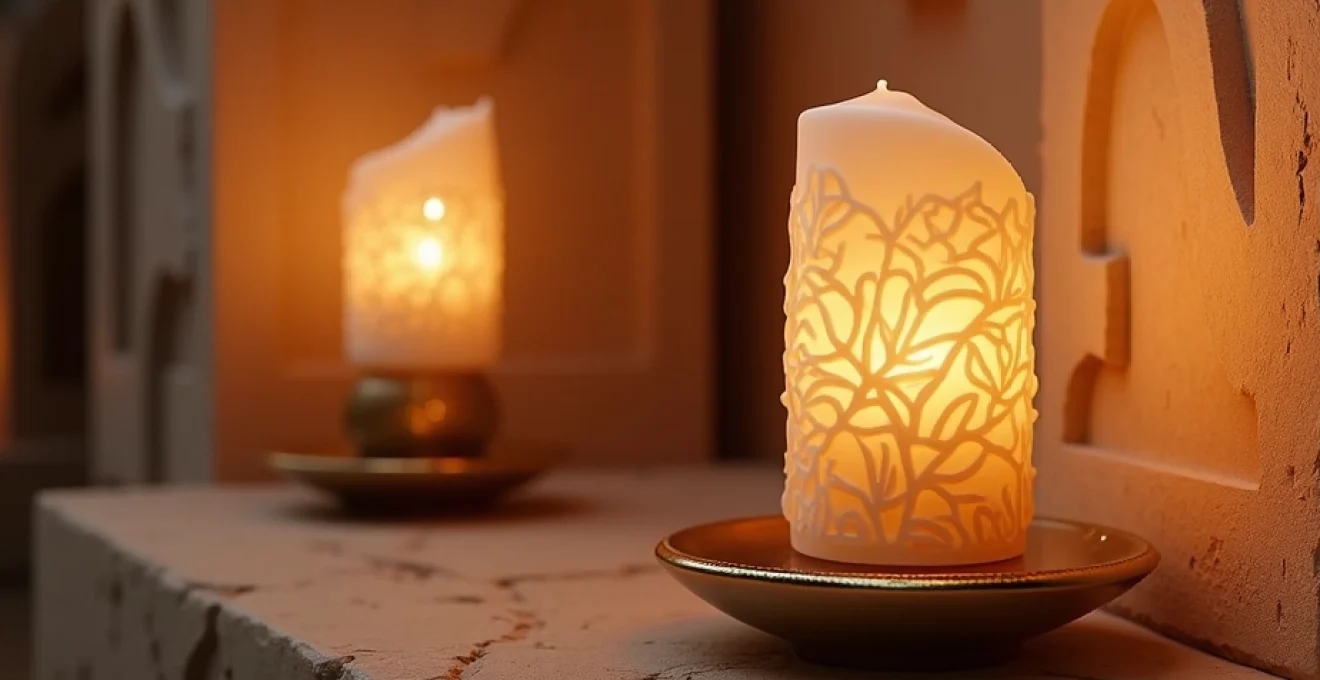
The art of lighting has evolved far beyond mere functionality, transforming into an essential element of interior design that shapes atmosphere and mood. Sculptural candleholders represent the perfect fusion of artistic expression and practical illumination, creating dynamic visual experiences that breathe life into any space. These meticulously crafted pieces serve as focal points whilst casting intricate patterns of light and shadow that dance across walls and surfaces, fundamentally altering the perception of room dimensions and character.
The transformative power of sculptural candleholders lies in their ability to create layered lighting environments that engage multiple senses simultaneously. Unlike traditional flat-based candle holders, these three-dimensional art pieces interact with flame in sophisticated ways, producing complex interplays of illumination that can make intimate spaces feel grand or expansive rooms feel more welcoming. The craftsmanship behind each piece reflects centuries of artistic tradition whilst embracing contemporary design sensibilities.
Sculptural candleholder materials and craftsmanship techniques
The foundation of exceptional sculptural candleholders begins with material selection and masterful craftsmanship. Each medium offers unique properties that influence both aesthetic appeal and functional performance, creating distinct lighting characteristics that cater to different design preferences and spatial requirements.
Hand-carved wooden candleholders: mahogany, teak, and walnut applications
Wood carving represents one of the most ancient and revered crafts in sculptural candleholder creation. Mahogany’s rich grain patterns create stunning visual textures when illuminated, with the wood’s natural oils reflecting candlelight in warm, honeyed tones. Master craftsmen exploit mahogany’s workability to create intricate relief patterns and flowing curves that complement both traditional and contemporary interiors.
Teak’s exceptional durability and natural water resistance make it particularly suited for sculptural pieces requiring longevity. The wood’s natural oils prevent cracking and warping, whilst its distinctive grain creates subtle texture variations that enhance light diffusion. Craftsmen often incorporate traditional joinery techniques, creating complex multi-level structures without compromising structural integrity.
Walnut’s dramatic colour variations and striking grain patterns provide sculptors with natural artistic elements. The wood’s tendency to develop rich patina over time means each piece evolves aesthetically, with candlelight highlighting different grain characteristics as the surface ages and deepens in colour.
Ceramic and porcelain sculpting methods for contemporary candleholder design
Contemporary ceramic and porcelain candleholder creation employs both traditional wheel-throwing techniques and modern sculptural approaches. Artists utilise various clay bodies to achieve specific aesthetic and functional goals, with stoneware providing durability for everyday use whilst porcelain offers translucency that creates ethereal lighting effects.
Advanced glazing techniques produce surfaces that interact dramatically with candlelight. Crystalline glazes create microscopic facets that catch and reflect flame, producing shimmering effects reminiscent of precious stones. Matte glazes absorb light selectively, creating subtle gradients that enhance sculptural forms without overwhelming detail.
Hand-building techniques allow ceramic artists to create complex geometric forms and organic shapes impossible to achieve through wheel throwing. Slab construction enables the creation of angular, architectural pieces, whilst coil-building produces flowing, organic forms that seem to grow naturally from surfaces.
Metalwork artistry: bronze, brass, and wrought iron candleholder construction
Metal sculptural candleholders showcase the marriage of industrial craftsmanship and artistic vision. Bronze casting allows for exceptional detail reproduction, with artists creating master models that capture intricate surface textures and complex three-dimensional forms. The metal’s natural patination process means each piece develops unique character over time, with candlelight highlighting the evolving surface variations.
Brass work combines malleability with visual warmth, allowing craftsmen to create both delicate filigree work and bold, substantial forms. Traditional techniques such as repoussé and chasing create raised and recessed areas that interact dramatically with candlelight, producing dynamic shadow patterns that shift as flames flicker.
Wrought iron’s strength enables the creation of large-scale sculptural pieces with dramatic negative space. Master blacksmiths forge complex twisted forms and decorative elements that cast intricate shadows whilst maintaining structural integrity. The metal’s dark finish provides striking contrast against candlelight, creating dramatic chiaroscuro effects.
Glass blowing techniques in Murano-Style sculptural candleholder creation
Glass blowing for sculptural candleholders represents one of the most technically demanding crafts, requiring precise temperature control and timing. Murano-style techniques incorporate centuries of Venetian glassmaking tradition, utilising coloured glass rods and precious metal inclusions to create pieces that transform candlelight into spectacular displays.
Hot-working techniques allow artists to create complex layered structures with internal air bubbles and colour variations that refract candlelight in multiple directions. Cold-working processes such as cutting, grinding, and polishing create precisely controlled surfaces that direct light with mathematical precision.
The interplay between molten glass and artistic vision creates candleholders that seem to capture and amplify flame itself, transforming simple candlelight into brilliant, jewel-like illumination.
Dimensional light projection and shadow play principles
The science behind sculptural candleholder illumination involves complex interactions between flame position, sculptural form, and surrounding surfaces. Understanding these principles enables designers and homeowners to maximise the atmospheric impact of sculptural candleholders within specific spatial contexts.
Baroque relief patterns and their impact on ambient light distribution
Baroque-inspired relief patterns create sophisticated light distribution through carefully calculated raised and recessed areas. These ornate surface treatments, characterised by flowing curves and dramatic contrasts, break candlelight into multiple directional beams that create rich, layered illumination patterns throughout rooms.
The depth variation in baroque reliefs creates graduated shadow zones that add perceived depth to wall surfaces. Light striking raised elements produces bright highlights, whilst recessed areas create dramatic shadows. This interplay generates visual movement that makes static sculptural pieces appear dynamic and alive.
Master craftsmen calibrate relief depths to optimise light scattering without overwhelming detail. Shallow reliefs produce subtle texture variations, whilst deeper carving creates bold dramatic effects. The positioning of relief elements relative to candle placement determines the intensity and direction of projected patterns.
Geometric cutout designs and directional light casting effects
Geometric cutout patterns in sculptural candleholders function as sophisticated light projection systems. Precisely positioned apertures direct candlelight in controlled beams, creating distinct patterns on walls, ceilings, and surrounding surfaces. These effects transform simple candlelight into architectural lighting elements.
Mathematical relationships between cutout sizes, positions, and spacing determine the intensity and overlap of projected patterns. Larger apertures produce broad, soft light pools, whilst smaller openings create focused beams with sharp edges. Overlapping projections create areas of varying intensity that add visual complexity.
The distance between candleholders and projection surfaces significantly impacts pattern scale and sharpness. Closer positioning produces larger, softer patterns, whilst greater distances create smaller, more defined projections. This flexibility allows homeowners to adjust lighting effects to suit different occasions and moods.
Textural surface treatments for enhanced chiaroscuro lighting
Surface texture manipulation creates sophisticated chiaroscuro effects that enhance sculptural candleholder visual impact. Techniques such as hammering, stippling, and brushing create microscopic surface variations that catch and scatter candlelight in subtle but significant ways.
Highly polished surfaces reflect candlelight directly, creating bright spots and mirror-like reflections. Satin finishes diffuse light more evenly, producing gentle gradients without harsh contrasts. Heavily textured surfaces scatter light in multiple directions, creating soft, even illumination with minimal glare.
Combination treatments within single pieces create zones of different lighting characteristics. Polished elements might highlight specific sculptural features, whilst textured areas provide gentle ambient lighting. This approach enables artists to direct viewer attention whilst maintaining overall visual harmony.
Multi-tiered candleholder architecture and layered illumination dynamics
Multi-tiered sculptural candleholders create complex illumination hierarchies through strategic vertical flame positioning. Different levels interact with each other and surrounding architecture to produce layered lighting effects that add depth and visual interest to any space.
Upper tiers typically provide ambient upward illumination that highlights ceiling details and creates general room brightness. Middle levels focus light horizontally, illuminating wall surfaces and furniture. Lower tiers cast downward light that defines floor spaces and creates intimate seating areas.
The spacing between tiers influences light interaction and shadow creation. Closely spaced levels produce merged light pools with subtle gradations, whilst widely separated tiers create distinct illumination zones. This flexibility allows users to customise lighting effects by selecting which candles to light.
Period-specific sculptural candleholder styles and historical context
The evolution of sculptural candleholder design reflects broader artistic movements and technological developments throughout history. Each period contributed distinctive aesthetic approaches and technical innovations that continue to influence contemporary design. Understanding these historical contexts enables better appreciation of both antique pieces and modern interpretations.
Medieval candleholders emphasised functionality and religious symbolism, with wrought iron and bronze pieces featuring Gothic architectural elements. Renaissance designs incorporated classical motifs and proportional systems, whilst Baroque examples celebrated dramatic ornamental excess. The Arts and Crafts movement returned focus to handcraftsmanship and natural materials, rejecting industrial mass production.
Art Nouveau sculptural candleholders featured flowing organic forms inspired by natural phenomena, utilising new materials and techniques to achieve unprecedented artistic effects. Modernist approaches stripped away decorative elements in favour of pure geometric forms that celebrated material properties and manufacturing processes.
Contemporary sculptural candleholder design draws inspiration from all historical periods whilst incorporating cutting-edge materials and fabrication techniques. Digital design tools enable complex form generation, whilst advanced manufacturing processes allow precise realisation of intricate sculptural concepts. This synthesis of traditional craftsmanship and modern technology produces pieces that honour historical precedents whilst pushing creative boundaries.
Strategic room placement and interior design integration methods
Maximising the impact of sculptural candleholders requires careful consideration of placement within specific room contexts. The relationship between candleholder scale, architectural features, and furniture arrangement determines both functional effectiveness and aesthetic success. Strategic positioning can transform sculptural pieces from mere accessories into dominant design elements that define spatial character.
In living spaces, sculptural candleholders work most effectively when positioned to create visual triangles with other significant elements. Placing a substantial piece on a side table balances artwork on opposite walls, whilst mantelpiece installations provide central focal points that anchor entire room compositions. The key lies in creating balanced asymmetry that feels natural rather than forced.
Dining areas benefit from sculptural candleholders that provide intimate illumination without overwhelming conversation. Multi-tiered pieces work particularly well as centrepieces, creating vertical interest that draws the eye upward whilst maintaining horizontal sight lines across tables. The warmth of candlelight enhances food presentation and creates welcoming atmospheres for extended dining experiences.
Bedroom applications focus on creating restful, romantic environments through strategic sculptural candleholder placement. Pieces positioned on nightstands or dressers should complement existing lighting schemes rather than competing with them. The gentle illumination from sculptural candleholders creates perfect ambiance for relaxation and intimate conversations.
The most successful sculptural candleholder installations feel inevitable – as though the pieces were always meant to occupy those specific locations within the broader room composition.
Hallways and transitional spaces offer unique opportunities for sculptural candleholder impact. These areas typically lack natural focal points, making them ideal locations for statement pieces that create visual interest and guide movement through spaces. Wall-mounted sculptural sconces can transform bland corridors into gallery-like experiences that enhance the entire home’s character.
Flame safety engineering and sculptural candleholder stability considerations
The artistic ambitions of sculptural candleholder design must be balanced against fundamental safety requirements that protect both property and occupants. Modern sculptural candleholder creation incorporates sophisticated engineering principles that ensure stability, heat management, and flame control without compromising aesthetic goals.
Base design represents the most critical safety consideration in sculptural candleholder engineering. The relationship between base width, piece height, and centre of gravity determines stability under various conditions. Advanced computer modelling enables designers to optimise base configurations that provide adequate stability whilst maintaining desired aesthetic proportions.
Heat distribution analysis ensures that sculptural elements positioned near flames remain within safe temperature ranges. Materials with different thermal properties require specific spacing and ventilation considerations to prevent damage or safety hazards. Computational fluid dynamics modelling helps predict heat flow patterns around complex sculptural forms.
Flame containment features must be integrated seamlessly into sculptural designs without appearing intrusive or compromising artistic integrity. Hurricane glass elements, strategic air flow channels, and emergency extinguishing mechanisms can be incorporated into sculptural forms as integral design elements rather than obvious safety additions.
Quality manufacturing standards ensure that sculptural candleholders maintain structural integrity over extended use periods. Stress testing protocols verify joint strength, material durability, and thermal cycling performance. These engineering considerations become particularly important for large-scale sculptural pieces that incorporate multiple candles or complex mechanical features.
Artisan candleholder brands and contemporary sculptural collections
The contemporary sculptural candleholder market features numerous artisan brands that push creative boundaries whilst maintaining exceptional craftsmanship standards. These manufacturers combine traditional techniques with modern design sensibilities, creating pieces that serve as both functional lighting and collectible art objects.
Leading artisan workshops often specialise in specific materials or techniques, developing signature styles that become instantly recognisable to collectors and design professionals. Some focus on traditional metalworking methods, creating pieces that honour historical blacksmithing traditions whilst incorporating contemporary forms. Others explore cutting-edge materials and fabrication techniques that enable previously impossible sculptural effects.
Limited edition collections generate significant collector interest, with pieces often appreciating in value over time. These collections typically feature collaboration between renowned sculptors and skilled craftsmen, resulting in pieces that blur boundaries between functional objects and fine art. Gallery representation for many artisan candleholder creators reflects the artistic recognition these pieces receive.
Sustainable production practices increasingly influence artisan candleholder creation, with many workshops emphasising recycled materials and environmentally responsible manufacturing processes. This approach appeals to environmentally conscious consumers whilst often producing unique aesthetic effects impossible to achieve through conventional manufacturing. Reclaimed metals develop distinctive patinas, whilst recycled glass creates unpredictable colour variations that enhance sculptural appeal.